School of Paris · 1928
Rita van Leer (Андре Дерен, 1928)
Андре Дерен (1880–1954) создал(а) Rita van Leer. Создано в 1928. Относится к направлению School of Paris. Выполнено в технике Oil On Panel. Размер: 41 × 34 cm
- 1928
- Oil On Panel
- 41 × 34 cm

 Предпросмотр

 Картина маслом ручной работы
 Поделиться
 Поделиться
 Информационный лист


 Скачать
 Похожие предметы
 Рентгенография
 Слайд-шоу
 Вопросы и ответы

 Статистика просмотров
Rita van Leer вкратце
- Название
- Rita van Leer
- Автор
- Андре Дерен (1880–1954)
- Дата рождения художника
- Шату, Франция
- Дата
- 1928
- Техника
- Oil On Panel
- Размеры
- 41 × 34 cm
- Движение
- School of Paris
- Период
- Modern
- Сюжет
- woman, portrait, face, shoulders, gray, black
Что изображено на Rita van Leer?
The Portrait of Rita van Leer
In this intimate portrait, André Derain turns his attention to Rita van Leer. Created about 1928, the work moves away from the loud colorism of his earlier years, focusing instead on the quiet presence of the sitter. There is a certain stillness here, a moment captured in a way that prioritizes her character over a mere photographic likeness. She meets the viewer with a directness that feels both personal and somewhat guarded.
André Derain captures the subject with an expressive likeness, favoring the essence of her personality over rigid, academic precision. The portrait focuses on the head and shoulders, stripping away unnecessary distractions to ensure the viewer's attention remains fixed upon her gaze. It is a study of a person rather than a mere likeness, offering a glimpse into a specific, fleeting moment of her life.
Composition and Visual Elements
The composition is centered entirely upon the woman’s face, which occupies the majority of the frame. Presented in a close-up view, the subject's head and shoulders emerge from a dark, minimalist background. This lack of environmental detail ensures that the viewer's attention remains fixed on the sitter. Her head is slightly tilted, a subtle movement that introduces a sense of dynamism to an otherwise still moment.
There is a directness in her gaze, as she looks straight toward the viewer. This connection is established through the careful placement of her features and the use of tonal variations rather than sharp, photographic lines. Light and shadow work together to define the contours of her face, creating a sense of three-dimensionality through the layering of different shades.
Technique and Artistic Style
The work is characteristic of early modern art, leaning into the expressive possibilities of Fauvism and Expressionism. Rather than seeking photographic accuracy, the artist employs a loose and gestural application of paint to capture the sitter. There is a palpable sense of immediacy here, driven by the visible brushstrokes that define the form. This approach prioritizes the emotional essence of the subject over a strictly realistic representation.
One notices how the artist uses short, choppy strokes to build up the features of the face and the contours of the hair. This method creates a textured, almost rugged surface. The use of thick impasto is particularly evident, providing a physical depth that makes the paint feel sculptural. These heavy applications of pigment allow the light to catch the ridges of the brushwork, adding a sense of movement to the portrait.
Materials and Physical Properties
This work is executed in oil paint, applied with a deliberate and textured hand. The artist has worked upon a surface of either canvas or panel, a choice that supports the heavy impasto visible throughout the piece. Such tactile application allows the paint to hold its form, creating a physical presence that catches the light in subtle ways. The dimensions of the work are 41 x 34 cm, a scale that invites a close, intimate inspection of the surface.
The palette is notably restrained, eschewing the riotous color often associated with the artist's earlier years. Instead, we find a monochromatic arrangement of gray, black, and white. These tones are layered to build depth and define the contours of the subject. The interplay of light and shadow is achieved through these varying shades, providing a sense of volume without the need for chromatic intensity. It is a quiet, disciplined approach to the medium.
Изображения в высоком разрешении: Rita van Leer
Общественное достояние: художник умер в 1954.
Андре Дерен, Rita van Leer (1928). Общественное достояние
Ответы на вопросы о Rita van Leer
В каком году было создано произведение «Rita van Leer», Андре Дерен?
Создание «Rita van Leer», Андре Дерен датируется 1928 годом.
В какой технике выполнено произведение «Rita van Leer», Андре Дерен?
Техника исполнения работы «Rita van Leer», Андре Дерен — Oil On Panel. Репродукции стремятся максимально точно передать особенности этой техники.
Каковы размеры оригинала «Rita van Leer», Андре Дерен?
Размеры оригинала «Rita van Leer», Андре Дерен составляют 41 x 34 cm. Вы можете заказать репродукции в других размерах с сохранением тех же пропорций.
Что изображено на картине «Rita van Leer», Андре Дерен?
Сюжеты произведения «Rita van Leer» — это woman, portrait, face, shoulders, gray, black, white.
Является ли произведение «Rita van Leer» свободным от авторских прав?
Статус авторского права для «Rita van Leer», Андре Дерен: произведение находится в общественное достояние — срок действия авторского права истёк. Это определяет, допускается ли свободное воспроизведение изображения.
Кто создал "Rita van Leer"?
Автор произведения «Rita van Leer» — Андре Дерен. Работа внесена в каталог под именем Андре Дерен.
К какому художественному направлению относится «Rita van Leer», Андре Дерен?
Художественное направление, к которому относится «Rita van Leer», Андре Дерен, — это School of Paris. Такая классификация позволяет соотнести данную работу с другими произведениями и мастерами того же периода.
К какому периоду творчества Андре Дерен относится произведение «Rita van Leer»?
«Rita van Leer» относится к Late Period художника Андре Дерен.
Сколько лет было Андре Дерен, когда была создана работа "Rita van Leer"?
Андре Дерен создал(а) «Rita van Leer» в возрасте 48 лет. Художник родился в 1880, а датировка работы относится к 1928 году.
Об авторе, Андре Дерен
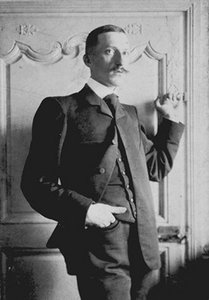
1880–1954, Франция
Андре Дерен
Ранние годы, семья и обучение В 1880 году в Шату, уютной деревушке в регионе Ивлин, на свет появился Андре Дерен. Его детство прошло среди безмятежных пейзажей Иль-де-Франс, где в душе юного художника начало прорастать естественное любопытство к окружающему миру. Уже к 1895 году он приступил к самостоятельному изучению искусства, стремясь постичь визуальную реальность собственными глазами, не полагаясь на строгие академические каноны. Этот период свободного поиска позволил ему сформировать уникальный, глубоко личный взгляд на мир еще до того, как суровость художественных академий смогла наложить свой отпечаток на его творческое восприятие.
Другие работы Андре Дерен
 Купальщицы1907
 Лондонский мост1906
 Charing Cross from sw1906
 Landscape at L'Estaque1906
Эссе к произведению Rita van Leer
 Fauvism vs German Expressionism: Distinguishing Color and EmotionMaster the differences between Fauvism and German Expressionism through expert analysis. Learn to decode the emotion behind the color today.
 Dutch artworks of the 1860s1860s Dutch masterpieces by Vincent van Gogh, Gerard Bilders, and August Allebé. View the full collection online at OriginalUniqueArt.com.
 The Silent Dialogue: Examining Intimacy and Psychological Depth in Classical PortraitureExplore the psychological depth of classical portraiture through masters like Rembrandt and Vermeer. Discover the power of the gaze today.