

 Примерить в интерьере
 Отправить
 Поделиться
 Подробнее
 Руководство

 Скачать
 Похожие объекты
 Рентгенография
 Слайд-шоу
 Статистика
General interrogating a mobile guard, supporting an injured lieutenant


 Развернуть текст
Масляная репродукция ручной работы
Картина маслом на холсте в выбранном вами размере и раме, написанная на заказ нашими художниками. ( Переключиться на печать Перейти к цифровым изображениям)




P118B $10

P118H $10

P118W $10

P438Z $10

P508JH $12

P508YH $12

P805H $10

P805Z $10

P919BZ $10

P919G $10

P919XJ $10

P959ZH $10

P968JZ $12

W106C $8

W218G $10

W218JH $8

W218Y $10

W307PJ $10

W316G $10

W316PJ $8

W316Y $10

W398PJ $8

W4111J $10

W500HY $15

W500JH $15

W692G $12

W849H $8

W940BG $15

W953PJ $8




Выберите один из наших стандартных размеров, соответствующих оригинальным пропорциям произведения искусства.

Введите необходимую ширину и высоту, чтобы репродукция подошла к вашей раме или стене. Поскольку работа выполняется вручную, при изменении пропорций художник может немного увеличить область вокруг картины или, наоборот, обрезать края — выбор за вами. Перед началом работы мы пришлем вам цифровой макет на утверждение. Изображение на этой странице не является точным результатом — увидеть реальный вид можно только на макете.
После оформления заказа команда OriginalUniqueArt.com свяжется с клиентом по электронной почте для уточнения деталей и предоставит предварительный макет
Доставка по всему миру () за 3–4 недели вместо стандартных 5 недель. (24 Октябрь). Без компромиссов в качестве.

Бесплатная экспресс-доставка по всему миру

Высококачественный льняной холст

Полное страхование при транспортировке

Гарантия возврата таможенных пошлин

Гарантия точного цветового соответствия

100-дневный период возврата (только при обнаружении дефектов)

Гарантия возврата 100% средств

Скидка при заказе нескольких работ
 Вариант со стеклом доступен только для размеров менее 110 см

General interrogating a mobile guard, supporting an injured lieutenant
Материал репродукции
Размер репродукции
-


Итоговая стоимость
$ 375
A Frozen Moment of Command: Alphonse de Neuville’s “General Interrogating a Mobile Guard Supporting an Injured Lieutenant”
Alphonse de Neuville's "General Interrogating a Mobile Guard Supporting an Injured Lieutenant," painted in 1879, is more than just a depiction of a military scene; it’s a meticulously crafted tableau of tension, duty, and the lingering weight of conflict. The painting transports us to a bleak, snow-swept landscape – likely inspired by the aftermath of the Franco-Prussian War – where a seasoned general, radiating authority, engages in a serious conversation with a young lieutenant bearing the visible wounds of battle. The scene isn’t one of triumphant victory, but rather a quiet assessment amidst the ruins of war, a moment suspended between interrogation and judgment.
De Neuville's artistic lineage is deeply rooted in the Romantic tradition, particularly influenced by Eugène Delacroix’s dramatic use of color and composition. This influence manifests powerfully here through the carefully orchestrated arrangement of figures against the stark backdrop. The triangular structure, anchored by the central interaction between the general and the lieutenant, draws the viewer’s eye directly to this pivotal exchange. The horses, rendered with a remarkable sense of realism – their coats gleaming faintly beneath the overcast sky – contribute significantly to the painting's dynamic energy, suggesting movement and urgency even within the stillness of the scene.
A Palette of Winter: Color, Light, and Atmosphere
The color palette is deliberately restrained, dominated by a muted range of grays, whites, and browns that perfectly capture the harshness and desolation of the winter landscape. Subtle hints of warmer tones – in the uniforms of the officers and the horse coats – provide a delicate contrast, preventing the scene from becoming entirely bleak. De Neuville masterfully employs atmospheric perspective; distant figures are rendered with increasing softness and detail loss, creating an illusion of depth that anchors the viewer within this frozen world. The diffused lighting, characteristic of overcast days, casts a soft, even illumination across the canvas, eliminating strong shadows and contributing to the painting’s somber mood.
The Language of Line and Texture
De Neuville's technique is firmly rooted in academic painting, evident in his skillful rendering of form and detail. Visible brushstrokes – particularly prominent in the depiction of the snow-covered ground and the textures of clothing – add a tactile quality to the work, inviting the viewer to almost feel the cold wind and rough fabric. Lines are used strategically to define shapes and create a sense of realism, while also subtly conveying the tension within the scene. The musculature of the horses is particularly well-defined, adding to their powerful presence. The artist’s attention to detail extends to the subtle nuances of facial expressions – the general's stern gaze, the lieutenant’s wounded composure – revealing a profound understanding of human psychology.
Symbolism and Emotional Resonance
Beyond its realistic depiction of military life, “General Interrogating a Mobile Guard Supporting an Injured Lieutenant” is rich in symbolic meaning. The injured lieutenant represents sacrifice and loss—a tangible reminder of the brutal cost of war. The general’s questioning posture suggests responsibility, authority, and perhaps even regret. The scene evokes feelings of uncertainty, duty, and the lingering trauma of conflict. It's a poignant meditation on leadership, accountability, and the enduring consequences of violence. The painting doesn’t offer easy answers or heroic narratives; instead, it presents a complex and emotionally resonant portrait of a moment caught between action and reflection.
A Legacy in Oil: Materials and Historical Context
Created using traditional oil paints on canvas, this artwork stands as a testament to de Neuville's mastery of his medium. The choice of oil paint allowed for layering and blending, contributing to the painting’s rich textures and nuanced color palette. Painted during the late 19th century, it reflects the artistic and political climate of France following the Franco-Prussian War – a period marked by nationalistic fervor and a desire to commemorate military achievements. De Neuville's work served as both a historical record and a powerful expression of patriotic sentiment. The painting’s acquisition by the Musée de l’Armée in Paris underscores its significance within French art history.
Вопросы и ответы
Где я могу найти произведения искусства, похожие на «General interrogating a mobile guard, supporting an injured lieutenant», Альфонс де Неввиль?
Работы, похожие на «General interrogating a mobile guard, supporting an injured lieutenant», Альфонс де Неввиль, собраны на странице Похожие работы этого произведения.
Какова насыщенность цветов в работе «General interrogating a mobile guard, supporting an injured lieutenant», Альфонс де Неввиль?
Палитра произведения «General interrogating a mobile guard, supporting an injured lieutenant» отличается Muted насыщенностью.
Является ли «General interrogating a mobile guard, supporting an injured lieutenant», Альфонс де Неввиль картиной, рисунком или принтом?
Произведение «General interrogating a mobile guard, supporting an injured lieutenant», Альфонс де Неввиль классифицируется как WallArt. Данная категория определяет тип оригинального произведения искусства.
Биография художника
Alphonse de Neuville - A Life Etched in Conflict: The World of Alphonse de Neuville
Alphonse-Marie-Adolphe de Neuville, a name resonant with the drama and patriotic fervor of 19th-century France, was born in Saint-Omer in 1835. His life, though tragically cut short at the age of forty-nine, unfolded against a backdrop of sweeping historical change – a period marked by imperial ambition, devastating wars, and burgeoning national identities. While initially drawn to a naval career, de Neuville’s artistic inclinations proved too strong to ignore, leading him away from the sea and toward the studios of Paris. He first sought guidance within the established academic system, briefly attending the naval school at Lorient before ultimately pursuing formal training under François-Edouard Picot. However, it was the influence of Eugène Delacroix—a master of Romanticism with a flair for dynamic composition and emotional intensity—that truly shaped de Neuville’s artistic vision. This mentorship instilled in him a passion for dramatic narratives and a keen understanding of how to translate historical events onto canvas with compelling power.Forging a Reputation Through War and Illustration
De Neuville quickly established himself as a painter deeply engaged with the conflicts defining his era. He didn’t merely depict war; he immersed himself in its realities, drawing upon personal experiences—including service during the Franco-Prussian War—to lend authenticity to his work. This commitment to realism, combined with a talent for capturing the human cost of conflict, propelled him to prominence. Early successes included depictions of battles from the Crimean War and scenes illustrating episodes from Garibaldi’s campaigns in Italy. However, it was through his collaboration with Jules Verne that de Neuville gained wider recognition. His illustrations for *Twenty Thousand Leagues Under the Seas* brought a visual dynamism to Verne's fantastical underwater world, captivating readers and solidifying de Neuville’s reputation as a versatile artist capable of both historical accuracy and imaginative storytelling. These illustrations weren’t simply accompaniments to the text; they were integral to shaping the public’s perception of Verne’s groundbreaking novel.Master of Military Narrative: Key Works and Artistic Style
De Neuville's artistic strength lay in his ability to transform historical events into emotionally resonant narratives. His paintings weren’t merely records of battles; they were carefully constructed dramas, filled with compelling characters and a palpable sense of urgency. “The Charge of the Light Brigade” (1860)—a poignant depiction of the disastrous Crimean War cavalry charge—exemplifies this approach. The painting doesn't glorify warfare but rather conveys the bravery and futility of the soldiers caught in the crossfire. Similarly, “The Defense of Palma Major” (1875)—illustrating a harrowing episode from the Zulu War—showcases de Neuville’s mastery of dramatic composition and his ability to capture the intensity of close-quarters combat. His style is characterized by meticulous detail, realistic portrayals of uniforms and weaponry, and a skillful use of light and shadow to create atmosphere and heighten emotional impact. He wasn't interested in grand allegories or idealized heroism; instead, he focused on the individual experiences of soldiers—their courage, fear, and suffering.Influences and Artistic Development
- Eugène Delacroix: The most significant influence on de Neuville’s style, imparting a sense of drama, emotional intensity, and dynamic composition.
- François-Edouard Picot: Provided early training and foundational skills in academic painting techniques.
- Personal Experiences: His service during the Franco-Prussian War directly informed his realistic depictions of military life and combat.
- Jules Verne’s Literature: Collaboration on *Twenty Thousand Leagues Under the Seas* broadened his artistic range and introduced him to a wider audience.
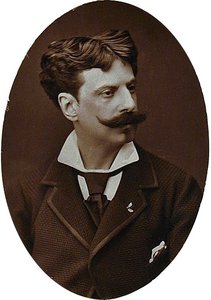
Альфонс де Неввиль
1835 - 1885 , Франция
Краткая справка
- Artistic Movement Or Style: Академическая живопись
- Artists Who Influenced This Artist: ['Эжен Делакруа']
- Date Of Birth: 1835
- Date Of Death: 1885
- Full Name: Alphonse-Marie-Adolphe de Neuville
- Nationality: Французский
- Notable Artworks:
- Заряд кавалерийской батареи
- Оборона Пальмы Мажор
- Place Of Birth: Saint-Omer, Франция
Похожие статьи
Beyond the Fabric: Decoding Identity, Authority, and Symbolism in the Art of Military Uniforms
Explore the profound symbolism of military uniforms in art history. From Victorian portraits to realistic lithographs, discover how artists capture power, identity, and historical legacy through the intricate details of martial regalia and command.

Топ-25 шедевров Гойи: от придворного портрета до мрачных пророчеств | OriginalUniqueArt
Погрузитесь в мир гения Франсиско Гойи! 🎨 От придворных портретов до мрачных "Капричос" – исследуйте топ-25 шедевров испанского романтизма. Купите репродукции картин Гойи музейного качества на OriginalUniqueArt.com и украсьте свой интерьер искусством.

Willem de Kooning: Abstraction, Gesture & the Evolution of Post-War American Painting
Explore the evolution of Willem de Kooning's iconic Abstract Expressionist paintings. Discover his signature style, key themes & investment potential with expert insights for discerning art collectors.

О нас
Откройте для себя нашу историю! Мы привносим искусство мирового класса в вашу жизнь благодаря экспертному отбору, индивидуальным заказам и бесплатным обзорам. Одобрено частными лицами и компаниями с 2000 года.

William Owen: A Poetic Vision of War & Landscape in British Modernism
Explore the poignant war poetry of Wilfred Owen, a key figure in British Modernism. Discover his innovative style, themes of loss & camaraderie, and lasting impact on 20th-century literature. Analysis & historical context included.