
 Предпросмотр
 Поделиться
 Поделиться
 Детали произведения

 Скачать
 Похожие работы
 Рентгенография
 Слайд-шоу
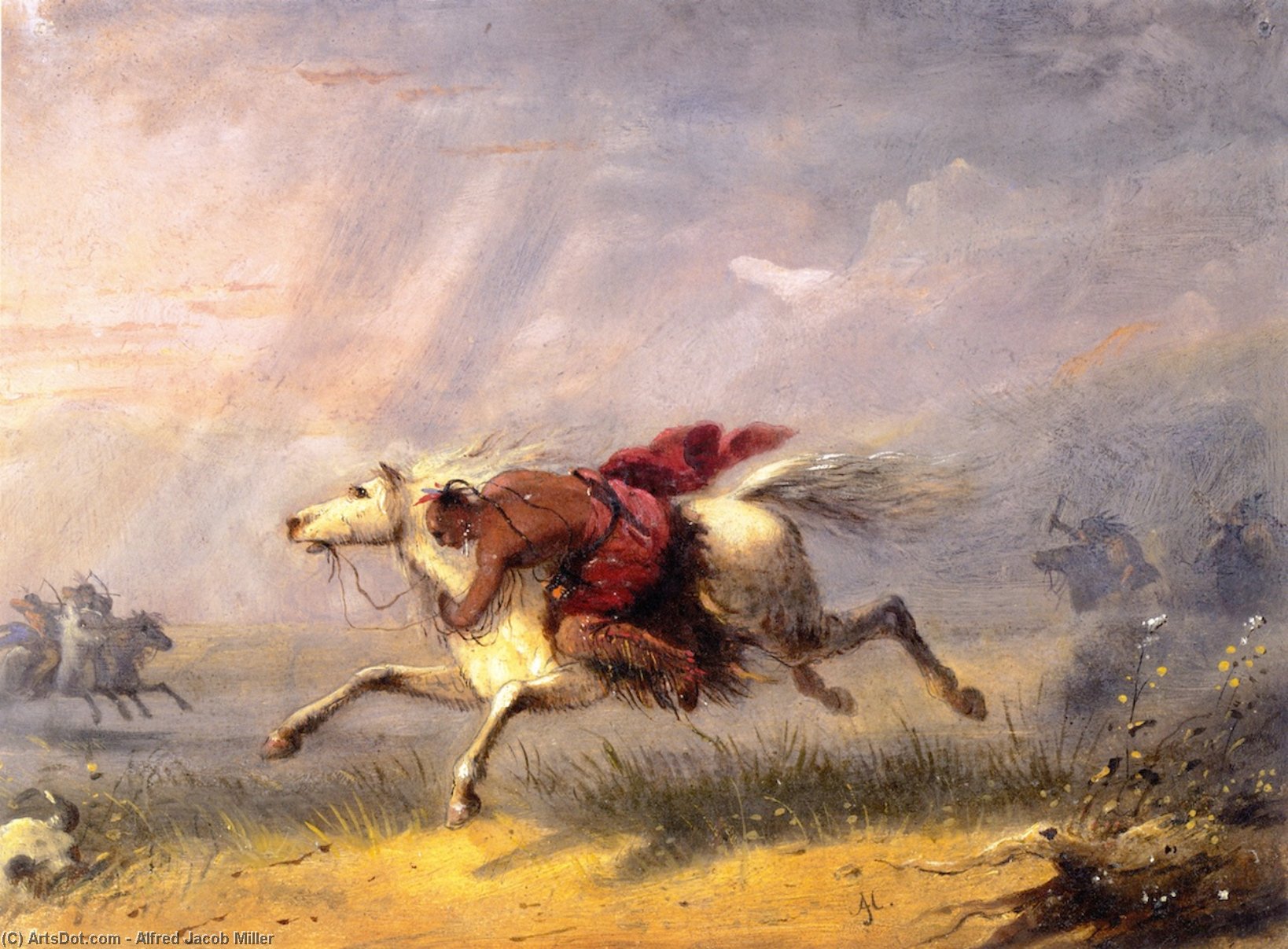
War Path
 Читать далее
Жикле / Арт-принт
Печать (жикле) или холст музейного качества с быстрыми сроками изготовления и широким выбором вариантов отделки. ( Перейти к заказу ручной росписи Переключиться на изображение)




































Выберите один из наших стандартных размеров, соответствующих оригинальным пропорциям произведения искусства.

Вы можете указать свои собственные размеры, чтобы репродукция идеально подошла под конкретную раму или пространство. Если выбранный вами размер не будет соответствовать пропорциям оригинала, мы либо обрежем произведение, либо дополним изображение зеркальным отражением краев или однотонной заливкой. Перед началом производства вам будет отправлен цифровой макет для утверждения.
Пожалуйста, обратите внимание, что предварительный просмотр на экране не отображает фактическую обрезку или расширение изображения. Только макет точно покажет финальную композицию.
Несмотря на возможность заказа индивидуальных размеров, мы рекомендуем выбирать размер из предопределенного списка, чтобы сохранить оригинальные пропорции.
Доставка по всему миру () за 2 недели вместо стандартных 4/5 недель. (10 Август)

Бесплатная экспресс-доставка по всему миру

Высококачественный льняной холст

Полное страхование доставки

Гарантия возмещения таможенных пошлин

Гарантия точного соответствия цветов

Политика возврата в течение 60 дней (только при наличии дефектов)

Гарантия возврата 100% средств

Предложение оптовых скидок
 Вариант со стеклом доступен только для размеров менее 110 см

War Path
Жикле / Арт-принт
Размер репродукции
-


Итоговая стоимость
$ 80
Биография художника
A Pioneer of the American West
Alfred Jacob Miller, born in Baltimore in 1810, occupies a unique and vital position in the narrative of American art. He wasn’t merely a painter of landscapes or portraits; he was a visual chronicler of a vanishing world – the fur trade era of the Rocky Mountains and the lives of the Native American tribes who inhabited them. His journey to artistic recognition was unconventional, beginning not with formal academic training but with an innate talent nurtured by early exposure to artists like Thomas Sully. While attending John D. Craig’s Academy in Baltimore, Miller's education lacked a dedicated art curriculum, yet this absence perhaps fostered a distinctive style that would later set him apart. A pivotal period followed when he journeyed to Paris in 1832, immersing himself in the rigorous study of life drawing at the École des Beaux-Arts and absorbing the artistic traditions of Europe. This foundational experience honed his observational skills and provided a technical base upon which he would build his uniquely American vision.The Transformative Expedition
Miller’s career took an extraordinary turn in 1837, when fate – or perhaps artistic destiny – intervened in the form of Sir William Drummond Stewart, a Scottish aristocrat with a passion for the untamed West. Stewart commissioned Miller to accompany him on a hunting expedition into the heart of the Rocky Mountains, tasking him with documenting the landscapes and cultures encountered along the way. This wasn’t simply an assignment; it was an immersion into a world few Americans, let alone artists, had ever witnessed. For months, Miller meticulously sketched scenes of Native American life – the Sioux, Crow, Shoshone, and others – capturing their customs, clothing, rituals, and interactions with trappers and traders. He recorded the rugged beauty of the terrain, the drama of hunts, and the quiet moments of daily existence on the frontier. These weren’t romanticized depictions intended to glorify the West; they were honest observations imbued with a sensitivity that distinguished Miller's work from much of his contemporaries’. Upon returning to New Orleans, he transformed these sketches into a series of paintings that would establish his reputation as a significant figure in American art, offering an invaluable glimpse into a world on the cusp of irreversible change. The rendezvous was a grand affair devised by St. Louis businessman and politician William H. Ashley in 1822 to keep the fur trappers from leaving the mountains to deliver the season’s catch. He advertised for one hundred “Enterprising Young Men” who would agree to remain in the mountains for two or three years. (*St. Louis Enquirer*, 1822 and 1823) Each summer, Ashley sent a caravan of traders from St. Louis to meet the men at a prearranged place with supplies and trade goods to exchange for their pelts. Other companies followed his lead, and by the 1830s the rendezvous was made up of numerous camps involving hundreds of company trappers, free trappers, and sundry Indian tribes. Following several weeks of “High Jinks,” as Miller put it, and then some serious trading, the trappers and Indians would return to the mountains in time for the fall trapping season and the traders to St. Louis. (Russell, 1941, pp. 1 – 2; Clokey, 1980, p. 67; Ross, 1968, text accompanying plate 110; Wishart, 1979, pp. 121 – 124; Washburn, 1967, pp. 50 – 54) Miller’s adventure began shortly after he found quarters on the second floor of L. Chittenden’s dry-goods store at 26 Chartres Street in New Orleans, exchanging a portrait of the landlord for his first month’s rent. Miller displayed several paintings in the ground-floor window, and they apparently attracted the attention of a stylishly-dressed gentleman, whom he took to be a Kentuckian, who came in, browsed around and watched him paint for a few moments, commented favorably on his technique, then exited. A few days later, the man returned, introduced himself as Captain William Drummond Stewart, retired from the British Army, and explained that he was planning to attend the annual rendezvous of fur trappers and traders in the Rocky Mountains that summer and wanted an artist to accompany him to make a visual record of the trip. (Miller, Journal, p. 35) From British Consul John Crawford, who had previously served in Baltimore and might have known Miller there, Stewart assured the young Miller that the captain, a veteran of the peninsular campaign and Wellington’s victory over Napoleon at Waterloo, would be able to fulfill any financial commitments that he made. (Porter and Davenport, 1963, pp. 4, 16 – 19, 129; Strong, 200"
Альфред Якоб Миллер
1810 - 1874 , США
Основные сведения
- Artistic Movement Or Style: Реализм и романтизм
- Artists Who Influenced This Artist:
- Томас Салли
- Горре Вернет
- Date Of Birth: 1 января 1810 г.
- Date Of Death: 1874 г.
- Full Name: Alfred Jacob Miller
- Nationality: Американский
- Notable Artworks:
- Озеро Его Одинокое Сердце Расширяется...
- Сцена лагеря (Сиу)
- Большая миска (Шошон)
- Аркали - Горный овцы
- Шошон индейцы охотятся на оленей
- Индейцы шайдуют на оленей
- Place Of Birth: Балтимор, США


