
 Предпросмотр
 Поделиться
 Поделиться
 Детали произведения

 Скачать
 Похожие работы
 Рентгенография
 Слайд-шоу
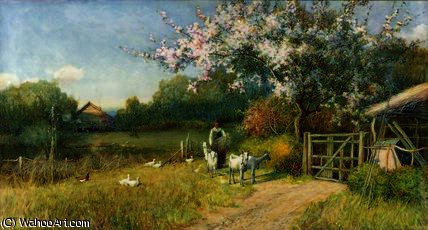
Springtime
 Читать далее
Приобретите цифровое изображение высокого разрешения в улучшенном качестве, которое значительно превосходит онлайн-превью.
Каждый файл тщательно подготавливается нашими специалистами с использованием передовых инструментов и экспертной ручной ретуши. Мы гарантируем исключительную четкость, точную цветопередачу и детальную проработку каждого изображения.
Финальный файл доставляется по электронной почте в течение 72 часов и оптимизирован для немедленного использования в профессиональной среде, при верстке и печати. Это тот же уровень качества, которому доверяют ведущие дизайнерские студии, издательства и галереи.
Цифровое изображение
Скачайте файл высокого разрешения для личного использования, печати и творческих проектов. ( Купить принт Купить картину ручной работы)
Включено в каждый заказ цифровых изображений
Гарантия экспертной цифровой доставки
Выбирая OriginalUniqueArt.com, вы получаете не просто изображение — вы приобретаете профессионально обработанное цифровое произведение искусства, созданное с безупречной точностью и под защитой гарантии качества. Вот всё, что автоматически входит в ваш заказ:

Мгновенная доставка по e-mail
Ваш цифровой файл в высоком разрешении будет отправлен вам по электронной почте в течение 72 часов после оформления заказа — и сразу станет доступен для использования.

Цифровой файл с ИИ-улучшением
Ваше произведение искусства проходит профессиональную оптимизацию с использованием передовых инструментов ИИ и ручной обработки, что гарантирует максимальную детализацию, четкость и точность цветопередачи.

Бессрочная бесплатная повторная доставка
Случайно удалили или потеряли файл? Не беспокойтесь — мы отправим его вам повторно в любое время и совершенно бесплатно.

Без импортных пошлин — навсегда
Наслаждайтесь вашим произведением искусства мгновенно без таможенных пошлин, сборов или затрат на доставку — цифровые загрузки всегда не облагаются налогом.

Гарантия точности цветопередачи
Мы гарантируем, что ваше цифровое изображение максимально точно передает оригинальные цвета благодаря использованию профессиональных инструментов и систем управления цветом.

Гарантия удовлетворения в течение 60 дней
Если вы останетесь не удовлетворены покупкой цифрового изображения, мы внесем в него правки или вернем 100% стоимости в течение 60 дней — без лишних вопросов.

100% Гарантия возврата средств
Не удовлетворены покупкой? Мы гарантируем полный возврат средств в течение 60 дней после получения вашего цифрового файла — без лишних вопросов.

Скидки на оптовые заказы
Купите 3 изображения, сэкономьте 10% — Купите 5, сэкономьте 15% — Купите 10+, сэкономьте 20%. Отличное решение для творческих проектов, галерей и агентств.
Биография художника
A Pioneer of Atmospheric Landscapes: The Life and Art of Sir Alfred Edward East
Sir Alfred Edward East (15 December 1844 – 28 September 1913) emerged from the vibrant artistic milieu of Victorian Britain, a period deeply enamored with both meticulous realism and burgeoning romantic ideals. His journey began in Kettering, Northamptonshire, where he received foundational training at the Glasgow School of Art. While initially steeped in the traditions of British landscape—a genre already rich with masters like Constable and Turner—East’s artistic trajectory took a decisive turn towards France and the Barbizon school. This wasn't merely an adoption of style; it was a philosophical shift, a yearning to capture not just *what* was seen, but *how* it felt to be immersed in nature. The Barbizon painters, with their emphasis on direct observation and unvarnished depictions of rural life, resonated deeply with East’s own developing sensibilities. They eschewed the grand historical narratives favored by the academies, instead focusing on the poetry of everyday scenes, a focus that would become central to his own work.Early Career and the Influence of Japan
East's early life saw him initially working in business with his brother, but this path proved unfulfilling. His true calling lay in painting, and he diligently honed his skills through study and practice. A pivotal moment arrived in 1888 when Marcus Huish, the managing director of the Fine Art Society, commissioned East to travel to Japan for six months. This expedition proved transformative. Japan, with its unique light, vibrant colors, and distinct cultural aesthetic, captivated East’s imagination. He wasn't simply documenting exotic locales; he was absorbing a new way of seeing—a sensitivity to atmosphere, composition, and the subtle interplay of nature and human presence. The exhibition of 104 paintings from this tour in 1890 at the Fine Art Society was a spectacular success, establishing East as a leading landscape painter and introducing Japanese motifs to a British audience hungry for new artistic experiences. He captured scenes that were both familiar – rural landscapes, temples – and strikingly different, imbued with a delicate lyricism that set his work apart.Embracing *En Plein Air* and the Barbizon Legacy
The mid-19th century witnessed a revolution in painting practice: the rise of *en plein air*, or outdoor painting. Before this, artists largely confined their work to studios, relying on sketches and memory to recreate scenes. The advent of portable paint tubes—a relatively recent invention—and the growing desire for authenticity fueled this movement. Alfred East was an early and enthusiastic adopter of this technique. He understood that capturing the fleeting nuances of light and atmosphere required being *present* in the landscape, directly confronting its ever-changing beauty. This wasn’t simply about technical accuracy; it was about conveying a sense of immediacy, of experiencing the scene alongside the viewer. His commitment to painting outdoors distinguished him from many contemporaries and laid the groundwork for his distinctive style. He didn't just paint landscapes; he painted the *experience* of being within them. His technique involved building up layers of color, often using broken brushstrokes to suggest texture and movement, creating a shimmering effect that captured the essence of light on water, foliage, or distant mountains.Recognition and Later Achievements
East’s dedication to his craft and his unique artistic vision earned him increasing recognition throughout his career. He was elected an Associate of the Royal Academy in 1899, having been a regular exhibitor since 1883, and achieved full membership in 1913. In 1906, he became President of the Royal Society of British Artists, a position he held until his death. He published *The Art of Landscape Painting in Oil Colour* that same year, sharing his techniques and philosophy with aspiring artists. A testament to his impact on his hometown was the opening of the Alfred East Art Gallery in Kettering in 1913—a purpose-built space designed by John Alfred Gotch to showcase his work alongside that of W.B. Gash. He received a knighthood in 1910, solidifying his status as one of Britain’s most esteemed landscape painters.Historical Significance and Enduring Appeal
Sir Alfred Edward East occupies a significant place in the history of British art. He bridged the gap between the traditional landscape painting of earlier generations and the more modern approaches that would emerge in the 20th century. His embrace of *en plein air* painting, his sensitivity to atmosphere, and his ability to evoke emotion through color and light paved the way for future artists. His paintings offer a glimpse into a bygone era—a time when travel was still an adventure and nature held a profound sense of mystery and wonder. East’s work continues to resonate with audiences today, offering a timeless beauty that transcends stylistic trends. His landscapes are not merely representations of places; they are invitations to experience the world anew, to appreciate the subtle nuances of light, color, and atmosphere, and to connect with the enduring power of nature. He remains a celebrated figure whose legacy continues to inspire artists and art lovers alike.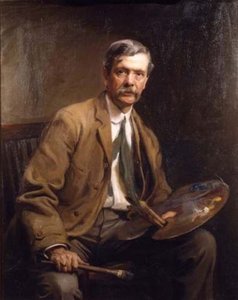
alfred edward east
1844 - 1913 , United Kingdom
Основные сведения
- Artistic Movement Or Style: Barbizon school, Romanticism
- Artists Who Influenced This Artist: ['Barbizon painters']
- Date Of Birth: December 15, 1844
- Date Of Death: September 28, 1913
- Full Name: Sir Alfred Edward East
- Nationality: English
- Notable Artworks:
- Early Dawn on Monte Mottarone
- The Golden Valley
- Temple Kiyomizu-Dera Entrance
- Place Of Birth: Kettering, UK

