

 Примерить в интерьере
 Отправить
 Поделиться
 Подробнее
 Руководство

 Скачать
 Похожие объекты
 Рентгенография
 Слайд-шоу
 Статистика
Before a Mosque
 Oil On Canvas
- WallArt
- Orientalism
 1868
1868 41.0 x 31.0 cm
 Эрмитаж
 Развернуть текст
Масляная репродукция ручной работы
Картина маслом на холсте в выбранном вами размере и раме, написанная на заказ нашими художниками. ( Переключиться на печать Перейти к цифровым изображениям)




P118B $10

P118H $10

P118W $10

P438Z $10

P508JH $12

P508YH $12

P805H $10

P805Z $10

P919BZ $10

P919G $10

P919XJ $10

P959ZH $10

P968JZ $12

W106C $8

W218G $10

W218JH $8

W218Y $10

W307PJ $10

W316G $10

W316PJ $8

W316Y $10

W398PJ $8

W4111J $10

W500HY $15

W500JH $15

W692G $12

W849H $8

W940BG $15

W953PJ $8




Выберите один из наших стандартных размеров, соответствующих оригинальным пропорциям произведения искусства.

Введите необходимую ширину и высоту, чтобы репродукция подошла к вашей раме или стене. Поскольку работа выполняется вручную, при изменении пропорций художник может немного увеличить область вокруг картины или, наоборот, обрезать края — выбор за вами. Перед началом работы мы пришлем вам цифровой макет на утверждение. Изображение на этой странице не является точным результатом — увидеть реальный вид можно только на макете.
После оформления заказа команда OriginalUniqueArt.com свяжется с клиентом по электронной почте для уточнения деталей и предоставит предварительный макет
Доставка по всему миру () за 3–4 недели вместо стандартных 5 недель. (27 Октябрь). Без компромиссов в качестве.

Бесплатная экспресс-доставка по всему миру

Высококачественный льняной холст

Полное страхование при транспортировке

Гарантия возврата таможенных пошлин

Гарантия точного цветового соответствия

100-дневный период возврата (только при обнаружении дефектов)

Гарантия возврата 100% средств

Скидка при заказе нескольких работ
 Вариант со стеклом доступен только для размеров менее 110 см

Before a Mosque
Материал репродукции
Размер репродукции
-


Итоговая стоимость
$ 475
A Glimpse into the Soul of North Africa: Decamps’ “Before a Mosque”
Alexandre Gabriel Decamps' "Before a Mosque" (1868) isn’t merely a depiction of a North African cityscape; it’s a meticulously crafted window into a vanished world, a poignant meditation on faith, community, and the enduring beauty of the Orient. Painted during the height of Orientalist art—a movement that sought to capture the exotic allure of the Middle East and North Africa through European eyes—Decamps transcends the often-stereotypical romanticism of his contemporaries, offering instead a remarkably nuanced and subtly melancholic portrayal.
The scene unfolds in what appears to be a bustling town square, dominated by an imposing archway that immediately draws the viewer’s eye. Men, dressed in flowing robes and turbans, populate the foreground and midground, engaged in various activities – perhaps a transaction, a conversation, or simply observing the rhythm of daily life. The architecture is equally compelling: weathered stone buildings with intricately carved details, hinting at centuries of history and a deep connection to the land. Yet, there’s an undeniable stillness about the composition, a sense that time has paused, inviting contemplation rather than immediate action.
The Academic Realism of a Romantic Vision
Decamps was a master of academic realism, a style characterized by painstaking observation and a commitment to accurately representing the world as he saw it. However, his approach wasn’t simply about replicating reality; he imbued his paintings with a strong narrative quality, creating scenes that felt both familiar and utterly foreign. This is evident in the careful attention to detail – the texture of the stone walls, the folds of the men's robes, the dappled light filtering through the palm trees—all rendered with remarkable precision.
Despite his adherence to realism, Decamps’ work possesses a distinctly Romantic sensibility. The scene evokes a sense of mystery and intrigue, fueled by the muted color palette – dominated by earthy browns, ochres, and subtle blues – and the atmospheric lighting. These elements contribute to an overall feeling of quiet contemplation, inviting the viewer to step into the painting and experience the atmosphere firsthand. Decamps’ use of perspective is subtly flattened, a deliberate choice that enhances the sense of depth and creates a slightly dreamlike quality.
Symbolism and Historical Context
The archway itself holds significant symbolic weight. In Islamic architecture, arches often represent gateways to sacred spaces or transitions between different realms. Here, it could be interpreted as a portal into a community centered around faith—a place of worship, gathering, and shared identity. The presence of the men suggests a vibrant social life, highlighting the importance of communal bonds within this North African setting.
Decamps painted “Before a Mosque” during a period of intense European fascination with the Orient. Following Napoleon’s campaigns in Egypt, there was a surge of interest in ancient civilizations and exotic locales. Orientalist art flourished as Europeans sought to understand and represent these distant lands—often through a lens shaped by their own cultural biases. Decamps' work, however, goes beyond mere spectacle; it offers a glimpse into the everyday lives of people who were largely absent from European narratives.
A Timeless Masterpiece: Reproduction and Beyond
Reproduced faithfully in this 41 x 31 cm print, “Before a Mosque” retains its original power to transport the viewer to another time and place. The rich colors, intricate details, and evocative atmosphere make it an ideal addition to any collection or interior space. Whether you’re an art enthusiast, a collector seeking a piece of history, or simply someone who appreciates beautiful imagery, this reproduction offers a tangible connection to the artistic vision of Alexandre Gabriel Decamps—a true pioneer of Orientalist painting.
Вопросы и ответы
Какое настроение передает «Before a Mosque», Александр Гавриил Декамп?
«Before a Mosque» обладает Earthy атмосферой.
Существует ли справочный материал об «Before a Mosque», Александр Гавриил Декамп для студентов?
Гид по произведению «Before a Mosque» — это страница Справка для студентов, представляющая собой печатную справку с изображением работы, подписью, указанием авторства и информационной таблицей (художник, даты, техника, оригинальный размер, коллекция).
В какой технике было выполнено произведение «Before a Mosque» и когда оно было создано?
«Before a Mosque» была создана в 1868 с использованием техники Oil On Canvas. Материал и дата описывают, как и когда был создан оригинал.
Биография художника
Первооткрыватель ориенталистских видений: Жизнь и искусство Александра Габриэля Декампса
Александр Габриэль Декампс — имя, резонирующее с яркими красками экзотических пейзажей и драматизмом романтизма, — стал ключевой фигурой во французской живописи XIX века. Рожденный в Париже 3 марта 1803 года, он прошел путь смелых инноваций, бросая вызов академическим канонам и прокладывая тропу к тому, что позже назовут ориентализмом. В то время как его современники, такие как Делакруа и Энгр, занимали видные позиции в мире французского искусства, Декампс выделился благодаря глубоко личному стилю — сочетанию тщательного наблюдения, драматической композиции и пленительного повествовательного мастерства, которое погружало зрителя в миры одновременно знакомые и совершенно чуждые. Его раннее признание как талантливого мастера предвещало карьеру, отмеченную триумфами, кульминацией которых стала большая или советская медаль на Парижской выставке 1855 года — свидетельство его исключительного мастерства и уникального видения. Помимо холста, Декампс был человеком, глубоко связанным с природой; он находил утешение и вдохновение в сельской местности вокруг Парижа, предаваясь своей страсти к животным и охоте — увлечению, которое тонко пронизывало значительную часть его творческого наследия.От Писания до Сахары: Эволюция художественного стиля
Творческое развитие Декампса характеризовалось готовностью исследовать самые разные сюжеты и техники. Первоначально увлеченный историческими и библейскими сценами, он быстро заслужил признание, изображая эти повествования с беспрецедентным уровнем реализма — помещая их в подлинные локальные декорации, а не полагаясь на идеализированные или традиционные представления. Эта приверженность достоверности проистекала из его путешествий на Восток — опыта, который глубоко повлиял на его художественное восприятие. Он не просто изображал увиденное; он передавал само ощущение атмосферы, света и самой сути этих далеких земель. Например, картина Иосиф, проданный братьями — это не просто иллюстрация библейского сюжета, а живое воплощение конкретного времени и места, наполненное эмоциональной глубиной и психологической проницательностью. Этот подход распространился и на его масштабные исторические полотна, такие как Поражение кимвров, где он мастерски запечатлел хаос и жестокость битвы, демонстрируя способность работать с крупными композициями с динамичной энергией. Однако именно изображения восточной жизни по-настоящему выделили его среди современников. Он раскрывал повседневные сцены — рынки, школы, домашние интерьеры — с такой точностью, которая поначалу сбивала с толку критиков, привыкших к более романтизированным или стереотипным репрезентациям.Отец ориентализма и его непреходящее влияние
Декампса по праву считают основоположником ориентализма во французской живописи. До него изображения Востока часто проходили через призму фантазии и экзотизма. Он же представил иное видение — укорененное в прямом наблюдении и искреннем любопытстве. Его участие в Салоне 1831 года стало поворотным моментом, открыв парижской публике неприкрашенный взгляд на жизнь Северной Африки и Ближнего Востока. Этот новаторский подход нашел отклик как у художников, так и у писателей, вдохновив волну ориенталистских работ, которые будут доминировать в искусстве большей части XIX века. Его стиль, характеризующийся смелыми мазками, поразительным контрастом света и тени и ощутимым присутствием атмосферы, стал ориентиром для поколений живописцев, фотогралофов и авторов. Максим Дюам прославился тем, что назвал его «Христофором Колумбом Востока», признавая его первопроходческую роль в открытии новых художественных территорий. Картина Албанская танцовщица с ее яркими цветами и энергичной композицией служит примером его способности уловить дух культуры, сохраняя при этом отчетливо французскую эстетическую чувственность. Даже сатирические работы, такие как Оценщики-обезьяны — ироничный выпад в сторону консервативного жюри Академии изящных искусств, — демонстрируют его готовность бросать вызов установленным нормам и придерживаться независимого творческого видения.Трагический финал и вечное наследие
К сожалению, жизнь Декампса оборвалась 22 августа 1860 года в возрасте 57 лет после несчастного случая на охоте близ Фонтенбло. Его преждевременная смерть лишила мир искусства поистине новаторского таланта, но его наследие продолжает жить благодаря пленительным полотнам и их непреходящей притягательности. Сегодня такие шедевры, как Пожар в итальянской деревне, с его драматическим изображением конфликта и мастерским использованием импасто, и Бедуин и верблюд, отдыхающие в пустыне, демонстрирующая текстуру и спокойствие пустынной жизни, почитаются за их художественную ценность и историческую значимость. Его работы можно найти в престижных институциях, таких как Музей Лувр в Париже, что гарантирует, что его видение будет продолжать вдохновлять аудиторию по всему миру. Платформы вроде OriginalUniqueArt.com играют жизненно важную роль в сохранении и распространении его искусства, предлагая высококачественные репродукции, которые позволяют ценителям прикоснуться к красоте и силе живописи Декампса. Его влияние выходит за рамки живописи, формируя восприятие Востока и оставляя неизгладимый след в культурном ландшафте Европы XIX века.Исследуя мир Декампса: Знаковые работы
- CHIENS BRIFAUTS: Очаровательная ориенталистская сцена, изображающая собак в ярких декорациях.
- LA COUR DE FERME: Завораживающая картина XIX века, сочетающая французский романтизм с исторической детализацией.
- L’ÉCOLE TURQUE: Оживленное изображение турецкой школы, передающее энергию и атмосферу повседневной жизни.
- PAYSAGE TURC: Безмятежный пейзаж, исследующий реализм и романтизм в французской манере.

Александр Гавриил Декамп
1803 - 1860 , Франция
Краткая справка
- Artistic Movement Or Style: Романтизм; Орионизм
- Artists Or Movements Influenced By This Artist: ['Орионизм']
- Artists Who Influenced This Artist:
- Жорж Дюписент
- Эмиль Корнелис Картиус
- Date Of Birth: 3 марта 1803 г.
- Date Of Death: 22 августа 1860 г.
- Full Name: Александр Гавриил Декампс
- Nationality: Французский
- Notable Artworks:
- Сцена из Библии «Поклонение паломников»
- Разгром Симбри
- Школа турков
- Пейзаж Турк
- Place Of Birth: Париж, Франция
Похожие статьи
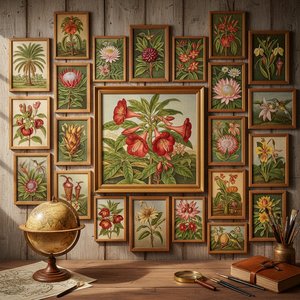
Марианна Норт: 25 Шедевров Художницы и Путешественницы | OriginalUniqueArt
Погрузитесь в мир ботанической живописи с Марианной Норт! 25 шедевров викторианской художницы, полных экзотических цветов и тропических пейзажей. Купить репродукции картин онлайн на OriginalUniqueArt – вдохновение для вашего интерьера!
Alexandre Gabriel Decamps: Pioneering Romantic Visions & Challenging Academic Tradition
Explore the captivating world of Alexandre Gabriel Decamps, a pioneer of Romanticism and Orientalism. Discover his bold style, satirical masterpieces like 'The Experts,' and lasting impact on 19th-century art history.
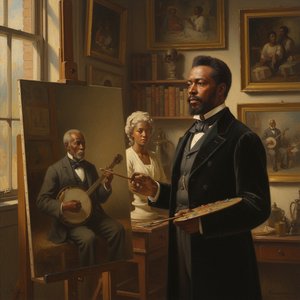
Henry Ossawa Tanner: Pioneering African American Representation in 19th-Century Art
Explore the life and groundbreaking work of Henry Ossawa Tanner, a pioneering African American artist who achieved international acclaim with his deeply spiritual and realistic paintings. Discover his legacy at OriginalUniqueArt.

Топ-10 шедевров XIX века: искусство, история и декор от OriginalUniqueArt.com
Погрузитесь в мир искусства XIX века! От реализма до импрессионизма – 10 величайших картин, истории художников и вдохновение для вашего интерьера. Репродукции высокого качества на OriginalUniqueArt.com. Откройте всю коллекцию онлайн!

Beyond Exoticism: Unveiling the Complex Legacy of Orientalist Painting
Explore the fascinating & complex world of Orientalist painting! Discover its history, key artists like Gérôme & Lewis, and Edward Said's influential critique. Uncover nuance beyond stereotypes with OriginalUniqueArt.


