- Главная

- Репродукция картины маслом
- Александр Николаевич Бенойс
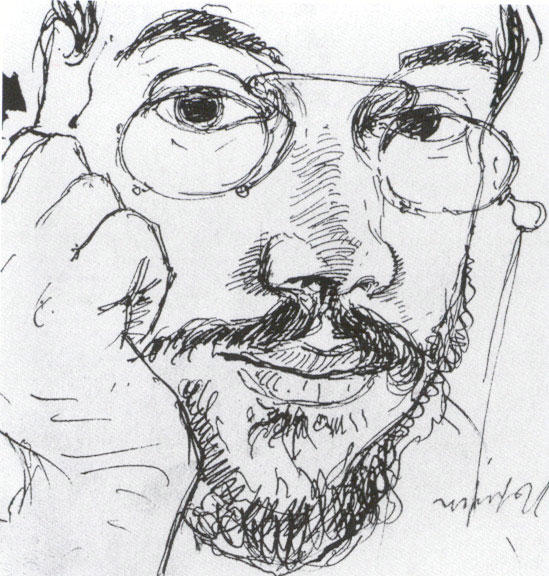
- Self-portrait
 Preview
 Заказать принт Купить цифровое изображение
 Поделиться
 Поделиться
 Детали произведения
 Добавить в избранное

 Скачать
 Похожие работы
 Рентгенография
 Слайд-шоу
Self-portrait


 Читать далее
Масляная репродукция ручной работы
Картина маслом на холсте в выбранном вами размере и раме, написанная на заказ нашими художниками.




































Выберите один из наших стандартных размеров, соответствующих оригинальным пропорциям произведения искусства.

Вы можете указать собственные размеры, чтобы картина идеально вписалась в выбранную раму или пространство. Если выбранный вами размер не соответствует пропорциям оригинала, мы либо обрежем полотно, либо расширим его за счет дополнительных элементов, написанных вручную. Цифровой макет будет отправлен вам на утверждение перед началом производства.
Обратите внимание, что предварительный просмотр на экране не отражает фактическую обрезку или расширение. Только макет точно покажет окончательную композицию.
Хотя доступны индивидуальные размеры, мы рекомендуем выбирать вариант из предопределенного списка, чтобы сохранить исходные пропорции.
После оформления заказа команда OriginalUniqueArt.com свяжется с клиентом по электронной почте для уточнения деталей и предоставит предварительный макет
Доставка по всему миру () за 3–4 недели вместо стандартных 5 недель. (23 Июль). Без компромиссов в качестве.

Бесплатная экспресс-доставка по всему миру

Высококачественный льняной холст

Полное страхование доставки

Гарантия возмещения таможенных пошлин

Гарантия точного соответствия цветов

Политика возврата в течение 60 дней (только при наличии дефектов)

Гарантия возврата 100% средств

Предложение оптовых скидок
 Вариант со стеклом доступен только для размеров менее 110 см

Self-portrait
Техника репродукции
Размер репродукции
-


Итоговая стоимость
-
Биография художника
Early Life and Artistic Roots
Alexandre Nikolayevich Benois, born on May 4th, 1870, in the vibrant cultural heart of St. Petersburg, Russia, was immersed in an environment rich with artistic legacy from his earliest days. His family—the Benoises—represented a significant force within the Russian intelligentsia, tracing a lineage deeply rooted in architecture, painting, and intellectual discourse. His mother, Camilla (formerly Kavos), carried the influence of her aristocratic background, while his father, Nicholas Benois, was a respected architect celebrated for his elegant designs. Alexandre’s brothers, Albert and Leon, continued this artistic tradition, further enriching the family's creative tapestry. His sister, Maria, married Nikolai Tcherepnin, a prominent composer and conductor—a connection that would later prove invaluable to Benois’s career. Unlike many of his siblings who pursued formal artistic training with unwavering dedication, Alexandre initially charted a course toward law at Saint Petersburg Imperial University, seemingly destined for a life outside the realm of art itself. However, fate intervened with a pivotal encounter: while visiting Versailles in 1897, he captivated the attention of Sergei Diaghilev and Léon Bakst—two figures who were rapidly reshaping the landscape of Russian art and theatre. This chance meeting ignited a passion that would irrevocably alter the course of his life, drawing him away from legal studies and into the dynamic world of stage design and artistic innovation.The Founding of Mir Iskusstva and the Ballets Russes
The serendipitous meeting between Benois, Diaghilev, and Bakst marked the genesis of *Mir iskusstva* (World of Art), a magazine and artistic movement that would quickly become a cornerstone of early 20th-century Russian culture. Rejecting the prevailing academic traditions and the conservative aesthetic of the Peredvizhniki Society, *Mir iskusstva* championed individualism, innovation, and a synthesis of Western European influences with traditional Russian folk art. Benois’s role within this movement was crucial; he served as editor alongside Diaghilev, shaping its intellectual direction and fostering an atmosphere of experimentation and daring. The magazine rapidly gained notoriety for its bold critiques and its enthusiastic promotion of avant-garde artists—painters, sculptors, architects, writers, and designers—all united by a shared desire to break free from the constraints of established norms. Benois’s sharp intellect and discerning eye proved invaluable in curating *Mir iskusstva*'s content, ensuring it remained at the forefront of artistic discourse.Collaboration with Diaghilev: Redefining Ballet
The collaboration between Benois, Diaghilev, and Bakst culminated in the creation of the Ballets Russes—an international dance company that would revolutionize ballet performance as a dramatic art form. Benois’s contributions to the Ballets Russes were particularly significant; he served as scenic director, meticulously overseeing the design and construction of elaborate sets and costumes—works that transcended mere decoration and became integral components of the narrative being presented on stage. Productions like *Les Sylphides* (1909), *Giselle* (1910), and *Petrushka* (1911)—featuring groundbreaking scores by composers such as Debussy, Stravinsky, and Ravel—became instant classics, establishing a new standard for ballet design and profoundly influencing generations of artists. These productions were not simply spectacles; they were carefully constructed artistic statements that seamlessly integrated music, dance, visual art, and costume to create immersive theatrical experiences, transporting audiences to other worlds.Design Style and Notable Works
Benois’s aesthetic was characterized by a distinctive blend of Neo-Classicism, Art Nouveau elegance, and a deep appreciation for Russian history and folklore. His designs were renowned for their meticulous detail, refined lines, and evocative use of color and texture. He frequently drew inspiration from historical sources—particularly the late Baroque and Rococo periods—incorporating elements of aristocratic grandeur and courtly ritual into his stage settings. However, he never adhered rigidly to traditional styles; instead, he skillfully manipulated classical motifs to create a sense of both familiarity and novelty, injecting a vibrant energy into established forms. His illustrations for Pushkin’s poem *The Bronze Horseman* (1903) demonstrated his ability to capture both historical accuracy and poetic emotion—a skill that would later be reflected in his work with children's books. The “Alphabet in Pictures,” published in 1904, was a remarkable achievement—a beautifully illustrated primer that combined educational content with artistic sophistication, showcasing his versatility as an artist and educator.Later Years and Legacy
Following the Russian Revolution of 1917, Benois found himself in Paris, where he continued to work as a set designer, maintaining his commitment to artistic innovation. He was appointed curator of the gallery of Old Masters in the Hermitage Museum at Leningrad (now St. Petersburg) from 1918 to 1926, securing his brother’s Leonardo da Vinci painting *Madonna* for the museum—a testament to his scholarly pursuits and dedication to preserving Russian cultural heritage. He published his memoirs in two volumes in 1955, offering a fascinating glimpse into his life and artistic journey, sharing anecdotes and insights gleaned from a remarkable career. Benois's son, Nicola Alexandrovich Benois (Nikolai Benois), followed in his father’s footsteps, becoming a renowned opera designer. His nephew, Nikolai Albertovich Benois, married the celebrated soprano Maria Nikolaevna Kuznetsova. Alexandre Benois died on February 9th, 1960, leaving behind an extraordinary body of work that continues to inspire artists and captivate audiences worldwide. He remains a pivotal figure in the history of ballet design, a champion of artistic innovation, and a testament to the power of collaboration and vision—a true luminary of the Russian art world.
Александр Николаевич Бенойс
1870 - 1960 , Россия
Основные сведения
- Artistic Movement Or Style: Мир Искусства, Неоклассицизм
- Artists Or Movements Influenced By This Artist:
- БалетРусский
- Мир Искусства
- Artists Who Influenced This Artist:
- Серигей Дягилев
- Леон Бакст
- Date Of Birth: 4 мая 1870 г.
- Date Of Death: 9 февраля 1960 г.
- Full Name: Александр Николаевич Бенойс
- Nationality: Русский
- Notable Artworks:
- Бронзовый конь
- Букварь Бенойса
- Place Of Birth: Санкт-Петербург, Россия

