 Примерить в интерьере
 Отправить
 Поделиться
 Подробнее
 Руководство

 Скачать
 Похожие объекты
 Рентгенография
 Слайд-шоу
 Q&A
Q&A Статистика
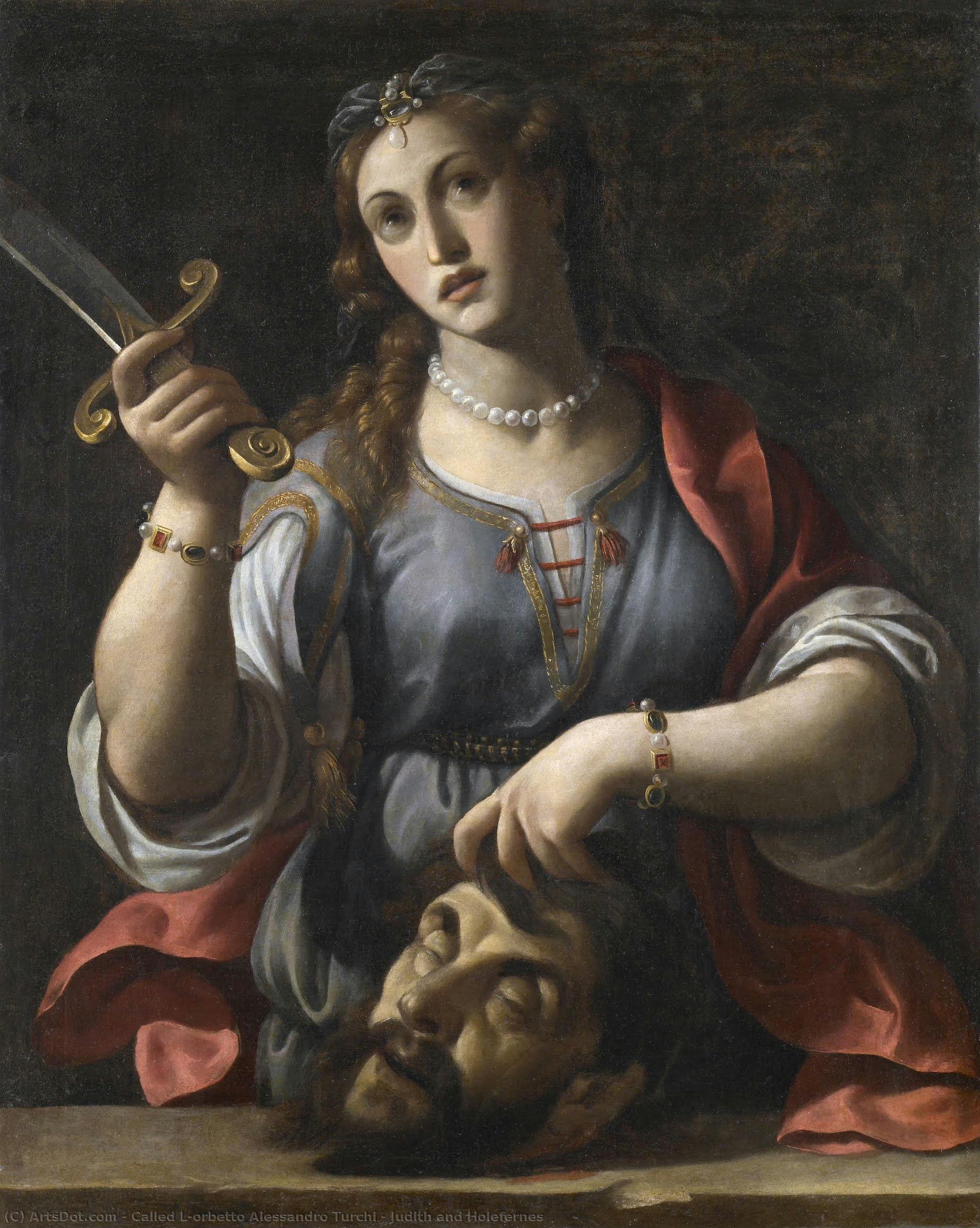
Judith and Holefernes


 Развернуть текст
Жикле / Арт-принты
Печать (жикле) или холст музейного качества с быстрыми сроками изготовления и широким выбором вариантов отделки. ( Заказать репродукцию ручной работы Перейти к цифровым изображениям)




P118B $10

P118H $10

P118W $10

P438Z $10

P508JH $12

P508YH $12

P805H $10

P805Z $10

P919BZ $10

P919G $10

P919XJ $10

P959ZH $10

P968JZ $12

W106C $8

W218G $10

W218JH $8

W218Y $10

W307PJ $10

W316G $10

W316PJ $8

W316Y $10

W398PJ $8

W4111J $10

W500HY $15

W500JH $15

W692G $12

W849H $8

W940BG $15

W953PJ $8




Выберите один из наших стандартных размеров, соответствующих оригинальным пропорциям произведения искусства.

Введите необходимую ширину и высоту, чтобы репродукция подошла к вашей раме или стене. При печати изображение можно только уменьшить, но нельзя увеличить больше оригинала, поэтому при выборе другого формата часть изображения может быть обрезана. Перед печатью мы отправим вам цифровой макет на утверждение. Изображение на этой странице не отображает реальную обрезку — ее можно увидеть только на макете.
Доставка по всему миру () за 2 недели вместо стандартных 4–5 недель. (1 Ноябрь)

Бесплатная экспресс-доставка по всему миру

Высококачественный льняной холст

Полное страхование при транспортировке

Гарантия возврата таможенных пошлин

Гарантия точного цветового соответствия

100-дневный период возврата (только при обнаружении дефектов)

Гарантия возврата 100% средств

Скидка при заказе нескольких работ
 Вариант со стеклом доступен только для размеров менее 110 см

Judith and Holefernes
Жикле / Арт-принты
Размер репродукции
-


Итоговая стоимость
$ 80
A Masterpiece of Baroque Tension
In the shadowy corridors of art history, few moments capture the visceral intersection of violence and virtue as poignantly as Alessandro Turchi’s Judith and Holofernes. Painted around 1605, this monumental oil on canvas serves as a breathtaking window into the Roman Baroque era, a period defined by its theatricality and profound psychological depth. The scene depicts the climactic biblical moment where Judith, a Jewish heroine of unparalleled courage, executes the Assyrian king Holofernes to save her people from oppression. Turchi does not merely record a historical or religious event; he invites the viewer into a space of intense emotional confrontation, where the air feels heavy with the scent of iron and the weight of divine retribution.
The composition is masterfully anchored by Judith herself, whose presence dominates the foreground with an almost chilling composure. Clad in opulent fabrics—a pristine white blouse accented by crimson trim and draped in a flowing blue garment—she stands as a beacon of light against an indistinct, dark background. This use of chiaroscuro, the dramatic interplay between light and shadow, is a hallmark of Turchi’s style, drawing the eye irresistibly toward the central drama. As she holds aloft the severed head of her enemy, her expression remains remarkably steady, blending a sense of solemn duty with an unwavering resolve that transcends simple vengeance.
Technique and the Language of Light
To gaze upon this work is to witness the technical prowess of a Veronese master. Turchi employs a sophisticated layered oil painting technique, building up textures that make the tactile world of the painting feel palpable. One can almost feel the smoothness of the pearls adorning Judith’s neck and the heavy, luxurious folds of her drapery. The artist’s brushstrokes are deliberate and precise, used to render the gruesome reality of Holofernes’s demise with a realism that is both unsettling and beautiful. This balance between the grotesque and the graceful is what elevates the piece from a mere narrative illustration to a high-art triumph.
The lighting in the piece acts as a silent narrator, originating from above to cast dramatic shadows that define the contours of the figures and create a profound sense of volume. This light does more than illuminate; it sanctifies the act of resistance, casting Judith in a heroic glow while leaving the fallen king in the encroaching darkness of death. For collectors and interior designers, such a piece offers more than just visual interest; it provides a focal point of immense character, capable of anchoring a room with its sophisticated palette and commanding presence.
Symbolism and Lasting Emotional Resonance
Beyond the immediate shock of the decapitation, Judith and Holofernes is a rich tapestry of symbolic meaning. The severed head serves as a potent emblem of mortality and the inevitable defeat of tyranny, while Judith herself embodies the triumph of faith and justice over brute force. The jewelry and fine clothing she wears are not merely decorative; they represent the dignity of her cause and the grandeur of the moment, suggesting that even in the midst of carnage, there is a divine order being restored.
For those seeking to surround themselves with art that provokes thought and stirs the soul, Turchi’s vision offers an unparalleled experience. A high-quality reproduction of this work allows the drama of the Baroque to inhabit modern spaces, bringing a sense of history, gravity, and timeless elegance to any collection. It is a piece that demands attention, inviting continuous re-examination of its themes of courage, sacrifice, and the enduring struggle between light and shadow.
Вопросы и ответы
Позволяет ли авторское право на «Judith and Holefernes», Alessandro Turchi делать репродукции?
Оригинал произведения «Judith and Holefernes» находится в Fondazione Brescia Musei, и работа является является общественным достоянием — срок действия авторского права истек.
Насколько насыщенны цвета в «Judith and Holefernes», Alessandro Turchi?
Насыщенность цветов в работе «Judith and Holefernes» составляет Monochromatic. Насыщенность описывает, насколько выраженными кажутся цвета.
Насколько выражен контраст в работе «Judith and Holefernes», Alessandro Turchi?
В работе «Judith and Holefernes», Alessandro Turchi наблюдается Balanced контраст между светлыми и темными участками.
Биография художника
A Veronese Master in the Roman Baroque: The Life and Art of Alessandro Turchi
Alessandro Turchi, affectionately known as “L’Orbetto” – the little urchin – was a pivotal figure bridging the late Mannerist traditions of Verona with the burgeoning drama of the early Roman Baroque. Born in 1578 into a Verona touched by artistic fervor, Turchi's journey reflects a fascinating interplay between regional styles and the magnetic pull of Rome’s artistic innovations. His initial training under Felice Riccio (il Brusasorci), a prominent Veronese painter, laid a solid foundation in technique and composition. This apprenticeship instilled within him a meticulous approach to form and a sensitivity to color that would characterize his early works. By 1603, Turchi had established himself as an independent artist, quickly gaining recognition for his emerging talent. A significant early commission – the organ shutters for the Accademia Filarmonica of Verona (1606-1609) – demonstrated not only his technical skill but also his versatility in handling large-scale decorative projects. This period solidified his position within the Veronese art scene, preparing him for a broader artistic horizon.Early Years and Artistic Foundations in Verona
Alessandro Turchi was born in Verona in 1578, a city renowned throughout Italy for its rich artistic heritage. His father, a skilled craftsman, became blind later in life, earning him the affectionate nickname “L’Orbetto” – the little urchin. This humble beginning belied the extraordinary talent that would blossom within him. Turchi's early artistic education began under the tutelage of Felice Riccio, also known as *il Brusasorci*, a highly respected Veronese painter and a master of Mannerist style. Riccio’s influence instilled in Turchi a deep understanding of composition, perspective, and the meticulous rendering of form – qualities that would become hallmarks of his later work. Riccio's workshop provided Turchi with invaluable experience in executing intricate details and mastering the subtle nuances of color. He learned to balance classical ideals with a distinctly Veronese sensibility, creating works that were both elegant and emotionally resonant. By 1603, Turchi had confidently established himself as an independent artist, quickly gaining recognition for his burgeoning talent and demonstrating a remarkable ability to adapt and innovate within the established artistic landscape of Verona.A Turning Point: The Legacy of Felice Riccio
The death of Felice Riccio in 1605 proved a pivotal moment in Turchi’s career. Recognizing the need to continue his master's work and maintain the artistic reputation of the studio, Turchi, alongside Pasquale Ottino, stepped forward to complete several unfinished canvases left behind by their mentor. This collaborative effort wasn’t merely about finishing existing works; it was a crucial period of learning and refinement, allowing Turchi to absorb Riccio's stylistic nuances while simultaneously developing his own unique voice. The task demanded not only technical skill but also an understanding of the artistic intentions behind each piece, forging a deep connection between master and student. This experience honed Turchi’s ability to interpret complex commissions and translate them into compelling visual narratives. Furthermore, this period solidified his position within the Veronese art scene, preparing him for a broader artistic horizon beyond the confines of his hometown.Rome Beckons: A New Artistic Landscape
Driven by ambition and a desire to immerse himself in the heart of artistic innovation, Turchi embarked on a transformative journey to Rome in 1616. The Eternal City was then experiencing a vibrant renaissance of art and culture, fueled by papal patronage and fierce competition among artists. Turchi quickly became immersed in this dynamic environment, absorbing the latest trends and techniques while establishing himself as a respected figure within the Roman artistic community. His involvement in the fresco decoration of the Sala Reggia at the Quirinal Palace – depicting the Gathering of Manna – marked his arrival on the Roman stage with a monumental work that showcased his growing mastery of scale and dramatic composition. This commission brought him into contact with leading artists of the day, including Carlo Saraceni and Pietro da Cortona, exposing him to their innovative approaches and further expanding his artistic repertoire.A Synthesis of Styles: Caravaggism and Grace
Turchi’s artistic style is remarkably distinctive – a compelling blend of softness and dramatic intensity. While deeply influenced by the works of Felice Riccio and Carlo Cagliari, he didn't simply imitate their styles. Instead, he forged a unique path that set him apart from his contemporaries. The influence of Caravaggio is undeniable; Turchi masterfully employed *chiaroscuro* – the dramatic use of light and shadow – to create a sense of theatricality and emotional depth in his paintings. However, unlike some of Caravaggio’s more starkly realistic depictions, Turchi tempered this intensity with a lyrical grace and a refined sensitivity to color. His figures possess a sculptural quality, yet they are imbued with a gentle humanity that softens the dramatic impact. This ability to balance these seemingly opposing forces – drama and delicacy – is what defines his artistic signature. He frequently employed black marble as a background in his historical scenes, creating a striking contrast that further enhanced the emotional power of his compositions. His works often feature a sense of quiet contemplation alongside moments of intense emotion, reflecting a nuanced understanding of human psychology.Legacy and Recognition: A Prince of the Roman Art World
Throughout his career, Alessandro Turchi wasn’t only an accomplished painter but also a dedicated mentor. He generously shared his knowledge and expertise with promising young artists, including Giovanni Ceschini and Giovanni Battista Rossi (il Gobbino), both of whom went on to establish successful careers in Verona. His professional standing continued to ascend; in 1637, he was elected “principe” – director – of the Accademia di San Luca, a testament to his leadership and artistic authority within the Roman art world. A year later, in 1638, he joined the prestigious Papal Guild of Artists, known as the Pontifical Academy of Fine Arts and Letters of the Virtuosi al Pantheon, further solidifying his position among Rome’s elite artists. Turchi's contributions to early Baroque painting are now recognized for their skillful blending of dramatic intensity with a gentle aesthetic sensibility. His compelling religious and historical works continue to captivate viewers, offering a glimpse into the artistic ferment of 17th-century Italy. He left behind a legacy not only through his paintings but also through the artists he inspired, ensuring that his unique vision would endure for generations to come. *His work remains a testament to the power of artistic synthesis and the enduring appeal of beauty tempered with drama.*
Alessandro Turchi
1578 - 1649 , Италия
Краткая справка
- Artistic Movement Or Style: Ранний барокко
- Artists Or Movements Influenced By This Artist:
- Иоганн Чешчини
- Иоганн Б. Росси
- Artists Who Influenced This Artist:
- Феличе Риччо
- Карло Кальяри
- Date Of Birth: 1578
- Date Of Death: 1649
- Full Name: Alessandro Turchi
- Nationality: Итальянский
- Notable Artworks:
- Спасенье
- Христос, Магдалина и ангелы
- Place Of Birth: Верона, Италия
Похожие статьи

Chiaroscuro & Emotion: Capturing the Dramatic Soul of Baroque Art
Explore the profound drama of Baroque art. Discover how masters used chiaroscuro and intense emotion to capture the soul of the 17th century through light, shadow, and spiritual grandeur in this expert art history guide.

The Visceral Stage: Exploring Dramatic Narratives & Emotional Intensity in Baroque Art
Explore the dramatic world of Baroque art! Discover iconic masters like Caravaggio & Rembrandt, their techniques, and the movement's lasting impact. Expert insights for collectors & enthusiasts at OriginalUniqueArt.

The Dramatic Flourish: Exploring the Baroque Movement's Enduring Legacy in Art History
Explore the dramatic world of Baroque art! Discover iconic artists like Caravaggio & Rubens, defining techniques, and its lasting impact on art history. Expert insights for collectors & enthusiasts at OriginalUniqueArt.

10 Шедевров Барокко: Искусство, изменившее мир | OriginalUniqueArt.com
Погрузитесь в мир барокко! 10 шедевров Караваджо, Рембрандта и других великих художников. Узнайте историю создания культовых картин и найдите идеальную репродукцию для вашего интерьера на OriginalUniqueArt.com

Барочная драма: Искусство величия в современном интерьере
Погрузитесь в мир роскоши и величия барокко! Узнайте об истории стиля, ключевых элементах интерьера и архитектуре. Вдохновляйтесь с и создайте свой неповторимый дизайн.

