Примерить в интерьере
 Отправить
 Поделиться
 Подробнее
 Руководство

 Скачать
 Похожие объекты
 Рентгенография
 Слайд-шоу
 Q&A
Q&A Статистика
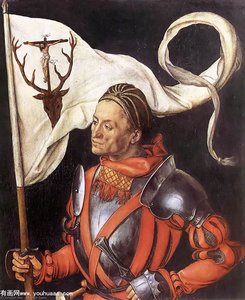
Crucifixion

- 133.0 x 98.0 cm


 Развернуть текст
Жикле / Арт-принты
Печать (жикле) или холст музейного качества с быстрыми сроками изготовления и широким выбором вариантов отделки. ( Заказать репродукцию ручной работы Перейти к цифровым изображениям)




P118B $10

P118H $10

P118W $10

P438Z $10

P508JH $12

P508YH $12

P805H $10

P805Z $10

P919BZ $10

P919G $10

P919XJ $10

P959ZH $10

P968JZ $12

W106C $8

W218G $10

W218JH $8

W218Y $10

W307PJ $10

W316G $10

W316PJ $8

W316Y $10

W398PJ $8

W4111J $10

W500HY $15

W500JH $15

W692G $12

W849H $8

W940BG $15

W953PJ $8




Выберите один из наших стандартных размеров, соответствующих оригинальным пропорциям произведения искусства.

Введите необходимую ширину и высоту, чтобы репродукция подошла к вашей раме или стене. При печати изображение можно только уменьшить, но нельзя увеличить больше оригинала, поэтому при выборе другого формата часть изображения может быть обрезана. Перед печатью мы отправим вам цифровой макет на утверждение. Изображение на этой странице не отображает реальную обрезку — ее можно увидеть только на макете.
Доставка по всему миру () за 2 недели вместо стандартных 4–5 недель. (1 Ноябрь)

Бесплатная экспресс-доставка по всему миру

Высококачественный льняной холст

Полное страхование при транспортировке

Гарантия возврата таможенных пошлин

Гарантия точного цветового соответствия

100-дневный период возврата (только при обнаружении дефектов)

Гарантия возврата 100% средств

Скидка при заказе нескольких работ
 Вариант со стеклом доступен только для размеров менее 110 см

Crucifixion
Жикле / Арт-принты
Размер репродукции
-


Итоговая стоимость
$ 80
A Testament to Faith: Examining Albrecht Dürer’s Crucifixion
The engraving “Crucifixion,” created by Albrecht Dürer in 1508, stands as an enduring emblem of Renaissance artistic achievement and a profound meditation on Christian faith. More than just a depiction of biblical narrative, it's a masterful demonstration of meticulous observation, technical prowess, and symbolic resonance—elements that continue to captivate audiences centuries later. Produced during the height of Dürer’s prolific output, this work exemplifies his unwavering commitment to realism combined with an intellectual understanding of artistic principles.Composition and Technique: Mastering Line
Dürer's genius resided in his unparalleled command of engraving technique—specifically hatching and cross-hatching—methods he honed during his apprenticeship under Michael Wolgemut. The artist painstakingly etched lines onto a copper plate, creating a surface riddled with minuscule indentations that would transfer ink onto paper during printing. This process demanded immense patience and precision, resulting in an image characterized by astonishing textural detail. The pyramidal composition directs the viewer’s gaze upwards towards Christ's crucified body, anchoring the scene while simultaneously conveying a sense of solemn grandeur. Diagonal lines emanating from figures contribute to dynamism, mirroring the emotional turmoil surrounding the event. Notice how Dürer utilizes hatching—parallel lines closely spaced—to sculpt shadows and delineate forms with remarkable accuracy; cross-hatching builds upon this foundation, deepening tonal values and enhancing the illusion of volume.Historical Context: Renaissance Piety and Artistic Innovation
“Crucifixion” emerged from a period marked by fervent religious devotion within Europe’s burgeoning Renaissance. The Catholic Church exerted considerable influence on artistic endeavors, commissioning works intended to inspire piety and communicate theological truths. However, Dürer wasn't merely fulfilling a commission; he was pushing the boundaries of artistic innovation. He consciously sought to elevate engraving beyond its reputation for mere illustration, demonstrating its capacity for conveying complex emotions and achieving unparalleled visual realism—a departure from earlier woodcuts that prioritized decorative elements over anatomical accuracy. The artwork reflects the humanist ideals prevalent at the time, emphasizing human dignity and striving for intellectual understanding alongside spiritual contemplation.Symbolism: Sacrifice and Redemption
The Crucifixion itself carries immense symbolic weight within Christian iconography. Christ’s posture—elongated and vulnerable—represents sacrifice and acceptance of divine suffering. Surrounding figures express grief and sorrow, embodying the universal human experience of loss and mourning. The landscape backdrop—a stylized depiction of Jerusalem—adds a sense of timelessness and reinforces the biblical narrative's significance. Dürer skillfully employs visual cues to communicate these ideas, inviting viewers to engage in contemplation about faith, morality, and the promise of salvation.Emotional Impact: A Moment Frozen in Time
“Crucifixion” transcends its formal qualities to evoke a powerful emotional response. The stark grayscale palette amplifies the scene’s solemnity, mirroring the gravity of the depicted event. Dürer's meticulous rendering of anatomical detail—particularly Christ’s musculature and drapery—creates an unsettling realism that compels viewers to confront the physicality of suffering. Yet, amidst this depiction of pain, there is also a palpable sense of reverence and compassion. The engraving serves as a poignant reminder of humanity’s capacity for empathy and its enduring quest for spiritual meaning—a legacy that continues to resonate with audiences today.Вопросы и ответы
Какому художнику приписывают работу «Crucifixion»?
«Crucifixion» был создан Альбрехт Дюрер. Информация на этой странице описывает оригинальную работу Альбрехт Дюрер.
Какое место занимает «Crucifixion» в творческом наследии Альбрехт Дюрер?
«Crucifixion» разделяет с другими работами Альбрехт Дюрер характерный стиль Northern Renaissance и повторяющиеся темы: german renaissance tradition, christian symbolism, humanist idealism, symbolic representation, artistic mastery.
Для какой комнаты рекомендуется «Crucifixion», Альбрехт Дюрер?
Для работы «Crucifixion», Альбрехт Дюрер рекомендуется Living Room. Это предложение основано на сюжете, цветовой гамме и настроении произведения.
Биография художника
A Life Forged in Nuremberg: The Early Years and Apprenticeship
Albrecht Dürer, a name synonymous with the German Renaissance, emerged from the bustling artisan city of Nuremberg in 1471. His father, Albrecht Dürer the Elder, was a successful goldsmith who had immigrated from Hungary, bringing with him a lineage steeped in craftsmanship. It was within this environment—the scent of metal and the meticulous precision of handiwork—that young Albrecht’s artistic inclinations first took root. Though his father envisioned a similar path for him, apprenticing him initially in the family trade, it soon became undeniable that Albrecht possessed an exceptional gift for drawing. At thirteen, he transitioned to the workshop of Michael Wolgemut, Nuremberg's leading artist at the time. This was no mere technical training; it was immersion into a world of illuminated manuscripts, painted panels, and—crucially—the burgeoning art of woodcut illustration. The sheer volume of work produced by Wolgemut’s workshop, including the extensive illustrations for the *Nuremberg Chronicle*, provided Dürer with an unparalleled foundation in design, composition, and the mechanics of image-making. A remarkable silverpoint self-portrait from 1484, created when he was barely a teenager, stands as astonishing evidence of his precocious talent—a testament to a burgeoning artistic identity already taking shape. This early work demonstrated not only technical skill but also a nascent desire to capture the essence of human form and emotion, foreshadowing the profound impact he would later have on European art.The Italian Influence and Artistic Maturation
Dürer’s ambition extended far beyond the confines of Nuremberg. Driven by an insatiable curiosity and a desire to master the art of painting, he embarked on his first journey to Italy in 1494. This was not simply a sightseeing trip; it was a pilgrimage to the heart of the Renaissance. He encountered the works of masters like Raphael, Giovanni Bellini, and Leonardo da Vinci—artists who were redefining the possibilities of form, perspective, and human expression. The impact of this exposure was profound. Dürer absorbed the classical motifs, harmonious compositions, and subtle sfumato techniques that characterized Italian art, yet he never abandoned his Northern European sensibility for meticulous detail and symbolic depth. He studied the grandeur of Rome’s ancient ruins, marveling at the remnants of a civilization that had mastered proportion and harmony. This journey ignited within him a desire to synthesize the best elements of both Northern and Southern artistic traditions, creating a style uniquely his own. A second sojourn to Italy between 1505 and 1507 further solidified these influences, allowing him to refine his understanding of anatomy and proportion through direct observation and study. This synthesis of Northern precision and Italian grace became the hallmark of Dürer’s unique artistic style—a testament to his intellectual curiosity and artistic ambition.Mastering the Mediums: Painting, Engraving, and Woodcut
Dürer was a master of multiple mediums, each offering him distinct avenues for creative expression. His paintings, though fewer in number than his prints, demonstrate a remarkable command of oil paint and an ability to capture both physical likeness and psychological depth. Works like the *Feast of the Rose Garlands* (1507) reveal a vibrant palette influenced by Venetian colorism—bold hues and shimmering effects that evoke a sense of festive celebration. However, it was in the realm of printmaking—particularly engraving and woodcut—that Dürer truly revolutionized artistic practice. He elevated these techniques from mere reproductive methods to independent art forms, capable of conveying complex narratives and profound emotions. The *Apocalypse* series (1498), a collection of fourteen woodcuts illustrating the Book of Revelation, showcased his mastery of this medium despite its inherent limitations—the intricate detail and dramatic compositions demanded extraordinary skill and patience. Later engravings like *Melencolia I* (1514) and *Saint Jerome in His Study* (1514) are testaments to his unparalleled skill—intricate compositions filled with symbolic meaning and executed with breathtaking precision. He didn’t just depict reality; he imbued it with layers of intellectual and spiritual significance, transforming the printed image into a powerful vehicle for communication and contemplation.A Theorist and Innovator: The Legacy of Albrecht Dürer
Dürer was not merely an artist; he was a scholar, a theorist, and an innovator who sought to understand the underlying principles governing artistic creation. He believed in the mathematical foundations of art and dedicated himself to establishing a scientific approach to representation. His treatises on geometry, proportion, and human anatomy—most notably *Four Books of Human Proportion* (1528)—were groundbreaking for their time, demonstrating his commitment to rigorous observation and rational analysis. These writings were not simply academic exercises; they were intended to elevate the status of artists from mere craftsmen to intellectual practitioners. Dürer’s meticulous studies of human anatomy, combined with his understanding of perspective and proportion, allowed him to create images that were both visually stunning and intellectually stimulating. His work influenced generations of artists, shaping the course of European art for centuries to come. He demonstrated that art could be both technically masterful and intellectually rigorous—a legacy that continues to inspire artists and scholars alike. He remains, to this day, one of the most important figures in the history of Western art.Influences and Enduring Impact
- Michael Wolgemut: Dürer’s initial mentor, providing foundational skills in drawing, painting, and woodcut techniques.
- Leonardo da Vinci: Inspired Dürer’s exploration of anatomy, perspective, and sfumato—the subtle blending of tones.
- Raphael: Influenced Dürer’s compositional harmony and idealized forms.
- Giovanni Bellini: Contributed to Dürer's understanding of color and Venetian painting traditions.
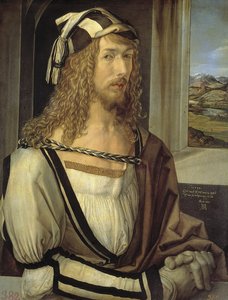
Альбрехт Дюрер
1471 - 1528 , Германия
Краткая справка
- Artistic Movement Or Style: Немецкий Ренессанс
- Artists Or Movements Influenced By This Artist:
- Северный Ренессанс
- Венская школа
- Artists Who Influenced This Artist:
- Леонардо да Винчи
- Рафаэль
- Джотто
- Date Of Birth: 21 мая 1471 г.
- Date Of Death: 6 апреля 1528 г.
- Full Name: Альбрехт Дюрер
- Nationality: Немецкий
- Notable Artworks:
- Апокалипсис
- Меланхолия I
- Святой Иосиф в его кабинете
- Place Of Birth: Нюрнберг, Германия