() ·

Картина, созданная вручную специально для вас

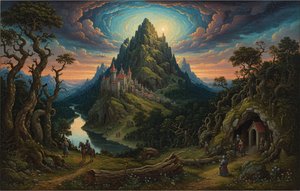
Landscape

Масляная репродукция ручной работы

Картина маслом на холсте в выбранном вами размере и раме, написанная на заказ нашими художниками. ( Перейти к печатным копиям Перейти к цифровым изображениям)

Описание предмета коллекционирования

Explore Albrecht Altdorfer’s monochrome engravings – masterful Mannerist landscapes featuring expressive lines & layered compositions. Discover serene scenes of mountains & forests.

Биография художника

Альбрехт Альтдорфер (1480-1538) – немецкий художник, новатор пейзажа Ренессанса. Его работы – это мощные эмоции и захватывающие дух виды природы, отражающие духовный опыт.

от ·

Глава 1

Какой размер выбрать?

Передвигайте ползунок, чтобы изменить размер; на изображении слева показана реальная ширина рамы. Пропорции оригинала сохраняются.

Стандартный размер
на заказ
CM
INCH

Выберите один из наших стандартных размеров, соответствующих оригинальным пропорциям произведения искусства.

ширина
высота

Введите необходимую ширину и высоту, чтобы репродукция подошла к вашей раме или стене. Поскольку работа выполняется вручную, при изменении пропорций художник может немного увеличить область вокруг картины или, наоборот, обрезать края — выбор за вами. Перед началом работы мы пришлем вам цифровой макет на утверждение. Изображение на этой странице не является точным результатом — увидеть реальный вид можно только на макете.

Глава 2

В каком виде вы хотите получить заказ?

Выберите тип обработки краев холста

Выберите свою раму

Corner sample of the WhiteWrap canvas edge finish, stretched on массив дерева bars
Белый торцевой край $1
Corner sample of the BlurSideWrap canvas edge finish, stretched on массив дерева bars
Размытый край $1
Corner sample of the ExtendedWrap canvas edge finish, stretched on массив дерева bars
С продолжением изображения $1
Corner sample of the P118B picture frame: формованный полистирол, 5 cm wide and 3 cm thick
P118B $10
Corner sample of the P118H picture frame: формованный полистирол, 5 cm wide and 3 cm thick
P118H $10
Corner sample of the P118W picture frame: формованный полистирол, 5 cm wide and 3 cm thick
P118W $10
Corner sample of the P438Z picture frame: формованный полистирол, 5.5 cm wide and 3.5 cm thick
P438Z $10
Corner sample of the P508JH picture frame: формованный полистирол, 7 cm wide and 3.5 cm thick
P508JH $12
Corner sample of the P508YH picture frame: формованный полистирол, 7 cm wide and 3.5 cm thick
P508YH $12
Corner sample of the P805H picture frame: формованный полистирол, 5 cm wide and 3.5 cm thick
P805H $10
Corner sample of the P805Z picture frame: формованный полистирол, 5 cm wide and 3.5 cm thick
P805Z $10
Corner sample of the P919BZ picture frame: формованный полистирол, 7 cm wide and 3.5 cm thick
P919BZ $10
Corner sample of the P919G picture frame: формованный полистирол, 7 cm wide and 3.5 cm thick
P919G $10
Corner sample of the P919XJ picture frame: формованный полистирол, 7 cm wide and 3.5 cm thick
P919XJ $10
Corner sample of the P959ZH picture frame: формованный полистирол, 5 cm wide and 3 cm thick
P959ZH $10
Corner sample of the P968JZ picture frame: формованный полистирол, 6 cm wide and 4 cm thick
P968JZ $12
Corner sample of the W106C picture frame: массив дерева, 5 cm wide and 3 cm thick
W106C $8
Corner sample of the W218G picture frame: массив дерева, 5 cm wide and 3 cm thick
W218G $10
Corner sample of the W218JH picture frame: массив дерева, 5 cm wide and 3 cm thick
W218JH $8
Corner sample of the W218Y picture frame: массив дерева, 5 cm wide and 3 cm thick
W218Y $10
Corner sample of the W307PJ picture frame: массив дерева, 6 cm wide and 3 cm thick
W307PJ $10
Corner sample of the W316G picture frame: массив дерева, 6 cm wide and 3 cm thick
W316G $10
Corner sample of the W316PJ picture frame: массив дерева, 6 cm wide and 3 cm thick
W316PJ $8
Corner sample of the W316Y picture frame: массив дерева, 6 cm wide and 3 cm thick
W316Y $10
Corner sample of the W398PJ picture frame: массив дерева, 5 cm wide and 3 cm thick
W398PJ $8
Corner sample of the W4111J picture frame: массив дерева, 6.5 cm wide and 3.5 cm thick
W4111J $10
Corner sample of the W500HY picture frame: массив дерева, 7 cm wide and 5 cm thick
W500HY $15
Corner sample of the W500JH picture frame: массив дерева, 7 cm wide and 5 cm thick
W500JH $15
Corner sample of the W692G picture frame: массив дерева, 8 cm wide and 4 cm thick
W692G $12
Corner sample of the W849H picture frame: массив дерева, 5 cm wide and 3 cm thick
W849H $8
Corner sample of the W940BG picture frame: массив дерева, 7.5 cm wide and 4.5 cm thick
W940BG $15
Corner sample of the W953PJ picture frame: массив дерева, 6 cm wide and 3.5 cm thick
W953PJ $8
Corner sample of the H24-GOLD picture frame: резное дерево с левкасом, 10 cm wide and 6 cm thick
H24-GOLD $30
Corner sample of the H24-SILVER picture frame: резное дерево с левкасом, 10 cm wide and 6 cm thick
H24-SILVER $30
Corner sample of the H36-GOLD picture frame: резное дерево с левкасом, 15 cm wide and 6.5 cm thick
H36-GOLD $45
Corner sample of the H36-SILVER picture frame: резное дерево с левкасом, 15 cm wide and 6.5 cm thick
H36-SILVER $45

Багет: . Общий размер в раме: .

Глава 3

Кто является автором и стоит ли что-то изменить?

Примеры того, что можно изменить: заменить лицо фотографией клиента; добавить питомца (например, заменить кошку на собаку); добавить скрытое послание на задний план; изменить пейзаж или элементы фона.
После оформления заказа команда OriginalUniqueArt.com свяжется с клиентом по электронной почте для получения инструкций и предоставит предварительный макет

Доставка по всему миру () за 3–4 недели вместо стандартных 5 недель. (9 Ноябрь). Без компромиссов в качестве.

Глава 4

Последние штрихи

Табличка, как в музее?

Детали гравировки на бронзовой плакетке

This elegant plaque features the artist's name and the title of the artwork, finely engraved for a timeless presentation.

It is made from bronze with a refined, elegant finish. The text is precisely laser-engraved for a sharp and permanent result. Measuring 9x2 cm, the plaque is compact yet easy to read. It's built to be durable and scratch-resistant, offering a professional, museum-quality look. Mounting is simple thanks to the included adhesive backing.

Детали прозрачной акриловой таблички

The plaque includes essential engraved details such as the artist's name, the title of the artwork, the date it was created, the type of media used-like oil on canvas or watercolor-a brief description of the piece, and a QR code that links to the complete artwork information.

It is crafted from clear acrylic, offering a sleek, modern appearance. The text is UV-engraved in black to ensure strong visual contrast. With a size of 10x15 cm, it ensures optimal readability. It comes equipped with two metal hooks for secure wall mounting. The plaque is designed to be weather-resistant, making it suitable for various environments, and it includes interactive features that work seamlessly with smartphone scanning.

Информация о чёрной акриловой табличке

This elegant plaque includes engraved information such as the artist's name, the title of the artwork, the date it was created, the type of media used (like oil on canvas or watercolor), a short description of the artwork, and a QR code for quick access to more information.

The plaque itself is made from refined black acrylic with a premium finish. The text is laser-engraved in white for high contrast and readability. Its size is 10x15 cm, designed to be easy to read. It comes with two metal hooks for professional mounting. The design is sleek and fits any interior style. It is also weather-resistant and durable, with built-in digital integration for mobile compatibility.

Защитный лак?

Когда вам нужна доставка?

Глава 5

Ваша картина в соответствии с вашим заказом

Landscape

Техника репродукции

Размер репродукции

-

Выдающийся мастер высокого класса

Более высокая детализация, изысканность и дополнительное время на создание работы

-

Оформление репродукции

-

-

Для произведений искусства или репродукций, размер которых превышает 105 см (приблизительно 41 дюйм) по любой из сторон, рама будет доставлена в разобранном виде (в виде комплекта). Этот метод обеспечивает безопасную доставку и предотвращает повреждения при транспортировке.

Требуется профессиональная сборка — это не продукт для самостоятельной сборки (DIY).
Комплект должен быть собран, а холст натянут опытным мастером по багетным рамам с использованием клеевого ПВА (не входит в комплект), струбцин для натяжки холста и зажимов, чтобы удерживать подрамник ровным до полного высыхания клея. Неправильная сборка или неравномерное натяжение холста могут привести к необратимому повреждению произведения искусства и не являются гарантийным случаем.

  • В комплект входят все бруски из массива дерева, точно вырезанные по размеру.

  • Собирается с помощью предоставляемых винтов, а также столярного клея для угловых соединений, который не входит в комплект и должен быть приобретен вашим мастером.

  • Требуются профессиональные инструменты, не входящие в комплект: щипцы для натяжки холста (натяжитель) и зажимы, чтобы удерживать рейки ровно во время высыхания клея.

Важно:
Для соединения углов требуется клей для дерева, перекладины необходимо зафиксировать струбцинами до полного высыхания клея, а для натяжки холста на собранную раму требуются щипцы для натяжки холста. Ни один из этих инструментов не входит в комплект. Пожалуйста, убедитесь в наличии опытного мастера по багетным работам перед заказом рамы такого размера.

Этикетка

-

-

Защитный лак

Глянцевый лак (насыщает цвета, защищает от воздействия света и влаги)

-

Персонализация картины

Примеры возможных изменений: замена лица на фото клиента; добавление домашнего питомца (например, замена кошки на собаку); добавление скрытого сообщения на фоне; изменение пейзажа или элементов фона.

-

Экспресс-доставка

Доставка по всему миру () за 3–4 недели вместо стандартных 5 недель. (9 Ноябрь). Без компромиссов в качестве.

-

Экспресс-доставка

Доставка по всему миру () в течение 5 недель. (16 Ноябрь).

Включено в стоимость

Итоговая стоимость

$ 300

Итоговая стоимость $ 300

Вариант со стеклом доступен только для размеров менее 110 см

Включено в каждый заказ

  • Бесплатная экспресс-доставка по всему миру
  • Высококачественный льняной холст
  • Полное страхование при доставке
  • Гарантия возмещения таможенных пошлин
  • Гарантия точного цветового соответствия
  • 100-дневная гарантия возврата (только при обнаружении дефектов)
  • Гарантия возврата 100% средств
  • Скидка при оптовом заказе

Albrecht Altdorfer’s “Landscape with Two Pines”: A Pioneer of Pure Vision

Before the rise of Romanticism and its fervent celebration of nature, there existed a profound shift in European art – the emergence of landscape as an independent subject. Within this pivotal moment stands Albrecht Altdorfer (c. 1480-1538), a master of the Danube School, whose “Landscape with Two Pines” (circa 1521-22) isn’t merely a depiction of scenery; it's a declaration of artistic intent, a bold assertion that nature itself could be the primary focus of a painting. This remarkable work, now housed in the Cleveland Museum of Art, represents one of the earliest examples of a purely landscape composition in Western art – a watershed moment before which natural elements were typically relegated to supporting roles within religious or narrative scenes.

Altdorfer’s background profoundly shaped his artistic vision. Born and raised in Regensburg, a vibrant city situated on the Danube River, he was immersed in a landscape of rolling hills, dense forests, and meandering waterways – a setting that would become inextricably linked to his art. His father, Ulrich Altdorfer, a painter and miniaturist, instilled in him an appreciation for detail and craftsmanship, while the city’s bustling cultural environment exposed him to diverse artistic influences. This confluence of personal experience and artistic lineage fueled his desire to capture the essence of the natural world with unprecedented freedom and expressiveness.

A Mannerist Masterpiece: Line, Texture, and Atmospheric Depth

“Landscape with Two Pines” is a quintessential example of Altdorfer’s distinctive style – a potent blend of late Gothic sensibilities and emerging Renaissance ideals. Executed primarily in monochrome etching on iron, the work showcases his mastery of line as both form and emotion. The composition is dominated by elongated, sinuous lines that delineate trees, rocks, and the distant mountains, creating a sense of dynamic movement and unrestrained energy. These aren’t realistic renderings; rather, they are expressive gestures, imbued with a palpable vitality.

  • Line as Form: Altdorfer utilizes hatching and cross-hatching techniques to build up tonal variations and simulate texture – the rough bark of trees, the weathered surface of rocks, and the shimmering water.
  • Atmospheric Perspective: The artist employs a subtle sense of atmospheric perspective, with distant elements rendered in lighter tones and less detailed lines, creating an illusion of depth and recession into the landscape.
  • Expressive Distortion: Altdorfer deliberately distorts forms and proportions, embracing a Mannerist aesthetic characterized by elongated figures, exaggerated perspectives, and a heightened sense of drama. This isn’t about replicating reality; it's about conveying feeling and mood.

The choice of monochrome etching is particularly significant. It forces the viewer to focus on line and texture, intensifying the emotional impact of the scene. The lack of color amplifies the sense of solitude and contemplation, inviting a deeper engagement with the landscape’s inherent beauty.

Symbolism and the Human Connection to Nature

While “Landscape with Two Pines” is undeniably a pioneering work in its depiction of pure landscape, it also subtly hints at symbolic meaning. The two prominent pines, anchoring the composition, can be interpreted as symbols of resilience, endurance, and perhaps even spiritual fortitude. The solitary figure seated beneath one of the trees – a detail often overlooked – suggests a connection between humanity and nature, a moment of quiet contemplation amidst the vastness of the wilderness.

Altdorfer’s approach to landscape reflects a broader shift in artistic thinking during this period. He moved away from the traditional role of landscape as a mere backdrop for human drama, recognizing its intrinsic value as an independent subject worthy of artistic exploration. “Landscape with Two Pines” stands as a testament to his vision – a groundbreaking work that paved the way for future generations of landscape painters and forever altered the course of Western art.

A Legacy of Vision: Reproductions and Artistic Inspiration

Today, “Landscape with Two Pines” continues to captivate viewers with its raw energy, expressive power, and profound connection to nature. High-quality reproductions offer a remarkable opportunity to experience the work’s intricate details and atmospheric depth. Its influence can be seen in the works of later landscape painters, including Caspar David Friedrich, who further developed the Romantic tradition of celebrating the sublime beauty of the natural world. Whether admired as a historical masterpiece or simply appreciated for its aesthetic qualities, “Landscape with Two Pines” remains a powerful reminder of Albrecht Altdorfer’s visionary genius and his enduring contribution to the history of art.

Вопросы и ответы

Как работа «Landscape» соотносится с общим творчеством Альбрехт Альтдорфер?

«Landscape» разделяет с другими работами Альбрехт Альтдорфер характерный стиль Mannerist и повторяющиеся темы: renaissance landscape, danube school style, biblical narrative hints, early landscape pioneer, imperial court patronage, altdorfer's visionary", expressive line dominance, nature as spiritual force".

Какова яркость произведения «Landscape», Альбрехт Альтдорфер?

Цвета произведения «Landscape» обладают Bright Balance яркостью.

К какому художественному направлению и к какой эпохе относится «Landscape», Альбрехт Альтдорфер?

Произведение «Landscape», Альбрехт Альтдорфер относится к направлению Mannerist, созданное в эпоху — Эпоха Возрождения своего автора.

Подробнее об этой картине

Предпросмотр Предпросмотр в AR Перейти к печатным копиям Перейти к цифровым изображениям Поделиться
Детали произведения Руководство Добавить в избранное Скачать Похожие предметы Рентгенография Слайд-шоу Вопросы и ответы Статистика просмотров

В цифрах

  • 29доступные варианты рам
  • стандартные размеры, в их собственных пропорциях
  • 5недель на написание и доставку
Альбрехт Альтдорфер

Альбрехт Альтдорфер

1480 - 1538, Германия

Краткая информация об авторе: Альбрехт Альтдорфер

  • Artistic Movement Or Style: Данновская школа, Ренессанс
  • Artists Or Movements Influenced By This Artist: ['Немецкий романтизм']
  • Artists Who Influenced This Artist:
    • Джорджоне
    • Лукас Кранх
    • Альбрехт Дюрер
  • Date Of Birth: ок. 1480 г.
  • Date Of Death: 1538 г.
  • Full Name: Albrecht Altdorfer
  • Nationality: Немецкий
  • Notable Artworks: ['Битва Александра при Иссе", "Большое сосна", "Святой Георг и дракон']
  • Place Of Birth: Рейгенсбург, Германия

Биография художника

Albrecht Altdorfer: The Pioneer of German Landscape

Albrecht Altdorfer, born around 1480 in the vibrant city of Regensburg on the banks of the Danube River, stands as a truly remarkable figure – a bridge between the late Gothic era and the burgeoning artistic spirit of the German Renaissance. He wasn’t merely an artist *of* his time; he fundamentally reshaped it, particularly through his groundbreaking exploration of landscape painting. His origins were deeply rooted in a family steeped in artistic tradition: his father, Ulrich Altdorfer, was himself a painter and miniaturist, providing Albrecht with an early immersion into the world of art. This familial legacy, combined with Regensburg’s position as a thriving center of trade and culture – a free imperial city strategically located on the Danube – fostered within him a unique artistic sensibility, a profound connection to the natural world that would become the cornerstone of his distinctive style. Beyond his artistic pursuits, Altdorfer was also a man of civic responsibility, serving not only as an artist but also as a town architect and a respected member of Regensburg’s council – a testament to his diverse talents and multifaceted personality. His legacy rests primarily on his early engravings and drawings from around 1506, such as *Stygmata of St. Francis* and *St. Jerome*, which offered tantalizing glimpses into the emotional intensity and meticulous detail that would define his mature work.

The Danube School: A Revolutionary Approach to Nature

Altdorfer’s most significant contribution to art history lies in his membership within the influential Danube School, a collective of artists active primarily during the early 16th century in southern Germany. This group shared a common passion – an intense fascination with capturing the expressive potential of landscape, elevating it from its traditional role as mere background to become a central and vital subject in its own right. Prior to Altdorfer’s arrival on the scene, landscapes were largely relegated to serving as settings for religious or historical narratives; he dared to depict nature *for itself*, imbuing it with atmosphere, emotion, and a profound sense of presence. A pivotal moment in his artistic development occurred around 1511 when Altdorfer embarked on a transformative journey down the Danube River and into the majestic Alps. The dramatic vistas – towering mountains, dense forests, and expansive valleys – ignited within him an unquenchable desire to translate these experiences onto canvas, capturing not just what he saw but also *how* it felt to be immersed in such breathtaking beauty. This marked a radical shift; Altdorfer became, arguably, the first modern landscape painter, prioritizing emotional response over strict topographical accuracy – conveying the awe, mystery, and even spiritual connection evoked by the natural world. His work, exemplified by pieces like “The Large Spruce,” demonstrates this shift brilliantly, offering a serene and intricately detailed depiction of nature’s beauty that transcends simple representation.

Masterpieces and Artistic Influences: A Synthesis of Styles

Throughout his prolific career, Altdorfer produced an astonishingly diverse body of work encompassing paintings, engravings, drawings, and even architectural designs. Among the most celebrated achievements of his oeuvre is *The Battle of Alexander at Issus* (1529), a monumental painting commissioned by Duke William IV of Bavaria. This epic artwork showcases not only Altdorfer’s exceptional mastery of composition, perspective, and detail but also his innovative use of landscape to heighten the dramatic tension and visceral impact of the battle scene itself. The swirling clouds, jagged mountain peaks, and chaotic melee of soldiers create a sense of overwhelming energy, dynamism, and almost apocalyptic grandeur. His collaboration with Emperor Maximilian I in Innsbruck from 1513 further broadened his artistic horizons, providing him with opportunities to undertake large-scale projects that showcased his versatility and ambition. Altdorfer’s artistic style wasn't born in isolation; he was deeply influenced by a range of artists and movements. The poetic lyricism of Italian Renaissance painter Giorgione, the expressive figures of Lucas Cranach the Elder, and the meticulous detail evident in the works of Albrecht Dürer all left an indelible mark on his art. However, Altdorfer skillfully synthesized these diverse influences into a uniquely personal vision – one characterized by its intense emotionality, dramatic use of light and shadow, and evocative depictions of landscapes. His engravings, such as “Mucius Scaevola Burning His Hand,” demonstrate his exceptional skill in this medium, showcasing delicate lines, intricate details, and a remarkable ability to convey movement and drama.

Legacy and Lasting Impact: A Foundation for Future Generations

Albrecht Altdorfer’s artistic legacy extends far beyond the 55 panels, 120 drawings, and numerous engravings he created during his lifetime. He fundamentally altered the way artists approached landscape painting, paving the way for future generations to explore its expressive possibilities and embrace it as a subject worthy of independent consideration. His influence can be seen in the works of later German Romantic painters who similarly sought to capture the sublime beauty and emotional power of nature – figures like Caspar David Friedrich drew inspiration from Altdorfer’s pioneering approach. Today, Altdorfer’s art is proudly displayed in major museum collections around the world, including the Museum Ostdeutsche Galerie in Germany (where his *Madonna (Beautiful Maria of Regensburg)* resides) and the Kunstsammlungen und Museen Augsburg in Austria. His innovative spirit, technical skill, and profound connection to the natural world continue to inspire artists and captivate audiences centuries after his death in 1538. He remains a towering figure of the German Renaissance – a true pioneer who dared to see landscape not merely as scenery but as a powerful force capable of evoking deep emotion and spiritual meaning. His work stands as a testament to the enduring power of art to transform our perception of the world around us, a legacy that continues to resonate with viewers today.

Exploring Altdorfer’s Diverse Works

Beyond his iconic landscapes and battle scenes, Altdorfer's artistic range encompassed religious subjects, mythological narratives, and even architectural designs. His depictions of biblical stories, such as “Abraham’s Sacrifice,” are imbued with a dramatic intensity and emotional depth that set them apart from earlier interpretations. He wasn’t simply illustrating scripture; he was exploring the human condition through the lens of faith – grappling with themes of sacrifice, obedience, and divine justice.
  • Engravings: Altdorfer's engravings, like “Mucius Scaevola Burning His Hand,” demonstrate his mastery of line and detail, often conveying a sense of movement and drama.
  • Drawings: His drawings offer intimate glimpses into his creative process, revealing his meticulous observation skills and expressive use of shading.
  • Architectural Designs: As town architect of Regensburg, Altdorfer contributed to the city’s fortifications and urban planning, showcasing his practical as well as artistic talents.
His ability to seamlessly blend technical skill with emotional depth solidified his position as a leading artist of the Renaissance. *Altdorfer's work continues to be studied and admired for its innovative approach to landscape painting and its profound exploration of human emotion.*

Основные сведения

  • Medium: Engraving
  • Movement: Danube School
  • Title: Landscape
  • Influences: Early Renaissance
  • Artist: Albrecht Altdorfer

Тест на знание искусства

В каждом вопросе только один правильный ответ.

Вопрос 1:
What artistic movement is most closely associated with Albrecht Altdorfer’s ‘Landscape with Two Pines’?
Вопрос 2:
The etching 'Landscape with Two Pines' is significant because it was one of the first examples of:
Вопрос 3:
What material was primarily used for creating the etchings 'Landscape with Two Pines'?
Вопрос 4:
Based on the description, what is a key characteristic of Altdorfer’s landscape style?
Вопрос 5:
Albrecht Altdorfer’s work is often associated with which geographical region?