
 Примерить в интерьере
 Отправить
 Поделиться
 Подробнее
 Руководство

 Скачать
 Похожие объекты
 Рентгенография
 Слайд-шоу
 Статистика
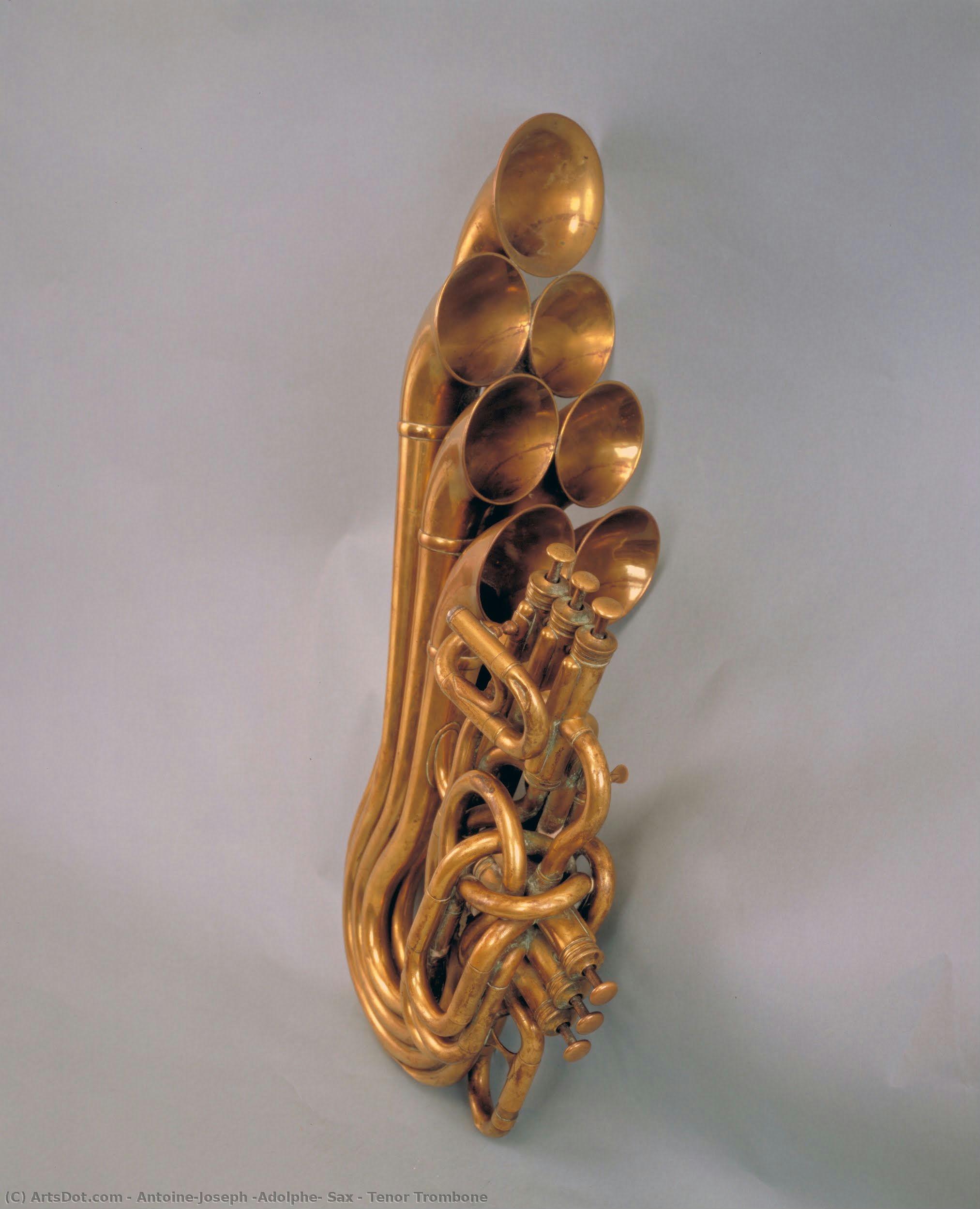
Tenor Trombone

 Развернуть текст
Приобретите цифровое изображение высокого разрешения в улучшенном качестве, которое значительно превосходит онлайн-превью.
Каждый файл проходит тщательную подготовку нашими специалистами с использованием передовых инструментов и экспертной ручной ретуши. Мы гарантируем исключительную четкость, безупречную точность цветопередачи и детальную проработку каждого изображения.
Финальный файл доставляется по электронной почте в течение 72 часов и оптимизирован для немедленного использования в профессиональной среде, при верстке и печати. Это тот же уровень качества, которому доверяют ведущие дизайнерские студии, издательства и галереи.
Цифровое изображение
Скачайте файл высокого разрешения для личного использования, печати и творческих проектов. ( Переключиться на печать Заказать репродукцию ручной работы)
Включено в каждый заказ цифровых изображений
Гарантия профессиональной цифровой доставки
Выбирая OriginalUniqueArt.com, вы получаете не просто изображение — вы приобретаете профессионально обработанное цифровое произведение искусства, созданное с безупречной точностью и под защитой гарантии качества. Вот всё, что автоматически входит в ваш заказ:

Быстрая доставка по e-mail
Ваш цифровой файл в высоком разрешении будет отправлен по электронной почте в течение 72 часов после оформления заказа и сразу станет доступен для использования.

Цифровой файл с ИИ-обработкой
Ваше произведение искусства проходит профессиональную оптимизацию с использованием передовых инструментов ИИ и ручной обработки, что гарантирует максимальную детализацию, четкость и точность цветопередачи.

Бессрочная бесплатная повторная отправка
Случайно удалили или потеряли файл? Не беспокойтесь — мы отправим его вам повторно в любое время и совершенно бесплатно.

Без импортных пошлин — навсегда
Наслаждайтесь вашим произведением искусства мгновенно без таможенных пошлин, сборов или затрат на доставку — цифровые загрузки всегда не облагаются налогом.

Гарантия точности цветопередачи
Мы гарантируем максимально точное соответствие цифрового изображения оригиналу благодаря использованию профессиональных инструментов и систем управления цветом.

Гарантия удовлетворенности 100 дней
Если вы не будете удовлетворены своим цифровым изображением, мы внесем правки или вернем 100% стоимости в течение 100 дней — без лишних вопросов.

100% Гарантия возврата средств
Не удовлетворены покупкой? Мы вернем вам полную стоимость в течение 100 дней после получения цифрового файла — без лишних вопросов.

Скидки на оптовые заказы
Купите 3 изображения — скидка 10%; купите 5 — скидка 15%; от 10 изображений — скидка 20%. Отличное решение для творческих проектов, галерей и агентств.
Биография художника
A Legacy Forged in Sound: The Life and Innovations of Adolphe Sax
Antoine-Joseph ‘Adolphe’ Sax, born in Dinant, Belgium, on November 6, 1814, was more than just an inventor; he was a sonic architect who reshaped the landscape of musical expression. His name is inextricably linked to the saxophone, yet to define him solely by this iconic instrument would be to overlook a lifetime dedicated to refining and expanding the possibilities of brass and woodwind instruments. Sax’s journey was one driven by a relentless pursuit of tonal perfection, fueled by both artistic vision and a deep understanding of acoustics and mechanics. From his earliest days immersed in his father's workshop, surrounded by the scent of wood shavings and the gleam of polished brass, Adolphe displayed an innate curiosity and a remarkable aptitude for instrument making. His childhood was marked not only by this creative environment but also by a series of near-fatal accidents – tales that earned him the nickname “little Sax, the ghost” – perhaps imbuing his life with a sense of urgency and purpose. This formative period instilled in him a profound respect for craftsmanship and an unwavering determination to overcome obstacles, qualities that would define his career.Bridging Worlds: The Genesis of the Saxophone and Beyond
Sax’s ambition wasn't merely to create new instruments but to address perceived deficiencies in existing ones. He envisioned a sound world where the brilliance of brass could be seamlessly blended with the warmth and expressiveness of woodwinds – a tonal bridge that had long eluded instrument makers. This vision culminated in the invention of the saxophone, patented in 1846. It was not born from pure inspiration but from meticulous experimentation and a deep understanding of acoustic principles. The saxophone’s single-reed mouthpiece, conical bore, and brass construction combined to produce a uniquely versatile sound capable of both powerful projection and delicate nuance. However, the saxophone was just one facet of Sax's prolific inventiveness. He didn’t rest on this singular achievement; instead, he embarked on a relentless campaign of innovation, designing or significantly redesigning a remarkable array of instruments. The saxhorn, a family of valved brass instruments designed for greater versatility in military bands, emerged as another significant contribution. He also developed the saxtuba, a hybrid instrument blending features of both tuba and saxophone, and made substantial improvements to the bass clarinet, creating a model that remains widely used today. His work extended to valved trumpets – including versions with six independent valves aimed at enhancing chromatic capabilities – and even a pioneering six-valve trombone, showcasing his commitment to improving intonation and expanding instrumental range.Challenges and Triumphs: Navigating the 19th-Century Musical Landscape
Despite his groundbreaking innovations, Sax faced considerable resistance from established instrument manufacturers and conservative musical circles. His patents were frequently challenged, and his designs often copied without proper compensation. This period was marked by protracted legal battles and financial struggles, testing his resilience and determination. The burgeoning Romantic era, with its demand for richer orchestral textures and more expressive instrumental capabilities, provided a fertile ground for Sax’s inventions, yet acceptance wasn't immediate. He tirelessly promoted his instruments through performances with orchestras and military bands, demonstrating their unique sonic qualities firsthand. His association with composers like Hector Berlioz – who championed the saxophone in his compositions – proved crucial in gaining recognition. Berlioz recognized the instrument’s potential and incorporated it into several of his works, helping to establish its place within the orchestral palette. However, even with such endorsements, Sax continued to grapple with skepticism and competition throughout much of his career.A Lasting Resonance: Adolphe Sax's Enduring Legacy
Adolphe Sax died in Paris on February 7, 1894, leaving behind a legacy that continues to resonate profoundly within the world of music. While he may not have achieved widespread fame or fortune during his lifetime, his inventions irrevocably altered the course of musical history. The saxophone quickly gained popularity in military bands and Parisian dance halls, eventually finding its way into classical compositions by composers like Berlioz, Verdi, and Debussy. However, it was in the realm of jazz that the saxophone truly found its voice, becoming an indispensable instrument in this uniquely American art form. From the pioneering improvisations of Sidney Bechet to the virtuosic performances of Charlie Parker and John Coltrane, the saxophone has been central to the evolution of jazz music. Beyond the saxophone’s iconic status, Sax's other innovations significantly advanced brass instrument design, contributing to the evolution of orchestral sound and providing musicians with a wider range of tonal possibilities. He remains a pivotal figure in the history of musical instruments, a true pioneer whose vision continues to inspire generations of musicians and instrument makers alike. His story is a testament to the power of innovation, perseverance, and an unwavering commitment to artistic expression.
Adolphe Sax
1814 - 1894 , Belgium
Краткая справка
- Artistic Movement Or Style: Instrument Design
- Artists Or Movements Influenced By This Artist:
- Berlioz
- Verdi
- Debussy
- Jazz music
- Date Of Birth: November 6, 1814
- Date Of Death: February 7, 1894
- Full Name: Antoine-Joseph 'Adolphe' Sax
- Nationality: Belgian-French
- Notable Artworks:
- Saxophone
- Saxhorn
- Saxtuba
- Valved Trumpet
- Six-Valve Trombone
- Place Of Birth: Dinan, Belgium