

 Примерить в интерьере
 Отправить
 Поделиться
 Подробнее
 Руководство

 Скачать
 Похожие объекты
 Рентгенография
 Слайд-шоу
 Статистика
Pavilion
 Oil On Canvas
- WallArt
- Bengal School of Art
 23.0 x 16.0 cm
 Виктория-мемориал
 Развернуть текст
Масляная репродукция ручной работы
Картина маслом на холсте в выбранном вами размере и раме, написанная на заказ нашими художниками. ( Переключиться на печать Перейти к цифровым изображениям)




P118B $10

P118H $10

P118W $10

P438Z $10

P508JH $12

P508YH $12

P805H $10

P805Z $10

P919BZ $10

P919G $10

P919XJ $10

P959ZH $10

P968JZ $12

W106C $8

W218G $10

W218JH $8

W218Y $10

W307PJ $10

W316G $10

W316PJ $8

W316Y $10

W398PJ $8

W4111J $10

W500HY $15

W500JH $15

W692G $12

W849H $8

W940BG $15

W953PJ $8




Выберите один из наших стандартных размеров, соответствующих оригинальным пропорциям произведения искусства.

Введите необходимую ширину и высоту, чтобы репродукция подошла к вашей раме или стене. Поскольку работа выполняется вручную, при изменении пропорций художник может немного увеличить область вокруг картины или, наоборот, обрезать края — выбор за вами. Перед началом работы мы пришлем вам цифровой макет на утверждение. Изображение на этой странице не является точным результатом — увидеть реальный вид можно только на макете.
После оформления заказа команда OriginalUniqueArt.com свяжется с клиентом по электронной почте для уточнения деталей и предоставит предварительный макет
Доставка по всему миру () за 3–4 недели вместо стандартных 5 недель. (25 Октябрь). Без компромиссов в качестве.

Бесплатная экспресс-доставка по всему миру

Высококачественный льняной холст

Полное страхование при транспортировке

Гарантия возврата таможенных пошлин

Гарантия точного цветового соответствия

100-дневный период возврата (только при обнаружении дефектов)

Гарантия возврата 100% средств

Скидка при заказе нескольких работ
 Вариант со стеклом доступен только для размеров менее 110 см

Pavilion
Материал репродукции
Размер репродукции
-


Итоговая стоимость
$ 300
Abanindranath Tagore’s “Pavilion”: A Bridge Between East and West
The artwork presented here, Abanindranath Tagore's "Pavilion," isn’t merely a depiction of a building; it’s a carefully constructed visual poem, a pivotal moment in the history of Indian art. Painted in 1907, during a period of intense nationalistic fervor and artistic experimentation, this work represents Tagore’s audacious attempt to synthesize traditional Indian aesthetics with Western influences – a strategy that fundamentally reshaped the landscape of modern Indian painting. It's a piece brimming with symbolism, inviting viewers to contemplate themes of spirituality, identity, and the evolving relationship between tradition and modernity.
Tagore, deeply influenced by the Japanese aesthetic—particularly its emphasis on calligraphy and flattened perspective—and inspired by the Mughal and Rajput miniature traditions, sought to create an art form that resonated with Indian sensibilities. He deliberately rejected the academic realism prevalent in Western art schools, which he viewed as cold and devoid of spiritual depth. Instead, he drew upon the rich visual vocabulary of ancient India – its vibrant colors, stylized forms, and symbolic imagery—and infused it with a distinctly modern sensibility. “Pavilion” exemplifies this approach perfectly; it’s not a photographic representation but rather an evocative interpretation, prioritizing mood and feeling over strict adherence to reality.
A Symphony of Color and Symbolism
The painting immediately captivates the eye with its rich palette—a deliberate departure from the muted tones favored by Western artists. Deep blues and greens dominate the composition, evoking a sense of tranquility and spirituality, while bursts of crimson, gold, and saffron inject vibrancy and energy. These colors aren’t simply decorative; they carry profound symbolic weight. Blue represents the heavens and spiritual realms, red signifies passion and life force, and gold embodies divinity and enlightenment. The use of these hues is deeply rooted in Hindu iconography and reflects Tagore's desire to reconnect with India’s ancient spiritual heritage.
The pavilion itself—a structure reminiscent of Mughal palaces but imbued with a distinctly Indian character—is rendered with a flattened perspective, echoing the style of Japanese woodblock prints. The arched doorway, framed by intricate floral motifs and stylized clouds, serves as a focal point, drawing the viewer’s eye into the heart of the composition. Notice the deliberate simplification of forms – a hallmark of both Mughal and Japanese art—which contributes to the painting's serene and contemplative atmosphere. The figures depicted within the pavilion are not realistically rendered but rather presented as stylized silhouettes, further emphasizing the work’s symbolic nature.
Historical Context and Artistic Significance
“Pavilion” was created during a crucial period in Indian history—the early 20th century—a time marked by growing nationalist sentiment and a desire to reclaim India's cultural identity after centuries of colonial rule. Tagore’s art played a significant role in this movement, providing a visual language for expressing Indian values and traditions. He founded the Bengal School of Art, which championed a distinctly Indian style of painting that drew inspiration from both ancient and contemporary sources. This school challenged the dominance of Western artistic styles and paved the way for a new generation of Indian artists.
Tagore’s work wasn't without its critics. Some accused him of diluting traditional Indian art by incorporating Western elements, while others praised his innovative approach to blending Eastern and Western aesthetics. However, “Pavilion” remains a testament to Tagore’s artistic vision—a bold and ambitious attempt to create an art form that was both deeply rooted in India's cultural heritage and open to new influences. It stands as a pivotal work in the development of modern Indian painting, demonstrating the power of art to shape national identity and express complex ideas.
A Timeless Masterpiece for Your Space
Reproduced on high-quality canvas or paper, Abanindranath Tagore’s “Pavilion” offers a captivating glimpse into India's rich artistic heritage. Its serene composition, vibrant colors, and evocative symbolism make it an ideal addition to any home or office space. Whether you are drawn to its spiritual depth, its historical significance, or simply its aesthetic beauty, this artwork is sure to inspire contemplation and add a touch of timeless elegance to your surroundings. Consider commissioning a hand-painted reproduction from OriginalUniqueArt.com for a truly authentic experience.
Вопросы и ответы
Цвета в работе «Pavilion», Абаниндранатх Тагор насыщенные или приглушенные?
Насыщенность работы «Pavilion», Абаниндранатх Тагор составляет Balanced Soft.
Доступна ли загрузка для "Pavilion"?
Для произведения «Pavilion» доступна загрузка: на странице Скачать вы можете скачивание цифрового изображения в высоком разрешении.
Какова техника исполнения и размеры работы «Pavilion», Абаниндранатх Тагор?
Оригинальная работа «Pavilion», Абаниндранатх Тагор выполнена в технике Oil On Canvas, её размер составляет 23 x 16 cm. Техника и размер относятся к оригинальному объекту.
Биография художника
Ранние годы и происхождение
- Родился: 7 мая 1861 г., Джорансанко, Калькутта, Британская Индия
- Умер: 5 декабря 1951 г.
- Семья: Член выдающейся семьи Тагор; племянник Рабиндраната Тагора. Его дедом был Гириндранат Тагор, а отцом — Гунендранат Тагор.
- Образование: В 1880-х годах учился в Санскритском колледже в Калькутте, а позже окончил Калькуттскую школу искусств.
Художественное становление и влияния
- Раннее обучение: Освоил технику пастели у О. Гиларди и масляную живопись у Чарльца Палмера в Калькуттской школе искусств.
- Стили Моголов и Раджпутов: Стремился модернизировать эти стили, отвергая западные художественные модели.
- Ценности Свадеши: Внедрял идеалы движения Свадеши в свое искусство, продвигая индийские традиции.
- Эстетизм Уитслера: Находился под влиянием эстетических принципов Уитслера.
- Японское влияние: Позже включил китайские и японские каллиграфические традиции в свой стиль после знакомства с художниками Тиканом и Хесидой.
Основные работы и художественный вклад
- Рохини II: Примечательная работа, демонстрирующая его художественное мастерство.
- Уход Шахджахана: Еще одна значимая картина, отражающая его уникальный стиль.
- Сезонный цветок в вазе: Демонстрирует его виртуозное владение техникой и умение работать с предметом.
- Серия «Тысяча и одна ночь» (1930): Считается одним из его величайших достижений; через сказки «Тысячи и одной ночи» он исследовал атмосферу колониальной Калькутты.
- Бхарат Мата: Знаковая картина, символизирующая Мать-Индию.
- Основатель Бенгальской школы искусств: Сыграл ключевую роль в формировании современной индийской живописи и продвижении национального искусства.
- Индийское общество восточного искусства (1907): Основал это общество для популяризации традиционных форм индийского искусства.
Наследие и историческое значение
- Пионер современной индийской живописи: Признан ключевой фигурой в развитии современного индийского искусства.
- Влияние на последующих художников: Был наставником таких выдающихся мастеров, как Нандалал Бос, Асит Халдер, Кшитиндранат Маджумдар и Джамини Рой.
- Возрождение традиционных форм искусства: Выступал за возвращение к традиционным индийским техникам и стилям.
- Вклад в бенгальскую детскую литературу: Написал влиятельные детские книги, такие как Раджакани, Будо Англа, Налак и Кхирер Путул.
- Национальные сокровища искусства: Его работы считаются национальным достоянием Индии.

Абаниндранатх Тагор
1871 - 1951 , Индия
Краткая справка
- Artistic Movement Or Style: Бенгальская школа искусств
- Artists Or Movements Influenced By This Artist:
- Нандалал Бос
- Кшитиндранат Маджумдар
- Джамини Рой
- Artists Who Influenced This Artist:
- Уистлер
- Могольские художники
- Раджпутские художники
- Date Of Birth: 7 мая 1871 г.
- Date Of Death: 5 декабря 1951 г.
- Full Name: Абаниндранат Тагор
- Nationality: Индиец
- Notable Artworks:
- Рохини II
- Смерть Шах-Джахана
- Сезонный цветок в вазе
- Place Of Birth: Джорансанка, Индия
Похожие статьи

Raja Ravi Varma: Bridging Tradition & Modernity in 19th-Century Indian Art
Explore the life & art of Raja Ravi Varma, a pioneer who fused European techniques with Indian iconography. Discover his iconic paintings, lasting legacy, and influence on modern Indian art at OriginalUniqueArt.
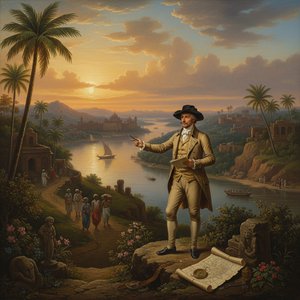
Thomas Daniell: Navigating Light, Landscape & Cultural Exchange in Early 19th-Century India
Explore the captivating landscapes of Thomas Daniell, a pioneering artist who documented India's beauty in the 19th century. Discover his 'Oriental Scenery,' aquatint technique & lasting legacy. Hand-painted reproductions available at OriginalUniqueArt.
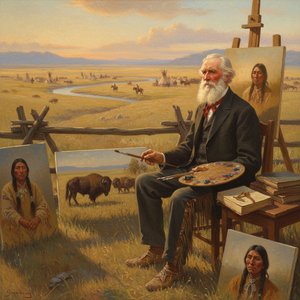
Joseph Henry Sharp: Capturing the Spirit of the Plains – Life, Art & Legacy
Explore the life & art of Joseph Henry Sharp, a founding member of the Taos Society of Artists renowned for his realistic depictions of Native American culture and Western landscapes. Discover his legacy with OriginalUniqueArt.
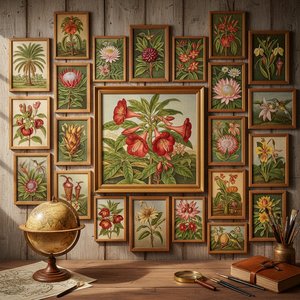
Марианна Норт: 25 Шедевров Художницы и Путешественницы | OriginalUniqueArt
Погрузитесь в мир ботанической живописи с Марианной Норт! 25 шедевров викторианской художницы, полных экзотических цветов и тропических пейзажей. Купить репродукции картин онлайн на OriginalUniqueArt – вдохновение для вашего интерьера!
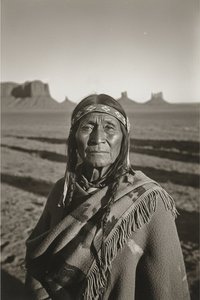
Shadow Catcher: Edward S. Curtis & the Ethnographic Portraiture of a Vanishing West
Explore the life & work of Edward S. Curtis, the 'Shadow Catcher,' and his groundbreaking photographic documentation of Native American cultures. Discover iconic images from *The North American Indian* and a critical look at his lasting legacy.
