A Timeless Dialogue: The Kupferstichkabinett’s Enduring Legacy
Nestled within the heart of Berlin's Kulturforum, the Kupferstichkabinett – or Museum of Prints and Drawings – isn’t merely a repository of images; it’s a living testament to centuries of artistic evolution. Founded in 1831 with a nucleus of royal drawings, this institution has blossomed into one of the world’s foremost collections of graphic art, boasting over 500,000 prints and around 110,000 individual works on paper. More than just preserving masterpieces, the Kupferstichkabinett fosters a profound dialogue between artist, medium, and viewer – a space where meticulous handcraft meets the enduring power of the printed word and drawn line. The museum’s very architecture—a striking example of Brutalist design by Konrad Rolf Dietrich Gutbrod—immediately establishes a sense of gravitas and contemplative purpose, mirroring the depth contained within its walls. The raw concrete surfaces and expansive windows invite visitors to immerse themselves in the collection, fostering a direct connection between the artwork and its environment; it’s a deliberate choice reflecting the museum's ambition: to present art on paper not as relics of the past, but as vital and relevant forms of communication.
A chronological journey through the Kupferstichkabinett is like tracing the evolution of visual storytelling itself. Beginning with exquisite illuminated manuscripts – vibrant with gold leaf and intricate detail – these early works showcase the foundations of artistic technique, demonstrating the painstaking process of hand-craftsmanship that defined a bygone era. Moving forward, the collection explodes into the brilliance of Dürer, Grünewald, Botticelli, and beyond, each artist contributing to a rich tapestry of styles and influences. The pivotal 1882 acquisition of the Hamilton collection dramatically expanded the museum’s holdings of Renaissance prints, bringing to Berlin treasures previously held in private collections across Europe – a moment that solidified the Kupferstichkabinett's position as a global center for printmaking scholarship. The subsequent centuries witnessed an ongoing expansion, fueled by strategic acquisitions and a deep appreciation for the diverse range of artistic expression found within the medium of prints.
The Architecture of Contemplation: Gutbrod’s Bold Statement
Konrad Rolf Dietrich Gutbrod’s design for the Kupferstichkabinett building is a powerful statement in itself. Completed in 1963, it deliberately contrasts with the surrounding neoclassical structures of the Kulturforum, creating a bold and arresting visual presence. The raw concrete surfaces and expansive windows aren't simply aesthetic choices; they are integral to the museum’s mission. They invite visitors to step inside and immerse themselves within the collection, fostering a direct connection between the artwork and its environment – a deliberate attempt to break down traditional barriers between viewer and viewed. The building’s vastness and natural light are crucial for preserving the delicate nature of many of the works housed within, demonstrating a profound respect for the art itself. It's a space designed not just to display art, but to encourage contemplation and a deeper understanding of its significance.
Echoes of History: From Dürer to Picasso
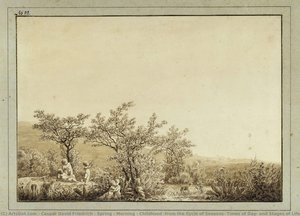
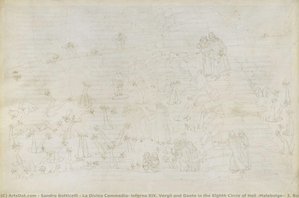
The Kupferstichkabinett’s collection is a vibrant tapestry woven from threads of artistic innovation across centuries. Early highlights include exquisite illuminated manuscripts – vibrant with gold leaf and intricate detail – alongside masterpieces by Dürer, Grünewald, and Botticelli, establishing foundational principles that would influence generations of artists. The acquisition of the Hamilton collection in 1882 dramatically expanded the museum’s holdings of Renaissance prints, bringing to Berlin treasures previously held in private collections across Europe. Moving into the 19th century, the museum showcases the rise of Romanticism and Realism. Works by Altdorfer, Bosch, and Bruegel reveal a fascination with mythology, folklore, and the natural world. Later in the century, the collection gains momentum through the addition of works by Rembrandt, Schinkel, and Tiepolo, reflecting the evolving tastes and artistic trends of the era. The 20th century brings an explosion of experimentation – from the Expressionist fervor of Kirchner and Munch to the bold innovations of Picasso, Warhol, and Richter. The museum’s holdings now represent a truly global perspective on printmaking, showcasing artists from around the world who have embraced this medium as a powerful tool for artistic expression.
Current Exhibitions & Ongoing Research
Currently, the Kupferstichkabinett is captivating visitors with two remarkable exhibitions. One celebrates the masterful ukiyo-e prints of Torii Kiyomitsu, a Japanese artist renowned for his vibrant depictions of actors and courtesans, showcasing innovative color techniques and influencing generations of artists. Simultaneously, a retrospective examines the profound influence of Pablo Picasso on contemporary printmaking – a testament to the enduring legacy of artistic innovation. Beyond these temporary displays, the museum’s dedication to research and conservation continues unabated. A dedicated team meticulously examines, restores, and documents the collection, ensuring its preservation for future generations. Their ongoing projects delve into various aspects of printmaking history, including the study of watermarks—tiny markings used to identify the origin and date of a print—and the analysis of drawing techniques. Collaborations with international institutions share expertise and contribute to global research initiatives. Cutting-edge technology stabilizes fragile materials and safeguards these artistic treasures for posterity.