Karl Friedrich Schinkel (1781–1841): Prussia’s Leading Architect & Painter
Karl Friedrich Schinkel, born in Neuruppin, Germany, in 1781, occupies a singular position within the annals of 19th-century art and architecture. His life was a compelling narrative woven with threads of personal hardship and professional triumph, unfolding against the backdrop of shifting political landscapes and burgeoning artistic movements. The devastating fire that ravaged Neuruppin in 1787, tragically claiming his father’s life while Schinkel was still a young boy, cast a long shadow over his formative years. This early experience, perhaps, instilled within him a profound appreciation for order, permanence, and the enduring power of form—qualities that would later define his artistic vision. It undoubtedly contributed to the meticulous precision and emotional resonance so characteristic of his mature work. He received early mentorship under Friedrich Gilly and his father David Gilly, both influential architects in Berlin, absorbing their classical principles while simultaneously encountering more experimental ideas – a crucial blend that shaped his developing aesthetic sensibilities. These foundational years provided Schinkel with a robust understanding of architectural history and technique, preparing him for the pivotal decisions that lay ahead.Early Life and Artistic Beginnings: Painting Before Architecture
Schinkel’s childhood was marked by considerable sorrow following his father's untimely demise—a formative event that instilled within him an unwavering dedication to achieving structural integrity and poetic resonance in his artistic endeavors. He pursued painting initially, demonstrating notable talent in landscape and portraiture, capturing the beauty of nature with remarkable sensitivity and skill. His early works showcased a keen eye for detail and a masterful command of color, reflecting influences from Romantic painters like Caspar David Friedrich—a connection that would prove profoundly significant in shaping his artistic trajectory. The encounter with Friedrich’s *Wanderer above the Sea of Fog* served as a catalyst for Schinkel's self-assessment, prompting him to recognize that painting alone could not fully express the grandeur and emotional depth he sought to convey. This realization spurred him toward architecture—a decisive shift driven by an intellectual conviction that his true vocation lay in constructing spaces that embodied both beauty and purpose.The Influence of Friedrich Gilly and Classical Education
Schinkel’s artistic education was overseen by Friedrich Gilly, a brilliant architect who instilled in him the foundational principles of Neoclassical design—a style characterized by symmetry, proportion, and adherence to classical architectural forms. David Gilly, Schinkel's father, further nurtured his interest in architecture through practical experience and scholarly pursuits. Together, they fostered Schinkel’s understanding of Roman and Greek architecture, equipping him with the technical skills and theoretical knowledge necessary for mastering this influential artistic tradition. This rigorous training ensured that Schinkel possessed a comprehensive grasp of architectural history—a cornerstone of his subsequent creative achievements. The Gillys' influence extended beyond mere instruction; it instilled in Schinkel a deep respect for craftsmanship and an unwavering commitment to upholding classical ideals.A Turning Point: From Painter to Architect – Embracing Friedrich’s Vision
The pivotal moment arrived during an exhibition in Berlin in 1810, where Schinkel encountered Caspar David Friedrich’s *Wanderer above the Sea of Fog*. The sheer emotional depth and masterful execution of Friedrich's work struck Schinkel with startling force—a revelation that fundamentally altered his artistic perspective. Recognizing that painting alone could not achieve the same level of expressive power as architecture, he made the courageous decision to abandon his painterly ambitions and dedicate himself entirely to architectural design. This was not merely a change in profession; it represented an affirmation of Schinkel’s deepest convictions—a conviction that architecture possessed the capacity to elevate human experience and embody timeless beauty. He understood that buildings could communicate ideas and emotions with unparalleled eloquence, surpassing the limitations of visual art in conveying complex narratives and evoking profound feelings.Architectural Mastery: Neoclassicism, Gothic Revival, and Beyond
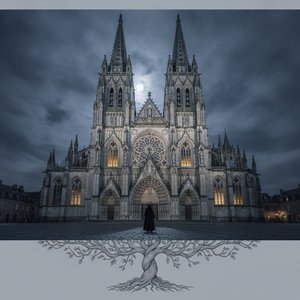
Schinkel’s architectural style is remarkably difficult to categorize neatly—representing instead a sophisticated synthesis of various influences. While firmly rooted in Neoclassical principles—a reaction against the perceived excesses of Baroque and Rococo—he moved away from the prevailing emphasis on Imperial Roman forms, opting for a more refined Greek-inspired aesthetic. This embrace of Greek Revival was not merely stylistic; it reflected Schinkel’s belief that architecture should possess both structural integrity and poetic resonance, engaging with history while simultaneously evoking emotion. However, he did not limit himself to Neoclassicism. He also demonstrated a remarkable aptitude for the Gothic Revival style—exemplified in works like Schloss Rosenau and Friedrichswerder Church—incorporating elements of medieval ornamentation and construction techniques into contemporary designs. His buildings were characterized by meticulous attention to detail, innovative use of materials, and a profound understanding of spatial relationships—a testament to his unparalleled creative genius. He was not simply replicating past forms; he was reinterpreting them through the lens of his own artistic vision—bridging tradition and modernity with breathtaking grace. ## Notable Achievements: Shaping Berlin’s Landscape and Beyond Schinkel’s legacy is indelibly etched into the urban landscape of Berlin and beyond through his numerous landmark creations. The Neue Wache (1816–1818), an early work, showcases his emerging Neoclassical style with its restrained elegance and dignified presence—a symbol of Prussian resilience and national pride. The National Monument for the Liberation Wars (1818–1821) stands as a monumental testament to Prussia’s triumph over Napoleon—a masterpiece of architectural grandeur. The Schauspielhaus (1819–1821), rebuilt on Gendarmenmarkt after a devastating fire, exemplifies his refined theatre design—a space that continues to inspire audiences today. However, it is perhaps the Altes Museum (1823–1830), located on Museum Island—a cornerstone of Berlin’s cultural heritage—that remains Schinkel's most iconic achievement—a testament to classical architecture and a model for national art museums worldwide. Beyond Berlin, Schinkel undertook ambitious projects in the Prussian provinces, from the Rhineland to East Prussia—further cementing his reputation as Prussia’s foremost architect and shaping the aesthetic landscape of the nation. ## Influence and Legacy: A Lasting Impact on Architectural Thought Karl Friedrich Schinkel's influence extends far beyond the physical structures he created—reaching into the realm of architectural theory and inspiring generations of architects who followed him. His publications like *Sammlung architektonischer Entwürfe* (1820–1837) and *Werke der höheren Baukunst* (1840–1846) disseminated his design principles and construction techniques—providing invaluable insights into his creative process and shaping the trajectory of architectural innovation. Schinkel’s unwavering commitment to classical ideals—combined with his willingness to experiment with new forms and materials—established him as a pivotal figure in German architectural history—a man who bridged tradition and modernity with unparalleled artistry. His buildings continue to stand as enduring symbols of Prussian grandeur and intellectual excellence—inspiring awe and admiration for centuries to come—a testament to Schinkel’s profound contribution to the art of building and shaping the cultural landscape of Europe.Întrebări și răspunsuri
Unde pot fi găsite operele lui Karl Friedrich Schinkel, grupate pe mișcări artistice?
Stilurile în care a activat Karl Friedrich Schinkel pot fi vizualizate pe pagina de Toate mișcările de artă a artistului, care grupează operele pe mișcări artistice.
Pot explora operele lui Karl Friedrich Schinkel pe baza unor cuvinte cheie?
Pagina După cuvinte cheie a lui Karl Friedrich Schinkel grupează operele de artă ale artistului în funcție de cuvintele cheie.
Există o relatare cronologică a carierei lui Karl Friedrich Schinkel?
Cariera lui Karl Friedrich Schinkel se desfășoară etapă cu etapă pe pagina Cronologie a artistului: o cronologie orizontală a operelor de artă, grupate în capitole reprezentative ale perioadelor de activitate.