
A Sanctuary of Faith and Art: Unveiling the Musée d’Unterlinden
Nestled within the heart of Colmar, France—a town already steeped in Alsatian charm—lies a museum that transcends mere display; it is an immersive experience. The Musée d’Unterlinden, housed within the remarkably preserved Dominican convent and former public baths building, isn't simply a repository of artistic treasures – it’s a testament to centuries of faith, craftsmanship, and the enduring power of human expression. Originally conceived as a place of worship in the 13th century, the very bones of this structure whisper tales of monastic life, evolving into a beacon for both religious devotion and artistic innovation. The museum's journey began with the Société Schongauer’s ambition to showcase local art, but it was the arrival of Matthias Grünewald’s *Isenheim Altarpiece* in 1852 that irrevocably cemented its place on the global stage, drawing visitors from every corner of the world. Today, the museum stands as a poignant dialogue between past and present, a harmonious blend of Gothic architecture and modern design, offering an unparalleled glimpse into Upper Rhenish art and the rich cultural tapestry of Alsace.
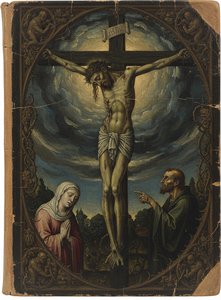
The undisputed star of the collection, the *Isenheim Altarpiece* is more than just a painting; it’s a profound meditation on suffering and redemption. Created by the master Matthias Grünewald around 1512-1516, this monumental work transcends its religious subject matter to become a deeply moving exploration of human emotion. The altarpiece's intricate details—the agonizing depiction of Saint Sebastian, riddled with arrows, alongside scenes from the Passion of Christ—are rendered with an astonishing realism and emotional intensity. Grünewald’s masterful use of color, light, and symbolism – particularly in his portrayal of disease and the inclusion of medicinal plants, specifically intended for patients suffering from ergotism (Saint Anthony's Fire), a debilitating skin condition prevalent at the time – reveals Grünewald’s extraordinary skill and deep understanding of both art and medicine. It is a work that continues to captivate viewers centuries later, prompting reflection on faith, mortality, and the enduring human spirit.
A Medieval & Renaissance Tapestry
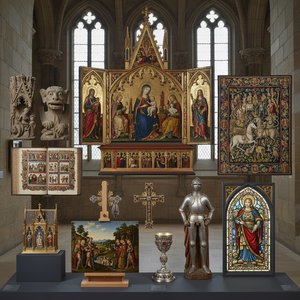
Beyond the *Isenheim Altarpiece*, the Musée d’Unterlinden boasts a remarkable collection of religious sculptures from the medieval and Renaissance periods. These pieces offer invaluable insights into the craftsmanship and aesthetic sensibilities of the time, showcasing the diverse artistic styles prevalent in Upper Rhenish churches and monasteries. You'll find intricately carved figures of saints, angels, and biblical scenes, each imbued with a sense of solemnity and devotion. The collection includes examples of Romanesque sculpture, characterized by its robust forms and stylized features, alongside Renaissance works that demonstrate increasing naturalism and refinement. The sculptures are not merely decorative; they served as focal points for prayer and contemplation, embodying the spiritual values of their era.
Local Heritage & Archeological Treasures
The Musée d’Unterlinden isn't solely focused on religious art; it also houses a significant collection of local archeological artifacts, providing a fascinating glimpse into the daily lives of those who inhabited this region for centuries. From pottery shards and tools fashioned from flint to weaponry—swords, daggers, and spears—these objects paint a vivid picture of Alsace’s rich history. The museum's archeological finds reveal details about agricultural practices, domestic life, and even funerary rituals, offering a tangible connection to the people who shaped this land long before the arrival of the monks. Examining these remnants allows us to reconstruct a more complete understanding of the region’s past, moving beyond the realm of grand artistic achievements to appreciate the everyday realities of its inhabitants.
Architectural Harmony: A Dialogue Between Eras
What truly distinguishes the Musée d’Unterlinden is its remarkable architectural narrative—a seamless integration of historical preservation and contemporary design. The original Dominican convent, with its soaring Gothic arches and serene cloisters, provides a breathtaking backdrop for the museum's collection. However, in 2015, Swiss architects Herzog & de Meuron undertook a transformative project: the addition of a modern extension that appears to grow organically from the ancient structure. This wasn’t merely an act of expansion; it was a deliberate attempt to create a dialogue between past and present, acknowledging the museum's evolving role while respecting its historical roots. The new wing, constructed primarily of corrugated glass, offers a striking contrast to the convent’s weathered stone walls, yet its sleek lines and minimalist aesthetic complement the existing architecture in a surprisingly harmonious way. The space beneath the former public baths—now housing temporary exhibitions—further enhances this dynamic interplay between light, space, and form, creating an atmosphere that is both contemplative and stimulating.
A Legacy of Artistic Patronage: The Schongauer Society
The story of the Musée d’Unterlinden is inextricably linked to the Société Schongauer, a group of local art enthusiasts who spearheaded the museum's creation in 1849. Initially dedicated to showcasing regional art and artifacts, the society recognized the immense value of Matthias Grünewald’s *Isenheim Altarpiece* and tirelessly campaigned to bring it to Colmar. Their dedication ultimately led to the acquisition of the altarpiece in 1852, transforming the museum into a world-renowned destination for art lovers. The Schongauer Society's legacy continues to resonate today, as the museum remains committed to preserving and promoting the artistic heritage of Upper Rhenish art. Visiting the museum is like stepping back in time, witnessing the dedication of a group of passionate individuals who recognized the importance of safeguarding their cultural treasures for future generations.