A Journey Through Korea’s Soul: The National Museum of Korea
Within the bustling heart of Seoul, nestled amidst a landscape that seamlessly blends ancient tradition with modern dynamism, lies the National Museum of Korea – more than just a repository of artifacts; it's a living testament to the enduring spirit and artistic soul of Korea. Established in 1945, following the tumultuous years of war, the museum has evolved from its modest beginnings as a collection salvaged from the ruins into a globally recognized institution dedicated to preserving and interpreting the nation’s rich cultural heritage. Stepping through its doors is akin to embarking on a profound journey through millennia, a captivating narrative woven with threads of history, artistry, and philosophical depth.
The museum's architectural design itself serves as an immediate introduction to this story. Conceived by the renowned architects Mario Botta and Massimiliano Fuksas, the building is a masterful dialogue between past and future. The structure deliberately divides into two distinct halves: one embodying the weight of history – solid, grounded, and reflecting the resilience of Korea’s past – and the other reaching towards the horizon with soaring lines and expansive spaces, symbolizing its optimistic vision for tomorrow. This symbolic duality mirrors Korea's own trajectory – acknowledging its historical roots while embracing a forward-looking perspective. The ingenious integration of natural light throughout the building, utilizing a sophisticated system inspired by traditional Korean architecture, not only illuminates the artwork but also subtly minimizes energy consumption, demonstrating a commitment to both preservation and sustainable design.
Echoes of Dynasties: A Panoramic View of Artistic Achievement
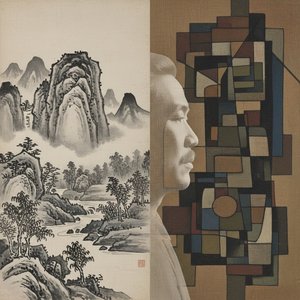
Entering the museum’s galleries is an immersive experience, transporting visitors through the vast expanse of Korean history. The collection spans an astonishing breadth of eras – from the rudimentary tools of Korea's earliest settlers to the refined artistry of the Joseon dynasty and beyond. The Prehistory and Ancient History Gallery offers a captivating glimpse into the formative years of the nation, showcasing chipped stone handaxes, intricately crafted pottery shards, and regal ornaments that speak volumes about the lives and beliefs of those who first called this land home. As you progress through subsequent galleries – dedicated to the Unified Silla, Balhae, Goryeo, and Joseon periods – a vibrant tapestry of artistic styles and techniques unfolds before your eyes. The museum’s holdings in calligraphy and painting are particularly noteworthy, revealing a diverse range of approaches to landscape, portraiture, and narrative storytelling. Delicate landscapes evoke serene contemplation, powerful portraits capture the essence of their subjects, and evocative scenes from daily life reveal not only artistic skill but also the philosophical underpinnings of Korean culture – a deep reverence for nature, family, and social harmony.
The museum’s commitment extends beyond simply displaying artifacts; it actively fosters an understanding of their significance. The meticulous conservation efforts ensure that each piece is treated with the utmost care, while ongoing research delves into the intricacies of Korean art history, uncovering new insights and interpretations. Notably, the collection boasts a remarkable array of royal treasures – including exquisite jade ornaments, intricately carved ivory sculptures, and shimmering gold crowns – offering a tangible connection to Korea’s imperial past. The influence of neighboring cultures is also evident throughout the collection, particularly in the ceramics and textiles, reflecting Korea's role as a vital crossroads in global trade and exchange.
A Living Legacy: Beyond Preservation
What truly distinguishes the National Museum of Korea is its holistic approach to cultural preservation – a dedication that extends far beyond simply collecting and displaying artifacts. The museum isn’t merely a static archive; it's a vibrant center for education, research, and cultural exchange. Scholars diligently study Korean art history, artisans practice traditional crafts, and visitors participate in interactive workshops and lectures, fostering a deeper appreciation for the nation’s artistic heritage. Furthermore, the museum actively promotes dialogue and understanding through exhibitions that explore Korea’s interactions with neighboring Asian cultures – as evidenced by its impressive Asian Art Gallery, which showcases masterpieces from China, Japan, Vietnam, and beyond.
The National Museum is deeply involved in international collaborations, hosting traveling exhibitions, participating in global art fairs, and offering educational programs for students and researchers worldwide. It’s a testament to Korea's commitment to sharing its cultural heritage with the world, fostering mutual understanding and appreciation across cultures. The museum also plays a vital role in preserving Korean traditions through community outreach programs, ensuring that these artistic practices continue to thrive for generations to come.
Architectural Marvel & Cultural Hub
Beyond its remarkable collection, the National Museum of Korea itself is a landmark architectural achievement – a harmonious blend of tradition and modernity. The building’s design seamlessly integrates elements of traditional Korean architecture with contemporary aesthetics, creating a space that is both visually stunning and functionally efficient. The expansive grounds surrounding the museum offer tranquil gardens, cascading waterfalls, and a captivating collection of pagodas, stupas, lanterns, and steles – a serene prelude to the treasures within. The integration of natural light throughout the building, utilizing a sophisticated system inspired by traditional Korean architecture, not only illuminates the artwork but also minimizes energy consumption, demonstrating a commitment to both preservation and sustainability.
The museum’s location in Yongsan District, Seoul, further enhances its significance as a cultural hub. The surrounding area has undergone significant revitalization, creating a vibrant atmosphere that complements the museum's rich offerings. A visit to the National Museum of Korea is more than just an art experience; it’s an immersion into the heart and soul of Korean culture – a journey through time, artistry, and enduring spirit.