Cuprins
Detalii utile
- Location: Barcelona, Spania
- Mediums:
- acrilic pe pânză întinsă
- ulei pe pânză
- Featured artists:
- Thomas Gainsborough
- Joaquim Mir
- Ramon Casas I Carbó
- juan de la abadia
- Movements:
- catalan modernisme
- impressionistic modernisme
- Vezi mai multe…
- Alternate names:
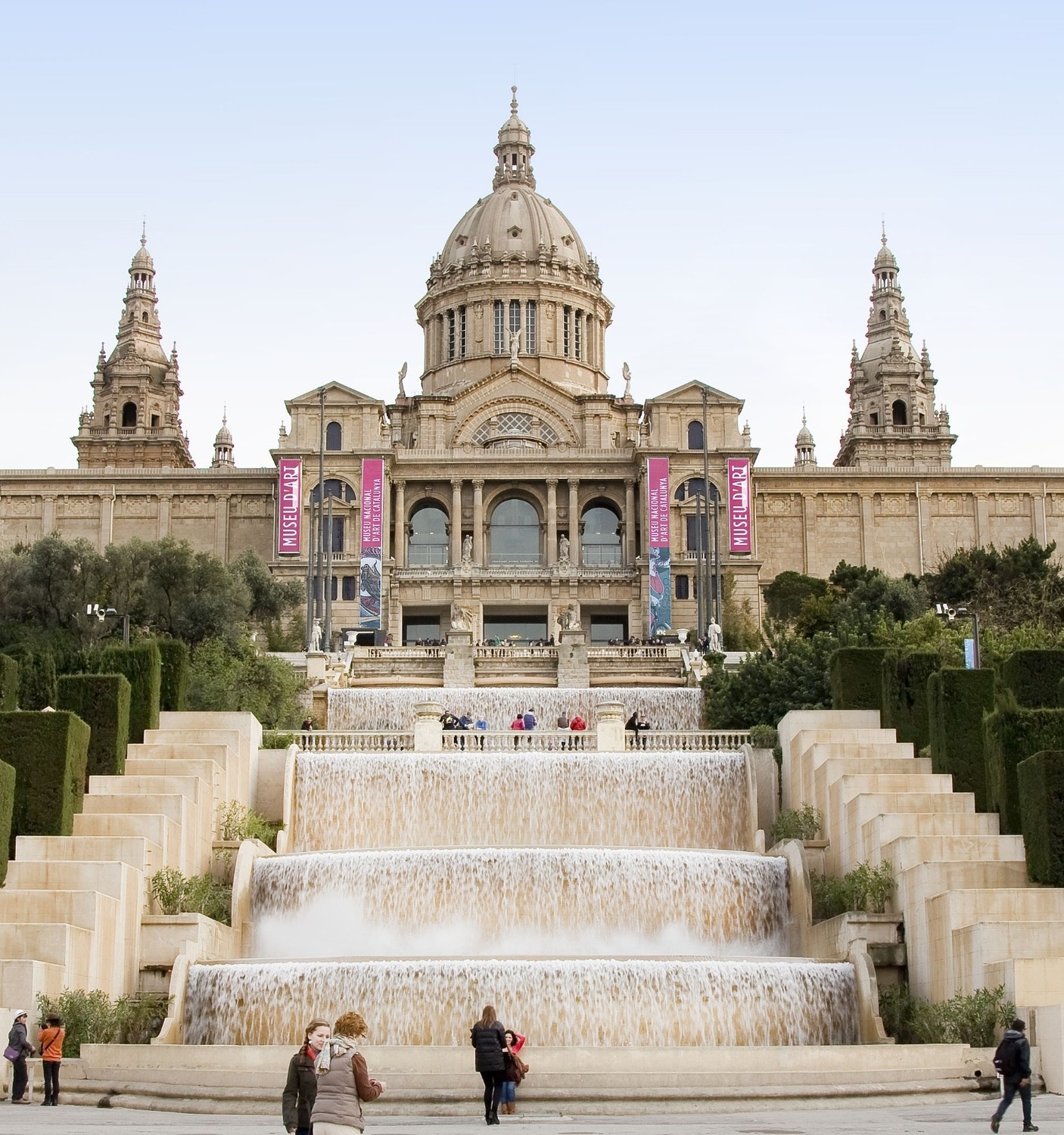
- MNAC
- Museu Nacional dArt de Catalunya
- Works on APS: 10
- Art types: artă de perete
Artiști expuși

Thomas Gainsborough
Thomas Gainsborough (1727-1788): Maestru britanic al picturii rococo și al portretului regal. Admirați operele sale impresionante și descoperiți influența sa asupra unor artiști celebri.


Joaquim Mir
Joaquim Mir (1873-1940), pictor catalan modernist renumit pentru peisajele sale vibrante și evocatoare. Explorează viziunea sa unică, îmbinând abstracția cu scene mistice ale naturii dincolo de impresionism.

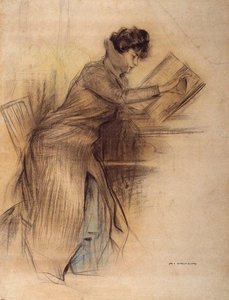
Ramon Casas I Carbó
Ramon Casas i Carbó (1866-1932) a fost un pictor spaniol proeminent al Modernismului catalan. Celebrat pentru portrete, scene de gen și evocarea vieții catalane, îmbinând realismul cu impresionismul într-un stil distinctiv.
Quiz de artă
Fiecare întrebare are un singur răspuns corect.
Întrebare 1:
În ce țară este situat Muzeul Național D'arte de Catalunya?
Întrebare 2:
Ce arhitect a proiectat Palatul Național pentru Expoziția Internațională din 1929?
Întrebare 3:
Ce este Muzeul Național D'arte de Catalunya cunoscut pentru?
Întrebare 4:
În ce montagne se află Muzeul Național D'arte de Catalunya?
Întrebare 5:
Ce oraș este cunoscut pentru arhitectura lui Antoni Gaudí?
Articole similare
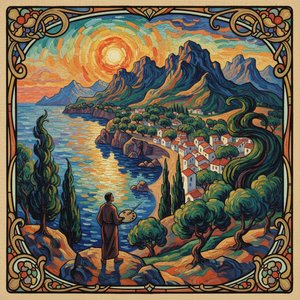
Joaquim Mir: A Catalan Visionary – Exploring Symbolism, Landscape & Modernist Aesthetic
Explore the captivating world of Joaquim Mir, a pivotal Catalan Modernisme painter. Discover his vibrant landscapes, symbolic depth & lasting influence on Spanish art history. Learn more at OriginalUniqueArt.
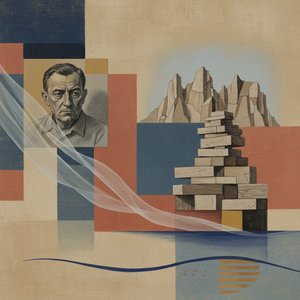
Josep Mompou Dencausse: Exploring Intimacy & Catalan Identity Through Minimalist Expression
Explore the captivating world of Josep Mompou Dencausse, a master of Post-Impressionism whose intimate paintings reflect Catalan identity and minimalist beauty. Discover his life, style & legacy.

Josep Cusachs i: Exploring Catalan Modernism Through Social Commentary & Artistic Innovation
Explore the captivating world of Josep Cusachs i, a key figure in Catalan Modernism. Discover his realist paintings, social commentary, and influence on 19th-century Spanish art. Hand-painted reproductions available at OriginalUniqueArt.