Samuel William Reynolds (1773-1835) was a British mezzotint engraver, landscape painter & gardener popular in Britain & France. Known for portraits, animal studies, and his work reproducing Sir Joshua Reynolds' art. Over 400 works at the National Por
Descoperiți-o pe Ethel Léontine Gabain (1883-1950), o pictoriță și graficiană britanică de origine franceză renumită pentru portretele sale emoționante, scene melancolice și măiestria în litografie. Membră fondatoare a Clubului Senefelder, Gabain este apreciată pentru stilul său unic și contribuțiile sale la arta modernă.
George Patten (1801-1865) was a British portraitist known for his presentation portraits of notable figures, as well as mythological & scriptural works. Explore his art and legacy.
Primăria din Manchester se ridică ca o mărturie monumentală a ambiției victoriene și a mândriei civice—o clădire care întruchipează nu doar măreția arhitecturală, ci și spiritul unei epoci definite de inovația industrială și de înflorirea artistică. Situată în Albert Square, în inima centrului istoric al orașului Manchester, aceasta este mult mai mult decât simplă piatră și mortar; este o cronică vie a istoriei britanice și un far al patrimoniului cultural. Finalizată în 1877 sub îndrumarea vizionară a arhitectului Alfred Waterhouse, această capodoperă neo-gotică continuă să inspire uimire și admirație și în prezent.
Înălțându-se maiestuos deasupra Albert Square, prezența impunătoare a Primăriei domină peisajul urban, invitând vizitatorii într-o lume în care sculpturile intricate șoptesc povești despre trecutul Manchesterului, iar vitraliile scaldă interiorul în nuanțe caleidoscopice. Waterhouse a evitat în mod deliberat simetria clasică preferată de mulți dintre contemporanii săi, optând în schimb pentru o asimetrie dinamică ce oglindea pulsul energetic al erei industriale în plină expansiune a orașului Manchester—o decizie îndrăzneață care a dat naștere unei clădiri fără egal în epoca sa. Fațada este o tapiserie captivantă de figuri sculptate—ştiinţi, artişti şi lideri civici proeminiți, aduși la viaţă de Joseph Boehm—fiecare contribuind la narațiunea clădirii ca un monument al realizării umane. Înălţându-se spre cer, turnul de 280 de picioare culminează cu Great Abel, o clopot gigantic ale cărui tonuri rezonante au răsunat peste Albert Square de peste un secol, servind ca un memento constant al moştenirii maritime și al spiritului neînduplecat al Manchesterului.
Semnificație Arhitecturală:
Designul lui Alfred Waterhouse reprezintă un moment crucial în arhitectura victoriană—o respingere deliberată a convenţiilor neoclasice în favoarea măreţiei expresive a stilului Gothic Revival. El a căutat inspiraţie în catedralele Europei, încorporând elemente precum arcuri trilobate, voalte nervate și turnuri înalte pentru a crea o atmosferă de frumuseţe solemnă și contemplaţie spirituală.
Frescele Marelui Salon:
În cadrul Marelui Salon rezidă una dintre cele mai ambiţioase întreprinderi artistice ale Marii Britanii: Frescele Manchesterului de către Ford Madox Brown—o serie de pânze care cronichează istoria orașului, de la originile sale romane până în anii transformatori ai Revoluţiei Industriale. Aceste picturi monumentale înfăţişează momente cheie din trecutul Manchesterului—sosirea lui Carol Wieland, Conquestul Norman, Renaşterea Elisabetană și Era Victoriană—capturând nu doar evenimente istorice, ci și spiritul fiecărei perioade cu o sensibilitate și un detaliu remarcabile.
Tezaurele și moştenirea Sălii de Sculpturi
Adiacent Marelui Salon se află Sala Sculpturilor, care adăposteşte statui ce comemorează figuri influente care au modelat peisajul intelectual al Manchesterului—John Dalton, James Joule și Sir John Baritate. Aceste sculpturi întruchiază idealul victorian de virtute eroică, reprezentând gânditori și oameni de ştiinţă care au apărat raţiunea şi progresul. Tâmplăria ornată a sălii și vitraliile contribuie la estetica sa opulentă, reflectând bogăţia și sofisticarea Manchesterului în epoca sa de aur.
Sculptori Notabili:
Sculpturile lui Joseph Boehm sunt deosebit de remarcabile prin detaliul lor meticulos și portretizarea expresivă a demnităţii umane—o mărturie a îndemânării artistice victoriene și a valorilor umaniste.
Context Istoric și Evoluţie
Finalizată în 1877, Primăria din Manchester a devenit rapid un simbol al succesului industrial și al aspiraţiilor civice ale orașului. Construcţia sa a coincis cu o perioadă de creștere economică fără precedent, alimentată de producţia de bumbac şi de inovaţia tehnologică—o vreme în care orașul căuta să se stabilească ca un centru de învăţământ şi cultură. Renovările ulterioare din cursul secolului al XX-lea au adaptat clădirea la nevoile sociale schimbătoare, păstrându-i integritatea arhitecturală și asigurându-i relevanţa continuă pentru publicul contemporan.
Renovări Recente și Viziunea de Viitor
În prezent, fiind supusă unui proiect extins de revitalizare numit „Primăria Noastră”, clădirea este restaurată cu grijă pentru a-i proteja viitorul pentru generaţiile ce vor veni. Această întreprindere ambiţioasă urmăreşte nu doar repararea și modernizarea infrastructurii, ci și îmbunătăţirea accesibilităţii, asigurându-se că Primăria Manchester va continua să servească drept un centru vibrant de implicare civică—un omagiu vrednic trecutului său plin de istorie și semnificaţiei sale durabile. Readăugarea în vara anului 2026 promite o călătorie de neuitat în inima istoriei britanice și a artei arhitecturale, reconfirmând poziţia Primăriei Manchester ca unul dintre cele mai preţioase monumente ale naţiunii.
Explorarea Inspiraţiei Artistice
Să luăm ca exemplu portretul din 1895 al lui Sir Anthony Marshall realizat de Henry Turner Munns—o pictură uimitoare în ulei din epoca victoriană, găzduită în Primăria Manchester. Exploraţi detaliile sale bogate și contextul istoric. De asemenea, admiraţi sculpturile lui Joseph Boehm care celebrează pionierii ştiinţifici precum Dalton şi Joule. Aceste opere de artă exemplifică fascinaţia victoriană pentru realizarea intelectuală şi frumuseţea artistică—elemente care continuă să rezoneze în moştenirea nemuritoare a Primăriei.
De către echipa editorială OriginalUniqueArt.com
Test de cunoștințe despre artă
Fiecare întrebare are un singur răspuns corect.
Întrebare 1:
Ce stil arhitectural este predominant cunoscut pentru Manchester Town Hall?
Întrebare 2:
Cine a proiectat impresionantele pereți Great Hall din Manchester Town Hall?
Întrebare 3:
Ce semnificație are Abel, clopotul aflat în turnul Manchester Town Hall?
Întrebare 4:
Extensia Town Hall a fost construită în principal pentru:
Întrebare 5:
Ce material constituie fațada Manchester Town Hall?
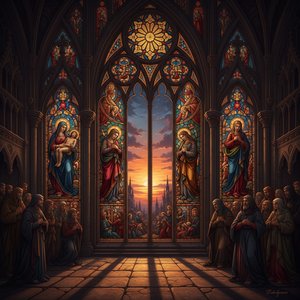
Explore the exquisite beauty & spiritual depth of Late Gothic art (c. 1300-1500). Discover key artists, symbolism, and its lasting influence on the Renaissance. Expert insights at OriginalUniqueArt.
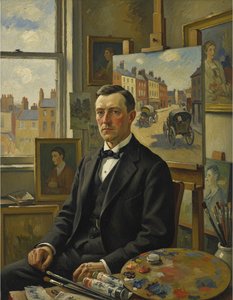
Explore the life & work of Robert Bevan, a pioneer of British Post-Impressionism and founding member of the Camden Town Group. Discover his vibrant landscapes and lasting impact on early 20th-century art.
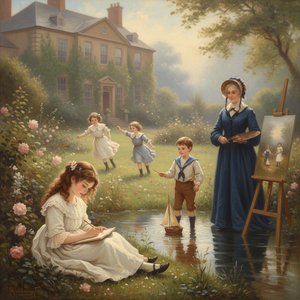
Explore the life & art of James Sant (1820-1916), renowned Victorian portraitist to Queen Victoria. Discover his captivating depictions of childhood, landscapes, and aristocratic society. Learn about his legacy & find fine art reproductions.