Viziunea Dramatică a lui Francis Hayman
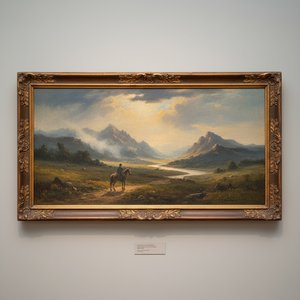
În peisajul vibrant și schimbător al artei britanice din secolul al XVIII-lea, puține figuri au posedat strălucirea versatilă a lui Francis Hayman. Născut în Exeter în 1708, Hayman nu s-a limitat doar la a observa evoluția culturală a erei sale; el a modelat activ limbajul său vizual. Călătoria sa a început departe de galeriile rafinate ale Londrei, fiind înrădăcinată, în schimb, în lumea efemeră și plină de intensitate a scenografiei teatrale. Această imersiune timpurie în artele dramatice i-a oferit un avantaj unic, insuflându-i o înțelegere profundă a compoziției, luminii și tensiunii narative, elemente care vor defini ulterior măiestria sa în stilul Rococo. Pe măsură ce a tranziționat de la pictorul de decor la un artist independent în St Martin's Lane, Hayman a adus cu sine sufletul unui povestitor, capabil să transforme o pânză statică într-o fereastră către un moment teatral plin de viață.
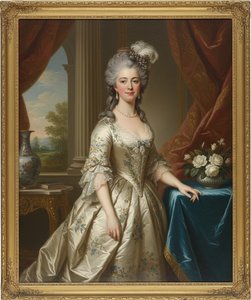
Esența estetică a lucrării lui Hayman este profund împletită cu mișcarea Rococo, o eră caracterizată prin grație, ornament și o anumită eleganță veselă. Trăgând inspirație de la maeștrii opulenți francezi, precum François Boucher, Hayman a îmbrățișat o paletă de pasteluri delicate și pense de o fluiditate ritmică. Totuși, opera sa nu a fost niciodată pur decorativă; ea poseda o integritate structurală informată de idealurile clasice. Prin conexiunea sa cu cercurile intelectuale înfloritoare ale Londrei, el a integrat un simț al proporției și formei care a permis portretelor sale să transcendea simplul asemănător, surprindând, în schimb, însăși esența caracterului și a statutului social.
O Moștenire a Academiei Regale și a Măiestriei Narative
Semnificația istorică a lui Hayman este ancorată de rolul său fundamental în înființarea Royal Academy. În calitate de membru fondator și prim bibliotecar al instituției, el a ajutat la punerea fundamentelor pentru standardele artistice profesionale în Marea Britanie. Această poziție de influență i-a permis să îmbine divertismentul popular, adesea zgomotos, al maselor cu preocupările înalte ale elitei academice. Capacitatea sa de a naviga între aceste lumi diferite este poate cel mai bine vizibilă în corpul său divers de lucrări, care variază de la monumental la intim.
Repertoriul său artistic era remarcabil de extins, evidențiind un talent care putea pivota între genuri cu o ușurință fluidă:
- Scene Teatrale și Literare: Hayman poseda o abilitate rară de a insufla viață literatură, creând reprezentări evocate ale dramei shakespeariene și scene vii din Don Quixote, precum momentul plin de spirit în care hanul îl numește cavaler pe cavalerul de la Mancha.
- Portretistica: A devenit un cronicar râvnit al epocii sale, capturând carisma actorilor legendari precum David Garrick și eleganța aristocratică a unor figuri precum Dr. Charles Chauncey, MD.
- Comisioane Decorative: Lucrările sale pentru Vauxhall Pleasure Gardens au demonstrat îndemânarea sa în povestirea la scară largă, unde a folosit arta pentru a îmbogăți experiența senzorială a publicului în momente de relaxare și bucurie.
- Teme Biblice și Mitologice: Prin opere precum Bunul Samaritani, Hayman și-a utilizat sensibilitățile Rococo pentru a explora teme profunde ale compasiunii, carității și interacțiunii divine.
În cele din urmă, viața lui Francis Hayman a fost o mărturie a puterii narative vizuale. Combinând teatralitatea scenei cu eleganța rafinată a stilului Rococo, el a creat un corpus de lucrări care rămâne o fereastră vitală către era Iluminismului. Moștenirea sa persistă nu doar în pânzele care îi poartă numele, ci și în însăși structura istoriei artei britanice, marcându-l ca pe un adevărat pionier care a ajutat la ridicarea statutului pictorului de la meșteșugar la maestru academic.
Întrebări și răspunsuri
Cum pot găsi lucrările lui Francis Hayman pe o temă specifică?
Operele lui Francis Hayman pot fi explorate pe baza cuvintelor cheie, în pagina de După cuvinte cheie a artistului. Fiecare cuvânt cheie grupează operele aferente.
Unde pot vizualiza operele lui Francis Hayman într-o galerie 3D?
Operele de artă ale lui Francis Hayman pot fi vizualizate într-o galerie 3D, pe pagina Galerie 3D a artistului.
Există o listă completă a operelor lui Francis Hayman?
Toate lucrările lui Francis Hayman de pe acest site web pot fi explorate în pagina Toate operele de artă a artistului.