Contemporary Art · 1985
Mask (Yi Eungro, 1985)
Yi Eungro (1904–1989) a realizat Mask. Data sa este din 1985. Face parte din mișcarea Contemporary Art. Este realizată în Wood. Este păstrat la Lee Ungno Museum în Daegu, Coreea de Sud. Dimensiunile sunt 30 × 4 cm.
- 1985
- Wood
- 30 × 4 cm
- Lee Ungno Museum, Daegu

 Tablou în ulei pictat manual
 Trimite prin felicitare
 Distribuie
 Fișă informativă


 Descarcă imaginea
 Produse similare
 Galerie foto
 Întrebări și răspunsuri

 Statistici
Mask, pe scurt
- Titlu
- Mask
- Artist
- Yi Eungro (1904–1989)
- Artist născut în
- Seul, Coreea de Sud
- Date
- 1985
- Medium
- Wood
- Dimensiuni
- 30 × 4 cm
- Unde poate fi vizualizată
- Lee Ungno Museum, Daegu, Coreea de Sud
- Mișcare
- Contemporary Art
- Perioadă
- Modern
- Subiect
- mask, sculpture, face, wood carving, portrait, distorted face
Ce reprezintă Mask?
The Soul Within the Wood: A Glimpse into Yi Eungro’s Mask
In the quiet intimacy of Mask, we encounter a profound dialogue between form and raw material. Created in 1985, this evocative sculpture serves as a hauntingly beautiful testament to the late-career explorations of the master Korean-French artist, Yi Eungro. While much of his legacy is anchored in the fluid grace of ink wash landscapes and the delicate precision of traditional Korean motifs, this piece reveals a more visceral, tactile dimension of his creative spirit. The work presents a face carved with an almost primal intensity, where the grain of the wood meets the deliberate, distorted contours of a human expression. It is a piece that does not merely sit in a space; it commands it, inviting the viewer to peer into the very essence of identity and the masks we wear in the theater of existence.
The technique employed here speaks to a mastery of texture and volume. The artist has manipulated the medium to create a striking interplay of light and shadow, particularly within the hollowed recesses of the eyes and the jagged, rhythmic placement of the teeth. There is a deliberate roughness to the surface that honors the organic nature of the wood, yet the anatomical distortions suggest a sophisticated understanding of movement and emotion. This sculptural approach allows the piece to transcend the two-dimensional plane, offering a physical presence that feels both ancient and strikingly modern. For the discerning collector or interior designer, such a work offers a centerpiece of immense character, providing a grounding, earthy element that pairs exquisitely with contemporary minimalist settings or more traditional, curated galleries.
Beyond its physical attributes, Mask carries a heavy symbolic weight. The concept of the mask is universal—a symbol of protection, deception, and the multifaceted nature of the human psyche. By rendering this face with such raw, unpolished features, Yi Eungro strips away the veneer of social artifice to reveal something more fundamental and perhaps more unsettling. The visible teeth and the asymmetrical gaze evoke a sense of primal vulnerability, reminding us of the wilder, untamed aspects of our shared humanity. It is an artwork that resonates on an emotional level, stirring feelings of curiosity, introspection, and even a touch of melancholy.
Integrating a high-quality reproduction of this masterpiece into a collection allows for the preservation of this profound emotional experience within a domestic or professional environment. Whether placed under soft gallery lighting to highlight its carved depths or positioned as a focal point in a study, Mask serves as a constant source of inspiration. It is more than a mere object; it is a window into the historical intersection of Korean tradition and French modernism, captured through the hands of an artist who spent his life bridging two worlds to find a singular, universal truth.
În ce muzeu se află Mask?
Lee Ungno Museum
Daegu, Coreea de Sud
O Simfonie de Tinta și Modernitate: Moștenirea lui Lee Ungno În inima peisajului cultural al orașului Daejeon, Muzeul Lee Ungno se ridică ca o mărturie profundă a puterii transformative a viziunii artistice. Această instituție servește drept un pod între epoci, oferind o privire rară asupra sufletului unui om care a reușit să sintetizeze greutatea meditativă a picturii cu lavaj de cerneală orientală cu frontierele îndrăznețe și experimentale ale modernismului occidental. A păși în acest muzeu înseamnă a intra într-un spațiu în care tradițiile străvechi ale caligrafiei coreene întâlnesc energia electrică a expresionismului abstract european, creând un dialog care rezonează peste generații.
Imagini la înaltă rezoluție ale lui Mask

Protejat de drepturile de autor: aceste fișiere sunt destinate referinței personale și nu constituie o licență de republicare.
Yi Eungro, Mask (1985).
Yi Eungro (1904–1989), Mask, 1985, wood, Lee Ungno Museum, Daegu, Coreea de Sud. Imagine: OriginalUniqueArt.com.
Întrebări despre Mask, răspunsuri
Unde pot vedea originalul "Mask" de Yi Eungro?
Originalul "Mask" de Yi Eungro este păstrat la Lee Ungno Museum, Daegu, Coreea de Sud. O reproducere permite expunerea operei în propria locuință.
În ce an a fost creată „Mask”?
În ce tehnică este realizată lucrarea "Mask" de Yi Eungro?
Ce dimensiuni are originalul "Mask"?
„Mask” măsoară 4 x 30 cm în formatul său original. Dimensiunile originale reprezintă o referință utilă atunci când alegeți dimensiunea unei reproduceri.
Ce reprezintă "Mask" de Yi Eungro?
"Mask" de Yi Eungro face parte din domeniul public?
Cine a creat "Mask"?
Din ce curent artistic face parte "Mask" de Yi Eungro?
„Mask” este o operă de Contemporary Art. Acest curent indică tradiția artistică din care face parte lucrarea.
Despre artistul Yi Eungro

1904–1989, Coreea de Sud
Yi Eungro
primii ani și formarea artistică lee ungno, cunoscut și sub numele de yi eungro, a fost un pictor și gravor francez de origine coreeană, născut în Seul, Coreea de Sud, în anul 1904. Primii săi ani au fost marcați de o scurtă perioadă de școlarizare la Hongseong Botong Hakyo (홍성보통학교, 홍城초등학교, <|image>洪城普通學校), după care s-a dedicat profund studiului picturii sub îndrumarea lui yeomjae song tae-hoe, începând cu anul 1920. cariera artistică în Coreea și Japonia Cariera artistică a lui lee ungno a început cu adevărat odată cu mutarea sa la Seul în 1922, când a devenit ucenic al celebru caligraf, pictor și fotograf haegang kim gyu-jin. În această perioadă, a învățat în principal tehnica pictării „patru nobili” în stilul Haegang.
Alte lucrări ale lui Yi Eungro
 Untitled1969
 Composition1970
 I Ching 64 Hexagrams Sequence(山風蠱)1974
 People1979
Eseuri despre Mask
 Unveiling the Raw Emotion: The Top 25 Masterpieces by Francis BaconBorn in Dublin and shaped by post-war London, Bacon’s brushstrokes capture the weight of existence through the shadows of the human psyche.
 Unmasking the Grotesque: The Top 25 Masterpieces by James EnsorBorn in the coastal air of Ostend in 1860, Ensor used carnival masks and the grotesque to unmask the human condition through a fever dream …
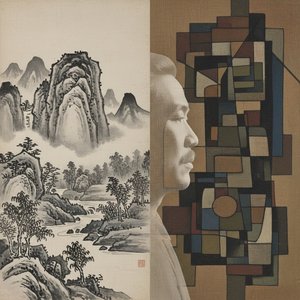 Yi Eungro: Bridging East & West in the Landscape of Korean ModernismExplore the captivating world of Yi Eungro (Lee Ungno), a pivotal figure in Korean modernism. Discover his unique fusion of Eastern and Wes…