
 Previzualizare
 Trimite prin felicitare
 Distribuie
 Detalii despre lucrare
 Ghid
Ghid

 Descarcă imaginea
 Produse similare
 Radiografie
 Galerie foto
 Întrebări și răspunsuri
 Statistici
Male Nude


 Vezi mai mult
Giclée / Imprimare artistică
Printuri giclée sau pe canvas de calitate muzeală, cu proces de producție rapid și opțiuni flexibile de finisare. ( Comandă pictură realizată manual Comută pe Imagine Digitală)




P118B lei10

P118H lei10

P118W lei10

P438Z lei10

P508JH lei12

P508YH lei12

P805H lei10

P805Z lei10

P919BZ lei10

P919G lei10

P919XJ lei10

P959ZH lei10

P968JZ lei12

W106C lei8

W218G lei10

W218JH lei8

W218Y lei10

W307PJ lei10

W316G lei10

W316PJ lei8

W316Y lei10

W398PJ lei8

W4111J lei10

W500HY lei15

W500JH lei15

W692G lei12

W849H lei8

W940BG lei15

W953PJ lei8




Alegeți dintre dimensiunile noastre prestabilite, care respectă proporțiile originale ale operei de artă.

Introduceți lățimea și înălțimea necesare pentru a se potrivi ramei sau peretelui dumneavoastră. O printare poate fi doar tăiată, niciodată extinsă dincolo de dimensiunea imaginii originale, astfel încât o dimensiune cu o formă diferită va pierde o parte din imagine. Vă trimitem o simulare digitală pentru aprobare înainte de a imprima orice. Imaginea afișată pe această pagină nu prezintă tăierea reală — doar simularea arată acest lucru.
Livrare în întreaga lume () în 2 săptămâni, în loc de cele 4/5 săptămâni standard. (3 Noiembrie)

Livrare expres gratuită la nivel mondial

Pânză de in de înaltă calitate

Asigurare completă pentru transport

Garanție de rambursare a taxelor vamale

Garanția fidelității culorilor

Politica de retur în 100 de zile (doar pentru defecte de fabricație)

Garanție de rambursare 100%

Ofertă pentru comenzi multiple
 Opțiunea cu sticlă este disponibilă doar pentru dimensiuni de sub 110 cm

Male Nude
Giclée / Imprimare artistică
Dimensiune reproducere
-


Preț total calculat
lei 385
A Synthesis of Tradition and Modern Vision
In the annals of twentieth-century art, few works capture the profound tension between heritage and innovation as poignantly as Xu Beihong’s “Male Nude.” Created in 1924, this pivotal piece emerged during a transformative era when Chinese artistry began its intense, often turbulent, engagement with Western influences. Painted shortly after the artist relocated to Paris—a journey facilitated by diplomatic patronage—the work serves as a visual manifesto of Beihord’s ambition. He sought not merely to imitate the West, but to forge a new, sophisticated aesthetic language that could honor the classical Chinese principles of his youth while embracing the burgeoning dynamism and anatomical realism of European modernism.
The subject of the painting is a study in both strength and vulnerability. A male figure stands before a stark wall, his physique rendered with a remarkable command of musculature and posture. Clad in nothing but the raw honesty of the human form, he holds a staff in one hand and a shield in the other, props that lend a heroic, almost mythological quality to the composition. This deliberate use of classical attributes suggests a dialogue with the great traditions of Western antiquity, yet there is an unmistakable freshness in the way Beihong captures the subject's confident pose, creating an engaging presence that commands the viewer's attention.
Technical Mastery and Expressive Gesture
The technical execution of “Male Nude” reveals an artist deeply immersed in the experimental spirit of his time. Utilizing charcoal and white chalk on canvas, Beihong moved away from the meticulous, fine-line detail characteristic of traditional Chinese landscape painting to embrace a more Impressionistic approach. This medium allowed for a masterful play of light and shadow, where tonal variations define the contours of the body and create a sense of three-dimensional weight. The artist’s brushwork—or rather, his charcoal strokes—prioritizes expressive gesture over rigid precision, imbuing the figure with a palpable sense of movement and life.
For the discerning collector or interior designer, this piece offers a sophisticated interplay of texture and tone. The monochromatic palette provides a timeless elegance that integrates seamlessly into diverse decor styles, from contemporary minimalist galleries to classic, richly textured studies. The way the white chalk catches the light against the dark charcoal creates a luminous quality, making the artwork a focal point that breathes vitality into any space.
The Emotional Resonance of the Human Form
Beyond its technical brilliance, “Male Nude” resonates with a profound emotional depth. The nude figure has long been a recurring motif in art history, representing an ideal of human perfection and an exploration of our shared biological reality. In Beihong’s hands, this exploration becomes a reflection of inner strength and the resilience of the human spirit. There is a quiet dignity in the subject's stance, a sense of a man standing at the threshold of a new era, much like the artist himself was navigating the crossroads of two great civilizations.
To possess a reproduction of this masterpiece is to invite a piece of art history into one's home—a piece that celebrates the courage to innovate and the beauty of the unadorned self. It serves as an enduring inspiration, reminding us that true greatness often lies in the ability to bridge disparate worlds, finding harmony between the traditions we inherit and the modern visions we dare to create.
Întrebări și răspunsuri
Care este situația drepturilor de autor pentru "Male Nude" de Xu Beihong?
"Male Nude" de Xu Beihong este în domeniul public – drepturile de autor au expirat. Durata protecției drepturilor de autor se calculează de la data decesului artistului, survenit în anul 1953.
Ce emoție transmite "Male Nude" de Xu Beihong?
"Male Nude" este asociată cu un sentiment Reflective. Tonul emoțional descrie impresia pe care o transmite lucrarea.
Din ce perioadă este "Male Nude" de Xu Beihong?
"Male Nude" de Xu Beihong datează din perioada Modern. Această epocă oferă contextul istoric al lucrării.
Biografie artist
A Pioneer Bridging Worlds: The Life and Art of Xu Beihong
Xu Beihong, born Xu Shoukang in 1895 in the tranquil town of Yixing, Jiangsu province, stands as a monumental figure in 20th-century Chinese art. His life was a compelling narrative of artistic evolution, dedicated to forging a new path for Chinese painting—one that harmoniously blended the rich traditions of his homeland with the innovations of Western art. From humble beginnings steeped in classical learning and traditional brushwork under the tutelage of his father, Xu Dazhang, a struggling artist himself, young Beihong’s early life was marked by both artistic promise and economic hardship. This formative period instilled within him not only technical skill but also a deep appreciation for Chinese culture and a resilient spirit that would define his career. The family's itinerant existence, painting portraits and landscapes to make ends meet, exposed him to the realities of rural China and fueled an early ambition to elevate the status of art and artists. A pivotal moment arrived when he adopted the name “Beihong,” meaning "sad wild goose," a reflection perhaps of his youthful anxieties and aspirations—a poignant symbol of both longing and determination.The European Awakening: Forging a New Artistic Vision
Driven by a thirst for knowledge and a desire to modernize Chinese art, Xu Beihong embarked on a transformative journey to Europe in 1917. Initially studying in Tokyo, he soon secured a coveted scholarship to the prestigious École Nationale Supérieure des Beaux-Arts in Paris. This period proved crucial in shaping his artistic philosophy and technique. Immersed in the heart of European art, he meticulously studied oil painting and drawing, mastering Western principles of perspective, composition, and realism. While embracing these new techniques, Xu Beihong remained critical of certain modernist trends prevalent at the time, favoring instead the classical traditions he encountered. He adopted the French name "Ju Péon" during his stay, a testament to his immersion in European culture—a deliberate choice that signaled his intention to synthesize Western and Eastern artistic approaches. However, it was not merely technical skill that he sought; he aimed to understand the underlying principles of Western art and adapt them to revitalize Chinese painting—a vision articulated in his later writings and teachings. This period laid the foundation for his unique artistic style, characterized by a powerful synthesis of Eastern aesthetics and Western techniques. He spent years absorbing the works of masters like Ingres and Delacroix, studying their meticulous draftsmanship and masterful use of light and shadow, all while retaining a deep respect for the traditions of Chinese landscape painting.Iconic Motifs and Artistic Style: A Synthesis of East and West
Upon returning to China in 1927, Xu Beihong embarked on a prolific career marked by groundbreaking works that captured the spirit of a nation undergoing profound change. He quickly became renowned for his dynamic depictions of horses and birds—motifs that transcended mere representation to become powerful symbols of strength, freedom, and national pride. His horses, in particular, are celebrated for their muscularity, energy, and expressive power, often depicted galloping across vast landscapes with a sense of untamed spirit. Galloping Horse, perhaps his most iconic work, embodies this perfectly—a testament to the vitality and resilience of the Chinese people. The painting’s sweeping composition, dynamic brushwork, and vibrant colors convey a profound sense of movement and power, capturing the essence of the horse as both a symbol of nobility and a representation of China's enduring strength. Beyond these signature subjects, Xu Beihong also excelled in portraiture and historical painting, demonstrating his mastery of both oil painting and traditional ink wash techniques. His style was characterized by a unique blend of bold brushstrokes, precise delineation, and a masterful command of light and shadow. He seamlessly integrated Western perspective and composition into the fluidity of Chinese brushwork, creating a visual language that was both innovative and deeply rooted in tradition. Foolish Old Man Who Removed the Mountains, inspired by a traditional Chinese fable, exemplifies his ability to imbue classical themes with modern energy and social commentary—a testament to his versatility as an artist.Legacy and Influence: Shaping Modern Chinese Art Education
Xu Beihong’s impact extended far beyond his own artistic creations; he was also a pioneering art educator who profoundly shaped the development of modern Chinese art education. After returning to China, he held teaching positions at several prestigious universities, including National Central University and Peking University, where he tirelessly advocated for curriculum reform. He championed the incorporation of Western sketching and oil painting techniques into traditional Chinese art programs, believing that this integration was essential for revitalizing Chinese artistic expression. His approach wasn’t simply about adopting Western styles wholesale; rather, he sought to create a new synthesis—one that retained the core values of Chinese art while embracing the possibilities offered by Western techniques. Following the founding of the People's Republic of China in 1949, he became president of the Central Academy of Fine Arts and chairman of the China Artists Association, further solidifying his influence on the nation’s artistic landscape. He trained generations of artists who went on to become leading figures in Chinese art, carrying forward his vision of a modern yet culturally grounded aesthetic. Xu Beihong's emphasis on artistic conception, the importance of life experiences, and the integration of Eastern and Western traditions left an indelible mark on Chinese art history, cementing his legacy as one of its most influential figures. His work continues to inspire artists and captivate audiences worldwide, serving as a powerful reminder of the enduring power of art to bridge cultures and transcend boundaries.Key Works
* **Galloping Horse (1946):** Arguably his most famous painting, embodying strength and national pride. * **Foolish Old Man Who Removed the Mountains (1938):** A masterful blend of traditional fable and modern commentary. * **Portrait of Xu Beihong (1927):** A self-portrait reflecting his artistic evolution. * **Mother and Daughter (1940):** Demonstrates his ability to capture human emotion with both brush and color. * **HORSE (1938):** Another iconic depiction of the horse, showcasing his dynamic style.
Xu Beihong
1895 - 1953 , China
Detalii rapide
- Artistic Movement Or Style: Pictură chineză modernă
- Artists Or Movements Influenced By This Artist: ['Artiști chinezi']
- Date Of Birth: 19 Juli 1895
- Date Of Death: 26 Sept 1953
- Full Name: Xu Beihong
- Nationality: Chinez
- Notable Artworks:
- Calare Noroc
- Bătrânul prost
- Mamă și fiică
- Place Of Birth: Yixing, China
Articole similare

Mastering the Male Form: A Definitive Guide to Iconic Portraits and Anatomical Idealism in Art History
Explore the evolution of the male form through art history. From Renaissance anatomical precision to Neoclassical idealism, discover the masters who defined beauty and learn how to bring these museum-quality masterpieces into your home with our hand-painted oil reproductions.
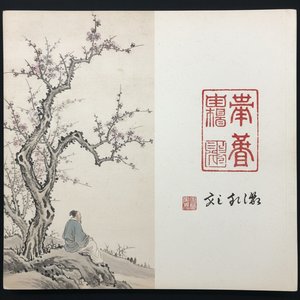
Xie Zhiliu: A Legacy of Ink Wash Painting & Modern Chinese Literati Tradition
Explore the legacy of Xie Zhiliu, a master of Chinese ink wash painting & prominent figure in modern art. Discover his techniques, influences, and contributions to literati tradition. A guide for discerning collectors.

The Power of the Male Figure: Iconic Masterpieces and the Art of Custom Portraiture
Discover the enduring power of the male figure through iconic masterpieces and bespoke oil reproductions. From Classical Realism to custom portraits, explore museum-quality artistry designed for the discerning collector seeking prestige, heritage, and timeless elegance.

The Enduring Allure of the Nude: A Historical & Artistic Exploration of the Human Form
Explore the captivating history of nude art! Discover iconic paintings & artists from classical to modern eras. Uncover symbolism, techniques & find museum-quality reproductions at OriginalUniqueArt.

The Eloquent Form: A Historical & Aesthetic Exploration of the Nude in Art
Explore the captivating history of the nude in art! From ancient Greece to modern masters, discover its evolving symbolism, techniques & enduring beauty. Expert insights for collectors and enthusiasts.
