
 Previzualizare
 Trimite prin felicitare
 Distribuie
 Detalii despre lucrare
 Ghid
Ghid

 Descarcă imaginea
 Produse similare
 Radiografie
 Galerie foto
 Întrebări și răspunsuri
 Statistici
Weary


 Vezi mai mult
Obțineți un fișier gata de imprimare care depășește cu mult calitatea previzualizării web. Fiecare imagine digitală pe care o vindem provine dintr-un master de înaltă rezoluție din baza noastră de date — având, de regulă, o lățime între 5.000 și 15.000 de pixeli — astfel încât să puteți printa în format mare, să decupați strâns sau să reproduceți detalii fine cu încredere.
Niciun fișier nu părăsește studioul nostru fără să fie tratat. Un expert digital verifică nuanțele de culoare în raport cu pictura originală și le corectează acolo unde este necesar, apoi îmbunătățește claritatea și detaliile folosind instrumente profesionale de retușare — rămânând întotdeauna fidel gestului pictural și stilului artistului. Rezultatul este o imagine care seamănă cu tabloul propriu-zis, nu cu o scanare filtrată.
Aprobați înainte de finalizare: expertul nostru vă va trimite imaginea prin e-mail în termen de 72 de ore pentru revizuire. Nu sunteți mulțumit? Solicitați îmbunătățiri sau corecturi, ori cereți o restituire a plății dacă calitatea nu este pe măsura așteptărilor.
Aceasta este calitatea pe care se bazează editorii, studiourile de design, galeriile și tipăriturile.
Imagine Digitală
Descărcați un fișier la rezoluție înaltă pentru afișare personală, imprimare și proiecte creative. ( Comută pe versiunea Print Comandă pictură realizată manual)
Inclus în fiecare comandă de imagini digitale
Livrare digitală de expertiză, garantată
Când alegeți OriginalUniqueArt.com, nu primiți doar o simplă imagine – primiți o operă de artă digitală îmbunătățită profesional, creată cu precizie și susținută de o garanție de satisfacție. Iată tot ceea ce primești odată cu comanda ta, în mod automat:

Livrare rapidă prin e-mail
Fișierul imaginii digitale la rezoluție înaltă vă va fi trimis prin e-mail în termen de 72 de ore de la finalizarea comenzii – gata pentru utilizare imediată.

Fișier digital optimizat prin IA
Opera ta de artă este optimizată profesional prin intermediul unor instrumente AI avansate și al editării manuale, asigurând un nivel maxim de detalii, claritate și acuratețe a culorilor.

Retransmitere gratuită pe viață
Ai șters sau ai pierdut din greșeală fișierul? Nu îți face griji – ți-l vom retrimite oricând, gratuit.

Fără taxe de import – Întotdeauna
Bucură-te instant de noua ta operă de artă, fără taxe vamale, taxe de import sau costuri de livrare – descărcările digitale sunt întotdeauna fără taxe.

Garanția acurateții culorilor
Asigurăm o reflectare cât mai fidelă a culorilor originale în imaginea ta digitală, prin utilizarea unor instrumente profesionale și a proceselor de gestionare a culorii.

Garanție de satisfacție de 100 de zile
Dacă nu sunteți mulțumit de imaginea digitală achiziționată, o vom revizui sau vă vom returna 100% în termen de 100 de zile – fără nicio întrebare.

Garanție de returnare 100% a banilor
Nu ești mulțumit? Primești rambursarea integrală în termen de 100 de zile de la primirea fișierului digital – fără nicio întrebare.

Reduceri pentru comenzi în volum
Cumpără 3 imagini, economisește 10% - Cumpără 5, economisește 15% - Cumpără 10+, economisește 20%. Ideal pentru proiecte creative, galerii și agenții.
A Moment of Quietude: Exploring Winslow Homer’s “Weary”
Winslow Homer's "Weary," painted in 1878, isn’t merely a depiction of a woman resting beneath a tree; it’s an invitation to contemplate the quiet dignity of everyday experience. Part of the esteemed collection at the Terra Foundation for American Art in Chicago, this watercolor captures a poignant scene of respite—a fleeting moment of solace within the vastness of nature. Homer, a master of capturing the essence of American life, particularly during his prolific career, imbues “Weary” with an extraordinary sensitivity to human emotion and a remarkable ability to translate the subtle nuances of light and atmosphere onto paper. The painting speaks volumes about the restorative power of simple moments and the quiet beauty often overlooked in our busy lives.The Composition: A Study in Restful Simplicity
The scene unfolds outdoors, likely within a park or perhaps a shaded woodland area—a setting that immediately establishes a sense of tranquility. At the heart of the composition stands a woman, her posture conveying both weariness and a gentle acceptance of her moment’s pause. She leans against a sturdy tree trunk, her hand resting lightly on it, suggesting a weight carried but momentarily released. Her gaze is directed towards the left distance, hinting at thoughts beyond the immediate present. The background features two indistinct figures—likely passersby—adding depth to the scene without disrupting the central focus. Homer’s careful arrangement of these elements creates a harmonious balance, drawing the viewer into the woman's contemplative state and fostering a feeling of quiet intimacy.Technique and Style: The Language of Watercolor
What immediately strikes the eye is Homer’s masterful use of watercolor—a medium he embraced with unparalleled skill. His brushstrokes are delicate yet deliberate, creating a luminous effect that captures the dappled light filtering through the trees. Notice how he employs subtle gradations of color to define the shadows and highlights, lending a remarkable sense of realism to the scene while simultaneously maintaining an ethereal quality. The painting’s palette is restrained—primarily muted greens, browns, and blues—contributing to the overall atmosphere of peace and serenity. Homer's technique isn’t about dramatic displays of skill; it’s about capturing the essence of light and texture with a quiet confidence and profound understanding of his medium.Historical Context: A Reflection of American Realism
“Weary” was painted during a pivotal period in American art history—the late 19th century, when artists were increasingly turning away from the rigid conventions of European traditions and embracing a more realistic portrayal of everyday life. Homer’s work reflects this shift, focusing on scenes of rural America, domestic interiors, and portraits of ordinary people. The painting's subject matter – a woman finding solace in nature—resonates with the growing interest in themes of American identity and the values of simplicity and resilience during a time of rapid industrialization and social change. It’s a testament to Homer’s ability to capture the spirit of his era while simultaneously offering a timeless meditation on human experience.Symbolism and Emotional Resonance: A Portrait of Quiet Strength
Beyond its technical brilliance, “Weary” is rich in symbolism. The woman's posture—leaning against the tree—represents not just physical fatigue but also emotional exhaustion. The tree itself symbolizes strength, stability, and connection to nature – offering a source of support and grounding. Her gaze into the distance suggests introspection and perhaps a longing for something beyond her immediate circumstances. The painting doesn’t offer easy answers or dramatic narratives; instead, it invites viewers to contemplate their own experiences of rest, reflection, and resilience. “Weary” is a poignant reminder that even in moments of quiet solitude, there can be profound beauty and emotional depth. It's a piece that lingers in the mind long after viewing, prompting us to appreciate the simple pleasures and restorative power of a moment’s pause.Întrebări și răspunsuri
Ce culoare domină compoziția lucrării "Weary" de Winslow Homer?
Verde ftalocianină (#22271f) este culoarea dominantă a operei "Weary" de Winslow Homer.
Unde este recomandată expunerea formatului Format peisaj pentru „Weary”?
Formatul Format peisaj al operei "Weary" de Winslow Homer este recomandat pentru o Living Room. Formatul și spațiul împreună ghidează amplasarea unei reproduceri.
Sub ce alte nume este cunoscut/ă Winslow Homer?
Alte nume înregistrate pentru Winslow Homer, creatorul operei „Weary”, includ Niciunul alt nume cunoscut.
Biografie artist
A Brush with the American Spirit: The Life and Art of Winslow Homer
Winslow Homer, born in Boston in 1836, wasn’t sculpted by the traditional European art academies that shaped so many of his contemporaries. Instead, he emerged from a distinctly American experience, one rooted in practicality and observation. His journey began not with grand historical canvases, but as a commercial illustrator at the tender age of twelve for Harper's Weekly. This early apprenticeship was formative, honing an exceptional ability to capture scenes with clarity and detail – skills that would become hallmarks of his mature work. He wasn’t learning perspective in Paris; he was learning to *see* America, its people, and its unfolding story. The bustling streets of Boston, the quiet dignity of rural New England life, these were his first subjects, rendered with a precision born of necessity for the demands of print media. This foundation allowed him to transition into painting, initially in watercolor, before fully embracing the expressive potential of oil paints.From Pastoral Scenes to the Raw Power of Nature
Homer’s early paintings often depicted idyllic scenes – children playing, farmers tending their fields, quiet moments of domesticity. These works, while charming, hinted at a deeper artistic sensibility waiting to be unleashed. The catalyst for this transformation was undoubtedly the Civil War. As a war correspondent for Harper's Weekly, Homer witnessed firsthand the brutal realities of conflict. He didn’t focus on heroic battles or grand strategies; instead, he documented the everyday lives of soldiers and civilians, the quiet moments of grief and resilience amidst chaos. This experience profoundly altered his artistic vision. The pastoral scenes gave way to more challenging subjects: veterans grappling with trauma, freed slaves navigating a new world, and the stark beauty of landscapes touched by hardship. He began to explore themes of struggle, isolation, and humanity’s precar He wasn't interested in imitating European styles; he wanted to create an art that was uniquely American, reflecting its landscapes, its people, and its challenges. His style also evolved, becoming bolder and more direct, reflecting the raw emotional impact of what he had witnessed. Breezing Up (A Fair Wind), painted in 1876, exemplifies this skill – a quintessential depiction of American maritime life, brimming with energy and movement. The Gulf Stream, created decades later, is perhaps his most iconic work, a powerful and symbolic portrayal of a lone man battling the forces of nature, a metaphor for human struggle against overwhelming odds. He possessed an extraordinary ability to capture light, whether it was the dazzling glare of the sun on the ocean or the soft glow of twilight over a rural landscape. This mastery extended to his watercolors, where he achieved remarkable atmospheric effects through vibrant colors and delicate washes. Innocence, a poignant portrayal of childhood set against the backdrop of nature, and **Man of Science** demonstrate this commitment.Mastering Light, Texture, and the American Landscape
Winslow Homer's artistic technique is immediately recognizable for its solidity and texture. He wasn’t interested in fleeting impressions; he wanted to build up a sense of tangible reality on the canvas. His oil paintings are characterized by a direct painting approach – layers of paint applied with confidence, creating depth and luminosity. He possessed an extraordinary ability to capture light, whether it was the dazzling glare of the sun on the ocean or the soft glow of twilight over a rural landscape. This mastery extended to his watercolors, where he achieved remarkable atmospheric effects through vibrant colors and delicate washes. His unwavering dedication to observation—a cornerstone of American Realism—allowed him to translate the visual world onto canvas with unparalleled accuracy and emotional resonance.A Legacy Forged in American Realism
Winslow Homer's art offers a profound window into 19th-century America, providing invaluable insights into the social, political, and cultural landscape of his time. His paintings are not merely beautiful representations; they are powerful statements about human resilience, the beauty and power of nature, and the complexities of the American experience. He died in 1910, leaving behind a prolific body of work that continues to resonate with audiences today. His ability to depict America with honesty and authenticity—rejecting romantic idealism for gritty realism—established him as one of America’s most important and enduring artists. He wasn't just painting pictures; he was documenting a moment in time, preserving it for generations to come.- His work continues to inspire contemporary artists.
- Homer remains a pivotal figure in the development of American Realism.
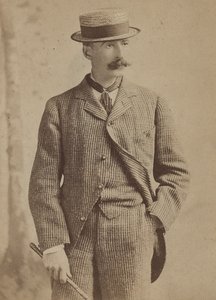
Winslow Homer
1836 - 1910 , Statele Unite ale Americii
Detalii rapide
- Artistic Movement Or Style: Realism american
- Artists Or Movements Influenced By This Artist: ['Pictori americani']
- Artists Who Influenced This Artist:
- Barbizon
- Courbet
- Millet
- Date Of Birth: 3 octombrie 1836
- Date Of Death: 1910
- Full Name: Winslow Homer
- Nationality: American
- Notable Artworks:
- Breezing Up
- Gulf Stream
- Inocență
- Place Of Birth: Boston, SUA