Previzualizare
 Trimite
 Distribuie
 Detalii despre lucrare

 Descarcă
 Produse similare
 Radiografie
 Diapozitive automate
NUIT D'ETE


 Vezi mai mult
Giclée / Imprimare artistică
Printuri giclée sau pe canvas de calitate muzeală, cu proces de producție rapid și opțiuni flexibile de finisare. ( Comandă pictură lucrată manual Cumpără imaginea)




P118B $10

P118H $10

P118W $10

P438Z $10

P508JH $12

P508YH $12

P805H $10

P805Z $10

P919BZ $10

P919G $10

P919XJ $10

P959ZH $10

P968JZ $12

W106C $8

W218G $10

W218JH $8

W218Y $10

W307PJ $10

W316G $10

W316PJ $8

W316Y $10

W398PJ $8

W4111J $10

W500HY $15

W500JH $15

W692G $12

W849H $8

W940BG $15

W953PJ $8




Alegeți dintre dimensiunile noastre prestabilite, care respectă proporțiile originale ale operei de artă.

Puteți introduce propriile dimensiuni pentru a se potrivi unui anumit cadru sau spațiu. Dacă dimensiunea selectată nu corespunde proporțiilor imaginii originale, vom decupa lucrarea de artă sau vom extinde imaginea cu margini oglindite sau cu o culoare uniformă. Un mockup digital va fi trimis pentru aprobarea dumneavoastră înainte de începerea producției.
Vă rugăm să rețineți că previzualizarea de pe ecran nu reflectă decuparea sau extinderea reală. Doar mockup-ul va arăta cu exactitate compoziția finală.
Deși dimensiunile personalizate sunt disponibile, vă recomandăm să selectați o dimensiune din lista predefinită pentru a păstra proporțiile originale.
Livrare în întreaga lume () în 2 săptămâni, în loc de cele 4/5 săptămâni standard. (30 August)

Livrare expres gratuită la nivel mondial

Pânză de in de înaltă calitate

Asigurare completă pentru transport

Garanție de rambursare a taxelor vamale

Garanția fidelității culorilor

Politica de retur în 60 de zile (doar pentru defecte)

Garanție de rambursare 100%

Ofertă pentru comenzi multiple
 Opțiunea cu sticlă este disponibilă doar pentru dimensiuni de sub 110 cm

NUIT D'ETE
Giclée / Imprimare artistică
Dimensiune reproducere
-


Preț total calculat
$ 80
Nuit d'Été: A Nocturne of Dreams by Winslow Homer
Winslow Homer’s “Nuit d’Été” (Summer Night), painted in 1890, isn’t merely a depiction of a seaside scene; it’s an immersion into a realm of quiet contemplation and ethereal beauty. This oil on canvas transports the viewer to a moonlit beach, where the familiar becomes subtly transformed – a place where reality blurs with dream and the boundaries between observer and observed dissolve. Homer, a pivotal figure in American art, masterfully captures the fleeting magic of twilight, imbuing the painting with a profound sense of solitude and peaceful mystery.
The composition is dominated by a vast expanse of dark blue and gray sky, reflecting in the turbulent yet serene waters below. Two women, their forms partially obscured by shadow, stand on the left shore, seemingly engaged in an unspoken conversation or perhaps simply lost in thought. A third figure, closer to the water’s edge, adds depth and hints at a shared experience within this intimate space. The brushstrokes are loose and expressive, characteristic of Homer's later style – a deliberate departure from the more rigid realism of his earlier work. He abandons precise detail in favor of capturing the *feeling* of the scene: the dampness of the air, the shimmer of moonlight on the waves, the subtle shifts in light and shadow.
The Impressionistic Palette and Light’s Dance
Homer's masterful use of color is central to the painting’s evocative power. He employs a subdued palette – predominantly dark blues, grays, and blacks – creating an atmosphere of nocturnal depth. However, these somber tones are punctuated by flashes of silvery light, primarily reflecting off the water and the women’s clothing. This interplay of darkness and illumination isn't simply decorative; it’s a deliberate strategy to mimic the way moonlight actually behaves—a diffused, shimmering glow that transforms familiar objects into ghostly apparitions. The artist expertly renders the effect of light dancing on the surface of the sea, creating an almost palpable sense of movement and texture.
The painting's style leans heavily toward Impressionism, a movement gaining momentum in Europe at the time. Homer, having spent some time studying in Paris, absorbed many of its principles – particularly the emphasis on capturing fleeting moments and the subjective experience of light and color. Yet, “Nuit d’Été” retains a distinctly American sensibility; it's not a slavish imitation of French Impressionism but rather a unique synthesis of European techniques with Homer’s own deeply rooted understanding of the American landscape and its people.
Symbolism and Emotional Resonance
Beyond its technical brilliance, “Nuit d’Été” is rich in symbolism. The solitary figures on the beach evoke themes of isolation, contemplation, and perhaps even a touch of melancholy. They are not actively engaged in any particular activity; they simply *are*, existing within this quiet, dreamlike space. The moonlit sea itself can be interpreted as a metaphor for the subconscious—a realm of hidden emotions and unspoken desires. The painting’s overall mood is one of serene beauty tinged with a subtle sense of longing or wistfulness.
Interestingly, Homer's own biography adds another layer of meaning to this work. He began his career as a commercial illustrator, often depicting scenes of urban life and social gatherings. “Nuit d’Été” represents a significant shift in his artistic direction—a move toward more personal and introspective themes. It reflects a desire to capture the essence of nature and human experience, rather than simply documenting reality for a commercial audience.
A Timeless Masterpiece
“Nuit d’Été” remains one of Winslow Homer's most celebrated works, admired for its atmospheric beauty, evocative symbolism, and masterful technique. It’s a painting that invites repeated viewing, revealing new nuances and subtleties with each encounter. Whether displayed in a grand salon or a cozy corner, this luminous nocturne continues to captivate viewers with its quiet power and timeless appeal.
Biografie artist
A Brush with the American Spirit: The Life and Art of Winslow Homer
Winslow Homer, born in Boston in 1836, wasn’t sculpted by the traditional European art academies that shaped so many of his contemporaries. Instead, he emerged from a distinctly American experience, one rooted in practicality and observation. His journey began not with grand historical canvases, but as a commercial illustrator at the tender age of twelve for Harper's Weekly. This early apprenticeship was formative, honing an exceptional ability to capture scenes with clarity and detail – skills that would become hallmarks of his mature work. He wasn’t learning perspective in Paris; he was learning to *see* America, its people, and its unfolding story. The bustling streets of Boston, the quiet dignity of rural New England life, these were his first subjects, rendered with a precision born of necessity for the demands of print media. This foundation allowed him to transition into painting, initially in watercolor, before fully embracing the expressive potential of oil paints.From Pastoral Scenes to the Raw Power of Nature
Homer’s early paintings often depicted idyllic scenes – children playing, farmers tending their fields, quiet moments of domesticity. These works, while charming, hinted at a deeper artistic sensibility waiting to be unleashed. The catalyst for this transformation was undoubtedly the Civil War. As a war correspondent for Harper's Weekly, Homer witnessed firsthand the brutal realities of conflict. He didn’t focus on heroic battles or grand strategies; instead, he documented the everyday lives of soldiers and civilians, the quiet moments of grief and resilience amidst chaos. This experience profoundly altered his artistic vision. The pastoral scenes gave way to more challenging subjects: veterans grappling with trauma, freed slaves navigating a new world, and the stark beauty of landscapes touched by hardship. He began to explore themes of struggle, isolation, and humanity’s precar He wasn't interested in imitating European styles; he wanted to create an art that was uniquely American, reflecting its landscapes, its people, and its challenges. His style also evolved, becoming bolder and more direct, reflecting the raw emotional impact of what he had witnessed. Breezing Up (A Fair Wind), painted in 1876, exemplifies this skill – a quintessential depiction of American maritime life, brimming with energy and movement. The Gulf Stream, created decades later, is perhaps his most iconic work, a powerful and symbolic portrayal of a lone man battling the forces of nature, a metaphor for human struggle against overwhelming odds. He possessed an extraordinary ability to capture light, whether it was the dazzling glare of the sun on the ocean or the soft glow of twilight over a rural landscape. This mastery extended to his watercolors, where he achieved remarkable atmospheric effects through vibrant colors and delicate washes. Innocence, a poignant portrayal of childhood set against the backdrop of nature, and **Man of Science** demonstrate this commitment.Mastering Light, Texture, and the American Landscape
Winslow Homer's artistic technique is immediately recognizable for its solidity and texture. He wasn’t interested in fleeting impressions; he wanted to build up a sense of tangible reality on the canvas. His oil paintings are characterized by a direct painting approach – layers of paint applied with confidence, creating depth and luminosity. He possessed an extraordinary ability to capture light, whether it was the dazzling glare of the sun on the ocean or the soft glow of twilight over a rural landscape. This mastery extended to his watercolors, where he achieved remarkable atmospheric effects through vibrant colors and delicate washes. His unwavering dedication to observation—a cornerstone of American Realism—allowed him to translate the visual world onto canvas with unparalleled accuracy and emotional resonance.A Legacy Forged in American Realism
Winslow Homer's art offers a profound window into 19th-century America, providing invaluable insights into the social, political, and cultural landscape of his time. His paintings are not merely beautiful representations; they are powerful statements about human resilience, the beauty and power of nature, and the complexities of the American experience. He died in 1910, leaving behind a prolific body of work that continues to resonate with audiences today. His ability to depict America with honesty and authenticity—rejecting romantic idealism for gritty realism—established him as one of America’s most important and enduring artists. He wasn't just painting pictures; he was documenting a moment in time, preserving it for generations to come.- His work continues to inspire contemporary artists.
- Homer remains a pivotal figure in the development of American Realism.
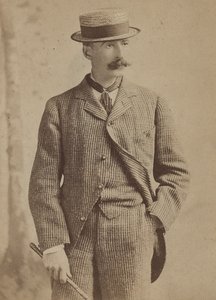
Winslow Homer
1836 - 1910 , Statele Unite ale Americii
Detalii rapide
- Artistic Movement Or Style: Realism american
- Artists Or Movements Influenced By This Artist: ['Pictori americani']
- Artists Who Influenced This Artist:
- Barbizon
- Courbet
- Millet
- Date Of Birth: 3 octombrie 1836
- Date Of Death: 1910
- Full Name: Winslow Homer
- Nationality: American
- Notable Artworks:
- Breezing Up
- Gulf Stream
- Inocență
- Place Of Birth: Boston, SUA
Articole similare
Winslow Homer: Cele Mai Iconice 25 De Opere – Artă, Istorie și Decorațiuni Excepționale
Descoperă cele mai frumoase 25 de picturi Winslow Homer! Explorează operele iconice ale artistului american, acuarele vibrante și peisaje marine impresionante. Găsește inspirație pentru decorul casei tale cu reproduceri artă de calitate muzeală pe OriginalUniqueArt.com.

Realism American: 10 Capodopere Esențiale pentru Decorul Cult și Rafinat
Descoperă 10 capodopere esențiale ale Realismului American! Explorează poveștile din spatele picturilor lui Hopper, Wyeth și Wood. Reproduceri de artă premium pentru un decor rafinat pe OriginalUniqueArt.com

The Allure of the Horizon: A Comprehensive Exploration of Seascape Art Through History & Emotion
Explore the captivating world of seascape art! Discover its history, key artists & movements – from Dutch Masters to Impressionism. Expert insights for collectors and enthusiasts at OriginalUniqueArt.

The Enduring Legacy of Oil on Canvas: Technique, History & Aesthetic Impact
Explore the rich history & techniques of oil painting – from Renaissance masters to Impressionism. Discover pigments, layering methods, and why this timeless medium endures. Expert insights for artists & art enthusiasts.

Oil on Canvas: A Historical & Technical Exploration of a Timeless Artistic Medium
Explore the rich history & enduring techniques of oil painting on canvas. Discover the science behind its longevity, conservation practices, and contemporary relevance. Expert insights for art enthusiasts.