Vezi în context
 Trimite
 Distribuie
 Detalii

 Descarcă
 Produse similare
 Radiografie
 Diaporama
 Statistici
Kissing the Moon


 Citește mai mult
Giclée / Imprimare artistică
Printuri giclée sau pe canvas de calitate muzeală, cu proces de producție rapid și opțiuni flexibile de finisare. ( Comandă pictură realizată manual Treci la imagine digitală)




P118B $10

P118H $10

P118W $10

P438Z $10

P508JH $12

P508YH $12

P805H $10

P805Z $10

P919BZ $10

P919G $10

P919XJ $10

P959ZH $10

P968JZ $12

W106C $8

W218G $10

W218JH $8

W218Y $10

W307PJ $10

W316G $10

W316PJ $8

W316Y $10

W398PJ $8

W4111J $10

W500HY $15

W500JH $15

W692G $12

W849H $8

W940BG $15

W953PJ $8




Alegeți dintre dimensiunile noastre prestabilite, care respectă proporțiile originale ale operei de artă.

Puteți introduce propriile dimensiuni pentru a se potrivi unui anumit cadru sau spațiu. Dacă dimensiunea selectată nu corespunde proporțiilor imaginii originale, vom decupa lucrarea de artă sau vom extinde imaginea cu margini oglindite sau cu o culoare uniformă. Un mockup digital va fi trimis pentru aprobarea dumneavoastră înainte de începerea producției.
Vă rugăm să rețineți că previzualizarea de pe ecran nu reflectă decuparea sau extinderea reală. Doar mockup-ul va arăta cu exactitate compoziția finală.
Deși dimensiunile personalizate sunt disponibile, vă recomandăm să selectați o dimensiune din lista predefinită pentru a păstra proporțiile originale.
Livrare în întreaga lume () în 2 săptămâni, în loc de cele 4/5 săptămâni standard. (16 Septembrie)

Livrare expres gratuită la nivel mondial

Pânză de in premium

Asigurare completă pentru transport

Garanție de rambursare a taxelor vamale

Garanția fidelității culorilor

Politica de retur în 100 de zile (doar pentru defecte)

Garanție de rambursare 100%

Reducere pentru comenzi multiple
 Opțiunea cu sticlă este disponibilă doar pentru dimensiuni de sub 110 cm

Kissing the Moon
Giclée / Imprimare artistică
Dimensiune reproducere
-


Preț total
$ 80
A Nocturne of Solitude: Unveiling Winslow Homer’s *Kissing the Moon*
Winslow Homer's *Kissing the Moon*, painted in 1904, is more than just a seascape; it’s an evocative meditation on humanity’s relationship with the vast and often indifferent power of nature. The painting depicts three figures seated in a small boat, seemingly adrift under the luminous glow of a large moon. Their silhouettes are cast against a turbulent sea, creating a scene steeped in quiet contemplation and a touch of melancholy. Currently residing at the Addison Gallery of American Art, this oil on canvas exemplifies Homer’s mature style and his profound connection to the maritime world.Artistic Style & Technique
Homer, renowned for capturing the essence of life by the sea, moved away from narrative storytelling in his later years towards more atmospheric and symbolic works like *Kissing the Moon*. His technique is characterized by loose, expressive brushstrokes that convey movement and texture. The painting isn’t about precise representation; it's about *feeling* – the chill of the night air, the rocking of the boat, the immensity of the ocean. The dominant cool tones—blues, grays, and browns—reinforce this somber yet serene mood. Homer masterfully uses light and shadow, with the moon acting as a primary source of illumination, highlighting the figures’ faces and creating dramatic contrasts across the water's surface.Historical Context & Influences
Painted during a period of significant change in American art—bridging Realism and Impressionism—*Kissing the Moon* reflects a growing interest in subjective experience and emotional resonance. While Homer was influenced by earlier Romantic landscape painters, he developed a uniquely American voice, focusing on scenes of coastal life and the rugged beauty of New England. The early 20th century also saw increasing urbanization and industrialization; this painting can be interpreted as a yearning for connection with the natural world, a retreat from the complexities of modern life.Symbolism & Interpretation
The title itself, *Kissing the Moon*, is poetic and suggestive. The moon has long been associated with romance, mystery, and the subconscious. Here, it seems to represent an unattainable ideal or a source of solace in the face of life’s uncertainties. The figures' posture—facing outwards towards the sea—suggests a sense of isolation and introspection. The inclusion of seemingly mundane details like the umbrellas and clock adds layers of intrigue. Are they remnants of a leisurely evening, or do they symbolize the passage of time and the fleeting nature of experience? The boat itself can be seen as a metaphor for life’s journey – small and vulnerable against the immensity of the ocean.Emotional Impact & Aesthetic Appeal
*Kissing the Moon* evokes a powerful sense of tranquility mixed with underlying tension. It invites viewers to contemplate their own place in the universe and to reflect on the beauty and power of nature. The painting’s subdued palette and atmospheric quality create a mood that is both calming and thought-provoking. Its enduring appeal lies in its ability to resonate with universal themes of solitude, contemplation, and the search for meaning. For interior designers, this artwork offers a sophisticated touch of coastal elegance, lending itself well to spaces seeking a sense of calm and refined beauty. The painting’s horizontal composition also makes it suitable for various room layouts.Collecting & Reproductions
Owning a piece of art history is now accessible through high-quality reproductions available on OriginalUniqueArt.com. These handmade oil paintings capture the essence and detail of Homer’s original masterpiece, allowing you to bring the serenity of *Kissing the Moon* into your home or office. Whether you are a seasoned collector or simply an admirer of American art, Winslow Homer's *Kissing the Moon* is a timeless treasure that continues to captivate audiences today.- Oil on canvas – providing depth and texture.
- Masterful depiction of atmospheric perspective and light.
- Symbolic representation of human connection with nature.
Biografie artist
A Brush with the American Spirit: The Life and Art of Winslow Homer
Winslow Homer, born in Boston in 1836, wasn’t sculpted by the traditional European art academies that shaped so many of his contemporaries. Instead, he emerged from a distinctly American experience, one rooted in practicality and observation. His journey began not with grand historical canvases, but as a commercial illustrator at the tender age of twelve for Harper's Weekly. This early apprenticeship was formative, honing an exceptional ability to capture scenes with clarity and detail – skills that would become hallmarks of his mature work. He wasn’t learning perspective in Paris; he was learning to *see* America, its people, and its unfolding story. The bustling streets of Boston, the quiet dignity of rural New England life, these were his first subjects, rendered with a precision born of necessity for the demands of print media. This foundation allowed him to transition into painting, initially in watercolor, before fully embracing the expressive potential of oil paints.From Pastoral Scenes to the Raw Power of Nature
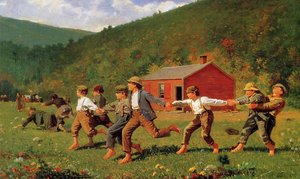
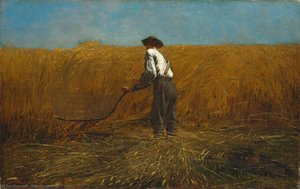
Homer’s early paintings often depicted idyllic scenes – children playing, farmers tending their fields, quiet moments of domesticity. These works, while charming, hinted at a deeper artistic sensibility waiting to be unleashed. The catalyst for this transformation was undoubtedly the Civil War. As a war correspondent for Harper's Weekly, Homer witnessed firsthand the brutal realities of conflict. He didn’t focus on heroic battles or grand strategies; instead, he documented the everyday lives of soldiers and civilians, the quiet moments of grief and resilience amidst chaos. This experience profoundly altered his artistic vision. The pastoral scenes gave way to more challenging subjects: veterans grappling with trauma, freed slaves navigating a new world, and the stark beauty of landscapes touched by hardship. He began to explore themes of struggle, isolation, and humanity’s precar He wasn't interested in imitating European styles; he wanted to create an art that was uniquely American, reflecting its landscapes, its people, and its challenges. His style also evolved, becoming bolder and more direct, reflecting the raw emotional impact of what he had witnessed. Breezing Up (A Fair Wind), painted in 1876, exemplifies this skill – a quintessential depiction of American maritime life, brimming with energy and movement. The Gulf Stream, created decades later, is perhaps his most iconic work, a powerful and symbolic portrayal of a lone man battling the forces of nature, a metaphor for human struggle against overwhelming odds. He possessed an extraordinary ability to capture light, whether it was the dazzling glare of the sun on the ocean or the soft glow of twilight over a rural landscape. This mastery extended to his watercolors, where he achieved remarkable atmospheric effects through vibrant colors and delicate washes. Innocence, a poignant portrayal of childhood set against the backdrop of nature, and **Man of Science** demonstrate this commitment.Mastering Light, Texture, and the American Landscape
Winslow Homer's artistic technique is immediately recognizable for its solidity and texture. He wasn’t interested in fleeting impressions; he wanted to build up a sense of tangible reality on the canvas. His oil paintings are characterized by a direct painting approach – layers of paint applied with confidence, creating depth and luminosity. He possessed an extraordinary ability to capture light, whether it was the dazzling glare of the sun on the ocean or the soft glow of twilight over a rural landscape. This mastery extended to his watercolors, where he achieved remarkable atmospheric effects through vibrant colors and delicate washes. His unwavering dedication to observation—a cornerstone of American Realism—allowed him to translate the visual world onto canvas with unparalleled accuracy and emotional resonance.A Legacy Forged in American Realism
Winslow Homer's art offers a profound window into 19th-century America, providing invaluable insights into the social, political, and cultural landscape of his time. His paintings are not merely beautiful representations; they are powerful statements about human resilience, the beauty and power of nature, and the complexities of the American experience. He died in 1910, leaving behind a prolific body of work that continues to resonate with audiences today. His ability to depict America with honesty and authenticity—rejecting romantic idealism for gritty realism—established him as one of America’s most important and enduring artists. He wasn't just painting pictures; he was documenting a moment in time, preserving it for generations to come.- His work continues to inspire contemporary artists.
- Homer remains a pivotal figure in the development of American Realism.
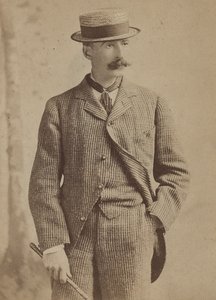
Winslow Homer
1836 - 1910 , Statele Unite ale Americii
Informații rapide
- Artistic Movement Or Style: Realism american
- Artists Or Movements Influenced By This Artist: ['Pictori americani']
- Artists Who Influenced This Artist:
- Barbizon
- Courbet
- Millet
- Date Of Birth: 3 octombrie 1836
- Date Of Death: 1910
- Full Name: Winslow Homer
- Nationality: American
- Notable Artworks:
- Breezing Up
- Gulf Stream
- Inocență
- Place Of Birth: Boston, SUA
Articole conexe

Oil on Canvas: A Historical & Technical Exploration of a Timeless Artistic Medium
Explore the rich history & enduring techniques of oil painting on canvas. Discover the science behind its longevity, conservation practices, and contemporary relevance. Expert insights for art enthusiasts.

The Enduring Legacy of Oil on Canvas: Technique, History & Aesthetic Impact
Explore the rich history & techniques of oil painting – from Renaissance masters to Impressionism. Discover pigments, layering methods, and why this timeless medium endures. Expert insights for artists & art enthusiasts.

Realism American: 10 Capodopere Esențiale pentru Decorul Cult și Rafinat
Descoperă 10 capodopere esențiale ale Realismului American! Explorează poveștile din spatele picturilor lui Hopper, Wyeth și Wood. Reproduceri de artă premium pentru un decor rafinat pe OriginalUniqueArt.com

Moștenirea Durabilă a Picturii în Ulei: Tehnică, Istorie și Practică Contemporană
Descoperă istoria fascinantă și tehnicile esențiale ale picturii în ulei. Ghid complet pentru artiști, de la materiale până la creații contemporane. Îmbunătățește-ți abilitățile artistice!
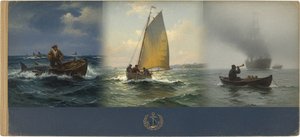
Winslow Homer: Cele Mai Iconice 25 De Opere – Artă, Istorie și Decorațiuni Excepționale
Descoperă cele mai frumoase 25 de picturi Winslow Homer! Explorează operele iconice ale artistului american, acuarele vibrante și peisaje marine impresionante. Găsește inspirație pentru decorul casei tale cu reproduceri artă de calitate muzeală pe OriginalUniqueArt.com.