Previzualizare
 Trimite
 Distribuie
 Detalii despre lucrare

 Descarcă
 Produse similare
 Radiografie
 Diapozitive automate
How Many Eggs

 Vezi mai mult
Reproducere pictată manual în ulei
Pictură în ulei pe pânză, realizată manual de artiștii noștri la dimensiunea și ramele dorite de dumneavoastră, pe comandă. ( Comandă printul Cumpără imaginea)




P118B $10

P118H $10

P118W $10

P438Z $10

P508JH $12

P508YH $12

P805H $10

P805Z $10

P919BZ $10

P919G $10

P919XJ $10

P959ZH $10

P968JZ $12

W106C $8

W218G $10

W218JH $8

W218Y $10

W307PJ $10

W316G $10

W316PJ $8

W316Y $10

W398PJ $8

W4111J $10

W500HY $15

W500JH $15

W692G $12

W849H $8

W940BG $15

W953PJ $8




Alegeți dintre dimensiunile noastre prestabilite, care respectă proporțiile originale ale operei de artă.

Puteți introduce propriile dimensiuni pentru a se potrivi unui anumit cadru sau spațiu. Dacă dimensiunea selectată nu corespunde proporțiilor imaginii originale, vom decupa opera de artă sau vom extinde pictura cu elemente suplimentare pictate manual. O simulare digitală vă va fi trimisă pentru aprobare înainte de începerea producției.
Vă rugăm să rețineți că previzualizarea de pe ecran nu reflectă decuparea sau extinderea reală. Doar macheta va arăta cu exactitate compoziția finală.
Deși sunt disponibile dimensiuni personalizate, vă recomandăm să selectați o dimensiune din lista predefinită pentru a păstra proporțiile originale.
După plasarea comenzii, echipa OriginalUniqueArt.com va contacta clientul prin e-mail pentru instrucțiuni și îi va furniza o previzualizare a machetei
Livrare în întreaga lume () în 3-4 săptămâni, în loc de cele 5 săptămâni standard. (14 August). Fără compromisuri în ceea ce privește calitatea.

Livrare expres gratuită la nivel mondial

Pânză de in de înaltă calitate

Asigurare completă pentru transport

Garanție de rambursare a taxelor vamale

Garanția fidelității culorilor

Politica de retur în 60 de zile (doar pentru defecte)

Garanție de rambursare 100%

Ofertă pentru comenzi multiple
 Opțiunea cu sticlă este disponibilă doar pentru dimensiuni de sub 110 cm

How Many Eggs
Tehnică de reproducere
Dimensiune reproducere
-


Preț total calculat
$ 325
Descriere operă de artă
A Moment of Childhood Wonder: Exploring Winslow Homer’s “How Many Eggs”
This captivating painting by American master Winslow Homer invites us into a quiet moment of childhood exploration. The scene depicts a young boy, suspended playfully by his feet in the soft embrace of a sandy dune, seemingly lost in the simple act of digging. It's an image brimming with nostalgia and a profound connection to the natural world.Style & Technique: A Blend of Realism and Impressionistic Flair
“How Many Eggs” exemplifies Homer’s evolving style – a masterful blend of realism honed by his early career as an illustrator, infused with a growing sensitivity to light and atmosphere. The work leans towards realism in its detailed rendering of the landscape—the textures of the sand, the sparse vegetation, and the scattered rocks are all meticulously observed. However, there's also a looseness in the brushwork, particularly evident in the depiction of the dune itself, hinting at an emerging impressionistic sensibility. The technique appears to be watercolor or gouache on paper, lending a soft blending of colors and a slightly translucent quality that enhances the painting’s ethereal feel.Composition & Visual Elements
The composition is powerfully structured by the diagonal thrust of the dune, which dominates the scene and directs our eye upwards towards the boy's suspended form. This upward trajectory creates a sense of movement and youthful energy. Warm earth tones – ochre, tan, and reddish-brown – define the sandy landscape, beautifully contrasted by cool blues in the sky and subtle greens in the vegetation. The inclusion of scattered birds adds to the naturalistic feel, while the figure observing from above introduces a narrative element, suggesting an adult presence witnessing this private moment. Linear perspective is skillfully employed, creating depth and drawing the viewer into the scene.Historical Context & Artistic Lineage
Winslow Homer (1836-1910) was a pivotal figure in 19th-century American art, renowned for his depictions of both rural life and dramatic marine scenes. While best known for his powerful seascapes, works like “How Many Eggs” demonstrate his versatility and ability to capture the essence of everyday American life. The painting’s quiet intimacy and focus on a solitary figure within nature resonate with the spirit of late 19th-century American art, particularly its growing interest in regionalism and the celebration of national identity. It also shares aesthetic qualities with artists like Andrew Wyeth, who similarly explored themes of isolation and connection to place through realistic depictions of rural landscapes.Symbolism & Emotional Resonance
Beyond its surface realism, “How Many Eggs” is rich in symbolic meaning. The boy’s playful activity represents innocence, curiosity, and the boundless energy of childhood. His suspended position could be interpreted as a metaphor for being caught between worlds – childhood and adulthood, earth and sky. The vastness of the dune emphasizes the smallness of the individual within the grandeur of nature, prompting reflection on our place in the world. The overall emotional impact is one of peaceful contemplation and nostalgic longing—a gentle reminder of simpler times and the enduring power of imagination.For Collectors & Interior Designers
- A Timeless Investment: A Winslow Homer work, even a high-quality reproduction, represents a significant investment in American art history.
- Versatile Aesthetic: The painting’s warm color palette and natural subject matter make it suitable for a wide range of interior design styles – from traditional to contemporary.
- Focal Point Potential: “How Many Eggs” would serve as a captivating focal point in a living room, study, or bedroom, adding depth and character to any space.
- Evocative Atmosphere: The painting’s serene atmosphere can create a sense of calm and tranquility within a home.
Biografie artist
A Brush with the American Spirit: The Life and Art of Winslow Homer
Winslow Homer, born in Boston in 1836, wasn’t sculpted by the traditional European art academies that shaped so many of his contemporaries. Instead, he emerged from a distinctly American experience, one rooted in practicality and observation. His journey began not with grand historical canvases, but as a commercial illustrator at the tender age of twelve for Harper's Weekly. This early apprenticeship was formative, honing an exceptional ability to capture scenes with clarity and detail – skills that would become hallmarks of his mature work. He wasn’t learning perspective in Paris; he was learning to *see* America, its people, and its unfolding story. The bustling streets of Boston, the quiet dignity of rural New England life, these were his first subjects, rendered with a precision born of necessity for the demands of print media. This foundation allowed him to transition into painting, initially in watercolor, before fully embracing the expressive potential of oil paints.From Pastoral Scenes to the Raw Power of Nature
Homer’s early paintings often depicted idyllic scenes – children playing, farmers tending their fields, quiet moments of domesticity. These works, while charming, hinted at a deeper artistic sensibility waiting to be unleashed. The catalyst for this transformation was undoubtedly the Civil War. As a war correspondent for Harper's Weekly, Homer witnessed firsthand the brutal realities of conflict. He didn’t focus on heroic battles or grand strategies; instead, he documented the everyday lives of soldiers and civilians, the quiet moments of grief and resilience amidst chaos. This experience profoundly altered his artistic vision. The pastoral scenes gave way to more challenging subjects: veterans grappling with trauma, freed slaves navigating a new world, and the stark beauty of landscapes touched by hardship. He began to explore themes of struggle, isolation, and humanity’s precar He wasn't interested in imitating European styles; he wanted to create an art that was uniquely American, reflecting its landscapes, its people, and its challenges. His style also evolved, becoming bolder and more direct, reflecting the raw emotional impact of what he had witnessed. Breezing Up (A Fair Wind), painted in 1876, exemplifies this skill – a quintessential depiction of American maritime life, brimming with energy and movement. The Gulf Stream, created decades later, is perhaps his most iconic work, a powerful and symbolic portrayal of a lone man battling the forces of nature, a metaphor for human struggle against overwhelming odds. He possessed an extraordinary ability to capture light, whether it was the dazzling glare of the sun on the ocean or the soft glow of twilight over a rural landscape. This mastery extended to his watercolors, where he achieved remarkable atmospheric effects through vibrant colors and delicate washes. Innocence, a poignant portrayal of childhood set against the backdrop of nature, and **Man of Science** demonstrate this commitment.Mastering Light, Texture, and the American Landscape
Winslow Homer's artistic technique is immediately recognizable for its solidity and texture. He wasn’t interested in fleeting impressions; he wanted to build up a sense of tangible reality on the canvas. His oil paintings are characterized by a direct painting approach – layers of paint applied with confidence, creating depth and luminosity. He possessed an extraordinary ability to capture light, whether it was the dazzling glare of the sun on the ocean or the soft glow of twilight over a rural landscape. This mastery extended to his watercolors, where he achieved remarkable atmospheric effects through vibrant colors and delicate washes. His unwavering dedication to observation—a cornerstone of American Realism—allowed him to translate the visual world onto canvas with unparalleled accuracy and emotional resonance.A Legacy Forged in American Realism
Winslow Homer's art offers a profound window into 19th-century America, providing invaluable insights into the social, political, and cultural landscape of his time. His paintings are not merely beautiful representations; they are powerful statements about human resilience, the beauty and power of nature, and the complexities of the American experience. He died in 1910, leaving behind a prolific body of work that continues to resonate with audiences today. His ability to depict America with honesty and authenticity—rejecting romantic idealism for gritty realism—established him as one of America’s most important and enduring artists. He wasn't just painting pictures; he was documenting a moment in time, preserving it for generations to come.- His work continues to inspire contemporary artists.
- Homer remains a pivotal figure in the development of American Realism.
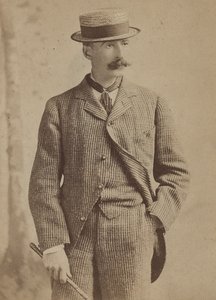
Winslow Homer
1836 - 1910 , Statele Unite ale Americii
Detalii rapide
- Artistic Movement Or Style: Realism american
- Artists Or Movements Influenced By This Artist: ['Pictori americani']
- Artists Who Influenced This Artist:
- Barbizon
- Courbet
- Millet
- Date Of Birth: 3 octombrie 1836
- Date Of Death: 1910
- Full Name: Winslow Homer
- Nationality: American
- Notable Artworks:
- Breezing Up
- Gulf Stream
- Inocență
- Place Of Birth: Boston, SUA
Articole similare
Winslow Homer: Cele Mai Iconice 25 De Opere – Artă, Istorie și Decorațiuni Excepționale
Descoperă cele mai frumoase 25 de picturi Winslow Homer! Explorează operele iconice ale artistului american, acuarele vibrante și peisaje marine impresionante. Găsește inspirație pentru decorul casei tale cu reproduceri artă de calitate muzeală pe OriginalUniqueArt.com.

Realism American: 10 Capodopere Esențiale pentru Decorul Cult și Rafinat
Descoperă 10 capodopere esențiale ale Realismului American! Explorează poveștile din spatele picturilor lui Hopper, Wyeth și Wood. Reproduceri de artă premium pentru un decor rafinat pe OriginalUniqueArt.com

Top 10 Capodopere Acvarelă Legendară care au Schimbat Arta pentru Totdeauna | OriginalUniqueArt.ro
Descoperă Top 10 capodopere acuarelă legendară de la Sargent, Turner și alți maeștri! Explorează istoria artei, tehnicile unice și paletele vibrante. Reproduceri de artă de calitate muzeală pentru decorul perfect pe OriginalUniqueArt.com.

Ephemeral Visions: Exploring the Artistic Legacy & Contemporary Practice of Watercolor Painting
Explore the captivating world of watercolor painting! Discover its rich history, essential techniques, influential artists & collecting tips. A comprehensive guide for art enthusiasts from OriginalUniqueArt.

Ephemeral Visions: Exploring the Artistic Legacy & Nuances of Watercolor Painting
Explore the captivating world of watercolor painting! Discover its rich history, essential techniques, influential artists & collecting tips from art experts. A comprehensive guide for enthusiasts.