 Previzualizare
 Trimite prin felicitare
 Distribuie
 Detalii despre lucrare
 Ghid
Ghid

 Descarcă imaginea
 Produse similare
 Radiografie
 Galerie foto
 Q&A
Q&A Statistici
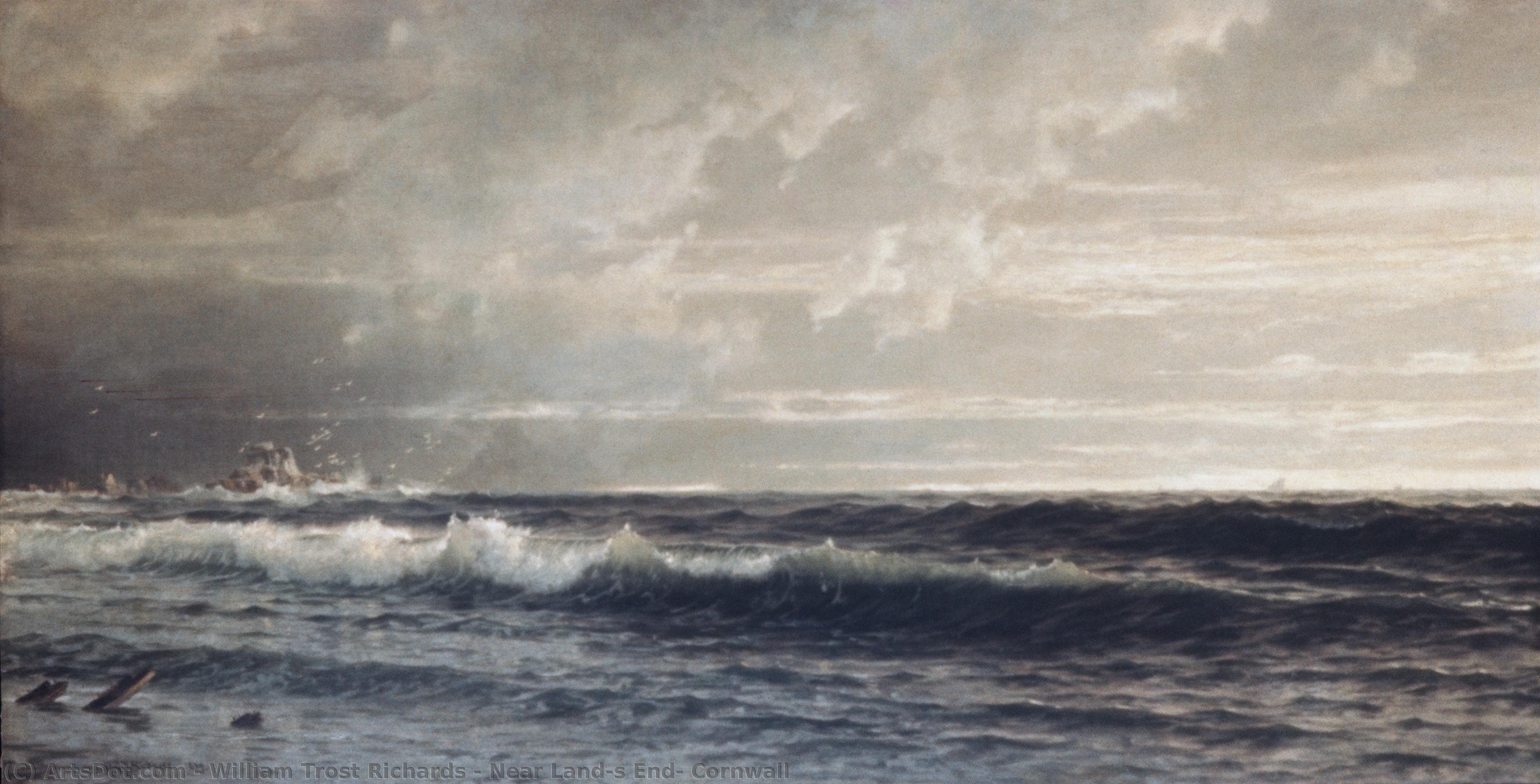
Near Land's End, Cornwall

- 59.0 x 112.0 cm


 Vezi mai mult
Giclée / Imprimare artistică
Printuri giclée sau pe canvas de calitate muzeală, cu proces de producție rapid și opțiuni flexibile de finisare. ( Comandă pictură realizată manual Comută pe Imagine Digitală)




P118B lei10

P118H lei10

P118W lei10

P438Z lei10

P508JH lei12

P508YH lei12

P805H lei10

P805Z lei10

P919BZ lei10

P919G lei10

P919XJ lei10

P959ZH lei10

P968JZ lei12

W106C lei8

W218G lei10

W218JH lei8

W218Y lei10

W307PJ lei10

W316G lei10

W316PJ lei8

W316Y lei10

W398PJ lei8

W4111J lei10

W500HY lei15

W500JH lei15

W692G lei12

W849H lei8

W940BG lei15

W953PJ lei8




Alegeți dintre dimensiunile noastre prestabilite, care respectă proporțiile originale ale operei de artă.

Introduceți lățimea și înălțimea necesare pentru a se potrivi ramei sau peretelui dumneavoastră. O printare poate fi doar tăiată, niciodată extinsă dincolo de dimensiunea imaginii originale, astfel încât o dimensiune cu o formă diferită va pierde o parte din imagine. Vă trimitem o simulare digitală pentru aprobare înainte de a imprima orice. Imaginea afișată pe această pagină nu prezintă tăierea reală — doar simularea arată acest lucru.
Livrare în întreaga lume () în 2 săptămâni, în loc de cele 4/5 săptămâni standard. (2 Noiembrie)

Livrare expres gratuită la nivel mondial

Pânză de in de înaltă calitate

Asigurare completă pentru transport

Garanție de rambursare a taxelor vamale

Garanția fidelității culorilor

Politica de retur în 100 de zile (doar pentru defecte de fabricație)

Garanție de rambursare 100%

Ofertă pentru comenzi multiple
 Opțiunea cu sticlă este disponibilă doar pentru dimensiuni de sub 110 cm

Near Land's End, Cornwall
Giclée / Imprimare artistică
Dimensiune reproducere
-


Preț total calculat
lei 380
A Dramatic Embrace: William Trost Richards’ “Near Land’s End, Cornwall”
William Trost Richards' "Near Land’s End, Cornwall," painted in 1879, isn’t merely a depiction of a coastal scene; it’s an immersive experience. This oil on canvas transports the viewer to the rugged, windswept shores of southwestern England, capturing a moment of raw power and elemental beauty. Richards, a key figure bridging the realism of the Hudson River School with the meticulous detail of Pre-Raphaelite painting, eschewed romanticized vistas in favor of an almost scientific approach to rendering nature’s forces. He sought not to embellish, but to faithfully record the drama unfolding before him – a testament to his dedication to observation and craft.
The composition immediately commands attention with its horizontal format, drawing the eye across the vast expanse of turbulent water. The low horizon line amplifies the scale of the ocean, emphasizing its dominance over the land. Scattered boats in the distance offer a crucial element of human presence, providing a sense of scale and hinting at the lives intertwined with this formidable landscape. A solitary figure on the beach, positioned centrally within the frame, acts as an anchor for the viewer, inviting contemplation about humanity’s relationship to nature's grandeur – a small, vulnerable form confronting the immense power of the sea.
The Language of Light and Color
Dominating the palette is a carefully orchestrated symphony of cool tones: deep blues, steely greys, and shimmering whites. These colors perfectly mirror the overcast sky, creating an atmosphere of brooding intensity. Subtle variations within these hues – hints of warm browns and yellows in the distant landmass – provide a delicate contrast, preventing the scene from becoming overwhelmingly somber. Richards masterfully employs atmospheric perspective; objects receding into the distance appear paler and less distinct, skillfully conveying depth and spatial illusion. The visible brushstrokes, particularly evident in the rendering of the waves and clouds, contribute to a palpable sense of texture and movement.
The artist’s use of dynamic lines is crucial to the painting's impact. The crests of the waves are rendered with energetic, almost frenetic strokes, conveying an undeniable sense of motion and power. These lines aren’t simply decorative; they actively shape the composition, guiding the viewer’s eye through the scene. The shapes themselves – the irregular forms of the waves, clouds, and coastline – feel entirely organic, reflecting Richards' commitment to naturalism rather than idealized representation.
A Study in Detail and Technique
"Near Land’s End, Cornwall" exemplifies Richards’ meticulous technique. He employed short, choppy brushstrokes to capture the frothy texture of the waves, while softer marks were used to depict the billowing clouds. This deliberate layering of paint creates a remarkable sense of depth and volume, allowing the viewer to almost feel the spray of the ocean and the chill of the wind. The painting’s academic realism is further underscored by its evident adherence to 19th-century landscape conventions – a testament to Richards' rigorous training and unwavering dedication to his craft.
Symbolism and Emotional Resonance
Beyond its technical brilliance, “Near Land’s End, Cornwall” evokes a profound sense of awe and perhaps a touch of melancholy. The stormy atmosphere, the relentless crashing waves, and the solitary figure on the beach all contribute to this emotional resonance. It's a painting that speaks to the untamed beauty and inherent power of the Cornish coast – a reminder of humanity’s smallness in the face of nature’s majesty. The scene invites reflection on themes of resilience, vulnerability, and the enduring allure of the wild.
Întrebări și răspunsuri
În ce an și în cadrul cărui curent artistic a fost creată „Near Land's End, Cornwall”?
„Near Land's End, Cornwall” a fost creat în 1879, fiind o operă a mișcării Academic Realism. Data și stilul ancorează lucrarea în istoria artei.
Din ce curent artistic face parte "Near Land's End, Cornwall" de William Trost Richards?
Mișcarea asociată cu "Near Land's End, Cornwall" de William Trost Richards este Academic Realism. Această clasificare plasează lucrarea printre artiști și opere de artă conexe.
Culorile din "Near Land's End, Cornwall" par intense sau delicate?
Culorile din "Near Land's End, Cornwall" de William Trost Richards au o intensitate Monochromatic.
Biografie artist
A Meticulous Vision of Nature: The Life and Art of William Trost Richards
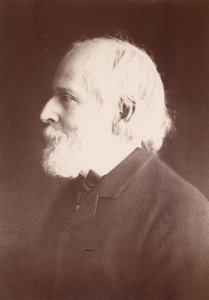
William Trost Richards, născut în Philadelphia pe 14 noiembrie 1833, ocupă o poziție unică în istoria picturii americane. Nu a fost motivat de flambaje dramatice sau idealuri romantizate, așa cum au fost mulți dintre contemporanii săi din Școala Hudsoniană; mai degrabă, Richards a urmărit o fidelitate aproape științifică față de natură, redând scene cu o precizie și un detaliu care atingeau realismul fotografic. Viața sa timpurie i-a oferit o bază solidă pentru această abordare distinctivă. Deși a fost educat formal la Central High School din Philadelphia, este ucenicia de între 1850 și 1855 cu artistul german Paul Weber, combinată cu lucrul ca designer de metaleria ornamentală, care i-au insuflat o dedicare pentru meșteșugul minuțios și observația. Această combinație de formare artistică și abilități practice a devenit marcajul distinctiv al stilului său matur. El nu picta doar ceea ce *simțea* despre natură; documenta cu meticulozitate ceea ce *vedea*.De la Influențe Europene la țărmurile Americii
Călătoria artistică a lui Richards l-a dus în Europa în 1853, alături de alți pictori William Stanley Haseltine și Alexander Lawrie. Această perioadă s-a dovedit a fi formativă, expunându-l la Școala Düsseldorf de pictură – renumită pentru peisajele sale detaliate. Cu toate acestea, la întoarcerea sa în America, Richards a început să își forjeze propriul drum distinct. A expus la Pennsylvania Academy of Fine Arts din 1852 până în 1905, câștigând recunoaștere în cadrul comunității artistice din Philadelphia. Prima sa expoziție majoră a avut loc în 1858 cu o prezentare organizată de Albert Bierstadt în New Bedford, Massachusetts, aliniindu-l, deși vag, la tradiția Școlii Hudsoniene. Cu toate acestea, chiar și atunci, lucrarea sa se distanța de celelalte. În timp ce alții căutau să captureze splendoarea sublimă a naturii, Richards s-a concentrat pe detaliile sale intricate – textura rocilor, jocul luminii pe apă, structura delicată a vegetației. În 1862 a fost ales membru onorariu al Academiei Naționale de Design și a devenit academician plenar în 1871, consolidând poziția sa în cadrul instituției artistice americane. De asemenea, s-a alăturat Asociației pentru Promovarea Adevărului în Artă, un grup pre-rafaelit american, subliniind astfel angajamentul său față de realism și observație detaliată.Munții Albi și Reverii Costiere
Probabil că Richards este cel mai cunoscut pentru picturile sale cu munții Albi din New Hampshire. Aceste lucrări, create în timpul verilor petrecute pe Coasta de Est după peregrinarea sa europeană, sunt remarcabile pentru acuratețea lor aproape clinică. El nu încerca să impună o narațiune romantică peisajului; pur și simplu îl prezenta așa cum era – o interacțiune complexă de formațiuni geologice, vegetație și condiții atmosferice. Multe dintre aceste picturi se află acum în colecția Metropolitan Museum of Art, fiind un testament pentru meritul artistic durabil al lor. Mai târziu în cariera sa, Richards s-a concentrat aproape exclusiv pe scene marine, în special de-a lungul țărmurilor din New Jersey, Maine și Rhode Island. Aceste picturi dezvăluie o fascinație profundă cu ritmurile oceanului – loviturile violente ale valurilor, modelele schimbătoare de lumină pe suprafața apei, gradațiile subtile de culoare în cer. A construit o casă în Jamestown, Rhode Island, în 1881, unde a locuit și lucrat până la moarte, fiind complet absorbit de lumea marină care a devenit subiectul său principal.O Moștenire a Preciziei și a Observației
William Trost Richards a murit pe 8 noiembrie 1905, în Newport, Rhode Island, lăsând în urmă un corp de lucrări care captivează încă o dată privitorii cu detaliile sale minuțioase și angajamentul neclintit față de realism. Influența sa poate fi văzută în operele mai târziu ale artiștilor care au îmbrățișat o abordare mai obiectivă a picturii peisagistice. Refuzul său de a romantiza, insistarea asupra acurateței factuale și tehnica sa măiestrie l-au diferențiat ca voce unică în istoria artei americane. *El nu era interesat să creeze viziuni idealizate ale naturii; dorea să o captureze esența cu onestitate neclintită.* Pânzele sale sunt deținute astăzi în numeroase muzee prestigioase din Statele Unite, inclusiv Galeria Națională, Muzeul Smithsonian al Artei Americane, Wadsworth Atheneum, Philadelphia Museum of Art, Yale University Art Gallery, High Museum of Art, Boston Museum of Fine Arts și Brooklyn Museum of Art.Explorarea Mai Departe
- Descoperiți mai multe dintre operele lui Richards pe baze de date de artă online precum OriginalUniqueArt.com.
- Aprofundați viața și cariera sa prin resurse precum Wikipedia și Arhivele Smithsonian ale Artei Americane.
- Explorați lucrările artiștilor influențați de Richards, cum ar fi Enrique Arrigoni și fiica sa, Anna Richards Brewster.
William Trost Richards
1833 - 1905 , Statele Unite ale Americii
Detalii rapide
- Artistic Movement Or Style: Hudson River School
- Artists Or Movements Influenced By This Artist: ['Anna Richards Brewster']
- Artists Who Influenced This Artist:
- Paul Weber
- Albert Bierstadt
- Date Of Birth: 14 Noiembrie 1833
- Date Of Death: 8 Noiembrie 1905
- Full Name: William Trost Richards
- Nationality: American
- Notable Artworks:
- Lago Avernus
- Pădure
- Coasta
- Place Of Birth: Philadelphia, SUA
Articole similare
William Trost Richards: Luminism, Spirituality & the American Landscape Tradition
Explore the captivating landscapes of William Trost Richards, a master of Luminism associated with both the Hudson River School & American Pre-Raphaelite movements. Discover his spiritual connection to nature and lasting influence on American art.
Capturing Stillness: A Curated Exploration of the Most Iconic Lake Landscapes in Art History
Journey through art history's most serene lake landscapes. From Romantic vistas to light-drenched Impressionist waters, discover the stories behind these iconic masterpieces and find museum-quality, hand-painted oil reproductions for your private collection.

Evocations of Place: A Historical Journey Through Landscape Art
Explore the rich history of landscape art with OriginalUniqueArt. Discover renowned artists, movements like Impressionism & Romanticism, and expert guidance for collecting timeless pieces. Find your perfect serene escape today!

Peisaje Romantice Iconice: 10 Capodopere Artistice pentru Decorul de Lux
Descoperă 10 capodopere romantice iconice de Caspar David Friedrich, Turner și alți maeștri. Explorează istoria artei, emoțiile din peisaje și găsește tablouri canvas perfecte pentru decorul tău pe OriginalUniqueArt.com!
Evocations of Place: A Historical Journey Through Landscape Art
Explore the rich history of landscape art with OriginalUniqueArt. Discover renowned artists, movements like Impressionism & tonalism, and expert guidance for collecting timeless pieces. Find your perfect serene escape today!