
 Previzualizare
 Trimite
 Distribuie
 Detalii despre lucrare

 Descarcă
 Produse similare
 Radiografie
 Diapozitive automate
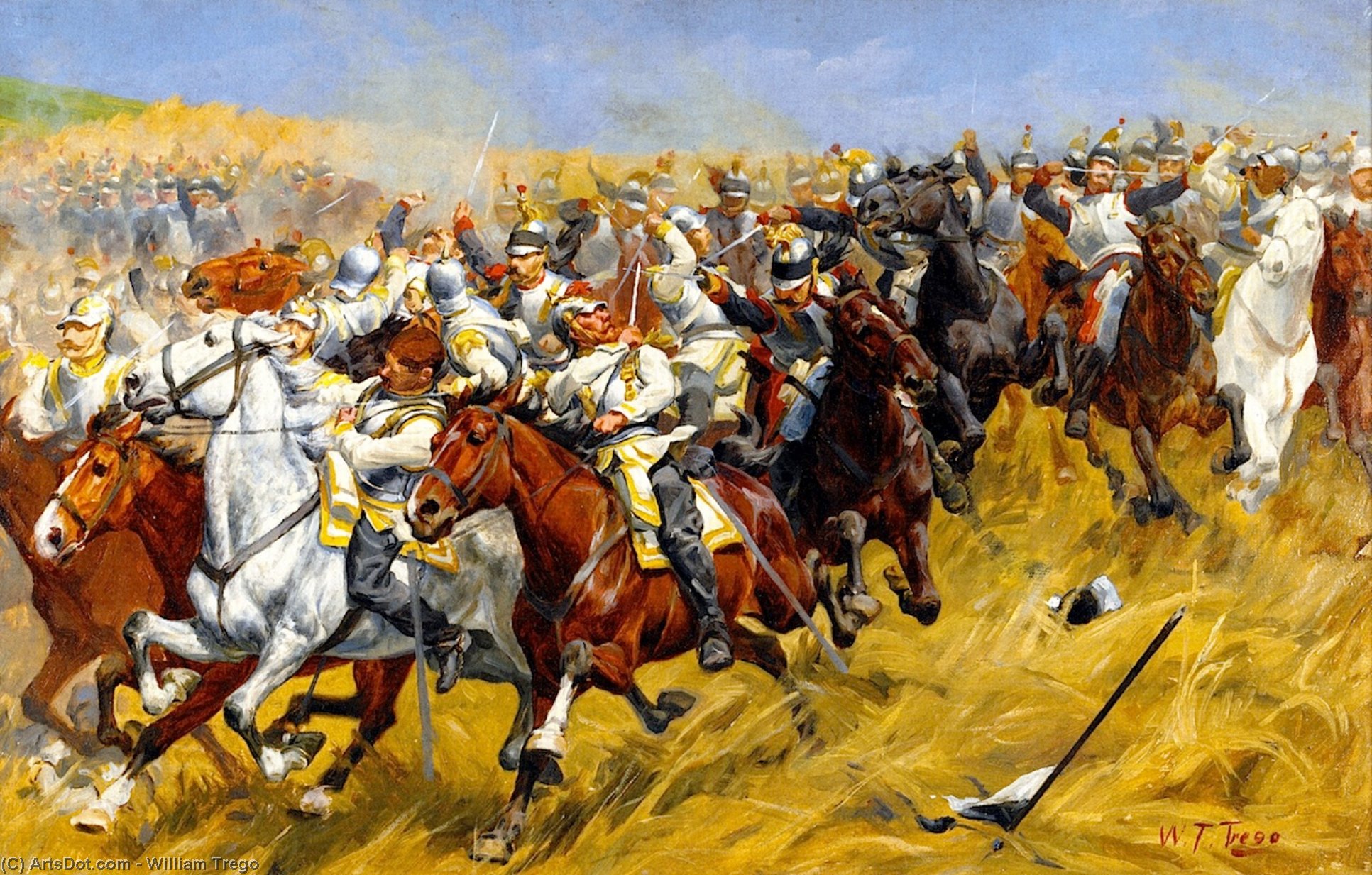
Cavalry Sketch

 Vezi mai mult
Giclée / Imprimare artistică
Printuri giclée sau pe canvas de calitate muzeală, cu proces de producție rapid și opțiuni flexibile de finisare. ( Comandă pictură lucrată manual Cumpără imaginea)




































Alegeți dintre dimensiunile noastre prestabilite, care respectă proporțiile originale ale operei de artă.

Puteți introduce propriile dimensiuni pentru a se potrivi unui anumit cadru sau spațiu. Dacă dimensiunea selectată nu corespunde proporțiilor imaginii originale, vom decupa lucrarea de artă sau vom extinde imaginea cu margini oglindite sau cu o culoare uniformă. Un mockup digital va fi trimis pentru aprobarea dumneavoastră înainte de începerea producției.
Vă rugăm să rețineți că previzualizarea de pe ecran nu reflectă decuparea sau extinderea reală. Doar mockup-ul va arăta cu exactitate compoziția finală.
Deși dimensiunile personalizate sunt disponibile, vă recomandăm să selectați o dimensiune din lista predefinită pentru a păstra proporțiile originale.
Livrare în întreaga lume () în 2 săptămâni, în loc de cele 4/5 săptămâni standard. (13 August)

Livrare expres gratuită la nivel mondial

Pânză de in de înaltă calitate

Asigurare completă pentru transport

Garanție de rambursare a taxelor vamale

Garanția fidelității culorilor

Politica de retur în 60 de zile (doar pentru defecte)

Garanție de rambursare 100%

Ofertă pentru comenzi multiple
 Opțiunea cu sticlă este disponibilă doar pentru dimensiuni de sub 110 cm

Cavalry Sketch
Giclée / Imprimare artistică
Dimensiune reproducere
-


Preț total calculat
$ 80
Descriere obiect de colecție
Historical Context and Artistic Style
The Cavalry Sketch depicts a dramatic scene of horsemen engaged in battle, showcasing William Trego's exceptional skill in capturing movement and energy. This painting is characteristic of the artist's style, which often featured historical and military themes. The use of oil on canvas allowed Trego to achieve a high level of detail and texture, adding depth and realism to the scene.The Cavalry Sketch is not only an impressive work of art but also an important part of American history. It provides a glimpse into the country's past, highlighting the bravery and skill of soldiers on horseback. As a handmade oil painting reproduction, this artwork can be appreciated in a new light, allowing art enthusiasts to experience the beauty and emotion of the original piece.
Similar Works and Artists
Other notable artists, such as Peter Paul Rubens, have also explored historical and military themes in their work. For example, Rubens' The Battle of the Amazons is a famous painting that showcases the artist's mastery of movement and composition. Similarly, Abraham Cooper's Cromwell At Marston Moor and Nc Wyeth's untitled (1907) demonstrate the artists' ability to capture the essence of historical events.- View more information about the Pennsylvania Academy of the Fine Arts on OriginalUniqueArt.com
- Discover William Trego's Cavalry Sketch on OriginalUniqueArt.com
- Learn more about Peter Paul Rubens and his works on OriginalUniqueArt.com
The Cavalry Sketch by William Trego is a remarkable example of American art, showcasing the artist's skill and attention to detail. As a handmade oil painting reproduction, this artwork can be appreciated by art enthusiasts around the world, providing a glimpse into the country's rich history and cultural heritage.
Biografie artist
A Life Forged in Resilience: The Story of William Trego
Born in the quiet Pennsylvania countryside of Yardley in 1858, William Brooke Thomas Trego’s life was a testament to the power of artistic dedication overcoming immense physical adversity. Son of the accomplished portrait and animal painter Jonathan Kirkbridge Trego, young William inherited not only his father's talent but also a challenging fate. At just two years old, he contracted an illness – possibly polio or a severe reaction to medical treatment – that left his hands and feet nearly paralyzed. This early struggle would profoundly shape his artistic journey, forcing him to develop unconventional techniques and fueling a determination that resonated throughout his career. The family’s move to Detroit when William was sixteen brought another incident—a harrowing accident with a gas jet that cost him his hair—further isolating him within the familial studio where he received most of his formative training. It was there, guided by his father's instruction, that Trego learned to paint, famously maneuvering a brush jammed into his right hand while controlling it with the left, a method born of necessity and refined through sheer willpower. This unique adaptation became a defining characteristic of his artistic style, lending a remarkable dynamism to his depictions of action and movement.Early Influences and Artistic Training
Trego’s early artistic education was deeply rooted in his family's legacy. His father, Jonathan Kirkbridge Trego, was a respected portraitist and animal painter known for his vibrant colors and meticulous detail. William absorbed not only technical skills but also an appreciation for the beauty of observation and the importance of capturing the essence of his subjects. However, the accident with the gas jet at sixteen dramatically altered his life, both physically and emotionally. The loss of his hair served as a visible symbol of his isolation and vulnerability, contributing to a sense of detachment that would later inform his artistic choices. Despite these challenges, Trego’s father recognized his son's exceptional talent and continued to provide him with guidance and support within the family studio. This nurturing environment fostered William’s ambition and fueled his desire to pursue a career in art. Crucially, before enrolling at the Pennsylvania Academy of the Fine Arts, Trego honed his skills through rigorous self-study, mastering drawing techniques and developing a keen eye for composition—a foundation that would prove invaluable during his time with Thomas Eakins.Breakthrough and Academic Pursuits
Trego’s breakthrough arrived in 1879 with *The Charge of Custer at Winchester*, a dramatic depiction of George Armstrong Custer's final stand that captivated audiences at the Michigan State Fair. The painting, characterized by its dynamic composition, vivid portrayal of military action, and masterful use of light and shadow, garnered significant acclaim, praised for its energy and emotional impact. This success provided Trego with the opportunity to enroll at the prestigious Pennsylvania Academy of the Fine Arts (PAFA) in Philadelphia, a pivotal moment in his artistic development. For three years, he studied under the exacting tutelage of Thomas Eakins, immersing himself in anatomical study and rigorous figure drawing. While benefiting from Eakin’s emphasis on realism and anatomical accuracy, Trego found the instructor's austere approach somewhat stifling, appreciating the more relaxed atmosphere of his father’s studio. He particularly valued the opportunity to develop his own unique style—one that would ultimately distinguish him as a painter of historical military scenes. In 1882, Trego won the coveted Toppan Prize for *Battery of Light Artillery En Route*, solidifying his reputation within the artistic community and earning recognition for his technical skill and compositional prowess.A Master of Historical Military Art
William Trego carved a niche for himself as a painter of historical military scenes, particularly those depicting the American Revolution and Civil War. His canvases are characterized by an almost obsessive attention to detail, especially regarding uniforms, weaponry, and battlefield landscapes. He wasn’t merely illustrating events; he was meticulously reconstructing them, striving for accuracy and authenticity. This commitment stemmed from a deep fascination with history and a desire to honor the sacrifices of those who came before him. His artistic style reflects his academic training, influenced by further studies at the Académie Julian in Paris under Tony Robert-Fleury and William-Adolphe Bouguereau. These masters instilled in him a refined technique and an appreciation for classical composition. Notable works like *Quartermaster's Department: Train of Pack Mules Attacked by Mexican Cavalry, 1847* showcase his ability to capture both the grandeur and the harsh realities of military life. Trego’s paintings are not simply historical records; they are powerful evocations of courage, sacrifice, and the drama of war.Later Years and Legacy
Upon returning from Paris, Trego found that the public’s appetite for realistic military artwork had waned. Facing financial hardship, he broadened his artistic scope, accepting portrait commissions, genre scenes, and illustration work to supplement his income. He also generously shared his knowledge, taking on students including Walter Emerson Baum and Flora Baum, nurturing the next generation of artists. Despite continued effort, recognition proved elusive in his later years. *The Chariot Race from Ben Hur* (1908), one of his final works, failed to garner the acclaim he hoped for. Tragically, William Trego died unexpectedly in 1909 in North Wales, Pennsylvania, under circumstances that fueled speculation—some suggesting poisoning or overexertion due to the summer heat. Despite a life marked by physical challenges and professional setbacks, William B.T. Trego left behind a body of work that continues to resonate with its meticulous detail, historical accuracy, and poignant portrayal of courage and conflict. He remains a significant figure in American art history, a testament to the enduring power of artistic vision forged in the crucible of adversity. His paintings offer not just depictions of battles, but windows into the lives and sacrifices that shaped a nation.
William Trego
1858 - 1909 , Statele Unite ale Americii
Detalii rapide
- Artistic Movement Or Style: Realism
- Artists Or Movements Influenced By This Artist: ['American Realism']
- Artists Who Influenced This Artist:
- Eakins
- Robert-Fleury
- Bouguereau
- Date Of Birth: 15 Sept 1858
- Date Of Death: 24 Iun 1909
- Full Name: William Brooke Thomas Trego
- Nationality: American
- Notable Artworks:
- The Charge...
- Battery...
- Madonna...
- Place Of Birth: Yardley, USA

