- Acasă

- Imagine digitală
- William Sidney Mount
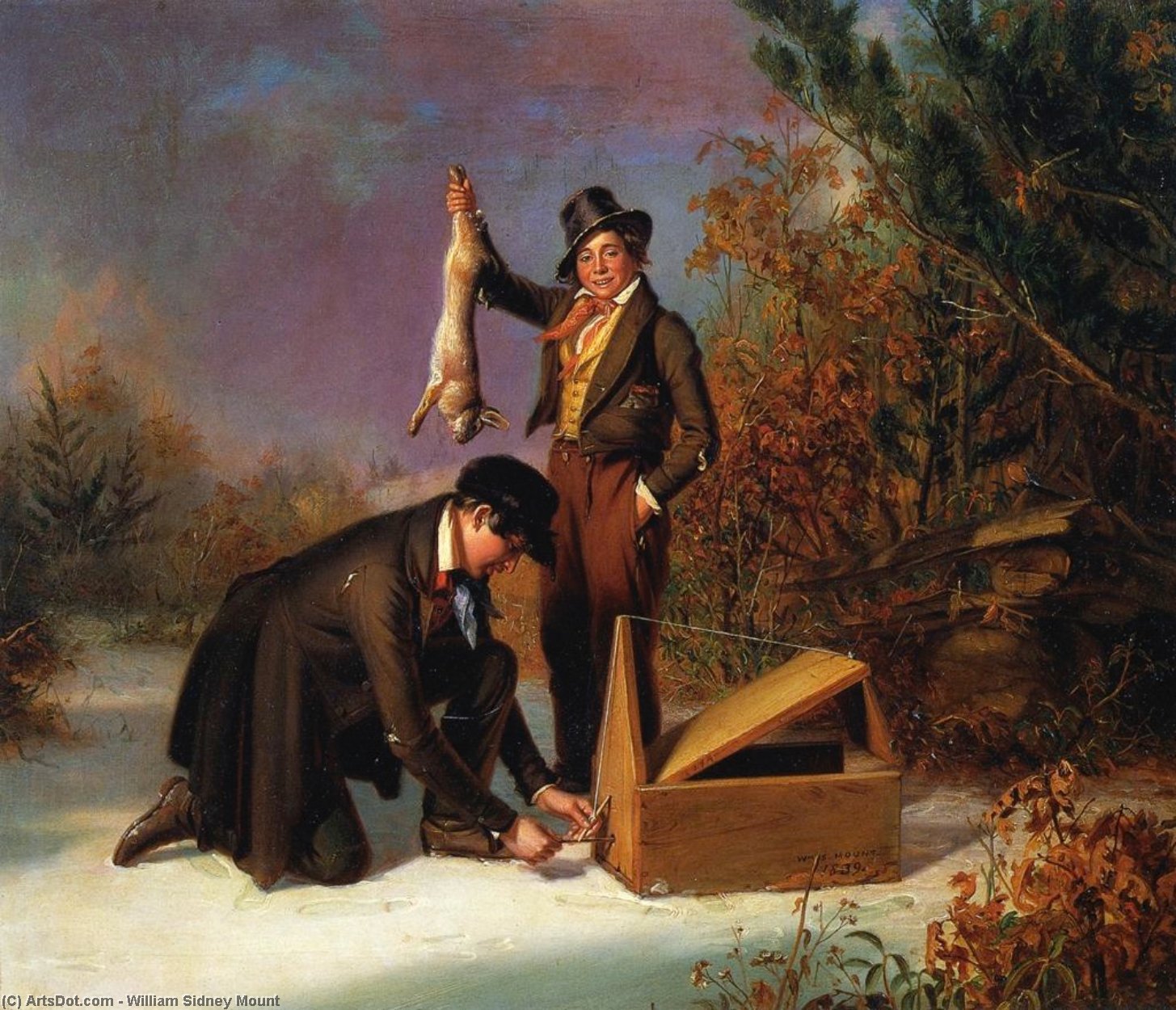
- Catching Rabbits
 Preview
 Comandă tipăritul Comandă reproducere pictată
 Trimite
 Distribuie
 Detalii despre lucrare
 Adaugă la favorite

 Descarcă
 Similare
 Radiografie
 Diaporama
Catching Rabbits


 Vezi mai mult
Achiziționați o imagine digitală îmbunătățită și de înaltă rezoluție, mult superioară previzualizării online.
Fiecare fișier este pregătit cu meticulozitate de specialiștii noștri interni, utilizând instrumente avansate și retușare manuală expertă. Ne asigurăm că fiecare imagine beneficiază de o claritate excepțională, o acuratețe precisă a culorilor și detalii fine.
Fișierul final este livrat prin e-mail în termen de 72 de ore, optimizat pentru utilizare imediată în medii profesionale, editoriale și de imprimare. Aceasta este aceeași calitate în care au încredere studiouri de design, edituri și galerii de top.
Imagine Digitală
Descărcați un fișier la rezoluție înaltă pentru afișare personală, imprimare și proiecte creative.
Inclus în fiecare comandă de imagini digitale
Livrare digitală de expertiză, garantată
Când alegeți OriginalUniqueArt.com, nu primiți doar o simplă imagine – primiți o operă de artă digitală îmbunătățită profesional, creată cu precizie și susținută de o garanție de satisfacție. Iată tot ceea ce primești odată cu comanda ta, în mod automat:

Livrare rapidă prin e-mail
Fișierul imaginii digitale la rezoluție înaltă vă va fi trimis prin e-mail în termen de 72 de ore de la finalizarea comenzii – gata pentru utilizare imediată.

Fișier digital optimizat prin IA
Opera ta de artă este optimizată profesional prin intermediul unor instrumente AI avansate și al editării manuale, asigurând un nivel maxim de detalii, claritate și acuratețe a culorilor.

Retransmitere gratuită pe viață
Ai șters sau ai pierdut din greșeală fișierul? Nu îți face griji – ți-l vom retrimite oricând, gratuit.

Fără taxe de import – Întotdeauna
Bucură-te instant de opera ta de artă, fără taxe vamale, taxe de import sau costuri de livrare – descărcările digitale sunt întotdeauna fără taxe.

Garanția acurateței culorilor
Asigurăm că imaginea ta digitală reflectă culorile originale cât mai fidel posibil, utilizând instrumente profesionale și procese de gestionare a culorii.

Garanție de satisfacție de 60 de zile
Dacă nu sunteți mulțumit de imaginea digitală achiziționată, o vom revizui sau vă vom returna 100% în termen de 60 de zile – fără nicio explicație necesară.

Garanție de returnare 100% a banilor
Nu ești mulțumit? Obține o rambursare completă în termen de 60 de zile de la primirea fișierului tău digital – fără întrebări.

Reduceri pentru comenzi multiple
Cumpără 3 imagini, economisește 10% - Cumpără 5, economisește 15% - Cumpără 10+, economisește 20%. Ideal pentru proiecte creative, galerii și agenții.
Descrierea obiectului de colecție
Catching Rabbits – A Snapshot of Rural American Life
William Sidney Mount’s “Catching Rabbits,” completed in 1839, transcends mere depiction; it embodies the spirit of mid-nineteenth century America—a fascination with the natural world intertwined with a poignant portrayal of everyday domestic life. This oil on panel painting isn't simply about hunting rabbits; it’s an exquisitely rendered tableau that speaks volumes about social class, familial bonds, and the quiet joys found in rural pursuits.Composition and Technique: Capturing Light and Texture
Mount meticulously crafted this scene near a wooded area, utilizing a pyramidal composition to draw the viewer’s eye upwards towards the tree branches—a deliberate choice reflecting the Romantic sensibility prevalent at the time. The artist skillfully employed chiaroscuro – dramatic contrasts between light and shadow – to imbue the painting with palpable depth and realism. Notice how Mount painstakingly rendered the textures of the rabbit fur, the rough bark of the tree trunk, and even the worn fabric of the boys’ clothing. These details aren't accidental; they underscore Mount’s commitment to portraying subjects with unflinching accuracy, grounding the fantastical element of the hunt in tangible reality.Historical Context: Genre Painting and Its Significance
“Catching Rabbits” firmly establishes Mount as a pioneer of American genre painting—a movement that championed artistic explorations of ordinary life rather than grand historical narratives or idealized portraits. Following the Civil War, artists like Mount sought to capture the essence of the nation’s evolving identity, focusing on scenes of rural America and its inhabitants. This stylistic preference reflected a broader cultural shift toward valuing vernacular culture and portraying the lives of common people with dignity and compassion. The painting's subject matter—boys engaged in a traditional pastime—represents a celebration of childhood innocence and connection to nature – themes that resonated deeply within American society during this period.Symbolism: More Than Just Hunting
Beyond its visual beauty, “Catching Rabbits” carries symbolic weight. The rabbit itself represents fertility and renewal, mirroring the cyclical rhythms of rural life. Furthermore, the boys’ attire—patched clothing indicative of modest means—suggests a subtle commentary on social hierarchy without resorting to overt judgment. Their shared activity symbolizes cooperation and familial unity – values central to the American ethos. Mount's depiction isn't merely documenting an event; it's conveying a deeper understanding of human experience and the enduring fascination with the natural world.Emotional Impact: A Moment Frozen in Time
The painting’s overall atmosphere exudes warmth and contentment, capturing the carefree spirit of youth and the simple pleasures of rural existence. The boy’s smile conveys genuine delight—a testament to Mount's ability to evoke emotion through subtle visual cues. “Catching Rabbits” invites viewers to contemplate not just what is seen but also what is felt – a poignant reminder that beauty can be found in the most unassuming corners of life. It remains a captivating piece of art history, continuing to inspire admiration for its masterful technique and profound humanist vision.- Find more information about William Sidney Mount: OriginalUniqueArt.com
- Explore the Museums at Stony Brook’s collection: Museums at Stony Brook
- Learn more about William Sidney Mount on Wikipedia:Wikipedia
Biografie Artist
A Pioneer of American Genre Painting
William Sidney Mount, born November 26, 1807, in the quiet hamlet of Setauket, Long Island, emerged as a pivotal figure in the development of distinctly American art. He wasn’t drawn to the grand historical narratives or formal portraiture championed by many of his contemporaries; instead, Mount turned his keen eye toward the everyday lives unfolding around him – the farmers, musicians, and ordinary folk who populated the rural landscapes of 19th-century Long Island. This unwavering dedication to depicting scenes of common life established him as a true innovator, securing his place among the earliest practitioners of genre painting in America—a style that celebrated the dignity and inherent beauty found within the mundane. His artistic journey was profoundly shaped by his upbringing; his father operated a bustling farm, store, and tavern, fostering an environment brimming with both practical experience and observation of human character. Micah Hawkins, his uncle, possessed a remarkable array of talents – a composer, playwright, mimic, and poet – nurturing Mount’s innate curiosity and encouraging artistic expression from a young age.Early Training and Artistic Awakening
Mount's initial foray into the art world commenced not within the confines of an academic institution but through an apprenticeship with his older brother, Henry Smith Mount, a sign painter in New York City. This invaluable practical training honed his draughtsmanship skills and instilled a foundational understanding of painting technique—skills that would prove instrumental throughout his illustrious career. However, it was a visit to the American Academy of the Fine Arts exhibition in 1825 that irrevocably ignited his artistic passion. Surrounded by the works of established artists—figures like Benjamin West and William Hogarth—Mount experienced an awakening, shifting away from traditional subjects toward capturing authentic moments from daily existence. This transformative encounter spurred him to establish his own studio in New York City in 1829 – a decisive step towards independence and solidifying his commitment to pursuing art as a vocation. Initially influenced by historical painting—he created *Christ Raising the Daughter of Jairus* (1828)—Mount swiftly recognized that his true calling resided in portraying the world he knew best: the rural life of Long Island. He was captivated by the rhythms and interactions of those around him, perceiving within their simple existence a compelling narrative worthy of artistic representation.Capturing Rural Life with Realism and Warmth
Mount’s artistic style is characterized by an unwavering realism tempered with remarkable sensitivity to human emotion—a stylistic hallmark that distinguishes his oeuvre from many of his peers. He didn't idealize rural life; rather, he presented it as it truly was – replete with labor and leisure, hardship and joy. His meticulous attention to detail extended beyond mere visual accuracy; he painstakingly rendered textures, expressions, and gestures, creating a palpable sense of immediacy and authenticity. *Dancing on Barn Floor* (1831), arguably his most celebrated work, exemplifies this approach perfectly—a lively depiction of a rural dance brimming with energy and capturing the spirit of communal celebration. Subsequent paintings like *The Banjo Player* (1856) demonstrate not only Mount’s technical prowess but also his profound empathy for his subjects – particularly African American musicians. This poignant portrait is noteworthy for its dignified portrayal, challenging prevailing stereotypes of the time and reflecting Mount's unwavering belief in artistic integrity. Other notable canvases include *The Long Story*, *Right and Left*, and *Loss and Gain*, each offering a glimpse into the lives and experiences of ordinary Americans.Innovation Beyond the Canvas
Mount’s creative spirit transcended the boundaries of painting; he was also an accomplished musician and inventor—a multifaceted talent that further enriched his artistic vision. He possessed considerable skill on the fiddle, composing music that resonated with sincerity and emotion. Furthermore, demonstrating a remarkable aptitude for innovation, Mount constructed a portable studio within a horse-drawn wagon – a logistical feat that allowed him to travel freely throughout Long Island, capturing spontaneous moments as they unfolded in their natural environment. This mobile workspace underscored his dedication to authenticity and his desire to engage directly with the subjects he depicted—a testament to his artistic philosophy.Legacy and Enduring Influence
William Sidney Mount passed away on November 19, 1868, in Setauket, Long Island – a quiet homecoming for an artist who had devoted his life to documenting American culture. His pioneering work in genre painting fundamentally altered the trajectory of American art history, establishing it as a significant force within the artistic landscape and paving the way for future generations of artists who sought to capture the essence of national identity and experience. Mount is remembered not merely for his technical skill or meticulous realism but also for his compassionate portrayal of everyday people—an artist who recognized the inherent beauty and dignity residing in ordinary lives. His paintings continue to inspire admiration for their honesty, warmth, and profound understanding of human character. He remains a beacon of artistic integrity and a symbol of American creativity—a legacy that persists today as a testament to his enduring influence on the art world.
William Sidney Mount
1807 - 1868 , SUA
Detalii rapide
- Artistic Movement Or Style: Pictură de gen
- Artists Or Movements Influenced By Acest Artist: ['Pictură americană']
- Artists Who Influenced This Artist:
- Benjamin West
- William Hogarth
- Date Of Birth: 26 noiembrie 1807
- Date Of Death: 19 noiembrie 1868
- Full Name: William Sidney Mount
- Nationality: American
- Notable Artworks:
- Dans pe podeaua fermei
- Poveste lungă
- Violinist
- Dreapta și stânga
- Place Of Birth: Setauket, SUA

