
 Previzualizare
 Trimite prin felicitare
 Distribuie
 Detalii despre lucrare
 Ghid
Ghid

 Descarcă imaginea
 Produse similare
 Radiografie
 Galerie foto
 Q&A
Q&A Statistici
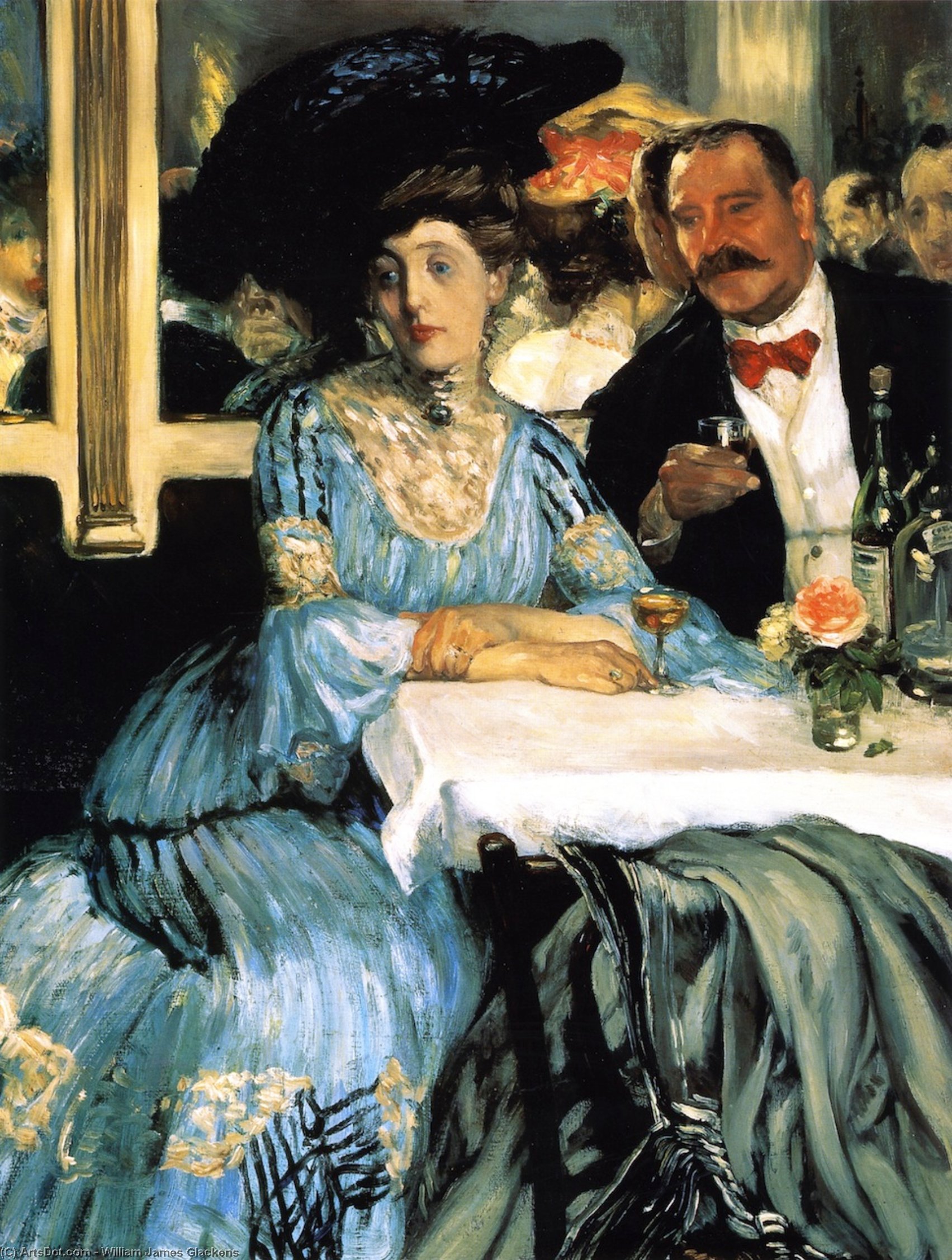
Chez Mouquin


 Vezi mai mult
Giclée / Imprimare artistică
Printuri giclée sau pe canvas de calitate muzeală, cu proces de producție rapid și opțiuni flexibile de finisare. ( Comandă pictură realizată manual Comută pe Imagine Digitală)




































Alegeți dintre dimensiunile noastre prestabilite, care respectă proporțiile originale ale operei de artă.

Introduceți lățimea și înălțimea necesare pentru a se potrivi ramei sau peretelui dumneavoastră. O printare poate fi doar tăiată, niciodată extinsă dincolo de dimensiunea imaginii originale, astfel încât o dimensiune cu o formă diferită va pierde o parte din imagine. Vă trimitem o simulare digitală pentru aprobare înainte de a imprima orice. Imaginea afișată pe această pagină nu prezintă tăierea reală — doar simularea arată acest lucru.
Livrare în întreaga lume () în 2 săptămâni, în loc de cele 4/5 săptămâni standard. (30 Octombrie)

Livrare expres gratuită la nivel mondial

Pânză de in de înaltă calitate

Asigurare completă pentru transport

Garanție de rambursare a taxelor vamale

Garanția fidelității culorilor

Politica de retur în 100 de zile (doar pentru defecte de fabricație)

Garanție de rambursare 100%

Ofertă pentru comenzi multiple
 Opțiunea cu sticlă este disponibilă doar pentru dimensiuni de sub 110 cm

Chez Mouquin
Giclée / Imprimare artistică
Dimensiune reproducere
-


Preț total calculat
lei 372
Chez Mouquin: A Snapshot of Parisian Bohemia
William James Glackens’ “Chez Mouquin,” completed in 1905, stands as a quintessential emblem of the Ashcan School—a movement that irrevocably altered the course of American art. Rejecting the idealized landscapes and mythological narratives favored by their predecessors, Glackens and his fellow artists sought to portray the gritty realities of urban life with unflinching honesty.
The painting depicts a scene within Mouquin’s Restaurant, a popular Parisian establishment frequented by artists and intellectuals during the Belle Époque. At its center is Jeanne Mouquin, the proprietor's wife, engaged in conversation with James B. Moore, a wealthy playboy known for his patronage of the arts. Glackens himself subtly captures the atmosphere of the dining room, reflecting the faces of fellow attendees—Charles Fitzgerald, an art critic and Edith Glackens, his wife—creating a tableau vivant that encapsulates the spirit of artistic camaraderie.
Glackens’ masterful technique exemplifies Ashcan Realism. Employing muted tones—primarily browns, ochres, and blacks—he skillfully captures the dim lighting of the restaurant, enhancing the sense of intimacy and immediacy. The brushstrokes are loose and expressive, conveying movement and capturing the subtle nuances of facial expressions. Glackens' deliberate use of chiaroscuro – dramatic contrasts between light and dark – draws attention to key figures and contributes to the painting’s overall mood.
A Reflection of Artistic Vision
“Chez Mouquin” isn’t merely a depiction of a social gathering; it’s a profound statement about Glackens' artistic philosophy. Like many Ashcan artists, he eschewed grand narratives in favor of capturing everyday moments—the conversations, gestures, and expressions that define human experience. This approach aligns with the broader Ashcan ethos: to portray American life as it truly is – flawed, vibrant, and brimming with potential.
Glackens’ influence extends beyond his stylistic choices. He championed a rejection of academic conventions, prioritizing observation and emotional resonance over meticulous detail. His work anticipates the modernist impulse toward simplification and abstraction, foreshadowing developments that would reshape art in subsequent decades.
Historical Context: The Belle Époque
The painting’s setting—Paris during the Belle Époque (roughly 1871-1914)—provides crucial context for understanding its significance. This era witnessed unprecedented social and cultural transformation, fueled by industrialization, urbanization, and burgeoning artistic experimentation. Artists like Glackens sought to document these changes, capturing the dynamism of a society undergoing rapid modernization.
Mouquin’s Restaurant itself was a hub of intellectual discourse and artistic activity—a place where writers, painters, and musicians convened to discuss ideas and inspire one another. Glackens' portrayal captures this atmosphere perfectly, reflecting the optimism and ambition that characterized the Belle Époque.
Symbolism & Emotional Impact
"Chez Mouquin" speaks volumes about the human condition—the desire for connection, the pursuit of beauty amidst chaos, and the celebration of shared experience. The muted palette contributes to a contemplative mood, inviting viewers to linger on the faces of the figures depicted.
Glackens’ ability to convey emotion through subtle gestures and expressions underscores his commitment to realism as a means of capturing psychological truth. “Chez Mouquin” remains a powerful reminder that art can illuminate the complexities of human life and inspire us to appreciate the beauty found in ordinary moments—a legacy cemented by its prominent place within the Art Institute of Chicago’s collection.
Întrebări și răspunsuri
Care este atmosfera generală a operei "Chez Mouquin" de William James Glackens?
"Chez Mouquin" emană o atmosferă Elegant.
Unde pot descărca "Chez Mouquin" de William James Glackens?
Imaginea pentru "Chez Mouquin" de William James Glackens poate fi descărcată de pe pagina dedicată lucrării, Descărcare: descărcare imagine digitală de înaltă rezoluție.
La ce artist este atribuită opera „Chez Mouquin”?
„Chez Mouquin” este atribuit lui William James Glackens.
Biografie artist
William James Glackens
A pioneer of the Ashcan School, William James Glackens (1870-1938) stands as a pivotal figure in American art history—a champion of realism and an unflinching observer of urban life’s gritty realities. His artistic journey began in Philadelphia, where he absorbed the influence of Thomas Anshutz, a fellow Ashcan School founder, shaping his distinctive style and worldview.Early Life and Influences
Glackens' formative years instilled within him a profound appreciation for detail and observation—qualities that would become hallmarks of his oeuvre. Studying at the Pennsylvania Academy of Fine Arts under Anshutz’s guidance, he honed his skills in capturing the essence of human experience with uncompromising honesty. This dedication to realism was further solidified by exposure to European art movements, notably Impressionism, which subtly informed his later works.Artistic Career: Capturing the Soul of New York
Glackens' artistic output primarily focused on depicting scenes from early 20th-century New York City and Paris—subjects that resonated deeply with the Ashcan School’s ethos. His canvases pulsated with vibrant hues, reflecting not idealized beauty but rather the palpable energy of urban existence. Notable among his achievements was “The Shoppers,” a masterpiece housed in the Chrysler Museum of Art, which exemplifies his masterful technique in conveying atmosphere and emotion. Simultaneously, he diligently documented daily life through illustrations for newspapers and magazines, cementing his reputation as a chronicler of his time. Furthermore, Glackens played an instrumental role in bolstering Albert C. Barnes’ collection—a cornerstone of American art history—by facilitating the acquisition of European paintings.Notable Works and Collections
Glackens' artistic legacy extends beyond individual pieces; it resides in his contribution to establishing a distinct aesthetic tradition. His most celebrated work, “The Shoppers,” exemplifies his ability to distill complex emotions into visual form and is currently displayed at OriginalUniqueArt.com’s New Realism Collection. Another significant piece—"View of Haarlem with Bleaching Grounds"—a collaboration with Jacob Isaakszoon van Ruysdael—demonstrates Glackens' meticulous attention to detail and his understanding of artistic craftsmanship, residing in the Forzaza Castle collection in Milan.Legacy and Impact
Glackens’ unwavering commitment to realism challenged prevailing artistic conventions and elevated the depiction of ordinary life as a worthy subject for artistic exploration. His influence can be discerned in subsequent generations of American artists who embraced similar stylistic approaches—a testament to his enduring contribution to the visual arts.
William James Glackens
1870 - 1938 , Statele Unite ale Americii
Detalii rapide
- Artistic Movement Or Style: Ashcan School
- Artists Or Movements Influenced By This Artist: ['Pierre Auguste Renoir']
- Artists Who Influenced This Artist: ['Thomas Anshutz']
- Date Of Birth: Philadelphia, SUA 1870
- Date Of Death: Westport, CT 1938
- Full Name: William James Glackens
- Nationality: American
- Notable Artworks:
- The Shoppers
- View of Haarlem with bleaching grounds
- Place Of Birth: Philadelphia, Pennsylvania
Articole similare

The Ashcan School: Capturing the Raw Spirit and Urban Realism of New York City Life
Explore the raw, evocative beauty of the Ashcan School. Discover how masters like Bellows and Glackens captured New York's urban soul through American Realism, and learn to bring this gritty, historical elegance into your modern art collection.
William Glackens: Capturing Modern American Life with Ashcan Realism
Explore the life & art of William Glackens, a pioneer of American Realism and founding member of the Ashcan School. Discover his vibrant depictions of early 20th-century New York & Paris. Learn about his influences & lasting legacy.
American Realism: Social Commentary & Artistic Representation in Early 20th-Century Painting
Explore the powerful social commentary & artistic representation of American Realism. Discover key artists like Bellows & Sloan, and understand the movement's lasting impact on 20th-century art history.
The Ashcan School: Realism, Urban Life & the Democratization of American Art
Explore the revolutionary Ashcan School! Discover how artists like Henri & Sloan challenged tradition with gritty realism, capturing urban life in early 20th-century America. Learn about their impact on American art history.

The Unvarnished Truth: A Cultural Journey Through the Soul of American Realism
Explore the profound beauty of American Realism. From the Ashcan School's urban grit to intimate portraits, discover how artists captured the authentic soul of a nation through unvarnished truth and masterful observation.

