Previzualizare
 Trimite prin felicitare
 Distribuie
 Detalii despre lucrare
 Ghid
Ghid

 Descarcă imaginea
 Produse similare
 Radiografie
 Galerie foto
 Întrebări și răspunsuri
 Statistici
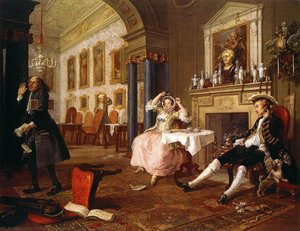
A Harlot's Progress, plate 6


 Vezi mai mult
Giclée / Imprimare artistică
Printuri giclée sau pe canvas de calitate muzeală, cu proces de producție rapid și opțiuni flexibile de finisare. ( Comandă pictură realizată manual Comută pe Imagine Digitală)




P118B lei10

P118H lei10

P118W lei10

P438Z lei10

P508JH lei12

P508YH lei12

P805H lei10

P805Z lei10

P919BZ lei10

P919G lei10

P919XJ lei10

P959ZH lei10

P968JZ lei12

W106C lei8

W218G lei10

W218JH lei8

W218Y lei10

W307PJ lei10

W316G lei10

W316PJ lei8

W316Y lei10

W398PJ lei8

W4111J lei10

W500HY lei15

W500JH lei15

W692G lei12

W849H lei8

W940BG lei15

W953PJ lei8




Alegeți dintre dimensiunile noastre prestabilite, care respectă proporțiile originale ale operei de artă.

Introduceți lățimea și înălțimea necesare pentru a se potrivi ramei sau peretelui dumneavoastră. O printare poate fi doar tăiată, niciodată extinsă dincolo de dimensiunea imaginii originale, astfel încât o dimensiune cu o formă diferită va pierde o parte din imagine. Vă trimitem o simulare digitală pentru aprobare înainte de a imprima orice. Imaginea afișată pe această pagină nu prezintă tăierea reală — doar simularea arată acest lucru.
Livrare în întreaga lume () în 2 săptămâni, în loc de cele 4/5 săptămâni standard. (9 Noiembrie)

Livrare expres gratuită la nivel mondial

Pânză de in de înaltă calitate

Asigurare completă pentru transport

Garanție de rambursare a taxelor vamale

Garanția fidelității culorilor

Politica de retur în 100 de zile (doar pentru defecte de fabricație)

Garanție de rambursare 100%

Ofertă pentru comenzi multiple
 Opțiunea cu sticlă este disponibilă doar pentru dimensiuni de sub 110 cm

A Harlot's Progress, plate 6
Giclée / Imprimare artistică
Dimensiune reproducere
-


Preț total calculat
lei 386
A Final Tableau of Moral Decay
In the somber conclusion to William Hogarth’s monumental six-part narrative, A Harlot's Progress, plate 6 emerges as a chillingly visceral study in societal neglect and the tragic end of a life consumed by vice. This final installment of the 1732 series presents us with the grim reality of Moll Flaunders’ demise, moving beyond mere storytelling to offer a searing indictment of 1-8th century London life. The scene is set within a dimly lit, crowded interior that serves as a makeshift wake, where the boundaries between mourning and merriment are disturbingly blurred. As we gaze upon this tableau, we witness not just a funeral procession, but a profound moment of social critique, where the weight of a life lost to syphilis and poverty is met with a chillingly indifferent or even celebratory gathering of acquaintances.
The composition is masterfully dense, utilizing a crowded arrangement of figures that creates an almost claustrophobic atmosphere of chaos. A large, central table dominates the space, cluttered with the remnants of drink and food, around which individuals are positioned in various states of eating, drinking, and socializing. This juxtaposition—the presence of a coffin amidst the revelry of a tavern-like setting—is where Hogarth’s genius truly shines. Through this deliberate contrast, he highlights the hypocrisy of a society that continues its hedonistic pursuits even in the shadow of death, suggesting that the decay of the individual is inextricably linked to the moral rot of the collective.
The Mastery of Line and Monochrome
Technically, this artwork is a triumph of 18th-century printmaking, showcasing Hogarth’s unparalleled skill in etching and engraving on copper. Because the work is entirely monochromatic, it relies heavily on the sophisticated use of light and shadow to convey depth and emotion. The artist employs intricate linework, characterized by dense hatching and cross-hatching, to sculpt the forms of the figures and imbue the scene with a remarkable sense of texture. One can almost feel the heavy drape of coarse fabrics, the rough grain of wooden surfaces, and the weathered skin of the mourners through the precise control of these tonal variations.
The lighting within the piece is diffused and uneven, suggesting an interior space illuminated by flickering candles or oil lamps. This creates stark highlights and deep, swallowing shadows that add to the dramatic, theatrical intensity of the Rococo tradition. These shadows do more than just provide volume; they shroud the scene in a sense of mystery and gloom, reinforcing the theme of a life extinguished. For the collector or interior designer, this print offers a profound visual depth; its monochromatic palette allows it to serve as a sophisticated focal point that brings a sense of historical gravity and intellectual intrigue to any curated space.
A Legacy of Satire and Social Truth
Beyond its technical brilliance, A Harlot's Progress, plate 6 carries an immense emotional and symbolic weight. It is a work that demands reflection on the consequences of choice and the systemic failures of a society that allows such tragedies to unfold. The symbols scattered throughout the scene—the empty vessels, the disarrayed food, and the indifferent faces—all contribute to a narrative of loss and abandonment. Hogarth does not merely depict a death; he captures the echoes of a life lived on the fringes of respectability.
For those drawn to art that tells a story, this plate offers an unparalleled opportunity to own a piece of English art history. It is a work of profound narrative power, blending the meticulous observation of the Enlightenment with a biting, satirical edge that remains as relevant today as it was in 1732. To display such a reproduction is to invite a conversation about morality, history, and the enduring human condition into one's home.
Întrebări și răspunsuri
Cum este descrisă paleta de culori din "A Harlot's Progress, plate 6" de William Hogarth?
"A Harlot's Progress, plate 6" de William Hogarth utilizează o paletă de culori Neutrals. Această paletă definește caracterul cromatic general al operei.
Unde pot găsi un ghid pentru "A Harlot's Progress, plate 6"?
Ghidul pentru "A Harlot's Progress, plate 6" reprezintă pagina de Fișă informativă a operei de artă – o fișă informativă imprimabilă care prezintă lucrarea împreună cu legenda sa, mențiunea de credit și tabelul de identificare (artist, date, tehnică, dimensiunea originală, colecție).
Care sunt culorile dominante în "A Harlot's Progress, plate 6" de William Hogarth?
Identitatea cromatică a operei "A Harlot's Progress, plate 6" de William Hogarth: o paletă Neutrals, dominată de Rosy Brown (#aeaeae).
Biografie artist
William Hogarth: Un artist vizionar al Londrei secolului XVIII
William Hogarth, născut în inima vibrantă a Londrei din 1697, nu era doar un pictor; era un istoric vizual, un observator perspicace al naturii umane și un comentator satiric asupra curenților sociali ai vremii sale. Povestea vieții sale este inextricabil legată de țesătura însăși a Angliei în timpul unei transformări semnificative – ambițiile sale în creștere, anxietățile subiacente și ipocrizia omniprezentă toate găsind o expresie puternică în operele sale remarcabil de detaliate și adesea morditoare. Fiul unui latin-școlar cu venituri modeste, Hogarth a dobândit din experiențele timpurii nu doar o dragoste pentru învățare, ci și o conștientizare ascuțită a inegalităților sociale, o fundație care avea să fie crucială în modelarea viziunii sale artistice. Inițial angajat ca gravor, el a demonstrat rapid un talent ce depășea simpla abilitate tehnică; poseda o capacitate innată de a observa nuanțele comportamentului uman și de a le traduce în narațiuni vizuale convingătoare. Cu toate acestea, s-a săturat de constrângerile gravurii tradiționale, căutând o expresie mai bogată pentru creativitatea sa înfloritoare. Acest lucru l-a condus la studii atât la St Martin’s Lane Academy, cât și sub îndrumarea lui Sir James Thornhill, unde a perfecționat abilitățile sale în pictură și compoziție, absorbind influențe care au informat mai târziu stilul său unic.Născerea subiectelor morale moderne
Inovația adevărată a lui Hogarth nu a fost doar *ce* picta, ci *cum*. El a pus bazele ceea ce el însuși numea „subiecte morale moderne” – serii de imagini concepute pentru a spune o poveste, adesea impregnate cu un puternic caracter satiric. Acestea nu erau portrete sau peisaje izolate; erau romane vizuale desfășurate în fața ochilor spectatorului, oferind comentarii punctate asupra societății contemporane. *A Harlot’s Progress*, creat în 1742, este poate exemplul său cel mai faimos. Această serie de șase picturi urmărește metodic declinul tragic al Mary, o tânără femeie care a sosit la Londra plină de speranță, dar rapid copleșită de tentațiile și pericolele vieții urbane. Fiecare scenă este redată cu un detaliu meticulos, plină de elemente simbolice care dezvăluie decăderea morală din jurul ei. În mod similar, *A Rake’s Progress*, început în 1733, trasează călătoria nebună a lui Tom Rakewell, un bărbat care își risipește averea moștenită pe jocurile de noroc, pe desfrânare și, în cele din urmă, pe nebunie. Acestea nu erau doar povești de avertisment; erau portrete neînfricate ale unei societăți confruntate cu problemele clasei sociale, ale moralității și ale mobilității sociale. Geniul lui Hogarth a rămas în capacitatea sa de a ridica scene cotidiene – străzile aglomerate din Londra, interioarele opulente ale celor bogați, viața sordidă a săracilor – la opere de artă care rezonau profund cu publicul său. Nu s-a ferit să prezinte realitățile dure ale vieții, prezentându-le printr-un amestec de umor și piosie care forța spectatorii să se confrunte cu adevăruri inconfortabile despre ei înșiși și asupra societății lor.Tehnica și influențele: O sinteză a stilurilor
Stilul artistic al lui Hogarth a fost o amalgamat unică de influențe diverse. A admirat profund realismul și detaliile narative din operele pictorilor de gen olandezi precum Pieter de Hooch, evident în reprezentările sale minuțioase ale interioarelor și vieții cotidiene. De asemenea, printurile satirice produse în Franța au jucat un rol în modelarea abordării sale față de comentariul social. Cu toate acestea, Hogarth nu a fost doar o copie a acestor surse; el sintetiza aceste elemente într-un ceva cu adevărat nou și distinctiv pentru el. Tehnica sa s-a caracterizat printr-o utilizare magistrală a liniei și umbrelor, evidentă în gravurile sale. A folosit o tehnică distinctivă de creionare care crea adâncime și textură, dând viață scenei cu o claritate remarcabilă. De asemenea, poseda un ochi excelent pentru compoziție, aranjând figuri și obiecte în cadrul cadrului pentru a crea narațiuni dinamice și captivante. Dincolo de arta vizuală, Hogarth a fost influențat de opere literare, în special de cele ale lui Jonathan Swift și Henry Fielding, ale căror observații satirice au informat propriile sale comentarii sociale. Credea că arta nu ar trebui să fie doar frumoasă, ci și să servească unui scop moral, provocând spectatorii să gândească critic la lumea din jurul lor și la locul lor în ea. *El a căutat să pună un oglindă în fața naturii, reflectând atât frumusețea, cât și urâtul ei cu onestitate neînfricată.*Moștenirea și impactul durabil
Impactul lui William Hogarth se extinde mult dincolo de sfera artei din secolul al XVIII-lea. Lucrările sale au câștigat o popularitate imensă datorită producției în masă a gravurilor bazate pe picturile sale, făcând comentariul său satiric accesibil unui public mai larg decât oricând înainte. Este adesea considerat precursorul caricaturii politice și al benzi desenate, punând bazele narațiunii vizuale în cultura populară. Artiști precum James Gillray și George Cruikshank au fost influențați direct de stilul său, continuând tradiția sa satirică. Chiar și Charles Lamb, celebrul eseist, a recunoscut puterea narativă a imaginilor lui Hogarth, comentând că acestea erau „cum ar fi cărți de citit, mai degrabă decât doar de privit”.- Hogarth a stabilit o identitate artistică britanică distinctă.
- Lucrările sale oferă perspective valoroase asupra societății engleze din secolul al XVIII-lea.
- El a influențat generații de artiști și satirici.

William Hogarth
1697 - 1764 , Regatul Unit al Marii Britanii și Irlandei
Detalii rapide
- Artistic Movement Or Style: Satiră, Realism
- Artists Or Movements Influenced By This Artist:
- James Gillray
- Caricatură politică
- Artists Who Influenced This Artist:
- Pieter de Hooch
- Jonathan Swift
- Date Of Birth: 1697
- Date Of Death: 1764
- Full Name: William Hogarth
- Nationality: Britanic
- Notable Artworks:
- A Harlot's Progress
- A Rake's Progress
- Marriage A-la-Mode
- Place Of Birth: Londra, UK
Articole similare

Etching: A Historical Survey of Technique, Aesthetic Qualities & Enduring Artistic Significance
Explore the rich history of etching, from its origins to Rembrandt's masterful innovations. Discover the technique, aesthetic qualities & enduring legacy of this captivating art form. Expert insights for collectors and enthusiasts.

The Intricate World of Etching: A Historical Survey of Technique, Aesthetic Evolution, and Enduring Artistic Impact
Explore the rich history of etching, from its origins to modern practice. Discover techniques, key artists like Rembrandt, and insights for collectors. A comprehensive guide by OriginalUniqueArt.
Top 10 Gravuri Legendare: Capodopere Artistice Care Au Schimbat Istoria Artei
Descoperă top 10 gravuri legendare care au revoluționat arta! Explorează poveștile lui Rembrandt, Goya și alți maeștri. Reproduceri de artă de calitate muzeală pentru un decor inspirat. Vezi colecția completă pe OriginalUniqueArt.com

10 Iconic Etchings That Redefined the World of Art
Journey through history with 10 legendary etchings that redefined art. From Rembrandt to Goya, explore the stories behind these timeless masterpieces and find museum-quality reproductions for your space. Discover all masterpieces on OriginalUniqueArt.com.

10 Iconic Rococo Masterpieces That Defined an Era of Elegance
Step into the elegance of the 18th century. Explore 10 iconic Rococo masterpieces, from Fragonard to Watteau, through their stories and pastel beauty. Find museum-quality art reproductions and decor inspiration at OriginalUniqueArt.com. Discover all masterpieces on OriginalUniqueArt.com