 Previzualizare
 Trimite
 Distribuie
 Detalii despre lucrare

 Descarcă
 Produse similare
 Radiografie
 Diapozitive automate
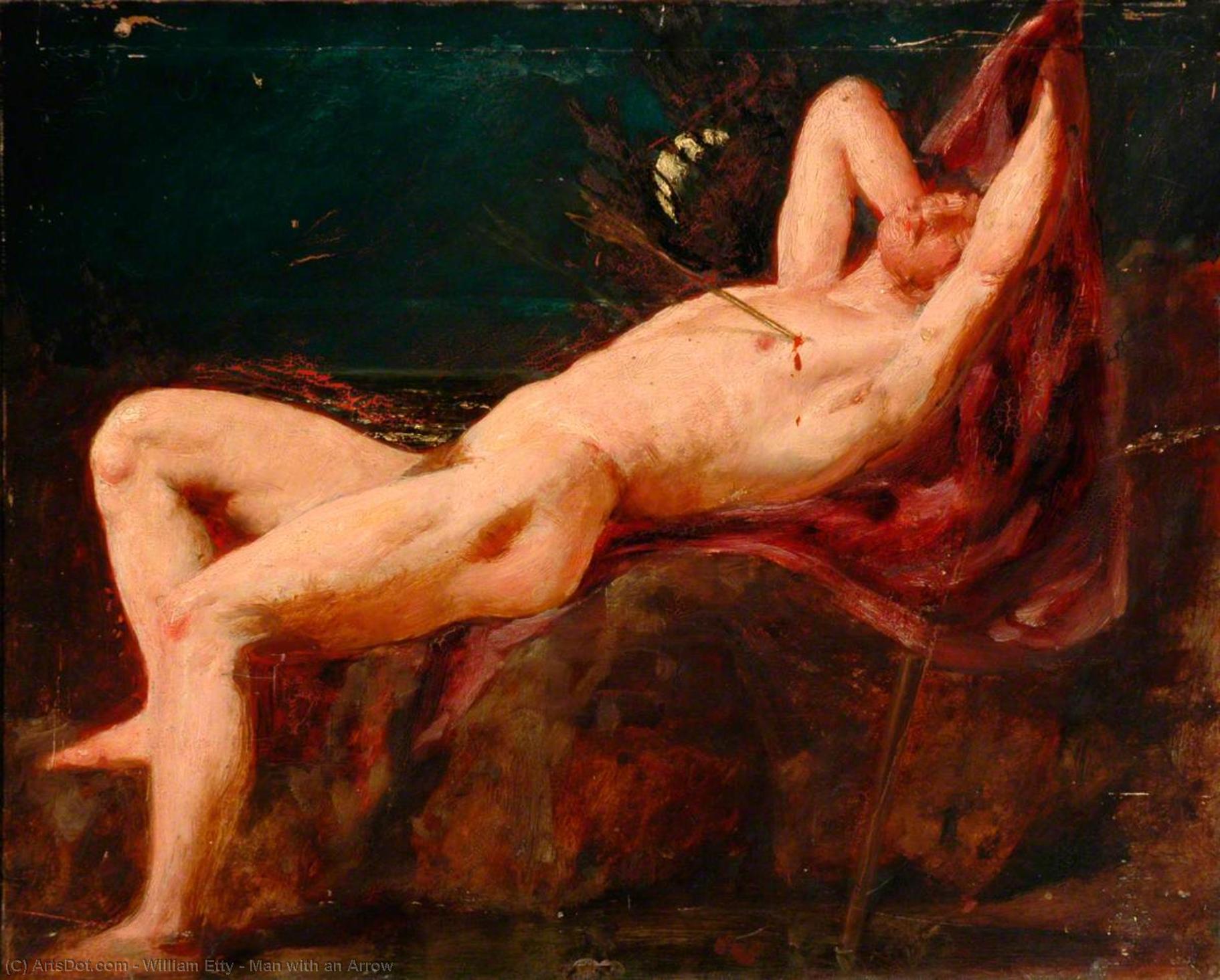
Man with an Arrow


 Vezi mai mult
Giclée / Imprimare artistică
Printuri giclée sau pe canvas de calitate muzeală, cu proces de producție rapid și opțiuni flexibile de finisare. ( Comandă pictură lucrată manual Cumpără imaginea)




P118B $10

P118H $10

P118W $10

P438Z $10

P508JH $12

P508YH $12

P805H $10

P805Z $10

P919BZ $10

P919G $10

P919XJ $10

P959ZH $10

P968JZ $12

W106C $8

W218G $10

W218JH $8

W218Y $10

W307PJ $10

W316G $10

W316PJ $8

W316Y $10

W398PJ $8

W4111J $10

W500HY $15

W500JH $15

W692G $12

W849H $8

W940BG $15

W953PJ $8




Alegeți dintre dimensiunile noastre prestabilite, care respectă proporțiile originale ale operei de artă.

Puteți introduce propriile dimensiuni pentru a se potrivi unui anumit cadru sau spațiu. Dacă dimensiunea selectată nu corespunde proporțiilor imaginii originale, vom decupa lucrarea de artă sau vom extinde imaginea cu margini oglindite sau cu o culoare uniformă. Un mockup digital va fi trimis pentru aprobarea dumneavoastră înainte de începerea producției.
Vă rugăm să rețineți că previzualizarea de pe ecran nu reflectă decuparea sau extinderea reală. Doar mockup-ul va arăta cu exactitate compoziția finală.
Deși dimensiunile personalizate sunt disponibile, vă recomandăm să selectați o dimensiune din lista predefinită pentru a păstra proporțiile originale.
Livrare în întreaga lume () în 2 săptămâni, în loc de cele 4/5 săptămâni standard. (18 August)

Livrare expres gratuită la nivel mondial

Pânză de in de înaltă calitate

Asigurare completă pentru transport

Garanție de rambursare a taxelor vamale

Garanția fidelității culorilor

Politica de retur în 60 de zile (doar pentru defecte)

Garanție de rambursare 100%

Ofertă pentru comenzi multiple
 Opțiunea cu sticlă este disponibilă doar pentru dimensiuni de sub 110 cm

Man with an Arrow
Giclée / Imprimare artistică
Dimensiune reproducere
-


Preț total calculat
$ 80
Descriere obiect de colecție
The Poetic Stillness of William Etty's Nude
To gaze upon William Etty’s "Man with an Arrow" is to encounter a moment suspended between repose and potential action. The composition immediately draws the viewer into the languid curve of the reclining figure, whose very posture speaks of deep comfort, almost as if he has surrendered entirely to the soft embrace of his surroundings. This is not merely a depiction of flesh; it is an exploration of human vulnerability rendered with masterful academic precision. Etty, known for his dedication to the study of the nude form, presents here a figure that seems both idealized and profoundly real. The inclusion of the bow and arrow nearby serves as a subtle counterpoint to the man's current state—a reminder of the latent energy coiled just beneath the surface of his apparent ease.
Mastery in Form and Brushwork
Etty’s technique, characteristic of the early 19th century British tradition, showcases an impressive commitment to anatomical study. One can almost feel the meticulous layering of paint that gives the skin its luminous quality. The artist handles the interplay of light across the musculature with a painterly richness that speaks to years of dedicated practice at the Royal Academy Schools. Beyond the central figure, the inclusion of two birds—one poised in the upper left and another drifting near the center-right—injects vital movement into what could otherwise be a static tableau. These avian elements are not mere decoration; they act as visual breathers, guiding the eye across the canvas and suggesting that life continues vibrantly around this moment of quiet contemplation.
Symbolism of Readiness and Nature
The juxtaposition within "Man with an Arrow" is rich with symbolic resonance. The nude body often symbolizes humanity in its purest state, while the bow and arrow are archetypal symbols of skill, readiness, and directed will. Lying at rest yet armed for action suggests a man who is intimately connected to his environment—a harmony between cultivated grace and primal capability. Furthermore, the birds themselves frequently symbolize freedom or the spirit. Together, these elements invite the viewer to contemplate the balance between repose and purpose, between the wild impulse of nature and the disciplined artistry of human existence.
Bringing the Salon Home: Decorating with Art History
For those seeking to infuse a space with the gravitas and romance of historical masterworks, this piece offers unparalleled depth. A reproduction of "Man with an Arrow" transcends simple wall decoration; it becomes a focal point for thoughtful conversation. Its classical subject matter pairs beautifully in drawing rooms, studies, or elegant reception areas that appreciate academic tradition. The soft, warm tones inherent in Etty’s palette ensure that the artwork complements rather than overwhelms sophisticated interior design schemes, lending an air of cultured contemplation to any room it graces.
Biografie artist
A Pioneer of the British Nude: The Life and Art of William Etty
William Etty, a name perhaps less instantly recognizable than his contemporaries like Turner or Constable, nevertheless occupies a pivotal position in 19th-century British art. Born in York on March 10, 1787, above his father’s bakery, Etty's journey from humble beginnings to Royal Academician was one marked by relentless dedication, artistic innovation, and no small measure of controversy. His early life offered little indication of the path he would forge. Apprenticed at age twelve to a printer in Hull, seven years were spent immersed in the practicalities of typography – a world far removed from the canvases that would eventually bear his signature. Yet, even amidst the mechanical demands of printmaking, Etty nurtured a burgeoning passion for drawing, an impulse that ultimately propelled him towards London and the hallowed halls of the Royal Academy Schools in 1807. There, under the tutelage of Thomas Lawrence, he honed his skills through diligent copying, laying the foundation for a career defined by masterful depictions of the human form.The Rise to Prominence: Nudes and Controversy
Etty’s breakthrough arrived in 1821 with *Cleopatra's Arrival in Cilicia*, a painting that immediately ignited both admiration and scandal. The work, teeming with nude figures, was exhibited to widespread acclaim, yet simultaneously earned him a reputation for indecency. This duality would become a defining characteristic of his career. He wasn’t merely depicting nudity; he was exploring the human form with an unprecedented realism and anatomical precision for a British artist of that era. His commitment to accurately rendering flesh tones, light, and shadow – influenced by his study of Venetian masters like Titian and Rubens during travels in Italy and France – set him apart. He continued to produce historical scenes populated with nudes, often drawn from classical mythology or literature, such as *The Sirens and Ulysses*. These works were commercially successful, allowing Etty to thrive despite the constant criticism leveled against his subject matter. The critics of the time found his depictions unsettling, accusing them of being overly sensual and lacking in moral restraint. Despite this persistent disapproval, Etty remained steadfast in his artistic vision, driven by a deep fascination with the beauty and expressive potential of the human body.Beyond the Nude: Portraits and Still Life
While Etty is most celebrated for his nudes, his artistic range extended beyond this controversial domain. Recognizing the need to broaden his appeal – and perhaps secure a more stable income – he ventured into portraiture during the 1830s. Though not as groundbreaking as his figure paintings, these portraits demonstrate his technical skill and ability to capture character. He also developed a keen interest in still life, meticulously studying the textures and colors of fruit, flowers, and drapery. These works reveal a meticulous attention to detail and a sophisticated understanding of composition – qualities that belied his reputation for scandalous nudes. Etty’s artistic development was not simply about mastering different genres; it reflected a growing awareness of the complexities of human nature and the interplay between form and emotion.Influences and Techniques
Etty's artistic journey was shaped by a diverse range of influences. His early apprenticeship in printing instilled in him a deep appreciation for craftsmanship and precision, qualities he brought to his painting. The works of Venetian masters like Titian and Rubens profoundly impacted his understanding of color, light, and anatomy. He also admired the classical sculptures of antiquity, which informed his idealized depictions of the human form. Furthermore, Etty’s time in London exposed him to the latest artistic trends, including the Romantic movement, which emphasized emotion and individualism. His technique was characterized by a meticulous attention to detail, a deep understanding of anatomy, and a masterful use of light and shadow. He employed a layered glazing technique, building up color gradually to achieve rich, luminous effects. Etty’s ability to capture the subtle nuances of human expression – whether in a nude figure or a portrait – was truly remarkable.Legacy and Rediscovery
William Etty died in York on November 13, 1849, leaving behind a substantial body of work that initially enjoyed considerable popularity. However, tastes shifted in the decades following his death, and his paintings fell into relative obscurity. By the late 19th century, his once-celebrated works were largely forgotten, dismissed as outdated or simply too shocking for Victorian sensibilities. A remarkable rediscovery began in the early 21st century. His inclusion in Tate Britain’s landmark *Exposed: The Victorian Nude* exhibition (2001–2002) sparked renewed interest in his art, prompting critical reevaluation and a reassessment of his place in British art history. The restoration of *The Sirens and Ulysses* in 2010 further cemented this revival, revealing the brilliance of his technique and the enduring power of his vision. Today, William Etty is recognized as a pioneering figure who challenged artistic conventions, celebrated the human form with unparalleled realism, and left an indelible mark on the landscape of British art. His works stand as testaments to his skill, dedication, and unwavering commitment to capturing the beauty and complexity of the human experience.Key Works
- Cleopatra's Arrival in Cilicia (1821): The painting that launched Etty’s career and established his reputation for depicting nudes.
- The Sirens and Ulysses (1837): A dramatic depiction of Homer’s epic, showcasing Etty’s mastery of composition and anatomy.
- Reverend William Jay (c. 1836-40): An example of his portraiture work, demonstrating a keen eye for character.
- Standing Female Nude (date unknown): A study showcasing Etty’s exceptional skill in rendering realistic flesh tones and form.

William Etty
1787 - 1849 , Regatul Unit al Marii Britanii și Irlandei
Detalii rapide
- Artistic Movement Or Style: Romanticism
- Artists Or Movements Influenced By This Artist: ['Venetian']
- Artists Who Influenced This Artist: ['Lawrence']
- Date Of Birth: 10 martie 1787
- Date Of Death: 13 noiembrie 1849
- Full Name: William Etty
- Nationality: Britanic
- Notable Artworks:
- Cleopatra
- Sirene
- Nude
- Place Of Birth: York, Marea Britanie
Articole similare

William Etty: Rediscovering Victorian Sensibility & the Sublime in Historical Painting
Explore the captivating world of William Etty, a pioneering Victorian artist famed for his dramatic historical paintings and groundbreaking nude figures. Discover his life, controversial reception, and enduring legacy with our expert analysis.
Romantic Realism's Finest: 10 Masterpieces for Your Home | OriginalUniqueArt
Explore 10 defining masterpieces of Romantic Realism! Discover Courbet, Millet & Daumier's powerful paintings—capturing emotion and social realities. Find museum-quality reproductions for your home at OriginalUniqueArt.com.
Top 10 Capodopere ale Realismului Academic: Artă Clasică pentru Decorul Tău
Descoperă top 10 capodopere ale Realismului Academic! Explorează poveștile din spatele picturilor lui Bouguereau, Gérôme și Cabanel. Reproduceri de artă clasică pentru un decor elegant. Vezi colecția completă pe OriginalUniqueArt.com!

Academic Art: Tradition, Technique & the Pursuit of Ideal Form in the 19th Century
Explore the world of Academic Art! Discover its history, key artists like Ingres & Bouguereau, defining techniques, and lasting influence on 19th-century painting. Learn about the Salon system and its legacy.

The Enduring Allure of the Nude: A Historical & Artistic Exploration of the Human Form
Explore the captivating history of nude art! Discover iconic paintings & artists from classical to modern eras. Uncover symbolism, techniques & find museum-quality reproductions at OriginalUniqueArt.