

 Vezi în context
 Trimite
 Distribuie
 Detalii

 Descarcă
 Produse similare
 Radiografie
 Diaporama
 Statistici
In the Orchard (also known as Spring)


 Citește mai mult
Reproducere pictată manual în ulei
Pictură în ulei pe pânză, realizată manual de artiștii noștri la dimensiunea și ramele dorite de dumneavoastră, pe comandă. ( Comută pe versiunea Print Treci la imagine digitală)




P118B $10

P118H $10

P118W $10

P438Z $10

P508JH $12

P508YH $12

P805H $10

P805Z $10

P919BZ $10

P919G $10

P919XJ $10

P959ZH $10

P968JZ $12

W106C $8

W218G $10

W218JH $8

W218Y $10

W307PJ $10

W316G $10

W316PJ $8

W316Y $10

W398PJ $8

W4111J $10

W500HY $15

W500JH $15

W692G $12

W849H $8

W940BG $15

W953PJ $8




Alegeți dintre dimensiunile noastre prestabilite, care respectă proporțiile originale ale operei de artă.

Puteți introduce propriile dimensiuni pentru a se potrivi unui anumit cadru sau spațiu. Dacă dimensiunea selectată nu corespunde proporțiilor imaginii originale, vom decupa opera de artă sau vom extinde pictura cu elemente suplimentare pictate manual. O simulare digitală vă va fi trimisă pentru aprobare înainte de începerea producției.
Vă rugăm să rețineți că previzualizarea de pe ecran nu reflectă decuparea sau extinderea reală. Doar macheta va arăta cu exactitate compoziția finală.
Deși sunt disponibile dimensiuni personalizate, vă recomandăm să selectați o dimensiune din lista predefinită pentru a păstra proporțiile originale.
După plasarea comenzii, echipa OriginalUniqueArt.com va contacta clientul prin e-mail pentru instrucțiuni și îi va furniza o previzualizare a machetei
Livrare în întreaga lume () în 3-4 săptămâni, în loc de cele 5 săptămâni standard. (18 Septembrie). Fără compromisuri în ceea ce privește calitatea.

Livrare expres gratuită la nivel mondial

Pânză de in premium

Asigurare completă pentru transport

Garanție de rambursare a taxelor vamale

Garanția fidelității culorilor

Politica de retur în 100 de zile (doar pentru defecte)

Garanție de rambursare 100%

Reducere pentru comenzi multiple
 Opțiunea cu sticlă este disponibilă doar pentru dimensiuni de sub 110 cm

In the Orchard (also known as Spring)
Tip de reproducere
Dimensiune reproducere
-


Preț total
$ 300
A Serene Encounter in the Heart of Spring
In the gentle embrace of 1892, William Brymner captured a moment of profound tranquility in his masterpiece, In the Orchard, also affectionately known as Spring. The canvas invites the viewer to step into a sun-dappled sanctuary, where a man and a woman stroll leisurely down a winding path. This is not merely a depiction of a walk in the countryside; it is an evocative window into a world of harmony and peace. As the couple wanders through the blossoming trees, their presence serves as the emotional anchor for a scene teeming with life. The orchard, lush and vibrant, acts as a living cathedral of nature, where the soft light filters through the canopy to illuminate a landscape that feels both intimate and expansive.
Beyond the central figures, Brymner masterfully populates his orchard with a subtle tapestry of human connection. Scattered throughout the midground and distance, other figures appear like gentle whispers of movement, suggesting a shared communal appreciation for the season's rebirth. A loyal dog, positioned near the heart of the composition, adds a touch of domestic warmth and grounded reality to the idyllic setting. This careful arrangement of subjects creates a remarkable sense of depth, drawing the eye from the immediate foreground into the soft, hazy reaches of the orchard, making the viewer feel as though they are an unobserved participant in this peaceful afternoon.
The Impressionist Touch and Technical Brilliance
Brymner’s technical execution in In the Orchard reveals his deep immersion in the European artistic currents of his time. Having refined his skills at the prestigious Académie Julian in Paris, he brought a sophisticated understanding of light and color to the Canadian landscape. The painting breathes with the spirit of Impressionism, utilizing delicate brushwork to capture the fleeting qualities of light as it dances across petals and leaves. Rather than relying on harsh outlines, Brymner uses a nuanced palette to suggest form and atmosphere, creating a sense of movement and immediacy that makes the air itself feel alive.
For the discerning collector or interior designer, this work offers more than just visual beauty; it provides an atmospheric anchor for any space. The painting’s ability to evoke a sense of calm and timelessness makes it an ideal centerpiece for rooms designed for relaxation and reflection. Whether placed in a sunlit morning room or a sophisticated study, the soft greens, warm earth tones, and delicate floral hues of the orchard provide a natural elegance that complements both classical and contemporary decor. A high-quality oil reproduction of this work allows the enduring legacy of Brymner’s vision to reside within your home, offering a permanent connection to the serene beauty of a Canadian spring.
Biografie artist
A Pioneer Forging a Canadian Vision
William Brymner, born in Greenock, Scotland in 1855, stands as a pivotal figure in the development of Canadian art—a bridge between the established traditions of academic painting and the burgeoning currents of modernism. His life’s journey, marked by both rigorous training and an adventurous spirit, ultimately shaped a uniquely Canadian artistic identity. The Brymner family's emigration to Melbourne, Lower Canada (present-day Quebec) in 1857, and their subsequent move to Montreal in 1864, planted the seeds of his connection to the land that would become central to his artistic vision. Initially drawn to architecture, a practical pursuit reflecting his father’s stable career as Dominion Archivist, Brymner soon discovered his true calling lay within the realm of painting. This pivotal shift led him to Paris in 1878, where he enrolled at the prestigious Académie Julian, immersing himself in the world of fine art under the tutelage of William-Adolphe Bouguereau and Tony Robert-Fleury. These masters, renowned for their ‘grand manner’ naturalism, instilled in Brymner a foundation of technical skill and compositional understanding that would remain with him throughout his career.Parisian Influences and Artistic Development
The Parisian art scene proved transformative for the young artist. While mastering academic techniques—particularly Bouguereau's meticulous realism—Brymner simultaneously absorbed the influence of Jean-Louis Ernest Meissonier, whose detailed depictions of historical scenes captivated him. He deliberately rejected grand narratives and mythological themes, opting instead for intimate domestic portraits and evocative landscapes—a conscious decision to portray the Canadian world with honesty and sensitivity. This period witnessed Brymner skillfully balancing academic rigor with the emerging Impressionistic tendencies dominating European art. His style began to evolve, demonstrating a growing awareness of light’s subtle nuances and its ability to imbue scenes with atmosphere. Pieces like “Two Girls Reading” (1898) exemplify this early mastery, capturing fleeting moments and conveying quiet emotion—a hallmark of his distinctive artistic approach. He wasn't merely replicating what he saw; he was interpreting it through a lens informed by both tradition and innovation.Returning to Canada: Teacher and Innovator
In 1886, Brymner returned to Montreal after nearly seven years of intermittent residence in Paris, establishing himself as a prominent art teacher and significantly impacting the next generation of Canadian artists. He became Director of the Art Association of Montreal school from 1886 to 1921, fostering an environment that encouraged experimentation and challenged conventional artistic norms. His landscapes frequently depicted scenes around Quebec and the Maritimes, capturing the natural beauty of Canada with a burgeoning Impressionistic flair. Works like “In the Orchard (Spring)” (1892) and his paintings of Ile aux Coudres demonstrate this evolving style—a loosening of brushwork, a heightened sensitivity to color, and an emphasis on conveying the mood of a place rather than simply its visual appearance. Brymner’s influence extended far beyond his individual canvases; he was shaping a movement.Major Works & Continued Influence
Brymner's oeuvre encompasses a diverse range of subjects—historical scenes rendered with meticulous detail, portraits imbued with psychological insight, and landscapes that capture the essence of Canadian wilderness. Notable pieces include “Frontenac Receiving Sir William Philip’s Envoy,” which showcases his ability to convey grandeur and drama; “Summer Landscape,” reflecting his Impressionistic style; and “The Weaver,” portraying everyday life with remarkable realism. His dedication to teaching and his willingness to embrace new artistic ideas ensured that his vision resonated long after his death in 1925. He left behind not only a body of beautiful paintings but also a generation of artists equipped to carry the torch of Canadian modernism forward—solidifying his place as a true pioneer of Canadian art. His legacy is not just found in his own canvases, but in the enduring influence he exerted on subsequent generations of Canadian painters.- “Two Girls Reading” exemplifies Brymner’s masterful depiction of domestic tranquility and subtle emotion.
- His landscapes of Ile aux Coudres capture the serene beauty of Quebec's coastline with remarkable precision.

William Brymner (Scottish)
1855 - 1925 , Regatul Unit
Informații rapide
- Artistic Movement Or Style: Impressionism & Naturalism
- Artists Or Movements Influenced By This Artist: ['Beaver Hall Group']
- Artists Who Influenced This Artist:
- Bouguereau
- Robert-Fleury
- Meissonier
- Date Of Birth: 1855
- Date Of Death: 1925
- Full Name: William Brymner
- Nationality: Canadian
- Notable Artworks:
- Frontenac Receiving Envoy
- The Weaver
- Summer Landscape
- Place Of Birth: Greenock, UK
Articole conexe
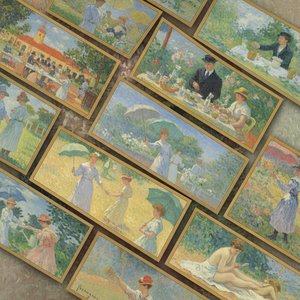
Renoir: Cele Mai Iconice Capodopere – Artă, Frumusețe și Decorațiuni de Lux
Descoperă cele mai frumoase 25 de picturi Renoir! Explorează capodoperele impresionismului, culorile vibrante și poveștile din spatele fiecărei opere. Reproduceri artă de lux pe OriginalUniqueArt.com – adaugă eleganță locuinței tale!

Top 10 Capodopere Impresioniste: Peisaje care au Schimbat Arta | OriginalUniqueArt.ro
Descoperă top 10 capodopere impresioniste care au revoluționat arta! Monet, Manet, Renoir și alți maeștri ai peisajului. Reproduceri de tablouri canvas de calitate muzeală pentru un decor inspirat. Explorează colecția completă pe OriginalUniqueArt.com!

Impressionistic Realism's Finest: 10 Masterpieces for Your Home | OriginalUniqueArt
Journey through Impressionistic Realism with 10 iconic masterpieces by Monet, Renoir & Van Gogh. Explore art history, techniques & find museum-quality reproductions for your home at OriginalUniqueArt.com. Discover all masterpieces online!
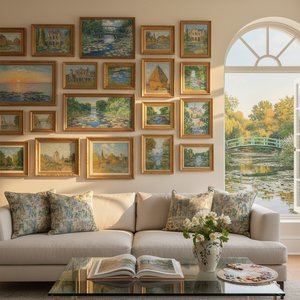
Claude Monet: Cele Mai Iconice Lucrări – O Călătorie Prin Frumusețea Impresionismului | OriginalUniqueArt.ro
Descoperă cele mai frumoase lucrări Claude Monet – o călătorie prin impresionism, nufăr și peisaje iconice. Află povestea fiecărui tablou și adu atmosfera artistică în casa ta cu reproduceri de calitate superioară pe OriginalUniqueArt.com!

Top 10 Capodopere Impresioniste: Peisaje care au Definit Arta Modernă | OriginalUniqueArt.ro
Descoperă top 10 capodopere impresioniste care au revoluționat arta! Monet, Manet, Renoir și alți maeștri ai peisajului. Reproduceri de tablouri de calitate muzeală pentru un decor inspirat. Explorează colecția completă pe OriginalUniqueArt.com!