Previzualizare
 Trimite prin felicitare
 Distribuie
 Detalii despre lucrare
 Ghid
Ghid

 Descarcă imaginea
 Produse similare
 Radiografie
 Galerie foto
 Întrebări și răspunsuri
 Statistici
Archangel Raphael with Adam and Eve

- 50.0 x 40.0 cm


 Vezi mai mult
Giclée / Imprimare artistică
Printuri giclée sau pe canvas de calitate muzeală, cu proces de producție rapid și opțiuni flexibile de finisare. ( Comandă pictură realizată manual Comută pe Imagine Digitală)




P118B lei10

P118H lei10

P118W lei10

P438Z lei10

P508JH lei12

P508YH lei12

P805H lei10

P805Z lei10

P919BZ lei10

P919G lei10

P919XJ lei10

P959ZH lei10

P968JZ lei12

W106C lei8

W218G lei10

W218JH lei8

W218Y lei10

W307PJ lei10

W316G lei10

W316PJ lei8

W316Y lei10

W398PJ lei8

W4111J lei10

W500HY lei15

W500JH lei15

W692G lei12

W849H lei8

W940BG lei15

W953PJ lei8




Alegeți dintre dimensiunile noastre prestabilite, care respectă proporțiile originale ale operei de artă.

Introduceți lățimea și înălțimea necesare pentru a se potrivi ramei sau peretelui dumneavoastră. O printare poate fi doar tăiată, niciodată extinsă dincolo de dimensiunea imaginii originale, astfel încât o dimensiune cu o formă diferită va pierde o parte din imagine. Vă trimitem o simulare digitală pentru aprobare înainte de a imprima orice. Imaginea afișată pe această pagină nu prezintă tăierea reală — doar simularea arată acest lucru.
Livrare în întreaga lume () în 2 săptămâni, în loc de cele 4/5 săptămâni standard. (7 Noiembrie)

Livrare expres gratuită la nivel mondial

Pânză de in de înaltă calitate

Asigurare completă pentru transport

Garanție de rambursare a taxelor vamale

Garanția fidelității culorilor

Politica de retur în 100 de zile (doar pentru defecte de fabricație)

Garanție de rambursare 100%

Ofertă pentru comenzi multiple
 Opțiunea cu sticlă este disponibilă doar pentru dimensiuni de sub 110 cm

Archangel Raphael with Adam and Eve
Giclée / Imprimare artistică
Dimensiune reproducere
-


Preț total calculat
lei 386
A Visionary Encounter: Exploring William Blake’s “Archangel Raphael with Adam and Eve”
William Blake's "Archangel Raphael with Adam and Eve," completed in 1808, transcends mere depiction; it embodies a profound spiritual quest rendered in breathtaking watercolor. More than just an image of biblical narrative, this artwork stands as a cornerstone of Romantic idealism—a testament to Blake’s singular vision and his masterful manipulation of artistic language. Its enduring appeal lies not only in its aesthetic beauty but also in the layers of symbolism woven into every brushstroke, inviting contemplation on themes of innocence, redemption, and divine grace.Composition and Symbolism: A Landscape of Mythic Significance
The painting’s arrangement is deliberately complex, prioritizing emotional resonance over strict realism. Blake positions Adam seated upon a chair—a gesture signifying humility and vulnerability—facing upwards towards Raphael, who dominates the composition with his commanding presence and radiant white robe. Eve stands beside him, gazing intently at Raphael, embodying feminine receptivity and the allure of divine revelation. Crucially, flanking the central figures are two additional figures: one holding an apple – representing temptation and the acquisition of knowledge – and the other bearing a bowl overflowing with fruit—symbolizing abundance and spiritual nourishment. These subtle additions elevate the scene beyond a simple retelling of Genesis, suggesting a broader narrative concerning humanity’s relationship with God and the consequences of disobedience. The backdrop is dominated by stylized mountains and trees, meticulously rendered in watercolor to create an ethereal landscape that reinforces the painting's mystical atmosphere.Blake’s Watercolor Technique: Capturing Dreamlike Atmosphere
Blake’s distinctive watercolor technique—characterized by delicate washes and luminous glazing—is instrumental in conveying the artwork’s dreamlike quality. He eschewed conventional academic precision, prioritizing expressive color and tonal variation to evoke a sense of otherworldly beauty. The artist skillfully utilizes layering and blending to achieve subtle gradations of hue, capturing the diffused light of Edenic paradise with remarkable sensitivity. This technique allows for an unparalleled level of nuance—revealing textures and contours that would be impossible to achieve with oil paint alone. Furthermore, Blake’s meticulous attention to detail extends beyond mere visual representation; he imbues every element of the composition with symbolic weight, reinforcing the painting's overarching message.Historical Context: Romanticism and Spiritual Rebellion
“Archangel Raphael with Adam and Eve” emerged during the height of Romanticism—a movement that championed emotion, imagination, and individualism as antidotes to Enlightenment rationalism. Blake’s work was profoundly influenced by Neo-Romanticism, which sought to revive the fervor and idealism of the original Romantic era. Rejecting the constraints of established religious dogma, Blake drew inspiration from esoteric traditions and mystical philosophies, believing in the transformative power of visionary experience. This conviction fueled his artistic endeavors—driving him to explore uncharted territories of symbolism and allegory—and cementing his legacy as a prophet of the imagination.Emotional Impact: An Invitation to Contemplation
Ultimately, “Archangel Raphael with Adam and Eve” transcends its formal attributes to deliver an emotionally resonant statement about human spirituality. The painting’s serene beauty juxtaposed with its symbolic depth compels viewers to confront fundamental questions concerning morality, faith, and the pursuit of enlightenment. Blake's masterful portrayal captures a moment of profound grace—a glimpse into the divine realm—leaving audiences captivated by its timeless allure and prompting ongoing reflection on the enduring significance of biblical narratives. Its ethereal palette and intricate composition continue to inspire artists and collectors alike, securing its place as an icon of Romantic art and spiritual contemplation.Întrebări și răspunsuri
Pentru ce utilizare este recomandată reproducerea "Archangel Raphael with Adam and Eve" de William Blake?
O reproducere a operei "Archangel Raphael with Adam and Eve" de William Blake este recomandată pentru Statement. Această sugestie derivă din subiectul, atmosfera și culorile lucrării.
Cum se încadrează „Archangel Raphael with Adam and Eve” în temele și stilul lui William Blake?
În creația lui William Blake, „Archangel Raphael with Adam and Eve” se înscrie în stilul Romantic Symbolism, alături de temele blake’s romantic vision, neo-romantic ideals, biblical narrative, spiritual allegory, artistic innovation.
Ce nivel de saturație și intensitate prezintă "Archangel Raphael with Adam and Eve" de William Blake?
Culorile din "Archangel Raphael with Adam and Eve" de William Blake prezintă o saturație de Subtle Color cu o intensitate de Balanced.
Biografie artist
A Visionary’s Journey: The Life and Art of William Blake
William Blake, born in London on November 28, 1757, was a figure perpetually out of step with his time, yet destined to become one of the most celebrated artists and poets of the Romantic Age. His life unfolded against the backdrop of a rapidly changing England—a world grappling with industrialization, political upheaval, and shifting spiritual beliefs. From humble beginnings as the son of a hosier, Blake’s early years were marked by an intensely vivid imagination and a propensity for visionary experiences that would profoundly shape his artistic trajectory. Though largely self-taught in formal academics, he received drawing instruction at a young age, quickly revealing a talent that hinted at the extraordinary path ahead. His apprenticeship with engraver James Basire proved pivotal, providing him not only with technical mastery but also an understanding of printmaking techniques he would later revolutionize. These early influences—the Gothic grandeur of Westminster Abbey, the classical forms of Raphael and Michelangelo—served as foundational elements in his developing aesthetic, though Blake was never one to remain bound by convention.Early Influences and Artistic Training
Blake’s formative years instilled within him a deep appreciation for both beauty and terror – sensations he would translate into his art with unparalleled sensitivity. The architectural majesty of Westminster Abbey captivated his youthful imagination, exposing him to the grandeur of classical sculpture and inspiring a fascination with artistic ideals. Simultaneously, he absorbed the stylistic innovations of Raphael and Michelangelo, recognizing their mastery of form and composition as benchmarks for excellence. Despite lacking formal training in traditional academic disciplines—a rarity for artists of his era—Blake possessed an innate aptitude for drawing that quickly surpassed expectations. Encouraged by Basire’s guidance, he honed his skills in engraving, mastering techniques that would become integral to his groundbreaking artistic process. This apprenticeship wasn't merely about acquiring technical proficiency; it was about immersing himself in the world of printmaking and gaining firsthand experience with the challenges inherent in translating visual ideas into durable images.The Illuminated World: Technique and Innovation
Blake’s artistic innovation wasn’t merely about subject matter; it resided fundamentally in *how* he created. Dissatisfied with conventional engraving methods, he developed a unique process known as “illuminated printing.” This involved etching both text and illustrations onto copper plates, then hand-coloring the resulting prints—a laborious but deeply personal approach that allowed for complete artistic control. This wasn’t simply illustration accompanying poetry; it was an integrated art form where image and verse were inextricably linked, each enhancing the meaning of the other. His relief etching technique, born from a claimed visionary experience following his brother's death, further distinguished his work, granting it a distinctive textural quality and allowing for greater artistic freedom than traditional methods. Beyond printmaking, Blake also worked with watercolors and tempera paints, often depicting biblical scenes or fantastical subjects imbued with symbolic weight. A key characteristic of his style was a deliberate rejection of linear perspective in favor of a more emotive, symbolic representation—a flattening of space that drew the viewer into the heart of his visionary world. He believed that true artistic expression demanded a departure from accepted conventions and an embrace of subjective experience.Major Works and Artistic Themes
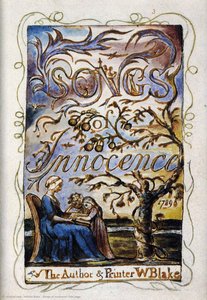
Blake’s oeuvre encompasses a remarkable range of poetic and visual creations, reflecting his multifaceted intellectual and spiritual concerns. Among his most celebrated works are *Songs of Innocence & of Experience* (1794), a dual collection exploring the contrasting facets of human consciousness—the purity of childhood juxtaposed with the anxieties of adulthood. This seminal poem exemplifies Blake’s preoccupation with moral allegory and psychological insight, presenting characters as embodiments of archetypal virtues and vices. Equally significant is *The Marriage of Heaven & Hell* (1793), a provocative prose poem that challenges conventional morality, celebrating energy, desire, and rebellion against restrictive doctrines. Blake's illustrations for Dante’s *Divine Comedy*, commissioned by John Flaxman, demonstrate his extraordinary ability to translate complex narratives into powerful visual imagery—a testament to his mastery of symbolism and dramatic composition. His magnum opus, *Jerusalem* (1820), is a sprawling epic poem that delves into biblical prophecy and explores themes of redemption and divine justice. Blake’s artistic vision consistently prioritized symbolic representation over realistic depiction, conveying profound spiritual truths through evocative imagery and carefully crafted narratives.Legacy and Influence
Blake's impact on subsequent generations of artists and writers remains undeniable. His pioneering technique of illuminated printing influenced the Pre-Raphaelites, who adopted his stylistic innovations to create stunningly detailed paintings inspired by medieval literature and mythology. Furthermore, Blake’s emphasis on imagination and subjective experience resonated deeply with Symbolists and Modernist thinkers—artists who sought to express inner realities beyond the confines of observable phenomena. His unwavering commitment to artistic freedom continues to inspire creatives today, reminding us that true beauty lies in challenging conventions and embracing unconventional perspectives. William Blake stands as a beacon of visionary creativity—a testament to the transformative power of imagination and an enduring symbol of Romantic idealism. He remains one of the most influential artists of his time and continues to captivate audiences worldwide with his haunting imagery and profound philosophical ideas.
William Blake
1757 - 1827 , Regatul Unit
Detalii rapide
- Artistic Movement Or Style: Romanticism
- Artists Who Influenced This Artist:
- Raphael
- Michelangelo
- Date Of Birth: 1757
- Date Of Death: 1827
- Full Name: William Blake
- Nationality: Britanic
- Notable Artworks:
- Songs of Innocence & Exp.
- The Tyger
- Jerusalem
- Place Of Birth: Londra, UK
Articole similare
Reginald Grenville Eves: Bridging Portraiture & Modern British Landscape Painting
Explore the life & work of Reginald Grenville Eves, a leading British portraitist who transitioned to captivating landscape painting. Discover his legacy and prominent works at OriginalUniqueArt.

Raphael: Cele Mai Remarcabile 25 de Capodopere – Artă Clasică pentru Decorul Casei Tale
Descoperă cele mai frumoase 25 de picturi ale lui Raphael, maestru al Renașterii italiene! Explorează Școala din Atena, Madonnele și alte capodopere clasice. Găsește inspirație pentru decorul casei tale cu artă renascentistă de calitate muzeală pe OriginalUniqueArt.com.

Sir William Blake Richmond: A Visionary of Aestheticism & Symbolism
Explore the life & art of Sir William Blake Richmond, a pivotal figure bridging Pre-Raphaelitism and Aestheticism. Discover his stunning portraits, mosaics at St Paul's Cathedral, and lasting influence on Victorian art.
John Ottis Adams: Capturing Rural Indiana's Luminist Spirit
Explore the serene landscapes of John Ottis Adams, a key American Impressionist of the Hoosier Group. Discover his Luminist style & forgotten legacy with OriginalUniqueArt.

William Blake: Romantic Visionary & Mystical Genius of the Imagination
Explore the mystical art & poetic genius of William Blake (1757-1827). Discover his revolutionary illuminated printing, rich symbolism, and lasting influence on Romanticism. Find handmade reproductions at OriginalUniqueArt.