Previzualizare
 Trimite
 Distribuie
 Detalii despre lucrare

 Descarcă
 Produse similare
 Radiografie
 Diapozitive automate
Antaeus setting down Dante and Virgil in the last circle of hell
 Acrylic On Canvas
- WallArt
- Romanticism
 1827
1827 37.0 x 53.0 cm
 Galeria Națională din Melbourne
 Vezi mai mult
Reproducere pictată manual în ulei
Pictură în ulei pe pânză, realizată manual de artiștii noștri la dimensiunea și ramele dorite de dumneavoastră, pe comandă. ( Comandă printul Cumpără imaginea)




P118B $10

P118H $10

P118W $10

P438Z $10

P508JH $12

P508YH $12

P805H $10

P805Z $10

P919BZ $10

P919G $10

P919XJ $10

P959ZH $10

P968JZ $12

W106C $8

W218G $10

W218JH $8

W218Y $10

W307PJ $10

W316G $10

W316PJ $8

W316Y $10

W398PJ $8

W4111J $10

W500HY $15

W500JH $15

W692G $12

W849H $8

W940BG $15

W953PJ $8




Alegeți dintre dimensiunile noastre prestabilite, care respectă proporțiile originale ale operei de artă.

Puteți introduce propriile dimensiuni pentru a se potrivi unui anumit cadru sau spațiu. Dacă dimensiunea selectată nu corespunde proporțiilor imaginii originale, vom decupa opera de artă sau vom extinde pictura cu elemente suplimentare pictate manual. O simulare digitală vă va fi trimisă pentru aprobare înainte de începerea producției.
Vă rugăm să rețineți că previzualizarea de pe ecran nu reflectă decuparea sau extinderea reală. Doar macheta va arăta cu exactitate compoziția finală.
Deși sunt disponibile dimensiuni personalizate, vă recomandăm să selectați o dimensiune din lista predefinită pentru a păstra proporțiile originale.
După plasarea comenzii, echipa OriginalUniqueArt.com va contacta clientul prin e-mail pentru instrucțiuni și îi va furniza o previzualizare a machetei
Livrare în întreaga lume () în 3-4 săptămâni, în loc de cele 5 săptămâni standard. (21 August). Fără compromisuri în ceea ce privește calitatea.

Livrare expres gratuită la nivel mondial

Pânză de in de înaltă calitate

Asigurare completă pentru transport

Garanție de rambursare a taxelor vamale

Garanția fidelității culorilor

Politica de retur în 60 de zile (doar pentru defecte)

Garanție de rambursare 100%

Ofertă pentru comenzi multiple
 Opțiunea cu sticlă este disponibilă doar pentru dimensiuni de sub 110 cm

Antaeus setting down Dante and Virgil in the last circle of hell
Tehnică de reproducere
Dimensiune reproducere
-


Preț total calculat
$ 300
Descriere operă de artă
A Descent Into Darkness: William Blake’s “Antaeus Setting Down Dante and Virgil”
William Blake's "Antaeus Setting Down Dante and Virgil in the Last Circle of Hell," painted in 1827, is not merely a depiction of a biblical scene; it’s a profound exploration of human experience, morality, and the inescapable pull of darkness. This arresting image, rendered in a strikingly intimate scale of 37 x 53 cm, immediately draws the viewer into a landscape both terrifying and strangely compelling – a volcanic realm mirroring the depths of the soul. Blake, a figure perpetually ahead of his time, masterfully utilizes symbolic representation to convey layers of meaning rooted in Dante Alighieri’s *Inferno* and his own intensely personal spiritual beliefs.
The central figures—Antaeus, the titan forever bound to the earth, and Dante and Virgil—are presented in a moment of intense physicality. Antaeus, with arms outstretched as if grasping for salvation, is lowering the weary Dante and Virgil onto the jagged rocks of the ninth circle – the realm of those who betrayed faith. The posture of each figure speaks volumes: Dante’s face etched with exhaustion and despair, Virgil’s bearing resolute yet burdened by the task of guiding his master through this harrowing journey. Blake deliberately avoids romanticizing the scene; there's no heroic grandeur here, only a raw, almost brutal depiction of suffering and the consequences of transgression.
The Alchemy of Print: Technique and Style
Executed as an engraving with watercolor additions – a technique Blake favored to achieve both intricate detail and luminous color—the work showcases his unparalleled mastery of printmaking. The stark lines of the engraving, particularly evident in Antaeus’s form and the surrounding landscape, provide a powerful foundation for the delicate washes of watercolor that imbue the scene with an unsettling atmosphere. Blake's use of chiaroscuro – the dramatic contrast between light and shadow – is exceptionally effective, emphasizing the jagged edges of the rocks, the looming darkness, and the vulnerability of the figures. This interplay of light and dark isn’t simply aesthetic; it represents the struggle between hope and despair, knowledge and ignorance.
The choice to render this scene through printmaking itself is significant. Blake viewed engraving as a means of accessing a deeper truth, believing that it allowed for a more direct engagement with the subject matter than painting alone. The process of creating an image from a matrix demanded meticulous planning and execution, reflecting Blake’s rigorous intellectual approach to his art.
Symbolism and Spiritual Resonance
“Antaeus Setting Down Dante and Virgil” is saturated with symbolism drawn from both classical mythology and Christian theology. Antaeus, the titan who could only draw strength from contact with the earth, represents humanity's primal connection to the material world – a connection that can also be a source of weakness and corruption. Dante, as the pilgrim, embodies the human soul’s journey towards redemption, while Virgil serves as his guide, representing reason and knowledge. The last circle of Hell, reserved for those who betrayed faith, symbolizes the ultimate consequence of moral failure.
Furthermore, Blake's personal spiritual beliefs—rooted in a complex blend of pantheism, mysticism, and radical social critique—are subtly woven into the composition. The volcanic landscape itself can be interpreted as a metaphor for the internal turmoil of the human psyche, while the figures’ postures suggest a profound meditation on themes of guilt, repentance, and the possibility of spiritual rebirth. The inclusion of the background figure hints at an unseen force, perhaps representing divine judgment or the ever-present awareness of mortality.
A Timeless Vision: Reproduction and Collecting
This powerful image by William Blake transcends its historical context, continuing to resonate with viewers today. OriginalUniqueArt offers meticulously crafted hand-painted reproductions that faithfully capture the nuances of this iconic work. Each reproduction is created using traditional techniques, ensuring a remarkable level of detail and color accuracy. Whether adorning a study, a gallery wall, or serving as a focal point in an interior design scheme, “Antaeus Setting Down Dante and Virgil” offers a captivating glimpse into the visionary world of one of history’s most enigmatic artists. Its evocative imagery and profound symbolism make it not just a beautiful artwork, but a compelling meditation on the human condition – a timeless treasure for collectors and art lovers alike.
Biografie artist
A Visionary’s Journey: The Life and Art of William Blake
William Blake, born in London on November 28, 1757, was a figure perpetually out of step with his time, yet destined to become one of the most celebrated artists and poets of the Romantic Age. His life unfolded against the backdrop of a rapidly changing England—a world grappling with industrialization, political upheaval, and shifting spiritual beliefs. From humble beginnings as the son of a hosier, Blake’s early years were marked by an intensely vivid imagination and a propensity for visionary experiences that would profoundly shape his artistic trajectory. Though largely self-taught in formal academics, he received drawing instruction at a young age, quickly revealing a talent that hinted at the extraordinary path ahead. His apprenticeship with engraver James Basire proved pivotal, providing him not only with technical mastery but also an understanding of printmaking techniques he would later revolutionize. These early influences—the Gothic grandeur of Westminster Abbey, the classical forms of Raphael and Michelangelo—served as foundational elements in his developing aesthetic, though Blake was never one to remain bound by convention.Early Influences and Artistic Training
Blake’s formative years instilled within him a deep appreciation for both beauty and terror – sensations he would translate into his art with unparalleled sensitivity. The architectural majesty of Westminster Abbey captivated his youthful imagination, exposing him to the grandeur of classical sculpture and inspiring a fascination with artistic ideals. Simultaneously, he absorbed the stylistic innovations of Raphael and Michelangelo, recognizing their mastery of form and composition as benchmarks for excellence. Despite lacking formal training in traditional academic disciplines—a rarity for artists of his era—Blake possessed an innate aptitude for drawing that quickly surpassed expectations. Encouraged by Basire’s guidance, he honed his skills in engraving, mastering techniques that would become integral to his groundbreaking artistic process. This apprenticeship wasn't merely about acquiring technical proficiency; it was about immersing himself in the world of printmaking and gaining firsthand experience with the challenges inherent in translating visual ideas into durable images.The Illuminated World: Technique and Innovation
Blake’s artistic innovation wasn’t merely about subject matter; it resided fundamentally in *how* he created. Dissatisfied with conventional engraving methods, he developed a unique process known as “illuminated printing.” This involved etching both text and illustrations onto copper plates, then hand-coloring the resulting prints—a laborious but deeply personal approach that allowed for complete artistic control. This wasn’t simply illustration accompanying poetry; it was an integrated art form where image and verse were inextricably linked, each enhancing the meaning of the other. His relief etching technique, born from a claimed visionary experience following his brother's death, further distinguished his work, granting it a distinctive textural quality and allowing for greater artistic freedom than traditional methods. Beyond printmaking, Blake also worked with watercolors and tempera paints, often depicting biblical scenes or fantastical subjects imbued with symbolic weight. A key characteristic of his style was a deliberate rejection of linear perspective in favor of a more emotive, symbolic representation—a flattening of space that drew the viewer into the heart of his visionary world. He believed that true artistic expression demanded a departure from accepted conventions and an embrace of subjective experience.Major Works and Artistic Themes
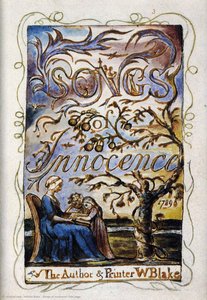
Blake’s oeuvre encompasses a remarkable range of poetic and visual creations, reflecting his multifaceted intellectual and spiritual concerns. Among his most celebrated works are *Songs of Innocence & of Experience* (1794), a dual collection exploring the contrasting facets of human consciousness—the purity of childhood juxtaposed with the anxieties of adulthood. This seminal poem exemplifies Blake’s preoccupation with moral allegory and psychological insight, presenting characters as embodiments of archetypal virtues and vices. Equally significant is *The Marriage of Heaven & Hell* (1793), a provocative prose poem that challenges conventional morality, celebrating energy, desire, and rebellion against restrictive doctrines. Blake's illustrations for Dante’s *Divine Comedy*, commissioned by John Flaxman, demonstrate his extraordinary ability to translate complex narratives into powerful visual imagery—a testament to his mastery of symbolism and dramatic composition. His magnum opus, *Jerusalem* (1820), is a sprawling epic poem that delves into biblical prophecy and explores themes of redemption and divine justice. Blake’s artistic vision consistently prioritized symbolic representation over realistic depiction, conveying profound spiritual truths through evocative imagery and carefully crafted narratives.Legacy and Influence
Blake's impact on subsequent generations of artists and writers remains undeniable. His pioneering technique of illuminated printing influenced the Pre-Raphaelites, who adopted his stylistic innovations to create stunningly detailed paintings inspired by medieval literature and mythology. Furthermore, Blake’s emphasis on imagination and subjective experience resonated deeply with Symbolists and Modernist thinkers—artists who sought to express inner realities beyond the confines of observable phenomena. His unwavering commitment to artistic freedom continues to inspire creatives today, reminding us that true beauty lies in challenging conventions and embracing unconventional perspectives. William Blake stands as a beacon of visionary creativity—a testament to the transformative power of imagination and an enduring symbol of Romantic idealism. He remains one of the most influential artists of his time and continues to captivate audiences worldwide with his haunting imagery and profound philosophical ideas.
William Blake
1757 - 1827 , Regatul Unit
Detalii rapide
- Artistic Movement Or Style: Romanticism
- Artists Who Influenced This Artist:
- Raphael
- Michelangelo
- Date Of Birth: 1757
- Date Of Death: 1827
- Full Name: William Blake
- Nationality: Britanic
- Notable Artworks:
- Songs of Innocence & Exp.
- The Tyger
- Jerusalem
- Place Of Birth: Londra, UK
Articole similare

Dante Gabriel Rossetti: Cele Mai Frumoase 25 de Capodopere – Artă, Decorațiuni și Inspirație
Descoperă cele mai frumoase 25 de picturi ale lui Dante Gabriel Rossetti! Explorează arta prerafaelită, simbolismul romantic și portretele feminine iconice. Reproduceri artă de calitate muzeală & inspirație decorativă pe OriginalUniqueArt.com.

William Blake: Romantic Visionary & Mystical Genius of the Imagination
Explore the mystical art & poetic genius of William Blake (1757-1827). Discover his revolutionary illuminated printing, rich symbolism, and lasting influence on Romanticism. Find handmade reproductions at OriginalUniqueArt.
Top 10 Gravuri Legendare care au Schimbat Arta pentru Totdeauna | OriginalUniqueArt.com
Descoperă Top 10 gravuri legendare de la Dürer, Rembrandt și Goya! Explorează istoria artei, tehnicile maeștrilor și impactul lor asupra culturii. Reproduceri artă de calitate muzeală pentru un decor rafinat pe OriginalUniqueArt.com

Engraving: A Historical Survey of Technique, Artistic Expression & Enduring Legacy
Explore the rich history of engraving with OriginalUniqueArt. Discover techniques, iconic artists like Dürer & Callot, collecting tips, and expert guidance for preserving your art investment. Learn about intaglio printing & more!

The Intricate World of Engraving: A Historical Survey of Technique, Artistic Expression & Enduring Legacy
Explore the rich history of engraving with OriginalUniqueArt. Discover techniques, iconic artists like Dürer & Callot, collecting tips, and expert guidance for preserving your art investment. Learn about intaglio printing & more!