Previzualizare
 Trimite prin felicitare
 Distribuie
 Detalii despre lucrare
 Ghid
Ghid

 Descarcă imaginea
 Produse similare
 Radiografie
 Galerie foto
 Q&A
Q&A Statistici
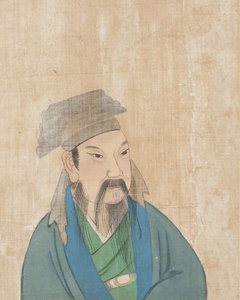
Timely Clearing After Snowfall
 Acrilic pe pânză întinsă
- Artă de perete
- Tang Dynasty Calligraphy
 23.0 x 14.0 cm
 National Palace Museum
 Vezi mai mult
Obțineți un fișier gata de imprimare care depășește cu mult calitatea previzualizării web. Fiecare imagine digitală pe care o vindem provine dintr-un master de înaltă rezoluție din baza noastră de date — având, de regulă, o lățime între 5.000 și 15.000 de pixeli — astfel încât să puteți printa în format mare, să decupați strâns sau să reproduceți detalii fine cu încredere.
Niciun fișier nu părăsește studioul nostru fără să fie tratat. Un expert digital verifică nuanțele de culoare în raport cu pictura originală și le corectează acolo unde este necesar, apoi îmbunătățește claritatea și detaliile folosind instrumente profesionale de retușare — rămânând întotdeauna fidel gestului pictural și stilului artistului. Rezultatul este o imagine care seamănă cu tabloul propriu-zis, nu cu o scanare filtrată.
Aprobați înainte de finalizare: expertul nostru vă va trimite imaginea prin e-mail în termen de 72 de ore pentru revizuire. Nu sunteți mulțumit? Solicitați îmbunătățiri sau corecturi, ori cereți o restituire a plății dacă calitatea nu este pe măsura așteptărilor.
Aceasta este calitatea pe care se bazează editorii, studiourile de design, galeriile și tipăriturile.
Imagine Digitală
Descărcați un fișier la rezoluție înaltă pentru afișare personală, imprimare și proiecte creative. ( Comută pe versiunea Print Comandă pictură realizată manual)
Inclus în fiecare comandă de imagini digitale
Livrare digitală de expertiză, garantată
Când alegeți OriginalUniqueArt.com, nu primiți doar o simplă imagine – primiți o operă de artă digitală îmbunătățită profesional, creată cu precizie și susținută de o garanție de satisfacție. Iată tot ceea ce primești odată cu comanda ta, în mod automat:

Livrare rapidă prin e-mail
Fișierul imaginii digitale la rezoluție înaltă vă va fi trimis prin e-mail în termen de 72 de ore de la finalizarea comenzii – gata pentru utilizare imediată.

Fișier digital optimizat prin IA
Opera ta de artă este optimizată profesional prin intermediul unor instrumente AI avansate și al editării manuale, asigurând un nivel maxim de detalii, claritate și acuratețe a culorilor.

Retransmitere gratuită pe viață
Ai șters sau ai pierdut din greșeală fișierul? Nu îți face griji – ți-l vom retrimite oricând, gratuit.

Fără taxe de import – Întotdeauna
Bucură-te instant de noua ta operă de artă, fără taxe vamale, taxe de import sau costuri de livrare – descărcările digitale sunt întotdeauna fără taxe.

Garanția acurateții culorilor
Asigurăm o reflectare cât mai fidelă a culorilor originale în imaginea ta digitală, prin utilizarea unor instrumente profesionale și a proceselor de gestionare a culorii.

Garanție de satisfacție de 100 de zile
Dacă nu sunteți mulțumit de imaginea digitală achiziționată, o vom revizui sau vă vom returna 100% în termen de 100 de zile – fără nicio întrebare.

Garanție de returnare 100% a banilor
Nu ești mulțumit? Primești rambursarea integrală în termen de 100 de zile de la primirea fișierului digital – fără nicio întrebare.

Reduceri pentru comenzi în volum
Cumpără 3 imagini, economisește 10% - Cumpără 5, economisește 15% - Cumpără 10+, economisește 20%. Ideal pentru proiecte creative, galerii și agenții.
Wang Xizhi: Timely Clearing After Snowfall – A Masterpiece of Tranquility
This exquisite album leaf by Wang Xizhi (王羲之), dating back to the Jin Dynasty (265–420), embodies the pinnacle of Chinese calligraphy and represents a cornerstone of East Asian artistic heritage. Produced in Sanin, Japan, during his travels with fellow scholars, this piece transcends mere visual representation; it’s an embodiment of philosophical contemplation and serene beauty—a sentiment powerfully conveyed through its masterful execution. The artwork itself is a simple yet profound letter penned in running script (行書), addressed to Zhang Hou, capturing the fleeting moment after snowfall – a scene imbued with symbolic significance reflecting the artist's deep connection to nature and his yearning for companionship.- Artist: Wang Xizhi (王羲之)
- Style Name: I-sao (逸少)
- Medium: Ink on Paper
- Dimensions: 23 x 14.8 cm
- Provenance: National Palace Museum, Taipei
The Technique of Perfection – Embracing the Essence of Qin and Han Styles
Wang Xizhi’s genius lay in his ability to synthesize disparate calligraphy styles—primarily Qin Dynasty (221–206 BC) seal script (篆書) and Han Dynasty (206 BC–220 AD) clerical script (楷書)—into a unified, harmonious form. This innovative approach wasn't merely stylistic; it represented a deliberate effort to distill the very best qualities of past masters into a single, timeless expression. The brushwork is characterized by remarkable fluidity and balance, achieved through careful control of pressure and stroke placement. Notably, the artist eschewed ostentation, favoring instead a deliberately understated elegance—a technique that reflects the contemplative spirit of the era and anticipates the stylistic developments of later dynasties like Tang (618–907). The dots and hooked strokes are notably absent, highlighting the brush’s natural movement and conveying a sense of effortless grace.Symbolism Rooted in Nature – Reflecting Harmony and Loneliness
The choice of subject matter—a snowfall scene—holds considerable symbolic weight within Chinese culture. Snow represents purity, renewal, and transcendence, mirroring Wang Xizhi's desire for spiritual clarity amidst the complexities of life. The letter itself speaks to themes of friendship, longing, and acceptance – emotions powerfully conveyed through the restrained beauty of the calligraphy. As Chan Ching-feng eloquently observed, this piece influenced Chao Mengfu’s running script style, demonstrating Wang Xizhi’s enduring legacy as a formative figure in Chinese artistic tradition. The Emperor Qianlong's praise—"The one and only; a masterpiece for all time"—underscores the artwork’s unparalleled significance within its historical context.A Legacy Enduring Through Time – Recognized as “The Sage Calligrapher”
Wang Xizhi’s reputation as "The Sage Calligrapher" (聖書王羲之) stems from his profound understanding of calligraphy and his unwavering commitment to artistic excellence. He wasn't merely copying existing styles; he was actively shaping them, elevating them to new heights of sophistication and conveying a deep appreciation for the natural world. His work continues to inspire artists and collectors alike—a testament to its enduring beauty and intellectual depth. The National Palace Museum’s acquisition of this treasured album leaf ensures that Wang Xizhi's masterpiece will continue to captivate audiences for generations to come.Întrebări și răspunsuri
Ce amplasare se potrivește formatului lucrării "Timely Clearing After Snowfall" de Wang Hsi-Chih?
Formatul (Orizontal) și spațiul recomandat (Living Room) sunt cele două detalii de amplasare înregistrate pentru "Timely Clearing After Snowfall" de Wang Hsi-Chih.
Culorile din "Timely Clearing After Snowfall" de Wang Hsi-Chih sunt saturate sau tenue?
Paleta lucrării "Timely Clearing After Snowfall" are o saturație de Saturare echilibrată și delicată.
Ce emoție transmit culorile din "Timely Clearing After Snowfall" de Wang Hsi-Chih?
"Timely Clearing After Snowfall" de Wang Hsi-Chih îmbină o paletă Culori neutre cu un ton Reflectivă.
Biografie artist
The Sage of Calligraphy: A Life Dedicated to the Art of Brush and Ink
Wang Xizhi, born around 303 CE in Linyi, Shandong province, China, stands as a monumental figure in East Asian art history—a calligrapher whose name resonates with reverence even today. Often hailed as the “Sage of Calligraphy” (Shu Sheng), Wang didn’t simply practice calligraphy; he embodied it, elevating the art form to unprecedented heights and establishing standards that would influence generations of artists across China, Korea, and Japan. His life, though documented through historical accounts and anecdotes, reveals a journey marked by both aristocratic privilege and profound dedication to aesthetic pursuit.
Born into a prominent family during the Jin dynasty, Wang’s early years offered little indication of his future mastery. Accounts suggest he initially struggled with writing, yet driven by an unwavering commitment, he devoted himself tirelessly to honing his skills. Legend has it that he practiced so diligently, even inscribing characters on his arm with his finger, and that the pond beside his studio was perpetually stained black from the constant flow of ink. This relentless pursuit laid the foundation for a revolutionary approach to calligraphy.
A Flourishing Career Amidst Political Turmoil
The Jin dynasty was a period of significant political upheaval, and Wang Xizhi’s life mirrored this instability. Following the collapse of the Western Jin dynasty, his family fled south, seeking refuge from the turmoil. Despite these challenges, he managed to secure various government positions between 324 and 354 CE, reaching the esteemed title of “General of the Right Army” in 347 and later becoming administrator of Kuaiji (present-day Shaoxing, Zhejiang). However, Wang’s true passion lay not in politics but in the refinement of his artistic expression. He eventually retired from public service in 355 to fully immerse himself in Taoist practices and calligraphy.
His engagement to Xi Xuan around 323 CE proved pivotal, resulting in eight children, including Wang Xianzhi, who would also achieve renown as a calligrapher—cementing the family’s legacy within the art world. The collaborative spirit and shared dedication to calligraphy within the Wang family further amplified their influence on subsequent generations.
The Lantingji Xu: A Masterpiece Born of Celebration
Wang Xizhi's most celebrated work, composed in 353 CE, is the Lantingji Xu (蘭亭集序; “Preface to the Poems Composed at the Orchid Pavilion”). This remarkable piece emerged from a convivial gathering hosted by Wang for forty-one friends, relatives, and pupils at Mount Kuaiji. The occasion involved a "winding stream party," where participants composed poetry as they enjoyed wine flowing down a creek. It was during this spirited event that Wang penned the Lantingji Xu, a preface to the collection of poems created that day.
Written in the Running Style (xingshu), the Lantingji Xu is lauded for its effortless fluidity, dynamic brushwork, and harmonious balance between legibility and artistic expression. The work captures not only the joy of the gathering but also Wang’s profound connection to nature and his philosophical reflections on life's transience. While no original versions survive today—only rubbings and tracing copies remain—the Lantingji Xu continues to be revered as the pinnacle of Chinese calligraphy, studied and emulated by artists for centuries.
Legacy and Enduring Influence
Wang Xizhi’s mastery extended beyond the Running Style; he excelled in Regular Script (kaishu) and Cursive Script (caoshu) as well. However, his true innovation lay in his ability to synthesize these styles, creating a unique aesthetic that prioritized naturalness, spontaneity, and emotional resonance. He didn’t merely copy existing texts; he infused them with his own personality and artistic vision.
His impact on the art world was profound. Emperor Taizong of Tang (626-649 CE) recognized Wang Xizhi as the defining standard for Chinese calligraphy, mandating that imperial court scholars study his techniques. He commissioned calligraphers to create handwritten tracing copies and ink rubbings of Wang’s works, ensuring their preservation and dissemination. This patronage solidified Wang's position as a cultural icon and established his style as the benchmark for excellence.
Today, Wang Xizhi remains an enduring symbol of artistic dedication and innovation. His influence permeates East Asian calligraphy, inspiring artists to strive for balance, harmony, and emotional depth in their work. The “Sage of Calligraphy” continues to captivate audiences with his timeless masterpieces, reminding us of the power of brush and ink to transcend time and culture.