

 Previzualizare
 Trimite prin felicitare
 Distribuie
 Detalii despre lucrare
 Ghid
Ghid

 Descarcă imaginea
 Produse similare
 Radiografie
 Galerie foto
 Statistici
Madonna and Child
 Renaissance
 1482
1482- Renaissance
 68.0 x 52.0 cm
 Muzeul de Artă Fine din Budapesta
 Vezi mai mult
Reproducere pictată manual în ulei
Pictură în ulei pe pânză, pictată manual de artiștii noștri la dimensiunea și ramele dorite de dumneavoastră, pe comandă. ( Comută pe versiunea Print Comută pe Imagine Digitală)




P118B lei10

P118H lei10

P118W lei10

P438Z lei10

P508JH lei12

P508YH lei12

P805H lei10

P805Z lei10

P919BZ lei10

P919G lei10

P919XJ lei10

P959ZH lei10

P968JZ lei12

W106C lei8

W218G lei10

W218JH lei8

W218Y lei10

W307PJ lei10

W316G lei10

W316PJ lei8

W316Y lei10

W398PJ lei8

W4111J lei10

W500HY lei15

W500JH lei15

W692G lei12

W849H lei8

W940BG lei15

W953PJ lei8




Alegeți dintre dimensiunile noastre prestabilite, care respectă proporțiile originale ale operei de artă.

Introduceți lățimea și înălțimea necesare pentru a se potrivi ramei sau peretelui dumneavoastră. Această lucrare este pictată manual, așa că, pentru o dimensiune cu o formă diferită, artistul poate picta puțin mai mult în jurul imaginii sau poate tăia puțin din margini — dumneavoastră decideți. Vă vom trimite o simulare digitală pentru aprobare înainte de a începe pictarea. Imaginea afișată pe această pagină nu reprezintă rezultatul real — doar simularea este reprezentativă.
După plasarea comenzii, echipa OriginalUniqueArt.com va contacta clientul prin e-mail pentru instrucțiuni și îi va furniza o previzualizare a machetei
Livrare în întreaga lume () în 3-4 săptămâni, în loc de cele 5 săptămâni standard. (26 Octombrie). Fără compromisuri în ceea ce privește calitatea.

Livrare expres gratuită la nivel mondial

Pânză de in de înaltă calitate

Asigurare completă pentru transport

Garanție de rambursare a taxelor vamale

Garanția fidelității culorilor

Politica de retur în 100 de zile (doar pentru defecte de fabricație)

Garanție de rambursare 100%

Ofertă pentru comenzi multiple
 Opțiunea cu sticlă este disponibilă doar pentru dimensiuni de sub 110 cm

Madonna and Child
Tehnică de reproducere
Dimensiune reproducere
-


Preț total calculat
lei 1389
A Tender Encounter in the Venetian Renaissance
In the quiet intimacy of Vittore Crivelli’s Madonna and Child, we are invited into a sacred moment that transcends the boundaries of time. Painted around 1482, this masterpiece captures the Virgin Mary and the infant Jesus in a state of profound connection. As they gaze upward toward an unseen divine presence, the viewer is drawn into their shared spiritual contemplation. The composition is anchored by a sense of stillness, yet it vibrates with the delicate life found in the meticulous details of the scene. Crivulated by the unique artistic currents of Venice, this work serves as a bridge between the ornate, expressive fervor of the Gothic tradition and the emerging humanist focus on psychological realism and tangible beauty.
The painting is set upon a surface that feels almost tactile, where various symbolic objects are carefully arranged to tell a deeper theological story. Scattered across the foreground, apples serve as poignant reminders of both the Fall of Man and the eventual redemption brought by Christ. The presence of a book suggests a moment of quiet devotion, perhaps implying that Mary is imparting sacred wisdom to her child through the written word. Every element, from the soft light illuminating the Madonna's features to the precise rendering of the fruit, is designed to lead the eye through a meditative journey, making this piece not just a portrait, but a visual prayer.
Mastery of Detail and Symbolic Depth
Vittore Crivelli was a master of precision, and in this work, his technique shines through an almost hyper-realistic attention to texture and form. The way the light catches the edges of the fruit and the subtle folds of the Virgin's garments demonstrates a profound command over the medium. Unlike the more dramatic and often turbulent works of his brother, Carlo Crivelli, Vittore’s approach here is characterized by a restrained elegance. This restraint allows the emotional weight of the maternal bond to take center stage, unburdened by excessive ornamentation, yet enriched by the subtle interplay of light and shadow.
For the discerning collector or interior designer, this painting offers more than mere decoration; it provides a focal point of profound serenity. The soft palette and balanced composition make it an ideal centerpiece for spaces designed for reflection, such as a study, a library, or a formal sitting room. A high-quality reproduction of this work allows one to bring the quiet majesty of the Italian Renaissance into a contemporary setting, offering a timeless elegance that complements both classical and modern aesthetics. To possess such a piece is to invite a sense of historical continuity and spiritual peace into the home, celebrating the enduring power of human connection and divine grace.
Întrebări și răspunsuri
Ce dimensiune de reproducere se recomandă pentru "Madonna and Child" de Vittore Crivelli?
Pentru "Madonna and Child", se recomandă o dimensiune de imprimare de Medium. Sunt disponibile și alte dimensiuni, păstrând aceleași proporții.
Ce stare de spirit transmite "Madonna and Child" de Vittore Crivelli în cadrul mișcării Renaissance?
"Madonna and Child" emană o Calm notă emoțională, specifică mișcării Renaissance.
Poate fi reprodusă în mod legal opera "Madonna and Child" de Vittore Crivelli, aflată la Muzeul de Artă Fine din Budapesta?
Originalul „Madonna and Child” se află la Muzeul de Artă Fine din Budapesta, iar opera este în domeniul public – drepturile de autor au expirat.
Biografie artist
Vittore Crivelli: A Venetian Echo of Gothic Mysticism
Vittore Crivelli (b. ca. 1440, Venezia, d. 1501/2, Venezia) stands as a fascinating figure within the Venetian Renaissance—a painter who simultaneously embraced the grandeur of his era and retained traces of the expressive fervor characteristic of Gothic art. Born in Venice around 1440, he emerged from a family steeped in artistic tradition, notably linked to Carlo Crivelli, his brother, whose distinctive style profoundly shaped Vittorio’s oeuvre. While Carlo's work leaned towards dramatic narratives infused with symbolic depth—often depicting saints and biblical figures bathed in ethereal light—Vittore pursued a more restrained aesthetic, prioritizing meticulous detail and psychological realism. This duality reflects the broader artistic currents of Venice during the fifteenth century, where Gothic influences persisted alongside burgeoning humanist ideals.- Early Life & Training: Little is known about Vittorio’s formative years beyond his birthplace and familial connections. He likely received training within the Crivelli workshop, absorbing Carlo's stylistic sensibilities while developing his own artistic voice. This apprenticeship undoubtedly instilled a deep appreciation for expressive color palettes and compositional complexity—elements that would become hallmarks of his later paintings.
- Notable Works: Vittorio’s artistic output is relatively modest compared to contemporaries like Titian or Tintoretto, yet several pieces demonstrate remarkable skill and sensitivity. Among his most celebrated works are “St Louis of France,” a monumental altarpiece commissioned for Saint Louis Cathedral in Bordeaux (1481-1502), showcasing Crivelli’s mastery of perspective and drapery—a technique heavily indebted to Flemish painting. Similarly, "Saint Michel," housed at the Musée du Petit Palais in Avignon, exemplifies his meticulous attention to detail and psychological portrayal of religious figures.
- Style & Technique: Vittorio's style distinguishes itself through a careful balance between Gothic and Renaissance conventions. He employed luminous glazing techniques—inherited from Flemish masters—to achieve atmospheric depth and imbue his canvases with an otherworldly glow. However, unlike Carlo Crivelli’s theatrical compositions, Vittorio favored more contemplative scenes, focusing on conveying inner emotion rather than grand spectacle. His meticulous rendering of textures—particularly drapery folds—reveals a dedication to realism that anticipates the stylistic developments of Mannerism.
- Influence & Legacy: Vittorio Crivelli's artistic legacy resides primarily in his contribution to Venetian painting’s evolving aesthetic landscape. He served as an important conduit between Gothic and Renaissance traditions, demonstrating how artists could synthesize disparate influences into a cohesive visual language. Although overshadowed by more flamboyant figures of his time, Vittorio’s paintings continue to captivate viewers with their serene beauty and profound psychological insight—testaments to the enduring power of Venetian art history.
- Later Years & Death: Information regarding Vittorio Crivelli's later life is scarce. He died in Venice around 1501 or 1502, leaving behind a modest but significant body of work that reflects his artistic vision and secures his place as a noteworthy artist of the Venetian Renaissance.
Museum Collections Featuring Vittorio Crivelli’s Artworks
Vittore Crivelli's paintings grace several prominent museums across Italy and internationally, offering invaluable insights into Venetian art during the fifteenth century. Notable holdings include:- Metropolitan Museum of Art (New York): “St Louis of France”
- El Paso Museum of Art (Texas)
- Pinacoteca Brera (Milan)
- Ashmolean Museum (Oxford)
- Fitzwilliam Museum (Cambridge)
- Musée du Petit Palais (Avignon)
- Philadelphia Museum of Art

Vittore Crivelli
1440 - 1501 , Italy
Detalii rapide
- Full Name: Vittore Crivelli
- Nationality: Italian
- Date Of Birth: 1440
- Date Of Death: 1501
- Place Of Birth: Venice, Italy
- Notable Artworks:
- St Louis of France
- Saint Michel
- SAINT PIERRE
- Artistic Movement Or Style: Renaissance Painting
- Artists Who Influenced This Artist: ['Jacopo Palma the Elder']
- Artists Or Movements Influenced By This Artist: ['Carlo Crivelli']
Articole similare
Raphael: Cele Mai Remarcabile 25 de Capodopere – Artă Clasică pentru Decorul Casei Tale
Descoperă cele mai frumoase 25 de picturi ale lui Raphael, maestru al Renașterii italiene! Explorează Școala din Atena, Madonnele și alte capodopere clasice. Găsește inspirație pentru decorul casei tale cu artă renascentistă de calitate muzeală pe OriginalUniqueArt.com.
Carlo Crivelli: Mysticism & Materiality in Renaissance Venice
Explore the captivating world of Carlo Crivelli, a Renaissance master blending Gothic detail with profound symbolism. Discover his unique style & lasting influence on Venetian art history.
Jacopo Tintoretto: Cele Mai Remarcabile 25 de Capodopere – Artă Clasică pentru Decorul Tău
Descoperă cele mai frumoase 25 de picturi ale lui Jacopo Tintoretto! Explorează capodopere renascentiste venețiene, scene biblice dramatice și stilul unic al artistului. Reproduceri artă de calitate muzeală pentru decorul tău pe OriginalUniqueArt.com.
Vittore Carpaccio: Venetian Renaissance Narrative & the Poetics of Detail
Explore the captivating world of Vittore Carpaccio, a master storyteller of the Venetian Renaissance. Discover his intricate details, narrative cycles like 'The Legend of St. Ursula,' and unique artistic style.
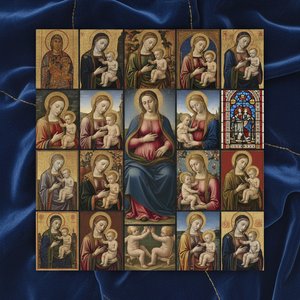
Divine Love: A Curated Guide to the Most Iconic Madonna and Child Masterpieces in Art History
Embark on a sophisticated journey through art history with our curated guide to the most iconic Madonna and Child masterpieces. Discover the profound beauty, theological depth, and enduring legacy of these sacred Renaissance treasures.