

 Vezi în context
 Trimite
 Distribuie
 Detalii
 Ghidul

 Descarcă
 Produse similare
 Radiografie
 Diaporama
 Statistici
Judith
 Acrilic pe pânză întinsă
- Artă de perete
- Venetian Renaissance
 1520
1520 82.0 x 65.0 cm
 Fondazione Querini Stampalia
 Citește mai mult
Reproducere pictată manual în ulei
Pictură în ulei pe pânză, realizată manual de artiștii noștri la dimensiunea și ramele dorite de dumneavoastră, pe comandă. ( Comută pe versiunea Print Treci la imagine digitală)




P118B lei10

P118H lei10

P118W lei10

P438Z lei10

P508JH lei12

P508YH lei12

P805H lei10

P805Z lei10

P919BZ lei10

P919G lei10

P919XJ lei10

P959ZH lei10

P968JZ lei12

W106C lei8

W218G lei10

W218JH lei8

W218Y lei10

W307PJ lei10

W316G lei10

W316PJ lei8

W316Y lei10

W398PJ lei8

W4111J lei10

W500HY lei15

W500JH lei15

W692G lei12

W849H lei8

W940BG lei15

W953PJ lei8




Alegeți dintre dimensiunile noastre prestabilite, care respectă proporțiile originale ale operei de artă.

Introduceți lățimea și înălțimea de care aveți nevoie, pentru a se potrivi ramei sau peretelui dumneavoastră. Această lucrare este pictată manual, așa că pentru o dimensiune cu o formă diferită, artistul poate picta puțin mai mult în jurul imaginii sau poate tăia puțin din margini — dumneavoastră decideți. Vă vom trimite o simulare digitală pentru aprobare înainte de a începe pictarea. Imaginea afișată pe această pagină nu reprezintă rezultatul real — doar simularea este reprezentativă.
După plasarea comenzii, echipa OriginalUniqueArt.com va contacta clientul prin e-mail pentru instrucțiuni și îi va furniza o previzualizare a machetei
Livrare în întreaga lume () în 3-4 săptămâni, în loc de cele 5 săptămâni standard. (22 Octombrie). Fără compromisuri în ceea ce privește calitatea.

Livrare expres gratuită la nivel mondial

Pânză de in premium

Asigurare completă pentru transport

Garanție de rambursare a taxelor vamale

Garanția fidelității culorilor

Politica de retur în 100 de zile (doar pentru defecte)

Garanție de rambursare 100%

Reducere pentru comenzi multiple
 Opțiunea cu sticlă este disponibilă doar pentru dimensiuni de sub 110 cm

Judith
Tip de reproducere
Dimensiune reproducere
-


Preț total
lei 1379
Judith: A Venetian Masterpiece Reflecting Mortality and Divine Justice
Vincenzo Catena’s “Judith,” painted circa 1520, stands as a testament to the enduring fascination with biblical narratives within the Venetian Renaissance. This striking depiction captures a pivotal moment from the Old Testament—Judith, armed with courage and cunning, decapitates Holofernes, Assyrian general besieging Jerusalem, securing Israel’s freedom after years of oppression.
- Subject Matter: The painting portrays Judith, portrayed as a noblewoman determined to defend her people. Alongside her is Abraam, Holofernes' severed head symbolizing conquest and defeat.
- Style & Influences: Catena’s artistic vision draws heavily from the stylistic traditions of Giovanni Bellini and Giorgione—particularly evident in the luminous color palette and subtle atmospheric perspective characteristic of Venetian painting during this period. However, unlike Bellini’s serene compositions, Catena introduces a palpable tension, foreshadowing the dramatic outcome of Judith's actions.
- Technique: Executed with oil paint on canvas, Catena employs meticulous brushwork to convey texture and depth. The artist skillfully renders the musculature of Abraam’s torso and Judith’s hand gripping the sword, demonstrating a mastery of anatomical detail—a hallmark of Venetian art training.
Symbolism & Narrative Depth
Beyond its visual splendor, “Judith” is laden with symbolic significance. Judith embodies feminine resilience and piety – qualities revered in Renaissance ideals. The severed head represents Holofernes’ downfall and serves as a potent reminder of mortality and divine retribution. The juxtaposition of Judith's unwavering gaze and Abraam’s grim visage underscores the moral victory over evil.
- Color Palette: Catena utilizes a restrained yet impactful color scheme dominated by reds—representing courage, passion, and sacrifice—contrasted with darker hues conveying solemnity and death.
- Composition: The pyramidal arrangement of figures contributes to the painting’s stability and grandeur, directing the viewer's eye towards Judith and Abraam’s central position.
Historical Context & Artistic Legacy
"Judith" emerged during a time of considerable artistic innovation in Venice—a period marked by experimentation with perspective and chiaroscuro (light and shadow). Catena’s work aligns seamlessly with the broader Renaissance preoccupation with humanist ideals and religious iconography. It exemplifies the Venetian tradition's ability to transform biblical tales into emotionally resonant visual experiences.
- Giorgione Connection: Catena collaborated closely with Giorgione, whose influence is discernible in “Judith’s” expressive handling of light and color—a crucial element in Venetian painting during the early 16th century.
- Influence on Titian: Catena's artistic explorations paved the way for subsequent masters like Titian, who would further refine Venetian techniques and expand upon its narrative scope.
A reproduction of “Judith” offers a captivating glimpse into the artistic spirit of the Venetian Renaissance—a timeless masterpiece that continues to inspire admiration for its dramatic portrayal of courage, faith, and justice.
Întrebări și răspunsuri
La ce etapă din cariera lui Vincenzo Catena corespunde data de 1520 a operei „Judith”?
"Judith", creat în 1520, aparține perioadei Mature Period din cariera lui Vincenzo Catena."
Cum este construită compoziția cromatică a operei "Judith" de Vincenzo Catena?
În "Judith", un Declarație contrast este împletuit cu o Paletă unitară armonie.
"Judith" de Vincenzo Catena este păstrat în țara de origine a artistului?
Nu - opera de artă este păstrată în străinătate. Țara natală a Vincenzo Catena este Italy, iar muzeul care păstrează originalul operei „Judith” se află în Italia.
Biografie artist
Vincenzo Catena: A Venetian Renaissance Painter
Life and Background
- Born in Venice, Italy around 1470, Vincenzo Catena was a painter of the Venetian Renaissance.
- Little is known about his early life or formal training. Records are scarce regarding his upbringing and initial artistic development.
- He was also sometimes referred to as Vincenzo de Biagio.
- Catena passed away in 1531, leaving behind a modest but significant body of work.
Artistic Development and Influences
- Initially, Catena’s style closely resembled that of Giovanni Bellini, a leading Venetian painter known for his serene Madonnas and refined technique.
- The earliest documented mention of Catena is an inscription on the back of La Laura by Giorgione, where he’s described as Giorgione's *colego* (colleague).
- However, it wasn’t until after Giorgione’s death in 1510 that his innovative influence began to manifest itself in Catena’s paintings.
- He also shows some influences from Titian, another prominent figure of the Venetian School, particularly in his use of color and composition.
Major Works and Style
- Approximately a dozen paintings are confidently attributed to Catena based on signatures.
- The Martyrdom of St. Christina (1520), located in the church of Santa Maria Mater Domini in Venice, is his most securely dated work thanks to an inscription on its marble surround.
- Other notable works include The Adoration of the Shepherds, and several depictions of the Madonna and Child with Saints and Donors.
- Catena’s paintings often feature religious scenes and portraits, characterized by a blend of Bellini's precision and Giorgione’s atmospheric qualities.
- His style is marked by detailed realism, warm color palettes, and rich symbolism, typical of Venetian Renaissance art.
Historical Significance and Legacy
- While not as widely celebrated as some of his contemporaries like Titian or Giorgione, Catena played a role in the development of Venetian painting during a crucial period.
- His work demonstrates the transition between the High Renaissance and the emerging Mannerist styles.
- Wills left by Catena reveal he was a man of considerable wealth and had connections within Venetian humanist circles, suggesting his artistic success extended beyond purely aesthetic recognition.
- Today, Vincenzo Catena’s paintings are valued for their historical importance and offer insights into the artistic landscape of 16th-century Venice.
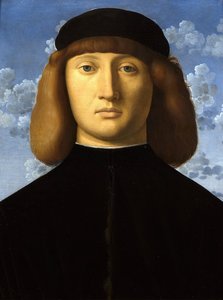
Vincenzo Catena
1470 - 1531 , Italy
Informații rapide
- Name: Vincenzo Catena
- Movement: Renaissance, Venetian School
- Birth Date: 1470
- Death Date: 1531
- Birth Place: Venice, Italy
- Nationality: Italian
- Date Of Birth: 1470
- Date Of Death: 1531
- Influenced By:
- Giovanni Bellini
- Giorgione
- Notable Works:
- Santa Cristina Altarpiece
- The Adoration of the Shepherds
- Madonna and Child with a Holy Female Martyr, Saint Francis of Assisi and the Donor
- Place Of Birth: Venice, Italy
Articole conexe

Venetian Renaissance: The Golden Age of Color, Light, and Luminous Artistry
Embark on a journey through the Venetian Renaissance. Discover how masters like Giorgione and Titian revolutionized art through luminous color and light. Explore the profound legacy of the Venetian School and its enduring influence on the world of fine art.

Venetian Renaissance: The Mastery of Color, Light, and the Art of Colorito
Explore the luminous mastery of the Venetian Renaissance. Discover how masters like Titian and Giorgione revolutionized art through colorito, light, and atmosphere. An expert guide to the golden age of Italian painting for collectors and enthusiasts.

Giorgione: Enigma and Innovation in Early Venetian Renaissance Painting
Explore the enigmatic world of Giorgione, a pivotal figure in the Venetian Renaissance. Discover his innovative techniques, iconic paintings like 'The Tempest', and lasting influence on art history. Learn more at OriginalUniqueArt.
Titian: Innovation, Technique & the Venetian Renaissance Portrait Tradition
Explore the revolutionary techniques & enduring legacy of Titian, the master of Venetian Renaissance portraiture. Discover insights for collectors & appreciate his impact on art history.

The Golden Light of Innovation: Exploring the Venetian Renaissance Art Movement (1430–1580)
Explore the Golden Age of Venetian art (1430–1580). Discover Giorgione, Titian & Tintoretto's techniques, the 'colorito' revolution, and lasting influence. Expert insights for collectors & enthusiasts.
