Vezi în context
 Trimite
 Distribuie
 Detalii
 Ghidul

 Descarcă
 Produse similare
 Radiografie
 Diaporama
 Statistici
Young Man with a Broom


 Citește mai mult
Giclée / Imprimare artistică
Printuri giclée sau pe canvas de calitate muzeală, cu proces de producție rapid și opțiuni flexibile de finisare. ( Comandă pictură realizată manual Treci la imagine digitală)




P118B lei10

P118H lei10

P118W lei10

P438Z lei10

P508JH lei12

P508YH lei12

P805H lei10

P805Z lei10

P919BZ lei10

P919G lei10

P919XJ lei10

P959ZH lei10

P968JZ lei12

W106C lei8

W218G lei10

W218JH lei8

W218Y lei10

W307PJ lei10

W316G lei10

W316PJ lei8

W316Y lei10

W398PJ lei8

W4111J lei10

W500HY lei15

W500JH lei15

W692G lei12

W849H lei8

W940BG lei15

W953PJ lei8




Alegeți dintre dimensiunile noastre prestabilite, care respectă proporțiile originale ale operei de artă.

Introduceți lățimea și înălțimea de care aveți nevoie, pentru a se potrivi ramei sau peretelui dumneavoastră. O printare poate fi doar tăiată, niciodată extinsă dincolo de dimensiunea imaginii originale, astfel încât o dimensiune cu o formă diferită va pierde o parte din imagine. Vă trimitem o simulare digitală pentru aprobare înainte de a imprima orice. Imaginea afișată pe această pagină nu prezintă tăierea reală — doar simularea arată acest lucru.
Livrare în întreaga lume () în 2 săptămâni, în loc de cele 4/5 săptămâni standard. (24 Octombrie)

Livrare expres gratuită la nivel mondial

Pânză de in premium

Asigurare completă pentru transport

Garanție de rambursare a taxelor vamale

Garanția fidelității culorilor

Politica de retur în 100 de zile (doar pentru defecte)

Garanție de rambursare 100%

Reducere pentru comenzi multiple
 Opțiunea cu sticlă este disponibilă doar pentru dimensiuni de sub 110 cm

Young Man with a Broom
Giclée / Imprimare artistică
Dimensiune reproducere
-


Preț total
lei 370
A Quiet Reflection: Examining Vincent van Gogh’s ‘Young Man with a Broom’
Vincent Willem van Gogh's “Young Man with a Broom,” completed in 1882, stands as a deceptively simple yet profoundly resonant depiction of rural life and artistic exploration. This unassuming sketch—a study in charcoal—offers a glimpse into the formative years of one of art history’s most celebrated figures, revealing Van Gogh’s burgeoning interest in capturing everyday scenes with unflinching honesty and emotional depth. Unlike his later canvases ablaze with vibrant color, “Young Man with a Broom” embodies a restrained palette of grey tones, meticulously rendered through hatching and cross-hatching techniques—a deliberate choice that underscores the artist's commitment to realism and psychological observation.Composition and Technique: Embracing Line Work
The composition centers on a solitary young man positioned against a backdrop of a wooden chair. Van Gogh’s masterful use of line work dominates the image, prioritizing form over shading—a characteristic stylistic decision that aligns with his early artistic endeavors. Thick, confident lines delineate the contours of the man's body and clothing, conveying solidity and presence despite the absence of tonal variation. Furthermore, hatching and crosshatching patterns skillfully build up texture, simulating the rough surface of charcoal on paper and lending an immediacy to the depiction. The subtle perspective—a slight elevation from which the scene is viewed—creates a sense of depth without resorting to dramatic shading, enhancing the overall atmosphere of quiet contemplation.Historical Context: Early Realism and Artistic Experimentation
Painted during Van Gogh’s time in Paris, “Young Man with a Broom” represents an important step in his artistic development. Following his initial foray into Impressionism—influenced by artists like Monet and Renoir—Van Gogh sought to refine his technique and explore more introspective subjects. This sketch reflects the broader trend of Realist art at the time, which aimed to portray life as it truly was, eschewing idealized representations for a focus on observable detail. However, “Young Man with a Broom” transcends mere documentation; it’s infused with Van Gogh's deeply felt empathy for the working class and his unwavering desire to convey emotion through visual language—a precursor to the expressive brushstrokes that would define his later masterpieces.Symbolism and Emotional Resonance: A Portrait of Diligence
Beyond its technical merits, “Young Man with a Broom” carries symbolic weight. The young man’s posture—slightly slumped, gaze downward—suggests weariness or perhaps melancholy, mirroring Van Gogh's own struggles with mental health during this period. He diligently sweeps the floor, representing labor and perseverance – themes that resonate throughout Van Gogh’s oeuvre. This seemingly mundane activity becomes a vehicle for conveying profound ideas about human dignity and resilience. The drawing invites viewers to consider not just what is seen but also what is felt—a testament to Van Gogh's ability to transform ordinary subjects into vehicles of emotional expression.Conclusion: An Echo of Genius
“Young Man with a Broom” remains an enduring symbol of Van Gogh’s artistic vision and his pioneering approach to depicting the human condition. It exemplifies his unwavering commitment to capturing authentic emotion through line work, reflecting the formative influence of Realism alongside the burgeoning exploration of psychological depth. As a reproduction, this artwork offers a tangible connection to one of art history's most poignant portraits—a quiet reminder of Van Gogh’s enduring legacy as an artist who dared to see beauty in the commonplace and transform it into timeless expression.Întrebări și răspunsuri
Despre ce este "Young Man with a Broom" și ce atmosferă transmite?
"Young Man with a Broom" de Vincent Van Gogh combină dutch art, rural life, sketch drawing, daily routine, working class, line work, monochromatic palette cu o atmosferă Calm.
În ce direcție cromatică tinde "Young Man with a Broom"?
Culoarea dominantă a operei "Young Man with a Broom" de Vincent Van Gogh este Green to Violet Spectrum. Această nuanță reprezintă tonul de bază al paletei cromatice.
Ce culori domină în "Young Man with a Broom" de Vincent Van Gogh?
„Young Man with a Broom” este definit de o paletă Neutrals, condusă de culoarea Espresso (#35342f).
Biografie artist
O via pictată cu pasiune: Vincent van Gogh
Vincent Willem van Gogh, un nume sinonim cu culoarea vibrantă și emoția pură, rămâne una dintre cele mai recognoscibile și iubite figuri din istoria artei. Născut pe 30 martie 1853, în Zundert, Olanda, călătoria sa de la un tânăr tulburat în căutarea unui scop, la un vizionar artistic, este o poveste emoționantă despre dedicare, luptă și, în cele din urmă, o moștenire nemuritoare. Deși a cunoscut un succes comercial redus în timpul vieții sale – vânzând o singură pictură, The Red Vineyard, înainte de moarte – impactul lui Van Gogh asupra artei moderne este imens, deschizând calea Expresionismului și influențânduro numeroși artiști care au urmat. Povestea sa nu este doar despre pensule și pânze; este o mărturie a puterii expresiei umane în fața adversității.
Anii de început și trezirea artistică
Primii ani ai lui Van Gogh au fost marcați de o serie de aspirații neîmplinite. A încercat diverse profesii – negustor de artă, profesor și chiar misionar – înainte de a se dedica picturii la vârsta relativ tardivă de 27 de ani. Aceste experiențe timpurii i-au modelat profund viziunea asupra lumii și s-au regăsit în arta sa. Primele sale lucrări, care încadrau scene din viața țărănească din zona rurală a Belgiei, reflectă o empatie profundă pentru clasa muncitoare și o paletă sobră ce oglindește greutățile acestora. Influențat de artiști precum Jean-François Millet, Van Gogh a căutat să surprindă demnitatea și reziliența acestor oameni prin realismul crud. Totuși, mutarea sa la Paris în 1886 a fost transformatoare. Acolo, a descoperit Impresionismul și Post-Impresionismul, absorbind tehnicile unor maeștri precum Monet, Renoir și Pissarro. Această expunere i-a lărgit orizonturile artistice, conducingându-l să experimenteze cu culori mai vii și o aplicare a vopselei mai liberă, păstrând totodată o intensitate emoțională distinctă, absentă la mulți dintre contemporanii săi. Fratele său Theo, un negustor de artă, a jucat un rol crucial în această perioadă, oferind sprijin financiar și servind drept legătură vitală cu lumea artistică pariziană. Corespondența lor vastă oferă perspective inestimabile asupra dezvoltării artistice și a luptelor personale ale lui Van Gogh.
Lumina sudului și creativitatea explozivă
Căutând un peisaj mai vibrant și un sentiment de regenerare, Van Gogh s-a mutat la Arles, în sudul Franței, în 1888. Această mutare a marcat o perioadă de productivitate creativă intensă, caracterizată printr-o explozie de culoare și tehnica distinctivă impasto – aplicarea stratului gros de vopsea pe pânză, creând o suprafață texturată care pare să pulseze de energie. Tocmai aici a realizat unele dintre cele mai iconice opere ale sale: Sunflowers, The Night Cafe și Starry Night. Lumina intensă a Provenței părea să îi aprindă imaginația, conducingându-l să depindă pe peisaje și naturi moarte cu o vitalitate fără precedent. Dorința sa de colaborare artistică l-a împins să îl invite pe Paul Gauguin să i se alăture în Arles, sperând să stabilească o colonie utopică de artiști. Cu toate acestea, relația lor s-a dovedit a fi instabilă, culminând cu o confruntare dramatică care a dus la mutilarea propriei urechi. Acest eveniment a subliniat fragilitatea stării sale mentale și a marcat începutul unei perioade de internare și de creștere a suferinului psihologic.
Anii de final și moștenirea eternă
În urma colapsului său, Van Gogh s-a internat voluntar într-un azil la Saint-Rémy, unde a continuat să picteze în abundență, surprinzând peisajele din jur cu frumusețe și tulburare deopotrivă. Lucrări precum The Starry Night, pictată în acest timp, sunt îmbibate cu un sentiment de uimire cosmică și o profunzime emoțională intensă. Ulterior s-a mutat la Auvers-sur-Oise sub îngrijirea doctorului Paul Gachet, însă luptele sale au persistat. Pe 29 iulie 1890, la vârsta de 37 de ani, Van Gogh a murit tragic dintr-o rană cauzată de o împușcare autoinfligată. Deși a obținut puțină recunoaștere în timpul vieții sale, opera sa a început să câștige aclamație postumă datorită eforturilor neobosite ale nurorii sale, Johanna van Gogh-Bonger, care a moștenit bunurile sale și s-a dedicat promovării artei sale. Astăzi, picturile lui Van Gogh sunt celebrate în întreaga lume pentru intensitatea lor emoțională, tehnicile inovatoare și frumusețea nemuritoare. Moștenirea sa se extinde mult dincolo de pânză; el a devenit un simbol al pasiunii artistice, al perseverenței în fața adversității și al puterii artei de a exprima cele mai profunde emoții umane.
Influențe cheie și dezvoltare artistică
- Realismul timpuriu: Reprezentările vieții țărănești ale lui Jean-François Millet au influențat primele lucrări ale lui Van Gogh.
- Impresionismul și Post-Impresionismul: Expunerea la Monet, Renoir, Pissarro și alții în Paris i-a lărgit paleta și tehnica.
- Gravurile japoneze: Van Gogh a fost profund influențat de gravurile pe lemn japoneze, pe care le colecționa cu ardoare. Compozițiile lor îndrăznețe și planurile plate de culoare i-au impactat propriul stil.
- Expresia emoțională: Mai presus de orice, Van Gogh a căutat să transmită emoție prin arta sa, prioritizând experiența subiectivă în detrimentul reprezentării obiective. Această concentrare pe intensitatea emoțională a devenit o caracteristică definitorie a lucrărilor sale și a deschis calea către Expresionism.
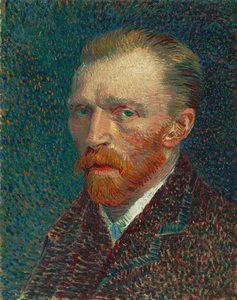
Vincent Van Gogh
1853 - 1890 , Olanda
Informații rapide
- Artistic Movement Or Style: Post-Impresionism
- Artists Or Movements Influenced By This Artist:
- Expresionism
- Fauvism
- Artists Who Influenced This Artist:
- Rembrandt
- Millet
- Date Of Birth: 30 martie 1853
- Date Of Death: 29 iulie 1890
- Full Name: Vincent Willem van Gogh
- Nationality: Olandez
- Notable Artworks:
- Mâncători de cartofi
- Lalele
- Noaptea la Arles
- Steaua nopții
- Place Of Birth: Zundert, Olanda
Articole conexe

Decoding Impasto: The Emotional Power of Van Gogh's Textured Brushstrokes
Explore the visceral beauty of Van Gogh's impasto technique. Discover how his thick, textured brushstrokes transform canvas into an emotional landscape, and learn how to bring this tactile masterpiece into your home with premium, hand-painted reproductions.

Impressionistic Realism's Finest: 10 Masterpieces for Your Home | OriginalUniqueArt
Journey through Impressionistic Realism with 10 iconic masterpieces by Monet, Renoir & Van Gogh. Explore art history, techniques & find museum-quality reproductions for your home at OriginalUniqueArt.com. Discover all masterpieces online!

Rembrandt van Rijn: Cele Mai Frumoase 25 de Capodopere – Artă, Istorie și Decorațiuni Interioare
Descoperă cele mai frumoase 25 de picturi ale lui Rembrandt van Rijn! Explorează capodopere baroce, portrete emoționante și peisaje iconice. Reproduceri de artă de calitate muzeală pentru un design interior rafinat. Descoperă toate operele pe OriginalUniqueArt.com!
Decoding Van Gogh's Turmoil: OriginalUniqueArt’s Masterful Reproductions of Emotional Depth
Discover exquisite Van Gogh reproductions from OriginalUniqueArt – expert art specialists offering museum-quality prints & custom paintings. Trust our authentic process and elevate your collection today.

Top 10 Capodopere Post-Impresioniste care au Definit Arta Modernă | OriginalUniqueArt.ro
Descoperă Top 10 capodopere post-impresioniste de la Van Gogh, Monet, Cézanne și alții! Explorează istoria artei moderne, tehnicile unice și culorile vibrante. Reproduceri tablouri de calitate muzeală pe OriginalUniqueArt.com