Vezi în context
 Trimite
 Distribuie
 Detalii
 Ghidul

 Descarcă
 Produse similare
 Radiografie
 Diaporama
 Statistici
Two Men on a Road with Pine Trees


 Citește mai mult
Giclée / Imprimare artistică
Printuri giclée sau pe canvas de calitate muzeală, cu proces de producție rapid și opțiuni flexibile de finisare. ( Comandă pictură realizată manual Treci la imagine digitală)




P118B $10

P118H $10

P118W $10

P438Z $10

P508JH $12

P508YH $12

P805H $10

P805Z $10

P919BZ $10

P919G $10

P919XJ $10

P959ZH $10

P968JZ $12

W106C $8

W218G $10

W218JH $8

W218Y $10

W307PJ $10

W316G $10

W316PJ $8

W316Y $10

W398PJ $8

W4111J $10

W500HY $15

W500JH $15

W692G $12

W849H $8

W940BG $15

W953PJ $8




Alegeți dintre dimensiunile noastre prestabilite, care respectă proporțiile originale ale operei de artă.

Puteți introduce propriile dimensiuni pentru a se potrivi unui anumit cadru sau spațiu. Dacă dimensiunea selectată nu corespunde proporțiilor imaginii originale, vom decupa lucrarea de artă sau vom extinde imaginea cu margini oglindite sau cu o culoare uniformă. Un mockup digital va fi trimis pentru aprobarea dumneavoastră înainte de începerea producției.
Vă rugăm să rețineți că previzualizarea de pe ecran nu reflectă decuparea sau extinderea reală. Doar mockup-ul va arăta cu exactitate compoziția finală.
Deși dimensiunile personalizate sunt disponibile, vă recomandăm să selectați o dimensiune din lista predefinită pentru a păstra proporțiile originale.
Livrare în întreaga lume () în 2 săptămâni, în loc de cele 4/5 săptămâni standard. (25 Septembrie)

Livrare expres gratuită la nivel mondial

Pânză de in premium

Asigurare completă pentru transport

Garanție de rambursare a taxelor vamale

Garanția fidelității culorilor

Politica de retur în 100 de zile (doar pentru defecte)

Garanție de rambursare 100%

Reducere pentru comenzi multiple
 Opțiunea cu sticlă este disponibilă doar pentru dimensiuni de sub 110 cm

Two Men on a Road with Pine Trees
Giclée / Imprimare artistică
Dimensiune reproducere
-


Preț total
$ 80
Two Men on a Road with Pine Trees – A Study in Tranquility
Vincent van Gogh’s “Two Men on a Road with Pine Trees,” painted in 1890 during his stay at Saint Rémy, embodies the artist's signature Post-Impressionist style—a deliberate departure from the optical realism favored by Impressionists. More than just a depiction of landscape, it’s an exploration of mood and emotion, reflecting Van Gogh’s profound connection to nature and his yearning for solace amidst mental turmoil. The painting captures a moment of quiet contemplation as two figures stroll along a winding road bordered by towering pine trees against a hazy sky. This scene wasn't merely observed; it was painstakingly rendered with expressive brushstrokes that convey a palpable sense of serenity and camaraderie—a stark contrast to the inner struggles plaguing Van Gogh at the time.The artist’s technique is characterized by thick impasto, applying paint directly onto the canvas in bold, textured strokes. This method isn't about capturing precise visual details but rather conveying feeling; the swirling brushwork mimics the movement of wind through the pine needles and imbues the entire composition with dynamism. Color plays a crucial role in establishing the painting’s atmosphere. Dominant hues of olive green and pale blue dominate the landscape, creating a harmonious blend that evokes feelings of peace and tranquility. The distant pines are rendered in shades of grey-green, adding depth to the scene and reinforcing its impressionistic character.
- Style: Post-Impressionism
- Medium: Chalk
- Location: Van Gogh Museum, Amsterdam
Beyond its aesthetic qualities, “Two Men on a Road with Pine Trees” holds symbolic significance. Pine trees are traditionally associated with resilience and immortality—symbols of endurance against adversity—a theme that resonates deeply within the context of Van Gogh’s personal struggles. The figures themselves represent human connection and companionship, offering a glimpse into the artist's desire for stability amidst his turbulent mental state. It speaks to an idealized vision of rural life, untouched by the anxieties of urban existence.
The painting’s influence extends far beyond its immediate visual impact. Its expressive brushwork paved the way for movements like Expressionism, demonstrating how art could convey emotion rather than simply representing reality. Today, reproductions of “Two Men on a Road with Pine Trees” continue to inspire artists and collectors alike, serving as a testament to Van Gogh’s enduring legacy as one of history's most emotionally resonant painters.
Connections to Other Works by Vincent van Gogh
“Two Men on a Road with Pine Trees” shares stylistic similarities with other paintings created during Van Gogh’s Saint Rémy period, notably “Snow-Covered Cottages,” which also explores the beauty of rural landscapes and utilizes similar expressive brushstrokes. These works underscore Van Gogh's fascination with capturing the essence of nature—a preoccupation that informed his artistic vision throughout his career.
Notable Artists Influenced by Vincent van Gogh
Vincent van Gogh’s groundbreaking approach to painting profoundly impacted subsequent generations of artists. His influence can be seen in the works of Japanese painter Fujishima Takeji, who embraced Western techniques and incorporated bold colors into his landscapes—a stylistic choice that reflects Van Gogh's pioneering spirit.
Exploring Vincent van Gogh’s Artistic Vision
To delve deeper into Van Gogh’s artistic philosophy, visit the Van Gogh Museum in Amsterdam. The museum houses an extensive collection of his paintings and drawings, offering invaluable insights into his creative process and stylistic evolution. Examining these masterpieces alongside biographical accounts illuminates the artist's profound engagement with themes of solitude, emotion, and the transformative power of art.
Resources for Further Study
For more information on Vincent van Gogh and “Two Men on a Road with Pine Trees,” explore online resources such as WikiArt (WikiArt) and OriginalUniqueArt.com (OriginalUniqueArt.com).
Biografie artist
A Life Painted in Emotion: The World of Vincent van Gogh
Vincent Willem van Gogh, a name synonymous with artistic passion and turbulent genius, remains one of the most recognizable and beloved figures in Western art history. Born on March 30, 1853, in Groot-Zundert, Netherlands, his journey was not one of immediate acclaim but rather a slow burn of dedication, struggle, and ultimately, profound influence. The eldest of six children born to a Protestant minister, Theodorus van Gogh, Vincent’s early life was steeped in religious contemplation, a sensibility that would subtly permeate much of his later work. Though he displayed an inclination towards drawing from a young age, his path wasn't immediately clear; he explored various vocations – art dealer, teacher, and missionary – before fully embracing the artist’s life. These experiences, though seemingly disparate, proved formative, instilling in him a deep empathy for the working class and a profound sense of spiritual seeking that would become hallmarks of his artistic vision. Early influences included the Dutch Masters like Rembrandt van Rijn and Frans Hals, whose masterful use of light and shadow resonated with young Vincent, as well as contemporary French painters Jean-François Millet and Camille Corot, who depicted scenes of rural life with a poignant realism.From Darkness to Light: Artistic Development and Style
Van Gogh’s serious engagement with painting began around 1880, largely self-taught, driven by an inner compulsion to express the world as he perceived it. His initial works reflected his compassion for the marginalized, focusing on the lives of peasants and laborers – exemplified in pieces like The Potato Eaters. These early paintings are characterized by dark, earthy tones and a raw, almost brutal honesty that sought to capture the hardship and dignity of rural existence. The figures aren’t idealized; they're depicted with unflinching realism, their faces etched with toil and weariness. A pivotal moment arrived with his move to Paris in 1886, where he was exposed to the vibrant world of Impressionism and Post-Impressionism. This encounter proved transformative, injecting brighter colors into his palette and encouraging experimentation with new techniques. He absorbed the lessons of artists like Monet, Renoir, and Pissarro, but never fully adopted their style; instead, he forged a path uniquely his own. His distinctive style rapidly evolved, becoming instantly recognizable for its bold colors, expressive brushwork, and emotional intensity. Van Gogh didn’t merely *represent* reality; he sought to convey the feeling of being within it, utilizing impasto – thick layers of paint – to create texture and imbue his canvases with a palpable energy. This technique wasn't simply aesthetic; it was an integral part of his expressive language, allowing him to translate inner turmoil and ecstatic joy onto the canvas.Periods of Intensity: Key Works and Artistic Phases
Van Gogh’s artistic journey can be broadly divided into distinct periods, each marked by unique characteristics and significant works. The Dutch Period (1880-1886), as mentioned, was defined by somber tones and depictions of peasant life. These early paintings, like *The Potato Eaters*, are imbued with a sense of quiet dignity and social commentary. The subsequent Parisian Period (1886-1888) saw a dramatic shift towards brighter colors and experimentation with Impressionist techniques. He began to incorporate the broken brushstrokes and fleeting effects of light that were characteristic of the movement, but he retained his own distinctive style. However, it was during the Arles Period (1888-1889), in the south of France, that Van Gogh reached a peak of creative intensity. Surrounded by the radiant light and vibrant landscapes of Provence, he produced some of his most iconic works: Sunflowers, *The Night Café*, and *Starry Night Over the Rhône*. These paintings are not merely depictions of scenes; they are emotional landscapes, pulsating with life and imbued with a sense of longing. The swirling brushstrokes in *Starry Night* seem to capture the very essence of the night sky—its mystery, its power, and its overwhelming beauty. His final years, spent in Saint-Rémy and Auvers-sur-Oise (1889-1890), were marked by continued artistic output despite increasing mental distress. Confined to an asylum at Saint-Rémy following a breakdown, he found solace in painting the surrounding countryside, resulting in masterpieces like The Starry Night, a swirling vortex of color and emotion that continues to captivate viewers today. Even during this period of profound suffering, his portraits – particularly those of Dr. Gachet – reveal an extraordinary sensitivity and psychological depth.A Legacy Forged in Suffering: Achievements and Historical Significance
Despite facing rejection and struggling with mental illness throughout his life, Van Gogh created over 2,100 artworks in just over a decade—approximately 860 oil paintings. This astonishing output is testament to his unwavering dedication and relentless creative drive. Remarkably, during his lifetime, only one painting – *The Red Vineyard* – was sold. Recognition came posthumously, slowly at first, then with increasing momentum in the early 20th century. His work profoundly influenced the development of modern art, particularly Expressionism and Fauvism, inspiring artists to prioritize emotional expression over realistic representation. His bold use of color, distorted forms, and expressive brushwork paved the way for new artistic possibilities. Today, Van Gogh’s paintings are among the most recognizable and valuable artworks in the world, commanding record prices at auction and drawing millions of visitors to museums worldwide. But his legacy extends far beyond monetary value; he remains a cultural icon, representing the archetype of the “tortured artist” – though this narrative often overshadows his skill, dedication, and artistic vision. The Van Gogh Museum in Amsterdam stands as a testament to his enduring influence, showcasing his work and celebrating his life for generations to come. His art continues to resonate with audiences because it speaks to universal human experiences—love, loss, hope, despair—with an honesty and vulnerability that transcends time and culture.- Major Influences: Dutch Masters (Rembrandt, Hals), Millet, Corot.
- Key Periods: Dutch, Parisian, Arles, Saint-Rémy/Auvers-sur-Oise.
- Notable Works: The Potato Eaters, Sunflowers, Starry Night, The Night Café.
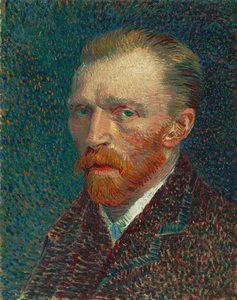
vincent willem van gogh
1853 - 1890 , Olanda
Informații rapide
- Artistic Movement Or Style: Post-Impresionism
- Artists Or Movements Influenced By This Artist:
- Expresionism
- Fauvism
- Artists Who Influenced This Artist:
- Rembrandt
- Millet
- Date Of Birth: 30 martie 1853
- Date Of Death: 29 iulie 1890
- Full Name: Vincent Willem van Gogh
- Nationality: Olandez
- Notable Artworks:
- Mâncători de cartofi
- Lalele
- Noaptea la Arles
- Steaua nopții
- Place Of Birth: Zundert, Olanda
Articole conexe
Beyond the Light: Discovering the Soul and Emotional Depth of Post-Impressionism
Embark on a cultural journey through Post-Impressionism. Discover the profound emotional depth of masters like Van Gogh and Cézanne, exploring how they moved beyond light to capture the very soul of human experience through vibrant color and symbolic form.

Beyond Impressionism: Exploring the Emotional Depth of Post-Impressionist Painting
Explore the profound emotional depth & innovative techniques of Post-Impressionism with OriginalUniqueArt. Discover Cézanne, Van Gogh, Gauguin & more – and their lasting impact on modern art.

Top 10 Capodopere Post-Impresioniste care au Definit Arta Modernă | OriginalUniqueArt.ro
Descoperă Top 10 capodopere post-impresioniste de la Van Gogh, Monet, Cézanne și alții! Explorează istoria artei moderne, tehnicile unice și culorile vibrante. Reproduceri tablouri de calitate muzeală pe OriginalUniqueArt.com

Beyond the Brush: A Visual Journey Through the Emotional Brilliance of Post-Impressionism
Embark on a visual journey through Post-Impressionism. Discover the emotional depth of Van Gogh and Cézanne, explore the tactile beauty of impasto, and learn how to bring these vibrant, soulful masterpieces into your home with expert art curation and custom hand-painted reproductions.
Decoding Van Gogh's Turmoil: OriginalUniqueArt’s Masterful Reproductions of Emotional Depth
Discover exquisite Van Gogh reproductions from OriginalUniqueArt – expert art specialists offering museum-quality prints & custom paintings. Trust our authentic process and elevate your collection today.