Comută pe versiunea Print
 Vezi mai mult







































 Pentru opere de artă sau reproduceri care depășesc 105 cm (aproximativ 41 de inch) pe oricare dintre laturi, cadrul va fi livrat demontat, sub formă de kit. Această metodă asigură o livrare sigură și previne deteriorarea în timpul transportului.


A Symphony of Turmoil and Light: Exploring Van Gogh’s Olive Orchard
Vincent Willem van Gogh's ‘Olive Orchard,’ painted in 1889 during his voluntary confinement at Saint-Rémy asylum, transcends mere landscape depiction; it embodies a profound exploration of inner emotion projected onto the natural world. This artwork isn’t simply observing olives beneath azure skies—it’s wrestling with anxieties and channeling resilience into vibrant color and texture, cementing Van Gogh's place as one of art history’s most emotionally resonant figures.Subject & Composition: The Provençal Landscape as Emotional Terrain
The painting captures the essence of Provence – specifically, a grove of olive trees bathed in the radiant Mediterranean sunlight. However, Van Gogh deliberately eschews serene pastoral beauty. Instead, he meticulously renders the orchard's dynamism—the twisting trunks of the trees mirroring turbulent skies, the undulating ground mimicking restless movement. The composition is layered, guiding the viewer’s gaze from foreground poppies to distant hazy blue, creating a palpable sense of depth despite a flattened perspective characteristic of his distinctive style. This isn’t merely an aesthetic observation; it's a deliberate act of projection—a visual embodiment of Van Gogh’s psychological state.Style & Technique: Post-Impressionism at its Most Expressive
‘Olive Orchard’ exemplifies the core tenets of Post-Impressionism, primarily through its revolutionary technique. The artist employs thick impasto – applying paint in bold, visible strokes—creating a tactile surface that pulsates with energy and emotion. This method isn't merely decorative; it actively conveys movement and turbulence, mirroring Van Gogh’s internal struggles. Furthermore, he intensifies colors beyond naturalistic representation, prioritizing emotional resonance over photographic accuracy. Swirling lines dominate the canvas, punctuated by vibrant hues of yellow poppies and azure sky—a deliberate choice designed to heighten visual impact and evoke feelings of passion and unrest.Historical Context: A Refuge in Provence
Van Gogh’s decision to relocate to Saint-Rémy followed a series of debilitating mental breakdowns, marking a pivotal moment in his artistic journey. The olive trees became recurring motifs during this period—a symbol of perseverance amidst adversity—reflecting Van Gogh's preoccupation with themes of life and death. As documented in his correspondence with Theo van Gogh, he meticulously studied the changing colors of the olives, attempting to distill their essence into visual form. This experience profoundly shaped his artistic vision, informing his subsequent paintings and solidifying his reputation as an artist deeply attuned to both inner turmoil and the transformative power of nature.Symbolism & Emotional Impact: Beyond the Surface
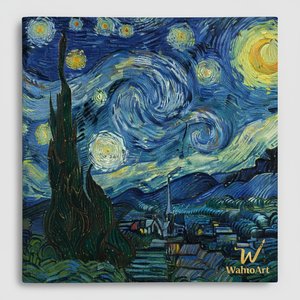
The painting’s expressive brushstrokes aren't merely stylistic flourishes; they represent Van Gogh’s psychological landscape—a visual manifestation of his anxieties and passions. The olive trees themselves symbolize resilience, hope, and spiritual renewal—enduring through hardship while bearing fruit despite challenges. Considered alongside ‘Starry Night,’ this piece exemplifies Van Gogh’s masterful ability to translate emotion into visual form, inviting contemplation and sparking dialogue about the human condition. Its enduring appeal lies in its capacity to evoke feelings of both tranquility and unrest—beauty intertwined with sorrow—a testament to Van Gogh's unparalleled artistic legacy.- For Collectors: ‘Olive Orchard’ commands considerable prestige within Post-Impressionist circles, guaranteeing lasting value and admiration.
- Interior Design Inspiration: The painting’s color palette – dominated by blues, greens, and yellows – lends itself beautifully to creating serene yet stimulating spaces.
- Emotional Resonance: This artwork transcends mere visual representation; it communicates profound feelings of vulnerability and strength—a timeless reflection of the human spirit.
Întrebări și răspunsuri
Ce emoție transmite opera de Post-Impressionism „Olivon”?
Emoția Melancolic din "Olivon" însoțește stilul său Post-Impressionism.
Ce utilizare și ce spațiu sunt recomandate pentru "Olivon" de Vincent Van Gogh?
„Olivon” este recomandat pentru Piesa centrală de impact, iar spațiul ideal de expunere este o Living Room.
Care sunt tehnica și data creației pentru "Olivon" de Vincent Van Gogh?
Tehnica utilizată pentru "Olivon" de Vincent Van Gogh este Ulei pe pânză, iar lucrarea datează din 1889.
Mai multe detalii despre această pictură
 Previzualizare
 Trimite prin felicitare
 Distribuie
 Detalii despre lucrare
 Ghid
Ghid

 Descarcă imaginea
 Produse similare
 Radiografie
 Galerie foto
 Întrebări și răspunsuri
 Statistici