Viața lui Vincent Willem Van Gogh
Vincent Willem Van Gogh s-a născut pe 30 martie 1853, în Zundert, Olanda. El a fost cel mai mare dintre cei șase copii născuți de Theodorus și Anna Carbentus. Sosirea sa a urmat după un frate născut mort, tot pe nume Vincent, care venise pe lume cu exact un an înainte. Familia locuia în regiunea Brabant, unde peisajul și ritmurile liniștite ale vieții rurale au lăsat o amprentă profundă asupra primilor săi ani. Fratele său, Theo, s-a născut pe 1 mai 1857, iar legătura dintre ei avea să rămână o constantă prin numeroasele scrisori pe care și le-au schimbat de-a lungul anilor.
Viața sa a fost marcată de o căutare continuă a unui loc în care să aparțină. A trecut prin diverse roluri, de la munca în galeriile de artă până la misiunea de misionar, înainte de a se îndrepta, în cele din urmă, către pânză. Acest drum nu a fost ușor. S-a confruntat cu perioade de izolare profundă și cu lupte mentale care i-au umbrit creația. În cele din urmă, a călătorit prin lumina sudului Franței și prin liniștea de la Saint-Rémy, înainte ca viața sa să se încheie la Auvers-sur-Oise, Franța. A murit pe 29 iulie 1890, la vârsta de 37 de ani, în urma unei răni prin împușcare auto-inflinjată la piept.
Primii Ani, Familia și Formarea
În liniștea satului Zundert, din regiunea Brabant, a început povestea lui Vincent Willem Van Gogh. Fiul al doilea al lui Theodorus van Gogh, un păstor protestant, și al lui Anna Carbentus, viața sa familială a fost modelată de ritmurile constante ale satului și de plimbările frecvente prin peisajurile rurale din împrejurimi. La vârsta de elf, a fost trimis la un internat în Zevenbergen, o experiență pe care a trăit-o cu dificultate și tristețe. La treisprezece ani, s-a mutat la Tilburg pentru a urma școala secundară, însă a părăsit instituția la jumătatea celui de-al doilea an școlar, din motive care rămân până astăzi necunoscute.
Calea sa profesională a început datorită conexiunilor unchiului său. La șaisprezece ani, a început ca stagiar la sucursala Goupil & Cie din Haga, un rol care l-a pus în contact constant cu operele altor artiști. În 1873, s-a mutat la sucursala din Londra a firmei Goupil & Cie, unde a rămas până în mai 1875. Activitatea sa l-a purtat tot mai adânc în inima comerțului cu artă, când s-a mutat la sucursala din Paris a aceleiași firme, în mai 1875, rămânând în Paris până în aprilie 1876. În acei ani, a menținut o corespondență tot mai intensă cu fratele său mai mic, Theo, care lucra, la rândul său, în cadrul rețelei Goupil & Cie.
Căutarea unui scop
Înainte de pensule și de uleiurile groase, a existat o lungă perioadă de încercări de a-și găsi locul în lume. Vincent Van Gogh a trăit mai multe vieți, testând diverse roluri pentru a vedea care dintre ele i-ar fi oferit împlinirea. A petrecut timp ca negustor de artă, activând în cadrul comerțului, iar mai târziu și-a încercat norocul în predare. Acești ani au fost marcați de o mișcare neliniștită de la o vocație la alta, căutând un sens al direcției care părea să rămână mereu neatins.
În Anglia, a lucrat ca profesor de limbi străine și ca predicator laici. Această perioadă de căutare spirituală l-a condus în regiunea Borinage, din Belgia, în timpul iernii 1879–80. Acolo, a trăit printre oameni în calitate de evangelist, încercând să servească o comunitate prin credința sa. A dus o viață de singurătate și luptă în acei ani, confruntându-se adesea cu greutatea propriilor convingeri și cu dificultățile mediului în care se afla.
Abia la vârsta de 27 de ani și-a îndreptat în sfârșit întreaga atenție către pictură. Această decizie a venit după ani de căutări prin alte profesii, inclusiv perioada sa de misionar. A început să prindă instrumentele meseriei sale cu un debut tardiv, îndepărtându-se de rolurile de profesor și predicator pentru a se mulțumi, în cele din urmă, cu viața de artist.
Perioada pariziană și trezirea artistică
În anul 1886, mutarea la Paris a transformat radical modul în care vedea lumina și culoarea. Orașul l-a introdus în contact direct cu mișcările Impresionismului și Post-Impresionismului, îndepărtându-l de tonurile întunecate și grele ale primilor ani de creație. A petrecut timp absorbind tehnicile unor maeștri precum Monet, Renoir și Pissarro, iar paleta sa de culori a început să lumineze. Culorile sombre și terestre ale perioadei petrecute în Țările de Jos au cedat loc unei noi viziuni asupra lumii, filtrată prin lumină și prin gestul liber al pensulei.
Vincent Van Gogh a explorat cercul de influență al avangardei, întâlindu-se cu figuri precum Émile Bernard și Paul Gauguin. Aceste întâlniri nu au fost simple evenimente sociale, ci au făcut parte dintr-un schimb constant de idei despre modul în care lumea poate fi reprezentată pe o suprafață plană. A studiat contururile îndrăznețe și planele de culoare aplatizate pe care le găsea în printurile japoneze, pe care le colecționa împreună cu fratele său Theo. Această perioadă a fost un moment de schimbare tehnică rapidă, în care brushwork-ul său a devenit mai fluid, iar culorile, mult mai directe și pline de viață.
Explozia Creativă din Arles
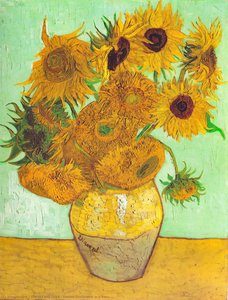
Mutarea în Arles în anul 1888 a adus o transformare profundă a luminii. Soarele din sudul Franței părea să aprindă paleta cromatică, declanșând o perioadă de productivitate intensă. Vincent Van Gogh aplica vopseaua cu o densitate remarcabilă, utilizând tehnica impasto care crea o suprafață texturată, oferind pânzei o dimensiune aproape sculpturală. Aceasta a fost epoca floarelor de soare, perioada în care a lucrat la numeroase versiuni ale acestor flori în vază, precum și studiile sale despre cafeneaua de noapte. Culorile au devenit mult mai saturate, îndepărtându-se de tonurile sombre care îi caracterizaseră primii ani de creație.
În căutarea unui spațiu comun pentru artiști, el l-a invitat pe Paul Gauguin să i se alăture în Arles. Speranța sa era de a înființa o colonie utopică, un loc unde pictorii ar putea trăi și crea împreună. Totuși, această perioadă de colaborare a fost marcată de o tensiune crescândă. O confruntare dramatică între cei doi bărbați a dus, în cele din urmă, la gestul tulburător prin care Vincent Van Gogh s-a mutilat propriul ureche. Acest eveniment a marcat o schimbare radicală în starea sa mentală și a dus la o perioadă de internare în instituții de psihiatrie.
Anii de la sfârșit în Saint-Rémy și Auvers
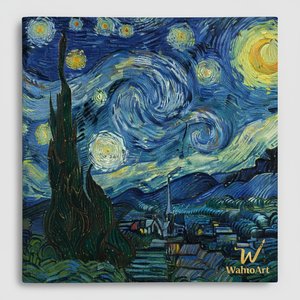
După perioada petrecută în Arles, Vincent Van Gogh a intrat într-un azil din Saint-Rémy. În această etapă a vieții sale, și-a îndreptat atenția către peisajele din jur, capturând mișcarea cerului și a pământului în lucrări precum Starry Night. Punctele de lumină și pensulă de aici poartă o energie ritmică, vârtejuită, care reflectă mediul observat de la fereastra sa. El a continuat să picteze cu o prolificitate uluitoare, găsind o cale de a traduce tensiunea din mediul său înconjurător direct pe pânză.
În cele din urmă, s-a mutat la Auvers-sur-Oise, rămânând sub îngrijirea Dr. Paul Gachet. Această perioadă a fost marcată de un efort continuu de a surprinde lumina și câmpurile pitorești ale mediului rural francez. Totuși, luptele sale interioare au rămas constante. Pe 29 iulie 1890, la vârsta de 37 de ani, a murit în Auvers-sur-Oise, Franța, în urma unei răni prin împușcare provocată de el însuși la nivelul pieptului.
Tehnică și Stil Artistic
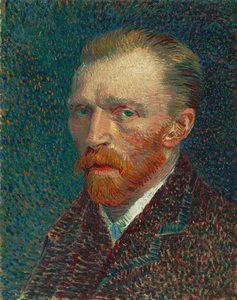
Pictura de pe pânză se prezintă adesea sub formă de creste groase și dense. Această tehnică a impasto înseamnă că urmele pensulei nu sunt doar simple semne de culoare, ci straturi fizice care captează lumina. El aplica vopseaua de ulei cu un sentiment de urgență, creând o suprafață texturată care emană o neliniște profundă. Aceste urme sunt adesea impulsive și dramatice, urmând mișcarea subiectului mai degrabă decât liniile stricte ale unui schiț. Nu a căutat o asemănare fotografică a lumii; dimpotrivă, a utilizat culoarea și forma pentru a comunica o experiență subiectivă, oferind prioritate intensității unei stări de spirit în fața realității obiective a unei scene.
Paleta sa cromatică s-a transformat pe măsură ce metodele sale evoluau. S-a îndepărtat de tonurile muted și terestre ale primilor ani pentru a abrașa utilizarea culorilor îndrăznețe și saturate. Această schimbare a fost condusă, în parte, de interesul său pentru printurile japoneze pe lemn, precum cele ale lui Hiroshige. Din aceste printuri, a învățat utilizarea planelor de culoare plate și a unei compoziții de tăiere distinctive. De asemenea, a adoptat utilizarea contururilor puternice și a perspectivelor neobișnuite. Această influență l-a ajutat să evolueze spre un stil în care culoarea era folosită pentru a exprima stări interne, în loc să descrie doar lumina naturală a unui peisaj.
Lucrări Cheie și Capodopere
În anul 1885, Vincent Van Gogh s-a confruntat cu tonurile grele și întunecate ale peisajului rural olandez, dând viață picturii The Potato Eaters. Vopseaua este aplicată aici cu o densitate remarcabilă, capturând texturile aspre ale obiectelor de ceramică și chipurile obosite ale celor adunați în jurul mesei. Este o studiu despre pământ și umbră, unde lumina pare să lupte pentru a străprunde întunericul încăpătorului. Această perioadă dezvăluie un artist care privește cu o empatie profundă asprimea muncii manuale, utilizând o paletă sobră pentru a reflecta realitatea existenței clasei muncitoare.
Lumina a suferit o transformare radicală odată cu mutarea sa spre sud. În 1888, atenția sa s-a îndreptat către faimoasa serie Sunflowers, lucrând la mai multe versiuni destinate să decooreze o cameră din Arles. Aceste pânze utilizează o tehnică de impasto extrem de pronunțată, în care vopseaua este aplicată atât de gros, încât creează un relief fizic propriu. Galbenul este vibrant și direct, aplicat cu o energie ritmică ce face ca petalelor să pară că sunt încă în mișcare. Aceasta a fost o epocă a culorii intense, marcând o detașare de nuanțele de maro, muted, din primii săi ani de creație.
Până în 1889, brushwork-ul său căpătase o calitate vârtejuită și neliniștită. Starry Night ilustrează această mișcare prin albasturi profunde și galbeni pulsativi, creând un cer care pare plin de viață și în continuă transformare. Ulterior, în 1890, a pictat The Church at Auvers, capturând arhitectura satului sub un cer vast și deschis. Ultimele sale lucrări reflectau adesea peisajul din jurul său, fie că era vorba de câmpurile de grâu sau de colțurile liniștite ale unui sat, fiind întotdeauna marcate de aceeași aplicare vizibilă și densă a uleiului.
- The Potato Eaters (1885)
- Sunflowers series (1888)
- Starry Night (1889)
- The Church at Auvers (1890)
Moștenirea și influența atemporală
Greutatea influenței sale a devenit evidentă încă de la începutul secolului XX. Abordarea sa asupra culorii și a formei a ajutat la deschiderea drumului către Expresionism, îndepărtând arta de necesitatea de a oglindi lumea fizică. În schimb, accentul s-a mutat spre interior, utilizând pânza pentru a comunica ceea ce este simțit, mai degrabă decât doar ceea ce este văzut. Această schimbare a transformat modul în care mulți artiști și-au abordat creația, oferind prioritate experienței subiective a individului.
Multe dintre lucrările sale cunoscute astăzi se datorează perseverenței Johannei van Gogh-Bonger. După moartea sa, ea a depus eforturi constante pentru a se asigura că picturile sale sunt văzute și înțelese. Ea a gestionat moștenirea sa și a promovat arta sa, ajutând la extinderea reputației sale dincolo de cercul restrâns al celor care l-au cunoscut în timpul vieții sale. Fără eforturile ei, vastitatea producției sale ar fi putut rămâne ascunsă în colecții private sau uitată în umbra luptelor sale personale.
Este adesea amintit ca o figură tragică, un om a cărui viață a fost marcată de boală mintală și de sărăcie. Această percepție a devenit parte din istoria sa, umbrind adesea disciplina tehnică pe care a aplicat-o pe pânze. Povestea sa rămâne legată de tensiunea dintre suferința sa personală și energia intensă, ritmică, pe care a lăsat-o în urma sa prin picturile sale în ulei. Prezența sa în istoria artei este definită de această intersecție dintre o viață dificilă și o producție artistică prolifică și transformatoare.
Unde poți descoperi astăzi capodopere sale
Pentru a admira urmele tangibile ale pensulei sale vibrante, călătorii pot fi făcuți către câteva colecții de renume mondial. Muzeul Kröller-Müller din Otterlo deține cea mai mare concentrație a operei sale, găzduind un număr impresionant de 143 de piese. Urmat de acesta, Muzeul Van Gogh din Amsterdam oferă o colecție de 100 de lucrări, permițând un studiu aprofundat asupra evoluției stilului său — de la tonurile solemne și întunecate ale primilor ani, până la tehnica impasto, densă și plină de viață, din perioada de maturitate.
Alte grupuri semnificative de picturi ale lui Vincent Van Gogh sunt păstrate în marile muzee internaționale. Musée d'Orsay din Paris găzduiește 22 de lucrări, în timp ce, peste Atlantic, Metropolitan Museum of Art din New York păstrează 15 piese esențiale. Aceste locații oferă perspective diverse asupra parcursului său artistic, de la primele sale reprezentări ale vieții țărănești până la cerurile turbulente și pline de mister din ultimii săi ani.
- The Potato Eaters (1885)
- Sunflowers (1888)
- Starry Night (1889)
- The Church at Auvers (1890)
- Wheatfield with Crows (1890)

 Comută pe versiunea Print
 Vezi mai mult







































 Pentru opere de artă sau reproduceri care depășesc 105 cm (aproximativ 41 de inch) pe oricare dintre laturi, cadrul va fi livrat demontat, sub formă de kit. Această metodă asigură o livrare sigură și previne deteriorarea în timpul transportului.


 Previzualizare
 Trimite prin felicitare
 Distribuie
 Detalii despre lucrare
 Ghid
Ghid

 Descarcă imaginea
 Produse similare
 Radiografie
 Galerie foto
 Întrebări și răspunsuri
 Statistici