

 Vezi în context
 Trimite
 Distribuie
 Detalii
 Ghidul

 Descarcă
 Produse similare
 Radiografie
 Diaporama
 Statistici
Family Portrait


 Citește mai mult
Reproducere pictată manual în ulei
Pictură în ulei pe pânză, realizată manual de artiștii noștri la dimensiunea și ramele dorite de dumneavoastră, pe comandă. ( Comută pe versiunea Print Treci la imagine digitală)




































Alegeți dintre dimensiunile noastre prestabilite, care respectă proporțiile originale ale operei de artă.

Puteți introduce propriile dimensiuni pentru a se potrivi unui anumit cadru sau spațiu. Dacă dimensiunea selectată nu corespunde proporțiilor imaginii originale, vom decupa opera de artă sau vom extinde pictura cu elemente suplimentare pictate manual. O simulare digitală vă va fi trimisă pentru aprobare înainte de începerea producției.
Vă rugăm să rețineți că previzualizarea de pe ecran nu reflectă decuparea sau extinderea reală. Doar macheta va arăta cu exactitate compoziția finală.
Deși sunt disponibile dimensiuni personalizate, vă recomandăm să selectați o dimensiune din lista predefinită pentru a păstra proporțiile originale.
După plasarea comenzii, echipa OriginalUniqueArt.com va contacta clientul prin e-mail pentru instrucțiuni și îi va furniza o previzualizare a machetei
Livrare în întreaga lume () în 3-4 săptămâni, în loc de cele 5 săptămâni standard. (26 Septembrie). Fără compromisuri în ceea ce privește calitatea.

Livrare expres gratuită la nivel mondial

Pânză de in premium

Asigurare completă pentru transport

Garanție de rambursare a taxelor vamale

Garanția fidelității culorilor

Politica de retur în 100 de zile (doar pentru defecte)

Garanție de rambursare 100%

Reducere pentru comenzi multiple
 Opțiunea cu sticlă este disponibilă doar pentru dimensiuni de sub 110 cm

Family Portrait
Tip de reproducere
Dimensiune reproducere
-


Preț total
$ 300
Biografie artist
Edward Burne-Jones: A Dreamer of Romantic Visions
Edward Burne-Jones (1833–1898) stands as a pivotal figure in the late 19th-century art world, a master of evocative imagery and a key architect of the Pre-Raphaelite movement’s mature aesthetic. Born in Birmingham, England, his artistic journey was less a linear progression through formal training and more a passionate immersion into the realms of myth, legend, and classical beauty—a pursuit largely self-directed yet profoundly shaped by the influential figures who guided him early on. Burne-Jones wasn't merely a painter; he was a designer, a storyteller, and ultimately, a weaver of dreams onto canvas. His work resonated with a yearning for an idealized past, a world steeped in romance and imbued with a sense of timelessness that captivated audiences and continues to enthrall viewers today.Early Influences and Artistic Foundations
Burne-Jones’s initial path toward art was initially rooted in the religious—he intended to become a clergyman at Oxford University. However, his burgeoning artistic sensibilities were quickly ignited by encounters with William Morris and Dante Gabriel Rossetti. Morris, a fellow student and a leading figure in the Arts and Crafts movement, introduced Burne-Jones to the principles of craftsmanship and the beauty of medieval design. Rossetti, on the other hand, provided crucial instruction in painting techniques and fostered an appreciation for the Pre-Raphaelite emphasis on vibrant color, meticulous detail, and a rejection of academic conventions. Crucially, Burne-Jones’s artistic eye was drawn to the classical world—particularly Botticelli—whose elongated figures and graceful compositions served as a foundational model for his own style. Unlike Rossetti's focus on Victorian sensuality, Burne-Jones favored a more restrained, almost ethereal beauty, often drawing inspiration from medieval romances and Arthurian legends. He famously declared that he aimed to create “a beautiful romantic dream,” a vision of something never truly existing but perpetually desired—a sentiment deeply embedded in his artistic practice.A Style Defined by Myth and Majesty
Burne-Jones’s distinctive style is immediately recognizable through its rich, saturated colors, meticulously rendered details, and a tendency towards monumental scale. His subjects frequently revolved around classical mythology, medieval legends, and the chivalric romances of the Middle Ages—particularly those centered on King Arthur. Works like *The Lady of Shalott* (1888) exemplify this aesthetic perfectly: a haunting depiction of the tragic Isolde, trapped within her tower weaving tapestries that mirror her fate, rendered in a palette of deep blues and greens against a backdrop of shimmering light. Similarly, *St George and the Dragon* (1876-77) showcases his ability to imbue even the most dramatic narratives with an almost dreamlike quality. His compositions often feature figures arranged within frieze-like arrangements, creating a sense of timelessness and grandeur. Burne-Jones deliberately avoided the fleeting effects of Impressionism, preferring instead to create stable, enduring images that captured a specific mood or atmosphere rather than a momentary impression.Design and Decoration: Beyond the Canvas
Burne-Jones’s artistic talents extended far beyond painting; he was a highly sought-after designer for the Arts and Crafts movement. He collaborated extensively with William Morris, contributing to the design of stained glass windows, tapestries, furniture, and book illustrations for Kelmscott Press publications. These decorative works demonstrate his mastery of pattern, color, and texture—skills honed through years of meticulous observation and a deep appreciation for craftsmanship. His designs were characterized by their intricate detail, rich symbolism, and a commitment to reviving traditional motifs and techniques. The influence of Burne-Jones’s work can be seen throughout the Arts and Crafts movement, shaping the aesthetic sensibilities of a generation of designers and artisans.Legacy and Recognition
Despite initial acclaim, Burne-Jones's reputation experienced a period of decline after his death in 1898. Some critics dismissed his work as overly sentimental or “morbid,” while others found it lacking the dynamism of contemporary artistic trends. However, beginning in the 1960s, a renewed appreciation for his unique vision and technical skill led to a significant revival of interest in his art. Today, Burne-Jones is recognized as one of the most important figures in Pre-Raphaelite painting—a master of romantic imagery who continues to inspire artists and captivate audiences with his evocative visions of myth, legend, and timeless beauty. His works are prominently displayed in museums around the world, including the City Art Gallery in Birmingham, where a significant collection remains testament to his enduring legacy.
valeriano domínguez bécquer
1833 - 1870 , Spain
Informații rapide
- Artistic Movement Or Style: Painting
- Artists Who Influenced This Artist: ['Jean-Baptiste Regnault],\n "Artists or movements influenced by this artist": ["First Empire"]\n}']
- Date Of Birth: 13 March 1774
- Date Of Death: 6 July 1833
- Full Name: Pierre-Narcisse Guérin
- Nationality: French
- Notable Artworks:
- Return of Marcus Sextus
- Phaedra and Hippolytus
- Andromache and Pyrrhus
- Aurora and Cephalus
- Place Of Birth: Paris, France
Articole conexe

Francisco de Zurbarán: Mysticism, Realism & the Golden Age of Spanish Painting
Explore the captivating world of Francisco de Zurbarán, a master of Spanish Baroque painting. Discover his dramatic tenebrism, religious masterpieces like 'La Porciúncula,' and lasting influence on art history.

The Enduring Legacy of Family Portraiture: A Historical & Artistic Exploration
Explore the rich history of family portraiture with OriginalUniqueArt. Discover artistic styles, symbolism & collecting insights. Commission a custom oil painting or appraise your existing artwork today!

The Golden Age Reforged: Dramatic Realism & Religious Zeal in Spanish Baroque Art
Explore the dramatic world of Spanish Baroque art! Discover masters like Zurbarán & the powerful influence of religious zeal on painting techniques – a guide for collectors and enthusiasts.
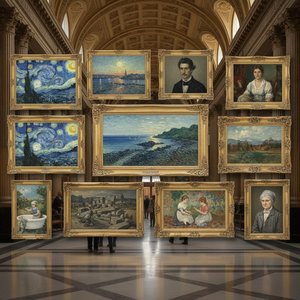
Capodopere ale Secolului al XIX-lea: 10 Lucrări de Artă Esențiale pentru Decorul Tău
Descoperă 10 capodopere ale secolului al XIX-lea! Explorează romantismul lui Delacroix, impresionismul lui Monet și realismul lui Courbet. Găsește inspirație pentru decorul tău cu reproduceri de artă de calitate muzeală pe OriginalUniqueArt.com.

Evoluția Portretelor Familiale: Arta Personalizată ca Cronica Vieții de Familie de-a Lungul Generațiilor
Descoperă evoluția portretelor familiale și rolul lor în conservarea moștenirii! Comandă un portret personalizat realizat de artiști talentați. Expertiză, calitate și o legătură emoțională durabilă cu trecutul tău.