Text size

() ·

A painting made for you, by hand

The Sixth Month (Right)

Reproducere pictată manual în ulei

Pictură în ulei pe pânză, pictată manual de artiștii noștri la dimensiunea și ramele dorite de dumneavoastră, pe comandă. ( Comută pe versiunea Print Comută pe Imagine Digitală)

Descriere obiect de colecție

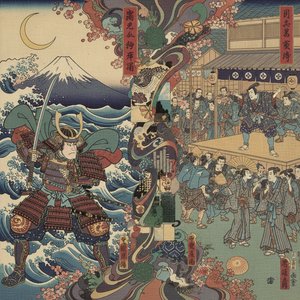
Utagawa Kuniyoshi's "The Sixth Month (Right)" is a stunning woodblock print capturing a serene autumn scene with elegant figures and lantern light. Explore this masterpiece of Japanese art!

Biografie artist

Descoperiți Utagawa Kuniyoshi (1798-1861), maestru al gravurii ukiyo-e japoneze! Celebrat pentru scene de război vibrante, peisaje fantastice și o fuziune unică între tradiție și influențe occidentale.

from ·

Chapter 1

How large should it be?

Slide to change the size; the picture on the left shows the frame at its real width. The proportions of the original are kept.

Standard
personalizat
CM
INCH

Alegeți dintre dimensiunile noastre prestabilite, care respectă proporțiile originale ale operei de artă.

lățime
înălțime

Introduceți lățimea și înălțimea necesare pentru a se potrivi ramei sau peretelui dumneavoastră. Această lucrare este pictată manual, așa că, pentru o dimensiune cu o formă diferită, artistul poate picta puțin mai mult în jurul imaginii sau poate tăia puțin din margini — dumneavoastră decideți. Vă vom trimite o simulare digitală pentru aprobare înainte de a începe pictarea. Imaginea afișată pe această pagină nu reprezintă rezultatul real — doar simularea este reprezentativă.

Chapter 2

How should it arrive?

Choose the edges of the stretched canvas

Choose your frame

Corner sample of the WhiteWrap canvas edge finish, stretched on lemn masiv bars
White lei1
Corner sample of the BlurSideWrap canvas edge finish, stretched on lemn masiv bars
Blurside lei1
Corner sample of the ExtendedWrap canvas edge finish, stretched on lemn masiv bars
Extended lei1
Corner sample of the P118B picture frame: polistiren turnat, 5 cm wide and 3 cm thick
P118B lei10
Corner sample of the P118H picture frame: polistiren turnat, 5 cm wide and 3 cm thick
P118H lei10
Corner sample of the P118W picture frame: polistiren turnat, 5 cm wide and 3 cm thick
P118W lei10
Corner sample of the P438Z picture frame: polistiren turnat, 5.5 cm wide and 3.5 cm thick
P438Z lei10
Corner sample of the P508JH picture frame: polistiren turnat, 7 cm wide and 3.5 cm thick
P508JH lei12
Corner sample of the P508YH picture frame: polistiren turnat, 7 cm wide and 3.5 cm thick
P508YH lei12
Corner sample of the P805H picture frame: polistiren turnat, 5 cm wide and 3.5 cm thick
P805H lei10
Corner sample of the P805Z picture frame: polistiren turnat, 5 cm wide and 3.5 cm thick
P805Z lei10
Corner sample of the P919BZ picture frame: polistiren turnat, 7 cm wide and 3.5 cm thick
P919BZ lei10
Corner sample of the P919G picture frame: polistiren turnat, 7 cm wide and 3.5 cm thick
P919G lei10
Corner sample of the P919XJ picture frame: polistiren turnat, 7 cm wide and 3.5 cm thick
P919XJ lei10
Corner sample of the P959ZH picture frame: polistiren turnat, 5 cm wide and 3 cm thick
P959ZH lei10
Corner sample of the P968JZ picture frame: polistiren turnat, 6 cm wide and 4 cm thick
P968JZ lei12
Corner sample of the W106C picture frame: lemn masiv, 5 cm wide and 3 cm thick
W106C lei8
Corner sample of the W218G picture frame: lemn masiv, 5 cm wide and 3 cm thick
W218G lei10
Corner sample of the W218JH picture frame: lemn masiv, 5 cm wide and 3 cm thick
W218JH lei8
Corner sample of the W218Y picture frame: lemn masiv, 5 cm wide and 3 cm thick
W218Y lei10
Corner sample of the W307PJ picture frame: lemn masiv, 6 cm wide and 3 cm thick
W307PJ lei10
Corner sample of the W316G picture frame: lemn masiv, 6 cm wide and 3 cm thick
W316G lei10
Corner sample of the W316PJ picture frame: lemn masiv, 6 cm wide and 3 cm thick
W316PJ lei8
Corner sample of the W316Y picture frame: lemn masiv, 6 cm wide and 3 cm thick
W316Y lei10
Corner sample of the W398PJ picture frame: lemn masiv, 5 cm wide and 3 cm thick
W398PJ lei8
Corner sample of the W4111J picture frame: lemn masiv, 6.5 cm wide and 3.5 cm thick
W4111J lei10
Corner sample of the W500HY picture frame: lemn masiv, 7 cm wide and 5 cm thick
W500HY lei15
Corner sample of the W500JH picture frame: lemn masiv, 7 cm wide and 5 cm thick
W500JH lei15
Corner sample of the W692G picture frame: lemn masiv, 8 cm wide and 4 cm thick
W692G lei12
Corner sample of the W849H picture frame: lemn masiv, 5 cm wide and 3 cm thick
W849H lei8
Corner sample of the W940BG picture frame: lemn masiv, 7.5 cm wide and 4.5 cm thick
W940BG lei15
Corner sample of the W953PJ picture frame: lemn masiv, 6 cm wide and 3.5 cm thick
W953PJ lei8
Corner sample of the H24-GOLD picture frame: lemn sculptat cu gesso, 10 cm wide and 6 cm thick
H24-GOLD lei30
Corner sample of the H24-SILVER picture frame: lemn sculptat cu gesso, 10 cm wide and 6 cm thick
H24-SILVER lei30
Corner sample of the H36-GOLD picture frame: lemn sculptat cu gesso, 15 cm wide and 6.5 cm thick
H36-GOLD lei45
Corner sample of the H36-SILVER picture frame: lemn sculptat cu gesso, 15 cm wide and 6.5 cm thick
H36-SILVER lei45

Moulding: . Overall size with the frame: .

Chapter 3

Who paints it, and should anything change?

Examples of what can be changed: Replace face with customer photo; Add pet (e.g., replace cat with dog); Include hidden message in background; Change background landscape or elements.
After order, OriginalUniqueArt.com team will email client for instructions and provide a mockup preview

Livrare în întreaga lume () în 3-4 săptămâni, în loc de cele 5 săptămâni standard. (2 Noiembrie). Fără compromisuri în ceea ce privește calitatea.

Chapter 4

The finishing touches

A nameplate, as in a museum?

Detalii plăcuță din bronz gravat

This elegant plaque features the artist's name and the title of the artwork, finely engraved for a timeless presentation.

It is made from bronze with a refined, elegant finish. The text is precisely laser-engraved for a sharp and permanent result. Measuring 9x2 cm, the plaque is compact yet easy to read. It's built to be durable and scratch-resistant, offering a professional, museum-quality look. Mounting is simple thanks to the included adhesive backing.

Detalii plăcuță din acril transparent

The plaque includes essential engraved details such as the artist's name, the title of the artwork, the date it was created, the type of media used-like oil on canvas or watercolor-a brief description of the piece, and a QR code that links to the complete artwork information.

It is crafted from clear acrylic, offering a sleek, modern appearance. The text is UV-engraved in black to ensure strong visual contrast. With a size of 10x15 cm, it ensures optimal readability. It comes equipped with two metal hooks for secure wall mounting. The plaque is designed to be weather-resistant, making it suitable for various environments, and it includes interactive features that work seamlessly with smartphone scanning.

Detalii placă din acril negru

This elegant plaque includes engraved information such as the artist's name, the title of the artwork, the date it was created, the type of media used (like oil on canvas or watercolor), a short description of the artwork, and a QR code for quick access to more information.

The plaque itself is made from refined black acrylic with a premium finish. The text is laser-engraved in white for high contrast and readability. Its size is 10x15 cm, designed to be easy to read. It comes with two metal hooks for professional mounting. The design is sleek and fits any interior style. It is also weather-resistant and durable, with built-in digital integration for mobile compatibility.

A protective varnish?

When do you need it?

Chapter 5

Your painting, as you ordered it

The Sixth Month (Right)

Tehnică de reproducere

Dimensiune reproducere

-

Selecție de artiști de elită

Mai multe detalii, rafinament și timp suplimentar de execuție

-

Ramă pentru reproducere artistică

-

-

Pentru opere de artă sau reproduceri care depășesc 105 cm (aproximativ 41 de inch) pe oricare dintre laturi, cadrul va fi livrat demontat, sub formă de kit. Această metodă asigură o livrare sigură și previne deteriorarea în timpul transportului.

Este necesară asamblarea profesională – acest produs nu este de tip DIY (de făcut singur).
Kitul trebuie asamblat, iar pânza întinsă, de către un legător de cadre experimentat, utilizând adeziv pentru lemn (neinclus în colet), o cheie pentru întinderea pânzei și cleme pentru a menține barele la unghi drept în timp ce adezivul se usucă. Asamblarea incorectă sau tensiunea neuniformă a pânzei pot deteriora permanent opera de artă și nu sunt acoperite de garanția noastră.

  • Toate barele din lemn masiv sunt incluse, tăiate cu precizie la dimensiunea necesară.

  • Asamblat cu șuruburile incluse, plus adeziv pentru lemn pentru îmbinările de colț, care nu este furnizat și trebuie achiziționat de către tâmplarul dumneavoastră.

  • Sunt necesare unelte profesionale care nu sunt incluse: o șipte de întindere a pânzei (tensionator) și cleme pentru a menține barele la unghi drept în timp ce adezivul se usucă.

Important:
Îmbinările de colț necesită adeziv pentru lemn, barele trebuie fixate cu clești de strângere până când adezivul este complet uscat, iar întinderea pânzei pe cadrul asamblat necesită un clește pentru întins pânza. Niciunul dintre aceste elemente nu este inclus în kit. Vă rugăm să consultați un încadrator profesionist cu experiență înainte de a comanda această dimensiune.

Etichetă de prezentare

-

-

Lac de protecție

Lac lucios (intensifică nuanțele și oferă protecție împotriva luminii și a umidității)

-

Personalizează opera mea de artă

Exemple de elemente ce pot fi personalizate: Înlocuirea feței cu fotografia clientului; Adăugarea unui animal de companie (de exemplu, înlocuirea unei pisici cu un câine); Includerea unui mesaj ascuns în fundal; Modificarea peisajului sau a elementelor din fundal.

-

Livrare rapidă

Livrare la nivel mondial () în 3-4 săptămâni, în loc de cele 5 săptămâni standard. (2 Noiembrie). Fără compromisuri când vine vorba de calitate.

-

Livrare rapidă

Livrare la nivel mondial () în 5 săptămâni. (9 Noiembrie).

Inclus

Preț total calculat

lei 1426

Preț total lei 1426

Opțiunea cu sticlă este disponibilă doar pentru dimensiuni de sub 110 cm

Included with every order

  • Livrare expres gratuită la nivel mondial
  • Pânză de in de înaltă calitate
  • Asigurare completă pentru transport
  • Garanție de rambursare a taxelor vamale
  • Garanția fidelității culorilor
  • Politica de retur în 100 de zile (doar pentru defecte de fabricație)
  • Garanție de rambursare 100%
  • Ofertă pentru comenzi multiple

A Moment Frozen in Autumn’s Embrace: Unpacking “The Sixth Month (Right)”

Utagawa Kuniyoshi's "The Sixth Month (Right)" isn’t merely a depiction of a scene; it’s a carefully constructed tableau brimming with seasonal symbolism, narrative suggestion, and the quiet elegance characteristic of the ukiyo-e style. Completed in 1849 during the late Edo period, this woodblock print transcends a simple representation of autumn to become a poignant meditation on impermanence, beauty, and the fleeting nature of time itself. The image immediately draws the eye to a woman, dressed in rich silks and adorned with an elaborate fan, positioned centrally within a meticulously rendered landscape. Her posture exudes grace and composure, yet there’s a subtle melancholy that hints at a deeper story – perhaps a farewell, or a quiet contemplation.

  • The Setting: The backdrop is a quintessential Japanese autumn scene—lanterns casting a warm glow on a meticulously detailed garden, framed by the silhouettes of trees ablaze with autumnal hues. This isn’t a dramatic, tempestuous landscape; rather, it's a serene and controlled environment, reflecting an underlying sense of harmony and balance.
  • The Figures: The central woman is flanked by two attendants, one kneeling in respectful attendance, presenting a ceremonial offering – likely a seasonal fruit or flower. A second figure stands behind her, partially obscured, adding to the air of mystery and suggesting a narrative unfolding beyond what’s immediately visible.
  • Symbolism: The “Sixth Month” itself holds significance in Japanese culture, traditionally associated with harvest festivals and the contemplation of mortality. The presence of lanterns symbolizes illumination and guidance, while the autumnal colors evoke themes of transience and beauty intertwined with sadness.

The Artistry of Utagawa Kuniyoshi: A Master of Narrative Detail

Kuniyoshi was a pivotal figure in ukiyo-e, renowned for his ability to seamlessly blend traditional Japanese motifs with Western artistic influences – particularly the use of perspective and light. His training under Toyokuni I instilled in him a rigorous understanding of composition and technique, but Kuniyoshi quickly developed a distinctive style characterized by dynamic movement, dramatic lighting effects, and an almost theatrical quality. “The Sixth Month (Right)” exemplifies this perfectly; observe how he uses subtle gradations of color to create depth and volume, and the careful attention paid to detail in rendering the textures of silk, wood, and foliage.

Technique: As a woodblock print, the image was created through a complex process involving multiple blocks carved with different colors. Kuniyoshi’s masterful control over these blocks allowed him to achieve an astonishing level of detail and richness in his palette – from the deep reds and browns of the autumn leaves to the delicate blues and greens of the woman's attire. The layering of colors, achieved through careful registration during printing, is a testament to the artist’s skill and precision.

A Window into Edo-Period Life and Culture

“The Sixth Month (Right)” offers a fascinating glimpse into the social customs and aesthetic sensibilities of Edo-period Japan. The scene depicts a refined domestic setting, reflecting the wealth and status of its inhabitants. The woman’s attire, the elaborate lanterns, and the ceremonial offering all speak to a culture that valued beauty, ritual, and harmony with nature. Furthermore, Kuniyoshi's incorporation of Western artistic elements – particularly his use of atmospheric perspective – demonstrates a growing awareness of global trends during this period.

Historical Context: Ukiyo-e prints were immensely popular during the Edo period (1603-1868), providing affordable art for a broad audience. They captured scenes from everyday life, historical events, theatrical performances, and mythological tales. Kuniyoshi’s work reflects this diverse range of subject matter, showcasing his versatility as an artist.

Bringing “The Sixth Month (Right)” into Your Space

Reproductions of "The Sixth Month (Right)" offer a beautiful way to bring the artistry and spirit of Utagawa Kuniyoshi into your home or office. Whether you choose a large-scale canvas print or a smaller, framed version, this captivating artwork will undoubtedly serve as a conversation starter and a source of inspiration. Its evocative imagery and subtle symbolism resonate with viewers on an emotional level, creating a sense of tranquility and contemplation. Consider pairing it with complementary colors and textures to create a harmonious and visually stunning display.

Întrebări și răspunsuri

Cum se încadrează stilul operei „The Sixth Month (Right)” în contextul epocii creatorului său?

"The Sixth Month (Right)" de Utagawa Kuniyoshi face parte din mișcarea Ukiyo-e, reprezentativă pentru epoca Secolul al XIX-lea a creatorului său.

Din ce țară provine lucrarea de Ukiyo-e „The Sixth Month (Right)”?

"The Sixth Month (Right)" face legătura între mișcarea Ukiyo-e și Japonia, prin locul de naștere al creatorului său.

Este "The Sixth Month (Right)" reprezentativ pentru temele abordate de obicei de Utagawa Kuniyoshi?

Printre temele consacrate ale lui Utagawa Kuniyoshi, ukiyo-e traditions, japanese aesthetics, warrior tales, heroic narratives, edo period society, customs, kuniyoshi's signature style”, “experimentation with western techniques” – „The Sixth Month (Right)” oferă o perspectivă proprie asupra japanese woman, fall season, pumpkin, lantern, traditional clothing, utagawa kuniyoshi, edo period.

More about this painting

Previzualizare Previzualizare AR Comută pe versiunea Print Comută pe Imagine Digitală Trimite prin felicitare
Detalii despre lucrare Ghid Adaugă la favorite Descarcă imaginea Produse similare Radiografie Galerie foto Q&A Statistici

In numbers

  • 1849the year it was painted
  • 29frames to choose from
  • standard sizes, in its own proportions
  • 5weeks to paint and deliver it
Utagawa Kuniyoshi

Utagawa Kuniyoshi

1797 - 1861, Japonia

Quick facts about Utagawa Kuniyoshi

  • Artistic Movement Or Style: Ukiyo-e
  • Artists Or Movements Influenced By This Artist: ['Ozawa Tsuyoshi']
  • Artists Who Influenced This Artist: ['Toyokuni Utagawa']
  • Date Of Birth: 1 ianuarie 1798
  • Date Of Death: 14 aprilie 1861
  • Full Name: Utagawa Kuniyoshi
  • Nationality: Japonez
  • Notable Artworks:
    • Eroii din Suikoden
    • Fantoma în Minamoto
  • Place Of Birth: Tokyo, Japonia

Biografie artist

A Life Immersed in the Floating World

Utagawa Kuniyoshi, născut Yoshisaburō pe 1 ianuarie 1798, în Edo (actualul Tokyo), se ridică ca o figură monumentală la finalul tradiției *ukiyo-e* – picturile “lumii plutitoare” care au capturat cu vivacitate viața japoneză din perioada Edo. Drumul său a început nu în cercurile artistice, ci în sfera practică a afacerii tatălui său de vopsire a textilelor. Această primă expunere la culoare și modelare ar influența subtil mai târziu opera sa, împrumutând-o o vibrație distinctivă. Chiar din copilărie, Kuniyoshi a fost fascinat de lumea dramatică a *ukiyo-e*, în special de imaginea eroică a războinicilor și a artiștilor care populau printurile populare. Aceste impresii formative au aprins o pasiune care i-ar defini urmărirea vieții. A intrat în studioul Utagawa Toyokuni I în 1811, adoptând numele Kuniyoshi și începând o școală riguroasă de ucenicie care a perfecționat abilitățile sale și l-a introdus în convențiile școlii Utagawa.

De la Origini Modeste la Inovație Maestru

Primul său carieră a fost marcată de o perioadă de obscuritate relativă. Deși priceput în stilurile consacrate, s-a luptat să găsească vocea sa unică în peisajul aglomerat al picturii Edo. Primele sale lucrări au reflectat în mare măsură cele ale profesorului său, oferind puțin care să îl distingă de contemporanii săi. Cu toate acestea, această perioadă de explorare s-a dovedit crucială. A experimentat cu diferite genuri și tehnici, dezvoltând treptat o abordare distinctivă caracterizată de compoziții dinamice, culori îndrăznețe și o înțelegere din ce în ce mai sofisticată a narațiunii. Revoluția a venit în 1827 cu lansarea *One Hundred and Eight Heroes of the Popular Suikoden*, o serie monumentală bazată pe romanul chinez *Shui Hu Zhuan*. Lucrarea aceasta l-a propulsat la faima, stabilindu-l ca maestru al *musha-e* – picturilor războinicilor. Seria nu a fost doar o ilustrare a poveștilor eroice; a fost o demonstrație a talentului în creștere al lui Kuniyoshi pentru compoziții dramatice și caracterizare. Nu a reprezentat pur și simplu războincii; i-a adus la viață cu emoție convingătoare și detalii complicate.

O Sinteză de Tradiție și Influențe Occidentale

Ce stabilește cu adevărat Kuniyoshi ca unic este dorința sa de a îmbrățișa inovația, păstrând în același timp o ancorare profundă în tradițiile artistice japoneze. Pe măsură ce perioada Edo se apropia de final, Japonia a experimentat o creștere a contactului cu Occidentul, iar Kuniyoshi a fost printre primii artiști *ukiyo-e* care au integrat elemente ale perspectivei și umbrelor occidentale în opera sa. Nu a fost doar o imitație; el a integrat abil aceste tehnici pentru a îmbunătăți adâncimea, realismul și impactul dramatic. Peisajele sale, în special, demonstrează un control măiestru asupra efectelor atmosferice și relațiilor spațiale, evocând adesea un sentiment de grandiozitate și uimire. Dincolo de tehnică, Kuniyoshi a extins subiectul *ukiyo-e*. În timp ce temele tradiționale precum femeile frumoase și actorii Kabuki au rămas populare, el s-a aventurat în teritoriu nou, reprezentând scene istorice, creaturi mitologice și chiar comentarii satirice asupra societății contemporane. Tripticul său *In Minamoto’s Residence the Earth Spider Appears as a Monster* (1843) este un exemplu de abordare îndrăzneață, ascunzând în mod ingenios critici politice într-o narațiune fantastică.

Moștenirea unui Vizionar

Influența lui Kuniyoshi asupra generațiilor ulterioare de artiști este incontestabilă. A lăsat în urmă un corp vast și divers de lucrări – estimate la peste 5.000 de proiecte – care continuă să inspire uimire și admirație astăzi. Combinarea sa inovatoare a esteticilor artistice japoneze cu tehnici occidentale a deschis noi posibilități artistice, în timp ce dorința sa de a sfida convențiile a lărgit sfera *ukiyo-e*. A antrenat numeroși studenți, inclusiv Yoshitoshi, care au continuat moștenirea sa în perioada Meiji.
  • Serii notabile: *One Hundred and Eight Heroes of the Popular Suikoden*, o realizare de referință în picturile războinicilor.
  • Compoziții maestru: Abilitatea sa de a crea scene dinamice și vizual atrăgătoare rămâne fără egal.
  • Tehnici inovatoare: Integrarea perspectivei occidentale și a umbrelor a revoluționat pictura de peisaj *ukiyo-e*.
  • Subiecte extinse: A extins limitele *ukiyo-e*, explorând noi teme și narațiuni.
Arta lui Kuniyoshi nu este doar imagini frumoase; este o fereastră către o epocă fascinantă, o mărturie a puterii inovației artistice și o celebrare a spiritului durabil al Japoniei. El rămâne o figură cheie în istoria artei japoneze, opera sa continuând să rezoneze cu publicul din întreaga lume. A murit pe 14 aprilie 1861, lăsând în urmă o moștenire care i-a consolidat ferm locul ca unul dintre ultimii mari maeștri ai *ukiyo-e*.

Informații rapide

  • Artistic style: Japanese art
  • Medium: Woodblock print
  • Movement: Ukiyo-e
  • Influences: Traditional
  • Notable elements: Lantern, figures
  • Title: The Sixth Month (Right)

Test de cunoștințe despre artă

Fiecare întrebare are un singur răspuns corect.

Întrebare 1:
What is the primary subject depicted in Utagawa Kuniyoshi’s ‘The Sixth Month (Right)’?
Întrebare 2:
In what year was Utagawa Kuniyoshi’s ‘The Sixth Month (Right)’ created?
Întrebare 3:
Which art movement is ‘The Sixth Month (Right)’ primarily associated with?
Întrebare 4:
What is the size of ‘The Sixth Month (Right)’?
Întrebare 5:
The painting includes a clock. What does this element likely symbolize?