
 Previzualizare
 Trimite
 Distribuie
 Detalii despre lucrare

 Descarcă
 Produse similare
 Radiografie
 Diapozitive automate
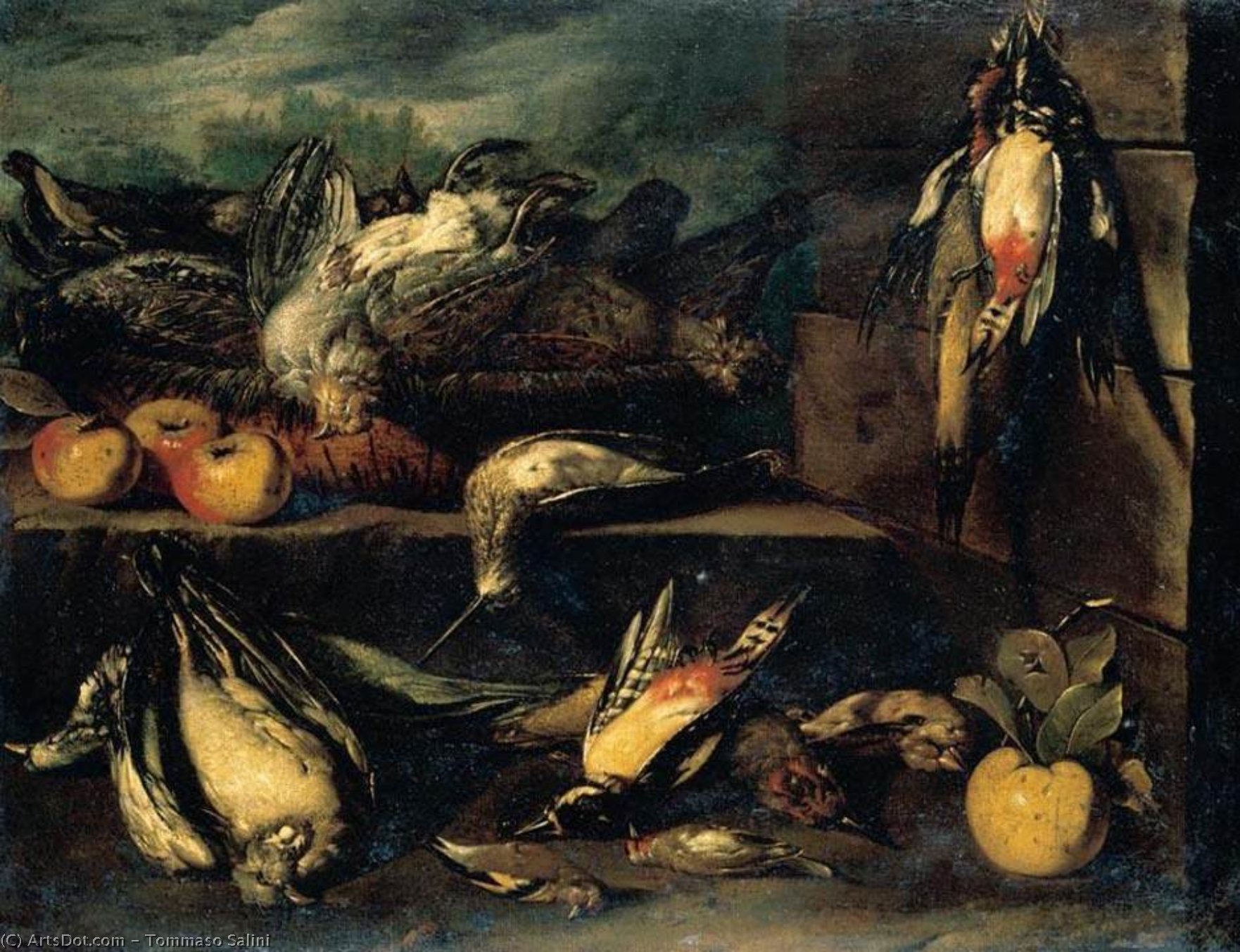
Still-Life
 73.0 x 92.0 cm
 Vezi mai mult
Reproducere pictată manual în ulei
Pictură în ulei pe pânză, realizată manual de artiștii noștri la dimensiunea și ramele dorite de dumneavoastră, pe comandă. ( Comandă printul Cumpără imaginea)




































Alegeți dintre dimensiunile noastre prestabilite, care respectă proporțiile originale ale operei de artă.

Puteți introduce propriile dimensiuni pentru a se potrivi unui anumit cadru sau spațiu. Dacă dimensiunea selectată nu corespunde proporțiilor imaginii originale, vom decupa opera de artă sau vom extinde pictura cu elemente suplimentare pictate manual. O simulare digitală vă va fi trimisă pentru aprobare înainte de începerea producției.
Vă rugăm să rețineți că previzualizarea de pe ecran nu reflectă decuparea sau extinderea reală. Doar macheta va arăta cu exactitate compoziția finală.
Deși sunt disponibile dimensiuni personalizate, vă recomandăm să selectați o dimensiune din lista predefinită pentru a păstra proporțiile originale.
După plasarea comenzii, echipa OriginalUniqueArt.com va contacta clientul prin e-mail pentru instrucțiuni și îi va furniza o previzualizare a machetei
Livrare în întreaga lume () în 3-4 săptămâni, în loc de cele 5 săptămâni standard. (20 August). Fără compromisuri în ceea ce privește calitatea.

Livrare expres gratuită la nivel mondial

Pânză de in de înaltă calitate

Asigurare completă pentru transport

Garanție de rambursare a taxelor vamale

Garanția fidelității culorilor

Politica de retur în 60 de zile (doar pentru defecte)

Garanție de rambursare 100%

Ofertă pentru comenzi multiple
 Opțiunea cu sticlă este disponibilă doar pentru dimensiuni de sub 110 cm

Still-Life
Tehnică de reproducere
Dimensiune reproducere
-


Preț total calculat
$ 300
Biografie artist
The Shadow of the Baroque: The Life and Legacy of Tommaso Salini
In the vibrant, often turbulent artistic landscape of late 16th-century Rome, few figures evoke as much mystery and scholarly intrigue as Tommaso Salini. Known to his contemporaries by the moniker Mao Salini, he emerged during a period of profound stylistic transition, where the structured elegance of Mannerism began to yield to the dramatic, visceral energy of the Baroque. While history has often relegated him to the periphery—frequently overshadowed by the monumental presence of Caravaggio or the biographical accounts of his contemporary Giovanni Baglione—Salini was far more than a mere footnote. He was a painter caught in the crosscurrents of revolution, a witness to the legal and artistic battles that defined an era, and an artist whose work sought a delicate balance between meticulous observation and dramatic light.
Born in Rome around 1575, Salini’s early life was deeply embedded in the Roman art scene. His presence in the prestigious Accademia di San Luca by 1605 signifies his standing among the city's elite practitioners. However, much of what we know of his character comes not from his brushstrokes, but from the courtroom. Salini famously stood as a courageous defender of his friend, Giovanni Baglione, during the infamous libel trial brought against Caravaggio and several other artists. This moment of intellectual and personal integrity highlights a man who navigated the competitive and often litigious milieu of Roman art circles with a steadfast commitment to his peers, even amidst the tempestuous rivalries that characterized the age.
A Synthesis of Light and Stillness
The stylistic evolution of Salini’s oeuvre presents a fascinating study in artistic synthesis. To look upon a Salini canvas is to witness a dialogue between two worlds: the lingering grace of the late Mannerist tradition, seen in the works of Santi di Tito, and the revolutionary naturalism introduced by Caravaggio. While he undeniably fell under the spell of Caravaggio’s dramatic chiaroscuro, Salini did not merely mimic the raw, often violent immediacy of the master. Instead, he tempered that darkness with a more restrained palette and a sense of compositional elegance that favored quiet dignity over visceral shock.
His mastery was particularly evident in his approach to different genres:
- Still Life: Salini was a specialist in the burgeoning genre of still life, often imbuing inanimate objects with a contemplative spirit. His works, such as those featuring luscious fruits, vegetables, and game, are characterized by a meticulous attention to texture and form that invites deep observation.
- Religious Compositions: In his sacred works, such as The Ecstasy of Saint Francis, one finds a profound sense of devotion expressed through nuanced rendering and a soft, atmospheric light that avoids the harshness of pure Caravaggism.
- Genre Scenes: His ability to capture the human element is seen in portraits and genre paintings where subjects possess a certain soulful stillness, bridging the gap between the mundane and the monumental.
Rediscovering a Forgotten Master
For centuries, the true identity of Salini’s hand was obscured by the emergence of "Pseudo-Salini" attributions—works that carried his name but lacked his specific touch. This scholarly fog led many to dismiss much of his output as anonymous or misattributed. Yet, recent connoisseurship and rigorous research are beginning to peel back these layers of doubt. By examining the original works documented by Baglione and identifying the consistent hallmarks of Salini’s technique—his unique way of handling light and his preference for a more tempered naturalism—art historians are reclaiming his place in the Baroque canon.
The historical significance of Tommaso Salini lies not only in the beauty of his surviving canvases but in what he represents: the essential, connective tissue of the Roman Baroque. He was an artist who stood at the crossroads of tradition and innovation, helping to shape a style that was neither purely Mannerist nor purely Caravaggesque, but something uniquely his own. As we continue to rediscover his contributions, Salini emerges from the shadows, no longer just a witness to history, but a vital voice in the grand narrative of Italian art.

Tommaso Salini
1575 - 1625 , Italy
Detalii rapide
- Artistic Movement Or Style: Early Baroque
- Artists Or Movements Influenced By This Artist: ['Giovanni Baglione']
- Artists Who Influenced This Artist: ['Caravaggio']
- Date Of Birth: Rome, Italy (1575)
- Date Of Death: 1625
- Full Name: Tommaso Salini
- Nationality: Italian
- Notable Artworks:
- A boy eating a loaf of bread with a cat
- Natura morta con cardo, cavolo, angurie, melagrana, cacciagione e fiori
- Place Of Birth: Rome

