Morning
Reproducere manuală în ulei
Pictură în ulei pe pânză, pictată manual, la dimensiunea și ramele dorite de dumneavoastră, realizată la comandă de artiștii noștri. ( Comandă versiunea tipărită
Comută la imagine)
P118B $10
P118H $10
P118W $10
P438Z $10
P508JH $12
P508YH $12
P805H $10
P805Z $10
P919BZ $10
P919G $10
P919XJ $10
P959ZH $10
P968JZ $12
W106C $8
W218G $10
W218JH $8
W218Y $10
W307PJ $10
W316G $10
W316PJ $8
W316Y $10
W398PJ $8
W4111J $10
W500HY $15
W500JH $15
W692G $12
W849H $8
W940BG $15
W953PJ $8
Alegeți dintre dimensiunile noastre prestabilite, care respectă proporțiile originale ale operei de artă.
Puteți introduce propriile dimensiuni pentru a se potrivi unui anumit cadru sau spațiu. Dacă dimensiunea selectată nu corespunde proporțiilor imaginii originale, vom decupa opera de artă sau vom extinde pictura cu elemente suplimentare pictate manual. O simulare digitală vă va fi trimisă pentru aprobare înainte de începerea producției.
Vă rugăm să rețineți că previzualizarea de pe ecran nu reflectă decuparea sau extinderea reală. Doar macheta va arăta cu exactitate compoziția finală.
Deși sunt disponibile dimensiuni personalizate, vă recomandăm să selectați o dimensiune din lista predefinită pentru a păstra proporțiile originale.
După plasarea comenzii, echipa OriginalUniqueArt.com va contacta clientul prin e-mail pentru instrucțiuni și îi va furniza o previzualizare a machetei
Livrare în întreaga lume () în 3-4 săptămâni, în loc de cele 5 săptămâni standard. (5 August). Fără compromisuri în ceea ce privește calitatea.
Livrare expres gratuită la nivel mondial
Pânză de in premium
Asigurare completă pentru transport
Garanție de rambursare a taxelor vamale
Garanția fidelității culorilor
Politica de retur în 60 de zile (doar pentru defecte)
Garanție de rambursare 100%
Reducere pentru comenzi multiple
Morning
Tip de reproducere
Dimensiuni reproducere
-
Preț total
$ 300
Descriere operă
The Essence of Dawn: Unveiling “Morning”
Tom Thomson’s “Morning,” painted in 1915, isn't merely a landscape; it’s a distilled moment of profound serenity captured on wood-pulp board. This evocative piece, now readily available as a meticulously crafted reproduction at OriginalUniqueArt.com, transports the viewer to the heart of Ontario's wilderness – a place where the air is crisp with anticipation and the promise of a new day hangs heavy in the mist.
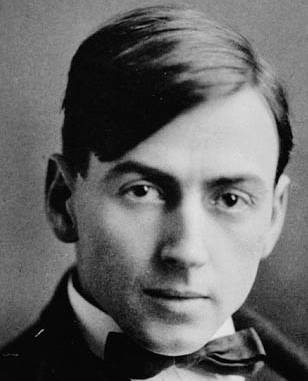
(Image of Tom Thomson - Morning)
A Pioneer’s Palette: Style and Technique
Thomson, a pivotal figure in Canadian art, forged his distinctive style through a masterful blend of observation and emotion. “Morning” exemplifies this approach perfectly. His brushstrokes are not delicate or precise; instead, they're bold, confident sweeps that convey movement and energy. Notice how the blues and greens – dominant hues in the painting – aren’t simply applied; they’re layered and textured, creating a shimmering effect reminiscent of water reflecting the sky. The composition itself is carefully balanced: the distant mountains provide a grounding presence while the boats on the water invite us into the scene, suggesting both tranquility and the potential for adventure.
The choice of wood-pulp board as a medium is significant. It allowed Thomson to work quickly and directly, capturing the fleeting effects of light and atmosphere with remarkable immediacy. This technique contributes to the painting’s sense of spontaneity and freshness – it feels as though you've stepped into a moment frozen in time.
Echoes of the Wilderness: Historical Context
“Morning” was created during a crucial period in Thomson’s career, just before his untimely death in 1917. It reflects his deep connection to Algonquin Park, a place he frequently visited and which profoundly influenced his artistic vision. This painting is part of the collection at the Tom Thomson Art Gallery in Ontario, standing as a testament to his contribution to Canadian art history. The gallery’s presence underscores the importance of preserving and celebrating Thomson's legacy – a legacy that continues to inspire artists and captivate audiences today.
Interestingly, the painting’s creation coincided with the burgeoning movement towards defining a distinctly “Canadian” artistic identity. Thomson’s work, alongside those of the Group of Seven, helped establish a visual language rooted in the landscapes and experiences of this vast nation. “Morning,” therefore, isn't just a beautiful depiction of nature; it’s also a symbol of Canadian pride and heritage.
Symbolism and Emotional Resonance
Beyond its technical brilliance, “Morning” is rich with symbolic meaning. The boats on the water represent human connection to nature – a desire for respite and reflection amidst the demands of daily life. The mountains in the background symbolize strength, endurance, and the timelessness of the wilderness. The diffused light and muted colors evoke a sense of peace, quiet contemplation, and the beauty of the natural world at dawn.
Perhaps most powerfully, “Morning” captures a feeling – the anticipation of a new day, the promise of possibility, and the profound connection between humanity and nature. It’s a painting that invites us to slow down, breathe deeply, and appreciate the simple beauty of our surroundings.
Biografie artist
A Pioneer of the Canadian Wilderness
Thomas John Thomson, universally known as Tom Thomson, remains a pivotal and somewhat enigmatic figure in Canada’s artistic landscape. Though his active career spanned only a handful of years – tragically cut short at the age of thirty-nine – he indelibly shaped the course of Canadian art, serving as a crucial precursor to the renowned Group of Seven and leaving behind a legacy of evocative landscapes that continue to resonate deeply with audiences today. His story is one of late blossoming, of a restless spirit discovering its voice amidst the untamed beauty of Ontario’s wilderness, and of an enduring mystery surrounding his untimely death.From Rural Beginnings to Artistic Awakening
Born August 5, 1877, in Claremont, Ontario, Thomson's early life was deeply rooted in the rhythms of rural existence. He grew up as one of ten children within a farming family – an upbringing that instilled within him a profound connection to the natural world, though initially expressed through other pursuits. His formal education was intermittent and often disrupted by illness, leading to a somewhat fragmented schooling experience. Before dedicating himself fully to art, Thomson explored various trades: he worked at an iron foundry, briefly attended business college, and even ventured west to Seattle, Washington, where he honed his skills as a commercial artist. This period proved formative; it wasn’t merely about acquiring technical proficiency in penmanship and design at firms like Maring & Ladd, but also about encountering individuals who would later become central figures in the burgeoning Canadian art scene – J.E.H. MacDonald and Lawren Harris among them. These connections provided a crucial intellectual and artistic environment that nurtured his latent talent. However, it was the discovery of Algonquin Park in 1912 that truly ignited Thomson’s artistic passion. Guided by MacDonald's encouragement, he began to sketch the park’s breathtaking vistas, embarking on a journey of self-discovery through landscape painting – a path that would ultimately define his career.The Evolution of a Distinctive Style
Thomson’s early paintings reveal a promising but unrefined talent. While demonstrating an understanding of composition and color, they lacked the distinctive voice that would come to characterize his mature work. He experimented with various techniques and styles, influenced by the academic traditions he encountered in Toronto and the more expressive approaches he observed among his colleagues. Over time, however, his style underwent a dramatic transformation. He moved away from conventional techniques, embracing a bolder, more expressive approach characterized by vivid colors, thickly applied paint – *impasto* – and dynamic brushstrokes. These weren’t merely representations of the landscape; they were visceral interpretations, conveying the energy, atmosphere, and emotional intensity of the Canadian wilderness. His subject matter remained almost exclusively landscapes: towering trees, expansive skies, shimmering lakes, winding rivers, and the subtle nuances of light and shadow across the terrain. He captured not just what he *saw*, but how it *felt* to be immersed in that environment. This ability to infuse his paintings with a sense of immediacy and emotional resonance set him apart from his contemporaries.Influences and Artistic Connections
Thomson’s artistic development was profoundly shaped by the connections he forged within Toronto's art community. His association with J.E.H. MacDonald, a seasoned landscape painter and mentor, proved particularly influential. MacDonald encouraged Thomson to focus on capturing the essence of the Canadian wilderness, emphasizing the importance of direct observation and emotional response. Furthermore, Thomson’s time working at Grip Limited, a commercial art firm, exposed him to a diverse group of artists – including members of what would later become known as the Group of Seven – who shared his passion for landscape painting. This environment fostered experimentation and collaboration, contributing to the development of a distinctly Canadian artistic style. The influence of these connections is evident in Thomson’s work, which increasingly departs from European traditions and embraces a uniquely Canadian aesthetic.Legacy and Lasting Influence
Paintings like The Jack Pine, The West Wind, Moonlight Sail, and Birch Grove, Autumn have become iconic representations of Canadian identity and the nation’s natural beauty. Though he died before the formal establishment of the Group of Seven in 1920, Thomson is widely considered an unofficial member – a foundational influence whose artistic vision paved the way for their groundbreaking work. His embrace of bold colors, expressive brushwork, and uniquely Canadian subject matter profoundly shaped the group’s direction. The circumstances surrounding his death in July 1917, by drowning in Canoe Lake, remain shrouded in mystery, adding to the mystique that surrounds his life and art. Was it a tragic accident, or something more? This ambiguity has fueled speculation for decades, further cementing Thomson's place as a legendary figure in Canadian culture. Today, his works are primarily held in major Canadian institutions such as the Art Gallery of Ontario, the National Gallery of Canada, the McMichael Canadian Art Collection, and the Tom Thomson Art Gallery, ensuring that his vision continues to inspire and captivate generations to come. He stands as a testament to the power of artistic expression to capture the essence of a nation’s soul.A Lasting Symbol
Thomson is rightfully recognized as a pioneer of Canadian modern art, breaking away from European traditions and forging a uniquely Canadian aesthetic. His paintings are more than just landscapes; they are powerful symbols of Canada's wilderness and national identity. The enduring popularity of his work speaks to its timeless quality and universal appeal. He didn’t simply paint what he saw; he painted how it *felt* to be Canadian, to be connected to the vastness and beauty of the northern landscape. His legacy continues to grow, solidifying his position as one of Canada's most beloved and important artists – a true icon of the nation’s artistic heritage.Tom Thomson
1877 - 1917 , Canada
Informații rapide
- Artistic Movement Or Style: Modernism canadiană
- Artists Or Movements Influenced By This Artist: ['Group of Seven']
- Artists Who Influenced This Artist:
- MacDonald
- Harris
- Date Of Birth: 5 Aug. 1877
- Date Of Death: 8 July 1917
- Full Name: Thomas John Thomson
- Nationality: Canadian
- Notable Artworks:
- Jack Pine
- Vântul de Vest
- Ploaie de lună
- Place Of Birth: Claremont, Canada


Opțiunea cu sticlă este disponibilă doar pentru dimensiuni sub 110 cm