Vezi în context
 Trimite
 Distribuie
 Detalii
 Ghidul

 Descarcă
 Produse similare
 Radiografie
 Diaporama
 Statistici
Adorarea Pastorilor
 Ulei pe pânză
- Artă murală
- Baroque Venetian
 1578
1578- Renașterea
 542.0 x 455.0 cm
 Scuola Grande di San Rocco
 Citește mai mult
Giclée / Imprimare artistică
Printuri giclée sau pe canvas de calitate muzeală, cu proces de producție rapid și opțiuni flexibile de finisare. ( Comandă pictură realizată manual Treci la imagine digitală)




P118B lei10

P118H lei10

P118W lei10

P438Z lei10

P508JH lei12

P508YH lei12

P805H lei10

P805Z lei10

P919BZ lei10

P919G lei10

P919XJ lei10

P959ZH lei10

P968JZ lei12

W106C lei8

W218G lei10

W218JH lei8

W218Y lei10

W307PJ lei10

W316G lei10

W316PJ lei8

W316Y lei10

W398PJ lei8

W4111J lei10

W500HY lei15

W500JH lei15

W692G lei12

W849H lei8

W940BG lei15

W953PJ lei8




Alegeți dintre dimensiunile noastre prestabilite, care respectă proporțiile originale ale operei de artă.

Introduceți lățimea și înălțimea de care aveți nevoie, pentru a se potrivi ramei sau peretelui dumneavoastră. O printare poate fi doar tăiată, niciodată extinsă dincolo de dimensiunea imaginii originale, astfel încât o dimensiune cu o formă diferită va pierde o parte din imagine. Vă trimitem o simulare digitală pentru aprobare înainte de a imprima orice. Imaginea afișată pe această pagină nu prezintă tăierea reală — doar simularea arată acest lucru.
Livrare în întreaga lume () în 2 săptămâni, în loc de cele 4/5 săptămâni standard. (24 Octombrie)

Livrare expres gratuită la nivel mondial

Pânză de in premium

Asigurare completă pentru transport

Garanție de rambursare a taxelor vamale

Garanția fidelității culorilor

Politica de retur în 100 de zile (doar pentru defecte)

Garanție de rambursare 100%

Reducere pentru comenzi multiple
 Opțiunea cu sticlă este disponibilă doar pentru dimensiuni de sub 110 cm

Adorarea Pastorilor
Giclée / Imprimare artistică
Dimensiune reproducere
-


Preț total
lei 370
Un Dialog Sfânt între Lumină și Umbră: Adorația Pastorilor de la Tintoretto
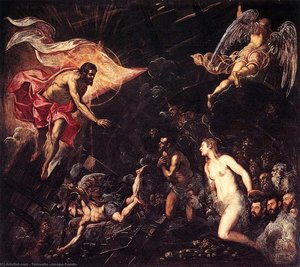
În inima Veneției, ascunsă în Scuola Grande di San Rocco, se află o capodoperă a Renașterii tardive – *Adorația Pastorilor* de Jacopo Tintoretto. Nu este doar un tablou; este o experiență viscerală, o călătorie emoțională prin scene biblice reinterpretate cu o intensitate dramatică și o măiestrie tehnică remarcabilă. Datată 1578, această compoziție monumentală (542 x 455 cm) transcende limitele simplei reprezentări religioase, devenind un testament al geniului artistic al lui Tintoretto și al spiritului vibrant al Veneției secolului al XVI-lea.
Tintoretto, cunoscut sub porecla de “Il Furioso” (Cel Furios), nu era un pictor care se mulțumea cu detaliile minuțioase. Stilul său caracterizat de gesturi dinamice, umbre puternice și o utilizare inovatoare a luminii, a fost considerat la vremea sa radical și uneori chiar dezordonat. În *Adorația Pastorilor*, această abordare se manifestă în mod evident: figuri îmbrățișate într-o acțiune frenetică, un joc de umbre și lumini care creează o atmosferă palpabilă de tensiune și exaltare spirituală. Nu este o scenă statică, ci un moment capturat în plină desfășurare, invită privitorul să devină martor al unui dialog sacru între divinitate și umanitate.
Decodificarea Compoziției: Un Puzzle Dramatic
Compoziția tabloului este o adevărată provocare pentru observator. Tintoretto nu se mulțumește cu o perspectivă liniară; ci construiește scene multiple, suprapunând planuri și adâncimi, creând un efect de profunzime uimitor. În centrul atenției se află Maria, înconjurată de pastorii sclipitori, fiecare expresie impregnată de venerație și uimire. Joseph stă retras, ca un martor tăcut la acest miracol. Detalii precum vacile, strategic plasate în tabloul, nu sunt doar elemente decorative, ci simboluri ale pământului care se întâlnesc cu cerul, al familiarului și al divinului. Chiar și lumina, emanând din centrul scenei – o sursă misterioasă și puternică – este un element cheie, definind emoțiile și direcționând privirea spectatorului.
Simbolismul Sacru: O Limbă a Credinței
*Adorația Pastorilor* este plină de simboluri care adaugă straturi de semnificație. Lumina divină care inundă scena reprezintă grația lui Dumnezeu, iluminând umanitatea. Pastorii, figuri umile și marginalizate, devin protagoniști ai unei scene sacre, simbolizând accesibilitatea credinței pentru toți. Culoarea roșie intensă a hainelor pastorilor contrastează puternic cu tonurile calde ale luminii, accentuând importanța momentului divin. Chiar și prezența animalelor – vaci, păsări – are o semnificație profundă, reprezentând inocența, natura și legătura dintre lumea terestră și cea cerească.
Un Maestru al Timpurilor: Contextul Artistic și Istoric
Tintoretto a trăit într-o perioadă de tranziție artistică în Veneția, un moment crucial între Renașterea clasică și nașterea Barocului. El a fost influențat de Titian și Michelangelo, dar a dezvoltat o viziune proprie, caracterizată de dramatism, dinamism și o utilizare inovatoare a luminii și umbrelor. *Adorația Pastorilor* este un exemplu perfect al acestei sinteze – o combinație de eleganță clasică cu o intensitate emoțională și spirituală fără precedent. Tabloul a fost creat pentru o confraternită religioasă, reflectând importanța artei devotionale în Veneția secolului al XVI-lea. Este un monument dedicat credinței, dar și o mărturie a genialei capacități de exprimare artistică a lui Tintoretto.
O Emoție Captivantă: Moștenirea Artistică
*Adorația Pastorilor* nu este doar o imagine frumoasă; este o experiență emoțională profundă. Dramatismul scenei, compoziția complexă și expresiile intense ale figurilor evocă sentimente de uimire, venerație și o conexiune spirituală puternică. Tintoretto a reușit să transmită aceste emoții prin intermediul culorii, luminii și gesturilor, consolidând astfel locul său printre cei mai importanți artiști ai Renașterii venetiane. Moștenirea sa artistică continuă să inspire și astăzi, iar reproducerile de înaltă calitate ale acestui tablou oferă o modalitate de a aduce în spațiul personal magia și profunzimea *Adorației Pastorilor*.
Întrebări și răspunsuri
Ce reprezintă "Adorarea Pastorilor" de Tintoretto?
Subiectele din "Adorarea Pastorilor" sunt nativity, shepherds, venetian, tintoretto, divine, light, faith.
Ce tehnică și stil caracterizează "Adorarea Pastorilor" de Tintoretto?
În "Adorarea Pastorilor", tehnica Ulei pe pânză întâlnește mișcarea Baroque Venetian.
Ce tehnică a fost utilizată pentru "Adorarea Pastorilor" și când a fost creată?
„Adorarea Pastorilor” a fost creat în 1578 folosind tehnica Ulei pe pânză. Materialul și data descriu modul și momentul în care a fost realizată originalul.
Biografie artist
A Venetian Master of Drama and Light
Jacopo Tintoretto, born Jacopo Robusti in Venice around 1518, remains one of the most compelling and enigmatic figures of the High Renaissance and early Baroque periods. His very nickname, “Tintoretto” – little dyer – speaks to his family’s trade, yet it belies the immense artistry that would distinguish him from all others. Unlike many artists who benefited from structured apprenticeships, Tintoretto's path was largely self-directed, fueled by an insatiable curiosity and a relentless drive for innovation. While accounts suggest a brief and unsuccessful stint under Titian, the acknowledged master of Venetian colorism, it seems the experience proved more contentious than formative. Titian’s alleged dismissal of the young Jacopo – whether due to jealousy or artistic disagreement – spurred Tintoretto toward an independent course, one characterized by audacious experimentation and a uniquely dynamic style. He immersed himself in anatomical study, reportedly through dissection, and honed his skills by meticulously copying classical sculpture and the works of other masters. This dedication laid the foundation for a career that would redefine Venetian painting.Forging a Distinctive Style: *Il Furioso*
Tintoretto’s artistic development was marked by an almost feverish energy, earning him another evocative nickname: *Il Furioso* – “the Furious One.” This moniker wasn't merely descriptive of his working pace but also captured the intensity and emotional charge that permeated his canvases. His early works already hinted at a departure from traditional Venetian conventions. While acknowledging Titian’s influence in color, Tintoretto gravitated towards Michelangelo’s powerful figures and dramatic compositions. He synthesized these influences into something entirely new: a style characterized by elongated forms, swirling draperies, and an innovative use of perspective that often created a sense of dizzying depth and movement. He abandoned the meticulous finish favored by his contemporaries, opting instead for a rapid, almost sketch-like brushstroke that conveyed immediacy and raw emotion. This technique, combined with his masterful manipulation of light and shadow – *chiaroscuro* – allowed him to create scenes of unparalleled drama and psychological intensity. He wasn’t simply depicting events; he was conveying their emotional core. His compositions were often dynamic and asymmetrical, defying the balanced arrangements typical of earlier Renaissance art.Monumental Achievements: San Rocco and Beyond
Tintoretto's prodigious output spanned decades, encompassing religious narratives, historical allegories, and portraits. However, his most significant achievement lies in the cycle of paintings he created for the Scuola Grande di San Rocco, a Venetian confraternity dedicated to Saint Roch. Over a period of more than fifty years, Tintoretto adorned the Scuola’s halls with over sixty canvases, transforming it into a breathtaking visual testament to faith and human experience. Works like “The Last Supper,” completed late in his life, demonstrate his continued experimentation with perspective and composition. Departing from traditional depictions, Tintoretto placed the scene in a dramatically lit, architecturally unstable space, emphasizing the emotional turmoil of Christ’s final meal with his disciples. Other notable works include “The Miracle of St Mark Freeing the Slave,” a powerful display of dynamic composition and foreshortening, and numerous paintings for Venetian churches and palaces that showcase his mastery of scale and narrative storytelling. These monumental projects cemented Tintoretto's reputation as one of Venice’s most important artists.Influences and Artistic Connections
Tintoretto’s artistic journey was shaped by a complex interplay of influences. While deeply indebted to Titian for his understanding of color, he also drew inspiration from the dynamism of Michelangelo, evident in the powerful musculature and dramatic gestures of his figures. The influence of classical sculpture is palpable in the idealized forms and carefully rendered draperies that characterize many of his works. Furthermore, Tintoretto’s studio was a hub of artistic exchange, attracting students and collaborators such as Paolo Veronese and Domenico Robusti (Tintoretto's son), who continued to develop and expand upon his innovative style. The rivalry with Titian, fueled by professional jealousy and differing aesthetic philosophies, undoubtedly spurred Tintoretto toward greater independence and experimentation. His work reflects a synthesis of these diverse influences, resulting in a uniquely Venetian style that pushed the boundaries of artistic expression.Legacy and Historical Significance
Jacopo Tintoretto died in Venice in 1594, leaving behind a vast and influential body of work. He bridged the gap between the High Renaissance and the Baroque period, anticipating many of the stylistic innovations that would define the latter. His dramatic compositions, expressive brushwork, and innovative use of light and shadow profoundly influenced artists such as Caravaggio, Rembrandt, and Delacroix. He wasn’t merely a painter; he was a visual storyteller who understood how to harness the power of art to evoke emotion and inspire awe. As one of the three great Venetian painters of the 16th century – alongside Titian and Paolo Veronese – Tintoretto played a crucial role in shaping the artistic landscape of Venice during its golden age. His work reflects not only the religious fervor and political tensions of his time but also a uniquely personal vision that continues to resonate with audiences today, solidifying his place as one of history’s most important and captivating artists. His legacy is a testament to the enduring power of artistic innovation and the transformative potential of human creativity.
Tintoretto
1518 - 1594 , Italia
Informații rapide
- Artistic Movement Or Style: Renaștere, Mannerism
- Artists Or Movements Influenced By This Artist:
- Caravaggio
- Baroc
- Artists Who Influenced This Artist:
- Titian
- Michelangelo
- Date Of Birth: 1518
- Date Of Death: 1594
- Full Name: Jacopo Comin zis Tintoretto
- Nationality: Italian
- Notable Artworks:
- Miracolo S. Marco
- Ultima Cina
- Assunzione Vergine
- Place Of Birth: Venetia, Italia
Articole conexe
Jacopo Tintoretto: Cele Mai Remarcabile 25 de Capodopere – Artă Clasică pentru Decorul Tău
Descoperă cele mai frumoase 25 de picturi ale lui Jacopo Tintoretto! Explorează capodopere renascentiste venețiene, scene biblice dramatice și stilul unic al artistului. Reproduceri artă de calitate muzeală pentru decorul tău pe OriginalUniqueArt.com.
Barocul în Artă: Cele Mai Importante 10 Capodopere și Inspirație pentru Decor
Descoperă cele mai importante 10 capodopere ale picturii baroce! Caravaggio, Rembrandt, Rubens și alți maeștri. Află poveștile din spatele tehnicilor și culorilor vibrante. Reproduceri de artă de calitate muzeală pe OriginalUniqueArt.com.

Drama Barocă: Cum să Aduceți Splendoare și Emoție în Interioarele Contemporane
Descoperiți cum să integrați splendoarea stilului baroc în locuința dumneavoastră! Ghid complet cu elemente de design, culori și inspirație pentru interioare luxoase și pline de emoție.
Top 25 de Capodopere Prado: Artă Spaniolă Clasică pentru Decorul Casei Tale
Descoperă top 25 de capodopere Prado: Velázquez, Goya, El Greco și alți maeștri spanioli. Află poveștile din spatele picturilor clasice baroce și găsește inspirație pentru decorul casei tale pe OriginalUniqueArt.com!

Barocul în Splendoare: Cele Mai Reprezentative 10 Capodopere Artistice | OriginalUniqueArt.ro
Descoperă splendoarea Barocului! Explorează cele mai importante 10 capodopere ale lui Caravaggio, Rembrandt și Rubens. Află poveștile din spatele picturilor iconice și adu eleganța clasică în casa ta cu reproduceri de artă premium pe OriginalUniqueArt.ro