
 Trimite
 Distribuie
 Detalii
 Ghidul

 Descarcă
 Produse similare
 Diaporama
 Statistici
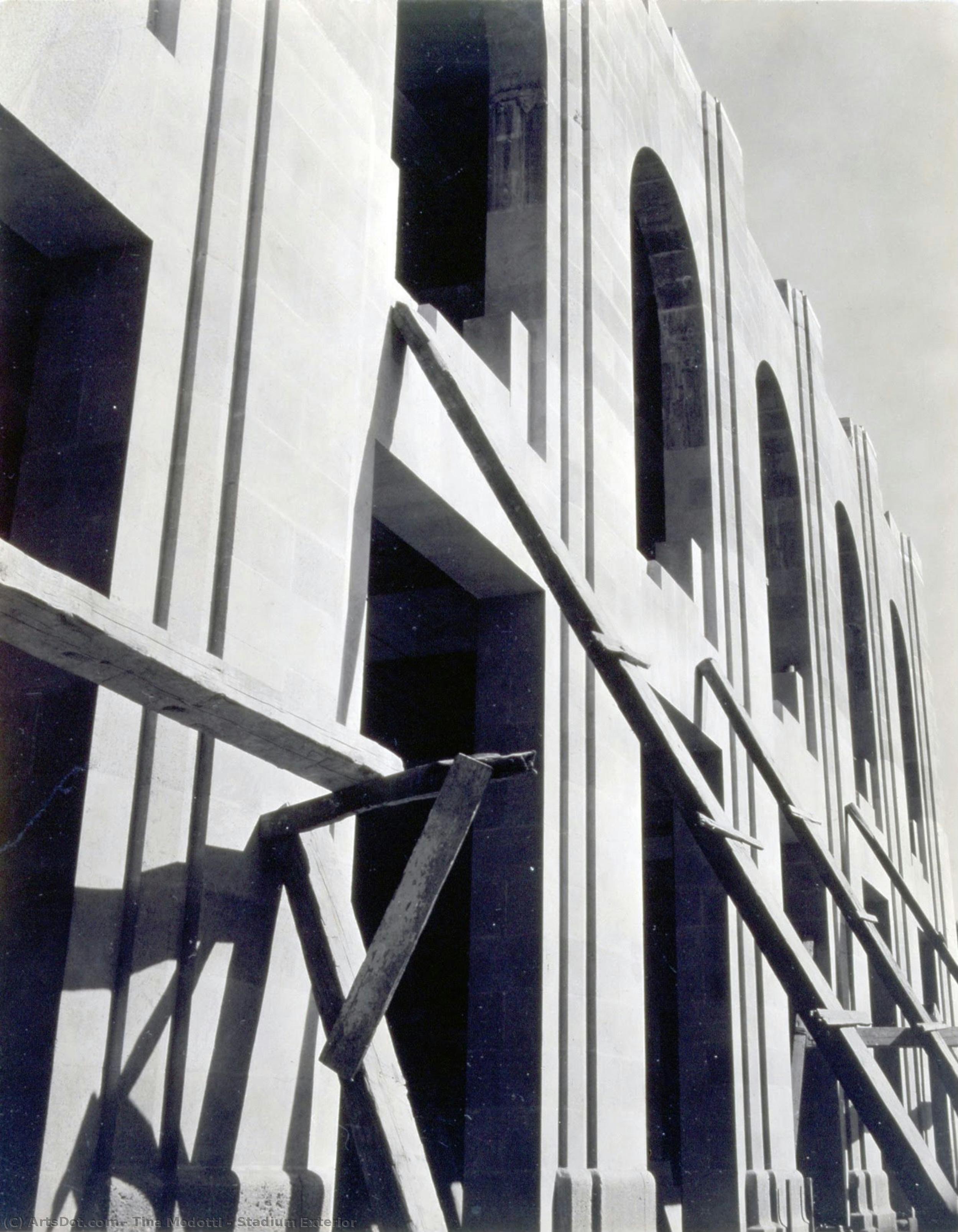
Stadium Exterior
 Digital Photography
- Photo
- Modernist Documentary Photography
 1927
1927- 19th Century
 24.0 x 18.0 cm
 Nagoya City Art Museum
 Citește mai mult
Giclée / Imprimare artistică
Printuri giclée sau pe canvas de calitate muzeală, cu proces de producție rapid și opțiuni flexibile de finisare. ( Comandă pictură realizată manual Treci la imagine digitală)




































Alegeți dintre dimensiunile noastre prestabilite, care respectă proporțiile originale ale operei de artă.

Puteți introduce propriile dimensiuni pentru a se potrivi unui anumit cadru sau spațiu. Dacă dimensiunea selectată nu corespunde proporțiilor imaginii originale, vom decupa lucrarea de artă sau vom extinde imaginea cu margini oglindite sau cu o culoare uniformă. Un mockup digital va fi trimis pentru aprobarea dumneavoastră înainte de începerea producției.
Vă rugăm să rețineți că previzualizarea de pe ecran nu reflectă decuparea sau extinderea reală. Doar mockup-ul va arăta cu exactitate compoziția finală.
Deși dimensiunile personalizate sunt disponibile, vă recomandăm să selectați o dimensiune din lista predefinită pentru a păstra proporțiile originale.
Livrare în întreaga lume () în 2 săptămâni, în loc de cele 4/5 săptămâni standard. (26 Septembrie)

Livrare expres gratuită la nivel mondial

Pânză de in premium

Asigurare completă pentru transport

Garanție de rambursare a taxelor vamale

Garanția fidelității culorilor

Politica de retur în 100 de zile (doar pentru defecte)

Garanție de rambursare 100%

Reducere pentru comenzi multiple
 Opțiunea cu sticlă este disponibilă doar pentru dimensiuni de sub 110 cm

Stadium Exterior
Giclée / Imprimare artistică
Dimensiune reproducere
-


Preț total
$ 80
Stadium Exterior by Tina Modotti: A Testament to Ambition and Transient Form
Tina Modotti’s “Stadium Exterior,” captured in 1927, is more than just a photograph of an under-construction stadium; it's a powerful meditation on human ambition, the relentless march of progress, and the inherent ephemerality of monumental structures. Executed in stark black and white, this image reveals Modotti’s masterful command of documentary photography and her keen eye for capturing not just visual details but also deeper symbolic resonances. The photograph speaks to a pivotal moment in Mexican history – a period of rapid modernization and social upheaval – reflecting Modotti's own engagement with the political landscape through her artistic practice.
- Architectural Precision & Modernist Style: The composition is dominated by vertical lines, meticulously rendered to emphasize the scale and imposing nature of the stadium. This reflects the burgeoning modernist aesthetic of the era, prioritizing geometric forms and a clear, rational approach to design – qualities evident in the clean lines of the scaffolding and the monumental arches.
- Raw Texture & Documentary Intent: Modotti’s deliberate use of texture is crucial. The rough brickwork, the weathered wood of the support beams, and the exposed metal of the scaffolding aren't merely accidental details; they are integral to the photograph’s narrative. They ground the image in a tangible reality, highlighting the strenuous labor involved in construction and conveying a sense of immediacy characteristic of documentary photography.
- A Low-Angle Perspective: The low-angle perspective dramatically alters our perception of the stadium, transforming it from a distant structure into an overwhelming presence. This technique amplifies its grandeur, creating a feeling of awe and perhaps even unease – mirroring the potential disruption caused by large-scale development projects.
The Context: Modotti’s Life & Political Engagement
Understanding “Stadium Exterior” requires acknowledging Tina Modotti's extraordinary life. Born in 1896 in Udine, Italy, she experienced firsthand the hardships of migrant labor before emigrating to San Francisco with her family. This early exposure to social inequality fueled her later political activism and informed her artistic choices. Her collaboration with Edward Weston in Mexico led to a significant shift in her photographic focus – moving beyond purely aesthetic concerns to document social realities and engage with revolutionary movements. The 1927 date is particularly important, coinciding with Modotti’s active involvement in the Communist Party of Mexico and her subsequent arrest following the failed assassination attempt on President Pascual Ortiz Rubio.
Symbolism & Emotional Resonance
The image resonates deeply with themes of progress versus destruction. The unfinished stadium represents a bold aspiration – a symbol of national pride and modernization – yet its very state of construction suggests fragility and impermanence. This duality is powerfully conveyed through the interplay of light and shadow, highlighting both the potential for greatness and the inevitable decay that accompanies human endeavors. Modotti’s work consistently sought to expose the tensions between these forces, reflecting a deeply critical perspective on power structures and social change.
Technical Details & Reproduction
This 24 x 18 cm print captures every nuance of Modotti's original vision. Executed with meticulous attention to detail – from the precise framing to the careful control of exposure – it exemplifies the technical skill that defined her work. OriginalUniqueArt offers a hand-painted reproduction of “Stadium Exterior” using archival quality materials, ensuring exceptional color fidelity and lasting beauty. This is more than just a print; it’s a faithful recreation of a seminal work by one of photography's most insightful chroniclers of the 20th century.
Biografie artist
A Life Forged in Light and Revolution
Assunta Adelaide Luigia Modotti Mondini, a name forever intertwined with the vibrant currents of the 20th century, was an artist whose life mirrored the era’s tumultuous shifts. Born in Udine, Italy, in 1896, her early years were shaped by the realities of itinerant labor—her family’s constant movement between Italy and Austria seeking work instilled within her a profound sensitivity to social disparities – a seed that would blossom into an unwavering commitment to justice. Even as a young girl, she found solace and inspiration in the art of photography through her uncle Pietro Modotti’s studio, a quiet introduction that ignited a passion which would ultimately define her creative journey. In 1913, at just sixteen years old, Tina bravely embarked on a new chapter, emigrating with her father and sister Mercedes to San Francisco, California, seeking opportunity in a world brimming with promise. This move wasn’t merely a geographical transition; it was the beginning of an intense exploration of identity, purpose, and a burgeoning artistic voice.From Stage Lights to Photographic Shadows
San Francisco quickly became Tina’s proving ground – a crucible where her diverse talents began to coalesce. She immersed herself in the city's thriving performing arts scene, captivating audiences with appearances in plays, operas, and even early silent films. This foray into acting honed her innate understanding of visual storytelling and the power of persona—skills that would prove invaluable as she developed her photographic style. It was during this period that she met Roubaix “Robo” de l'Abrie Richey, an artist and poet whose shared creative spirit ignited a passionate romance. Their combined artistic sensibilities led them to Los Angeles, where Tina continued to pursue acting while simultaneously dedicating herself to formal studies in photography under the tutelage of Edward Weston and Margrethe Mather. Weston’s influence was particularly profound; he instilled within her a rigorous dedication to sharp focus, precise composition, and an appreciation for the inherent beauty found in form – principles that would become hallmarks of her distinctive style. However, Modotti's artistic vision extended beyond mere technical mastery; she possessed an innate ability to capture the essence of her subjects, revealing their inner lives with remarkable sensitivity. The tragic loss of Robo and her father in 1922 proved a pivotal moment, prompting a decisive move with Weston to Mexico City – a decision that would irrevocably alter the trajectory of her life and art.Mexico: A Crucible of Art and Activism
Mexico City became more than just a new home for Tina Modotti; it was a transformative crucible where her artistic talent fused seamlessly with an unwavering commitment to social justice. Immersing herself in Mexican culture, she quickly aligned herself with the burgeoning communist movement and joined International Red Aid, dedicating herself tirelessly to the cause of supporting workers and marginalized communities. This political engagement profoundly shaped her photographic work, shifting its focus from purely aesthetic considerations to a powerful form of documentary realism – a means of bearing witness to the struggles and resilience of ordinary people. She began documenting the lives of Mexican peasants, factory workers, and indigenous communities, capturing their dignity and strength with an unflinching eye. Simultaneously, she became a devoted chronicler of Mexico’s vibrant artistic landscape, meticulously photographing the monumental murals of José Clemente Orozco and Diego Rivera – images that served as both historical records and powerful statements about national identity. Modotti's style during this period was characterized by its stark clarity, dramatic lighting, and an intensely empathetic gaze, creating photographs that were not only visually arresting but also deeply imbued with social commentary.Key Works & Influence
Tina Modotti’s artistic legacy extends far beyond the striking beauty of her photographs; she masterfully blended modernist aesthetics with a profound commitment to documentary photography, forging a unique style that was both innovative and socially conscious. Her portraits weren't merely likenesses—they were intimate explorations of character, revealing the strength, vulnerability, and humanity of her subjects. Notable works include:- Peasant Rally with Backs (1928): A powerful depiction of collective identity during wartime, showcasing Modotti’s mastery of composition and grayscale tones to convey a sense of both unity and underlying tension.
- Mother and Child, Tehuantepec, Oaxaca, Mexico (c. 1929): An intimate portrait capturing the tenderness and resilience of motherhood within a specific cultural context – a testament to her ability to connect with her subjects on a deeply human level.
- Roses, Mexico (c. 1925-1930): A striking close-up study of roses, demonstrating Modotti’s capacity for finding beauty and symbolism in the most ordinary of subjects – an exploration of form, color, and texture that reveals her artistic ingenuity.
- Woman of Tehuantepec (1929): An iconic image celebrating the traditional dress and cultural identity of women from Tehuantepec, Oaxaca—a powerful assertion of female strength and heritage.
A Legacy of Vision and Commitment
Tina Modotti’s untimely death in Mexico City in 1942, under circumstances shrouded in mystery—widely believed to be the result of poisoning—cut short a promising career but could not diminish the enduring power or relevance of her vision. Her photographs continue to resonate today, reminding us of the importance of bearing witness and using art as a force for justice – a testament to the lasting impact of an artist who dared to challenge conventions and champion the cause of social change.
Tina Modotti
1896 - 1942 , Italia
Informații rapide
- Artistic Movement Or Style: Realism social și modernism
- Artists Or Movements Influenced By This Artist: ['Orozco Clemente']
- Artists Who Influenced This Artist: ['Weston Edward']
- Date Of Birth: 16/17 Aug 1896
- Date Of Death: 5 Jan 1942
- Full Name: Tina Modotti
- Nationality: Italian-Americană
- Notable Artworks:
- Rallyu cu spatele
- Mamă și copil
- Place Of Birth: Udine, Italia
Articole conexe

Beyond the Lens: Photography's Enduring Influence on Modern & Contemporary Art
Explore photography's pivotal role in shaping modern & contemporary art. Discover key movements, influential artists like Stieglitz, and expert collecting advice from OriginalUniqueArt.
Beyond Color: The Timeless Power and Artistry of Black and White Photography
Explore the profound artistry of black and white photography. From the chemistry of gelatin silver to the chiaroscuro of the Old Masters, discover how monochrome captures the eternal essence of light, form, and emotion for the discerning art collector.
Timeless Shadows: The Artistry, History, and Emotional Resonance of Black and White Photography
Explore the profound artistry of black and white photography. From historical mastery to the interplay of light and shadow, discover how monochrome captures timeless emotion and form through a sophisticated lens of art history.

Top 10 Tablouri Celebre Dominante de Negru: Artă, Istorie și Decor Rafinat
Descoperă Top 10 tablouri celebre dominate de negru! Explorează istoria, simbolismul și tehnicile artistice ale unor opere iconice de Rembrandt, Goya și alți maeștri. Reproduceri de artă de calitate muzeală pe OriginalUniqueArt.com – inspiră-ți decorul!

Monochrome Visions: Exploring the Aesthetic & Historical Significance of Black & White Photography
Explore the rich history & artistic power of black and white photography. From early techniques to iconic masters like Ansel Adams, discover why monochrome continues to captivate art lovers today. Expert insights for collectors.
