

 Vezi în context
 Trimite
 Distribuie
 Detalii
 Ghidul

 Descarcă
 Produse similare
 Radiografie
 Diaporama
 Statistici
Waiting
 Contemporary Realism
 1881
1881 36.0 x 31.0 cm
 Harris Museum - Art Gallery
 Citește mai mult
Giclée / Imprimare artistică
Printuri giclée sau pe canvas de calitate muzeală, cu proces de producție rapid și opțiuni flexibile de finisare. ( Comandă pictură realizată manual Treci la imagine digitală)




































Alegeți dintre dimensiunile noastre prestabilite, care respectă proporțiile originale ale operei de artă.

Introduceți lățimea și înălțimea de care aveți nevoie, pentru a se potrivi ramei sau peretelui dumneavoastră. O printare poate fi doar tăiată, niciodată extinsă dincolo de dimensiunea imaginii originale, astfel încât o dimensiune cu o formă diferită va pierde o parte din imagine. Vă trimitem o simulare digitală pentru aprobare înainte de a imprima orice. Imaginea afișată pe această pagină nu prezintă tăierea reală — doar simularea arată acest lucru.
Livrare în întreaga lume () în 2 săptămâni, în loc de cele 4/5 săptămâni standard. (24 Octombrie)

Livrare expres gratuită la nivel mondial

Pânză de in premium

Asigurare completă pentru transport

Garanție de rambursare a taxelor vamale

Garanția fidelității culorilor

Politica de retur în 100 de zile (doar pentru defecte)

Garanție de rambursare 100%

Reducere pentru comenzi multiple
 Opțiunea cu sticlă este disponibilă doar pentru dimensiuni de sub 110 cm

Waiting
Giclée / Imprimare artistică
Dimensiune reproducere
-


Preț total
lei 370
A Glimpse into the Artist's Style
Thomas Wade's style is characterized by his attention to detail and ability to convey a sense of calmness in his subjects. In "Waiting", we see an older man sitting in a chair, smoking a pipe, and lost in thought. The scene is set in a cozy room with a dining table and chairs nearby, suggesting a sense of comfort and familiarity. Key Elements of the painting include:- The use of warm colors to create a sense of intimacy and relaxation
- The subtle expression on the subject's face, conveying a sense of contemplation
- The careful placement of objects in the scene, such as the cups and chairs, to create a sense of depth and context
Exploring the Artist's Works
Thomas Wade has created several notable works, including Sailing Feathers and "Come whoam to thi childer an' me". These paintings showcase the artist's range and ability to capture a variety of subjects and emotions.For those interested in learning more about Thomas Wade and his works, the Harris Museum - Art Gallery is a valuable resource. The museum's collection includes several of the artist's paintings, as well as information about his life and style. Visit The Harris Museum - Art Gallery to discover more about this talented artist and his contributions to the world of art.
Întrebări și răspunsuri
Cum pot descoperi opere de artă similare cu "Waiting" de Thomas Wade?
Pagina Lucrări similare pentru "Waiting" de Thomas Wade prezintă opere de artă similare.
Există o prezentare de diapozitive pentru "Waiting" de Thomas Wade?
Este disponibil un diaporama: pagina Diapozitive pentru "Waiting" de Thomas Wade.
Este "Waiting" liber de drepturi de autor?
În ceea ce privește drepturile de autor, "Waiting" este în domeniul public - drepturile de autor au expirat.
Biografie artist
A Life Etched in Shadow and Light: The Remarkable Story of Thomas Wade
The name Thomas Wade resonates with a peculiar blend of artistic talent and societal anomaly. Born in London in 1828, his story is far from the typical trajectory of a Victorian painter. While he achieved considerable recognition for his portraits and scenes of everyday life, Wade’s past was shrouded in secrecy – a secret revealed only after years: he was a transported convict. This duality—the refined skill of an artist juxtaposed with the stigma of penal servitude—makes him a uniquely compelling figure in 19th-century British art history. His early life remains largely undocumented, obscured by the circumstances that led to his conviction for forgery at the age of just nineteen. Sentenced to fourteen years of transportation, he arrived in Van Diemen’s Land (Tasmania) in 1847 aboard the *Lord Auckland*. It was here, amidst the harsh realities of colonial life, that Wade's artistic journey truly began to unfold.From Forgery to Fine Art: A Transformation in Tasmania
Initially employed as a clerk, Wade’s exceptional drawing skills soon became apparent. He quickly gained favour with officials and secured commissions for portraits of prominent colonists and their families. This was no mere survival tactic; Wade possessed genuine artistic ability. His style, heavily influenced by the American portraitist Thomas Sully, emphasized elegance, refinement, and a meticulous attention to detail. He mastered oil painting techniques, capturing not only likenesses but also the character and social standing of his sitters. The irony is striking: a man convicted for creating false documents found success in producing images valued for their authenticity and representation of status. His Tasmanian period (1847-1853) saw him become the most sought-after portrait painter in the colony, documenting the emerging colonial society with an impressive body of work. He wasn’t simply replicating faces; he was building a visual record of a new world, and his talent allowed him access to circles that would have otherwise been closed to a convict.Return to London and Continued Success
In 1853, Wade received a conditional pardon and returned to London. He re-established himself as a professional artist, exhibiting at the Royal Society of British Artists and other prestigious venues. His past remained largely concealed, allowing him to navigate Victorian society without the burden of his criminal record. While he continued to paint portraits – often depicting middle-class families and individuals – Wade also branched out into genre scenes, capturing moments from daily life with a keen eye for narrative detail. These works, though less celebrated than his portraiture, reveal a broader artistic sensibility and an interest in social observation. He skillfully adapted his style to meet the demands of the London art market, producing paintings that were both technically accomplished and commercially viable. His ability to blend Sully’s influence with a distinctly Victorian aesthetic ensured continued patronage.Legacy and Historical Significance
Thomas Wade's legacy is multifaceted. He stands as a testament to the transformative power of art, demonstrating how creativity can flourish even in the most challenging circumstances. His story challenges conventional notions of artistic genius and raises questions about redemption, social mobility, and the enduring impact of the past. The rediscovery of his convict origins in recent decades has added another layer of complexity to his biography, prompting a reassessment of his work within the broader context of colonial history and penal justice.- Artistic Style: Primarily influenced by Thomas Sully, characterized by elegance, refinement, meticulous detail, and a focus on capturing likenesses and social status.
- Key Themes: Portraiture of prominent colonists (Tasmania), middle-class families (London), scenes from daily life, narrative detail.
- Historical Context: Colonial Australia, Victorian society, penal transportation system, the art market in 19th-century Britain.
- Unique Contribution: Documenting colonial Australian society through portraiture; overcoming a criminal past to achieve artistic success; blending artistic skill with social observation.

Thomas Wade
1828 - 1891
Articole conexe
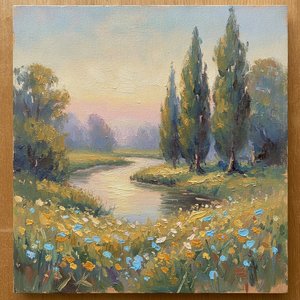
The Timeless Charm of Oil on Board: Reimagining Texture and Light through the Impressionist Lens
Discover the profound intimacy of oil on panel. Explore how Impressionist masters used rigid supports to capture light, texture, and impasto depth through exquisite, handmade oil reproductions for discerning collectors.

The Enduring Legacy of Oil on Canvas: Technique, History & Aesthetic Impact
Explore the rich history & techniques of oil painting – from Renaissance masters to Impressionism. Discover pigments, layering methods, and why this timeless medium endures. Expert insights for artists & art enthusiasts.

Oil on Canvas: A Historical & Technical Exploration of a Timeless Artistic Medium
Explore the rich history & enduring techniques of oil painting on canvas. Discover the science behind its longevity, conservation practices, and contemporary relevance. Expert insights for art enthusiasts.
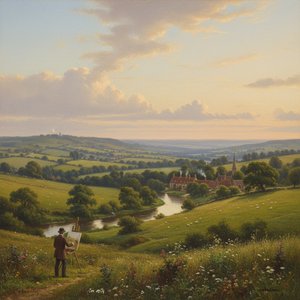
Edward Wilkins Waite: A Victorian Vision of Surrey's Serene Landscapes & Artistic Legacy
Explore the serene landscapes of Edward Wilkins Waite (1854-1924), a prolific Victorian painter celebrated for his depictions of Surrey's countryside. Discover his artistic influences, career highlights & collecting guide.

The Enduring Power of Painting: A Historical & Contemporary Exploration of Form and Emotion
Explore the rich history & enduring techniques of oil painting with OriginalUniqueArt. Discover masterpieces, learn about art collecting, and find authentic handmade reproductions crafted by skilled artists.