
 Vezi în context
 Trimite
 Distribuie
 Detalii
 Ghidul

 Descarcă
 Produse similare
 Radiografie
 Diaporama
 Statistici
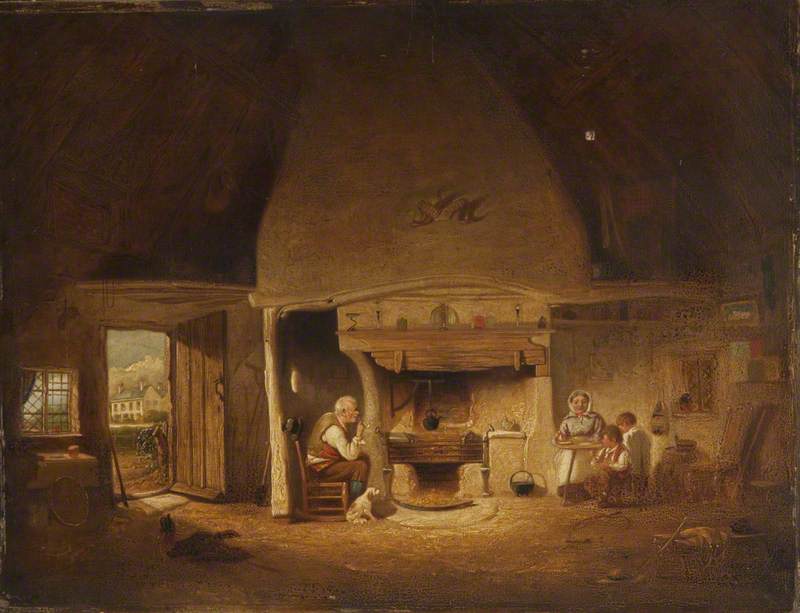
Cottage Interior
 Contemporary Realism
 38.0 x 48.0 cm
 Harris Museum - Art Gallery
 Citește mai mult
Achiziționați o imagine digitală de înaltă rezoluție, îmbunătățită, mult superioară previzualizării online.
Fiecare fișier este pregătit cu meticulozitate de specialiștii noștri interni, utilizând instrumente avansate și retușare manuală expertă. Ne asigurăm că fiecare imagine beneficiază de o claritate excepțională, o acuratețe precisă a culorilor și detalii fine.
Fișierul final este livrat prin e-mail în termen de 72 de ore, optimizat pentru utilizare imediată în medii profesionale, editoriale și de imprimare. Aceasta este aceeași calitate în care au încredere studiouri de design, edituri și galerii de top.
Imagine Digitală
Descărcați un fișier la rezoluție înaltă pentru afișare personală, imprimare și proiecte creative. ( Comută pe versiunea Print Comandă pictură realizată manual)
Inclus în fiecare comandă de imagini digitale
Livrare digitală de expertiză, garantată
Când alegeți OriginalUniqueArt.com, nu primiți doar o simplă imagine – primiți o operă de artă digitală îmbunătățită profesional, creată cu precizie și susținută de o garanție de satisfacție. Iată tot ceea ce primești odată cu comanda ta, în mod automat:

Livrare rapidă prin e-mail
Fișierul imaginii digitale la rezoluție înaltă vă va fi trimis prin e-mail în termen de 72 de ore de la finalizarea comenzii – gata pentru utilizare imediată.

Fișier digital optimizat prin IA
Opera ta de artă este optimizată profesional prin intermediul unor instrumente AI avansate și al editării manuale, asigurând un nivel maxim de detalii, claritate și acuratețe a culorilor.

Retransmitere gratuită pe viață
Ai șters sau ai pierdut din greșeală fișierul? Nu îți face griji – ți-l vom retrimite oricând, gratuit.

Fără taxe de import – Întotdeauna
Bucură-te instant de noua ta operă de artă, fără taxe vamale, taxe de import sau costuri de livrare – descărcările digitale sunt întotdeauna fără taxe.

Garanția fidelității culorilor
Asigurăm o reflectare cât mai fidelă a culorilor originale în imaginea ta digitală, prin utilizarea unor instrumente profesionale și a proceselor de gestionare a culorii.

Garanție de satisfacție de 100 de zile
Dacă nu sunteți mulțumit de imaginea digitală achiziționată, o vom revizui sau vă vom returna 100% în termen de 100 de zile – fără nicio întrebare.

Garanție de returnare 100% a banilor
Nu ești mulțumit? Primești rambursarea integrală în termen de 100 de zile de la primirea fișierului digital – fără nicio întrebare.

Reduceri pentru comenzi în volum
Cumpără 3 imagini, economisește 10% - Cumpără 5, economisește 15% - Cumpără 10+, economisește 20%. Ideal pentru proiecte creative, galerii și agenții.
Biografie artist
A Life Etched in Shadow and Light: The Remarkable Story of Thomas Wade
The name Thomas Wade resonates with a peculiar blend of artistic talent and societal anomaly. Born in London in 1828, his story is far from the typical trajectory of a Victorian painter. While he achieved considerable recognition for his portraits and scenes of everyday life, Wade’s past was shrouded in secrecy – a secret revealed only after years: he was a transported convict. This duality—the refined skill of an artist juxtaposed with the stigma of penal servitude—makes him a uniquely compelling figure in 19th-century British art history. His early life remains largely undocumented, obscured by the circumstances that led to his conviction for forgery at the age of just nineteen. Sentenced to fourteen years of transportation, he arrived in Van Diemen’s Land (Tasmania) in 1847 aboard the *Lord Auckland*. It was here, amidst the harsh realities of colonial life, that Wade's artistic journey truly began to unfold.From Forgery to Fine Art: A Transformation in Tasmania
Initially employed as a clerk, Wade’s exceptional drawing skills soon became apparent. He quickly gained favour with officials and secured commissions for portraits of prominent colonists and their families. This was no mere survival tactic; Wade possessed genuine artistic ability. His style, heavily influenced by the American portraitist Thomas Sully, emphasized elegance, refinement, and a meticulous attention to detail. He mastered oil painting techniques, capturing not only likenesses but also the character and social standing of his sitters. The irony is striking: a man convicted for creating false documents found success in producing images valued for their authenticity and representation of status. His Tasmanian period (1847-1853) saw him become the most sought-after portrait painter in the colony, documenting the emerging colonial society with an impressive body of work. He wasn’t simply replicating faces; he was building a visual record of a new world, and his talent allowed him access to circles that would have otherwise been closed to a convict.Return to London and Continued Success
In 1853, Wade received a conditional pardon and returned to London. He re-established himself as a professional artist, exhibiting at the Royal Society of British Artists and other prestigious venues. His past remained largely concealed, allowing him to navigate Victorian society without the burden of his criminal record. While he continued to paint portraits – often depicting middle-class families and individuals – Wade also branched out into genre scenes, capturing moments from daily life with a keen eye for narrative detail. These works, though less celebrated than his portraiture, reveal a broader artistic sensibility and an interest in social observation. He skillfully adapted his style to meet the demands of the London art market, producing paintings that were both technically accomplished and commercially viable. His ability to blend Sully’s influence with a distinctly Victorian aesthetic ensured continued patronage.Legacy and Historical Significance
Thomas Wade's legacy is multifaceted. He stands as a testament to the transformative power of art, demonstrating how creativity can flourish even in the most challenging circumstances. His story challenges conventional notions of artistic genius and raises questions about redemption, social mobility, and the enduring impact of the past. The rediscovery of his convict origins in recent decades has added another layer of complexity to his biography, prompting a reassessment of his work within the broader context of colonial history and penal justice.- Artistic Style: Primarily influenced by Thomas Sully, characterized by elegance, refinement, meticulous detail, and a focus on capturing likenesses and social status.
- Key Themes: Portraiture of prominent colonists (Tasmania), middle-class families (London), scenes from daily life, narrative detail.
- Historical Context: Colonial Australia, Victorian society, penal transportation system, the art market in 19th-century Britain.
- Unique Contribution: Documenting colonial Australian society through portraiture; overcoming a criminal past to achieve artistic success; blending artistic skill with social observation.

Thomas Wade
1828 - 1891