Meniu
CONSULTAȚIE GRATUITĂ DE ARTĂ
PrevizualizarePrevizualizare Previzualizare ARPrevizualizare AR Comandă printul Comandă printulCumpără imaginea Cumpără imaginea TrimiteTrimite
Detalii despre lucrareDetalii despre lucrare Adaugă la favorite Adaugă la favorite DescarcăDescarcă Produse similareProduse similare RadiografieRadiografie Diapozitive automateDiapozitive automate

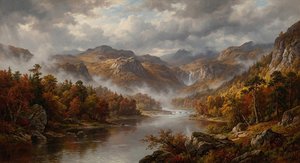
Cliffs of Green River

Explore Thomas Moran’s ‘Cliffs of Green River,’ a stunning 1874 landscape painting capturing the grandeur of Wyoming's red rock formations. A masterpiece of the Hudson River School.

Descoperiți peisajele spectaculoase ale Vestului American cu Thomas Moran (1837-1926). Un pionier al Școlii Hudson, renumit pentru realism detaliat și imagini romantice ale Munților Rocky, Yellowstone și Grand Canyon.

Reproducere pictată manual în ulei

Pictură în ulei pe pânză, realizată manual de artiștii noștri la dimensiunea și ramele dorite de dumneavoastră, pe comandă. (Comandă printul Comandă printulCumpără imaginea Cumpără imaginea)

P118B $10
P118H $10
P118W $10
P438Z $10
P508JH $12
P508YH $12
P805H $10
P805Z $10
P919BZ $10
P919G $10
P919XJ $10
P959ZH $10
P968JZ $12
W106C $8
W218G $10
W218JH $8
W218Y $10
W307PJ $10
W316G $10
W316PJ $8
W316Y $10
W398PJ $8
W4111J $10
W500HY $15
W500JH $15
W692G $12
W849H $8
W940BG $15
W953PJ $8

Standard
custom
CM
INCH

Alegeți dintre dimensiunile noastre prestabilite, care respectă proporțiile originale ale operei de artă.

lățime
înălțime

Puteți introduce propriile dimensiuni pentru a se potrivi unui anumit cadru sau spațiu. Dacă dimensiunea selectată nu corespunde proporțiilor imaginii originale, vom decupa opera de artă sau vom extinde pictura cu elemente suplimentare pictate manual. O simulare digitală vă va fi trimisă pentru aprobare înainte de începerea producției.
Vă rugăm să rețineți că previzualizarea de pe ecran nu reflectă decuparea sau extinderea reală. Doar macheta va arăta cu exactitate compoziția finală.
Deși sunt disponibile dimensiuni personalizate, vă recomandăm să selectați o dimensiune din lista predefinită pentru a păstra proporțiile originale.

Exemple de elemente ce pot fi personalizate: Înlocuiți fața cu fotografia clientului; Adăugați un animal de companie (de exemplu, înlocuiți pisica cu un câine); Includeți un mesaj ascuns în fundal; Schimbați peisajul sau elementele din fundal.
După plasarea comenzii, echipa OriginalUniqueArt.com va contacta clientul prin e-mail pentru instrucțiuni și îi va furniza o previzualizare a machetei

Livrare în întreaga lume () în 3-4 săptămâni, în loc de cele 5 săptămâni standard. (16 August). Fără compromisuri în ceea ce privește calitatea.

why_choose_icon
Livrare expres gratuită la nivel mondial
why_choose_icon
Pânză de in de înaltă calitate
why_choose_icon
Asigurare completă pentru transport
why_choose_icon
Garanție de rambursare a taxelor vamale
why_choose_icon
Garanția fidelității culorilor
why_choose_icon
Politica de retur în 60 de zile (doar pentru defecte)
why_choose_icon
Garanție de rambursare 100%
why_choose_icon
Ofertă pentru comenzi multiple

Preț total

$ 350

reproduction

Cliffs of Green River

Tehnică de reproducere

Dimensiune reproducere

-

Preț total calculat

$ 350

Descriere operă de artă

Thomas Moran’s *Cliffs of Green River*: A Window into the American West

Thomas Moran's 1874 painting, *Cliffs of Green River*, is more than just a depiction of a dramatic landscape; it’s a powerful testament to the burgeoning fascination with the American West and a masterful example of the Hudson River School’s approach to capturing the sublime. Executed in oil on canvas, this piece transports the viewer directly to the rugged beauty of Wyoming, offering a glimpse into a world of exploration, adventure, and the raw power of nature – themes that resonated deeply with a nation eager to define its identity.

  • Subject Matter: The painting centers around the imposing cliffs of the Green River gorge, rendered with meticulous detail. A prominent mountain dominates the background, while a small party of figures on horseback navigate the riverbank in the foreground, emphasizing the scale and grandeur of the landscape.
  • Historical Context: Created during a period of intense westward expansion, *Cliffs of Green River* reflects the growing interest in documenting and celebrating the natural wonders of the American West. Moran’s work was instrumental in shaping public perception of these landscapes, contributing to their eventual protection as national parks.

A Symphony of Light and Color: Technique and Style

Moran's artistic skill is immediately apparent in his masterful use of light and color. The painting employs atmospheric perspective – a technique perfected by the Hudson River School – to create a convincing illusion of depth. Distant elements are rendered in paler, less defined tones, while those closer to the viewer possess richer, more vibrant hues. This creates a sense of vastness and emphasizes the immense scale of the cliffs.

  • Oil Paint Technique: Moran utilized layering brushstrokes to build up form and create a palpable sense of texture. The smooth surfaces of the water and sky contrast sharply with the rough, textured depiction of the mountainside and foliage.
  • Color Palette: The color palette – dominated by browns, greens, blues, and grays – accurately reflects the geological features of the Green River region. Highlights of white and yellow are strategically placed to capture the brilliance of sunlight reflecting off the water and sky.

Symbolism and Emotional Impact

*Cliffs of Green River* transcends a simple landscape painting; it’s imbued with symbolic meaning. The figures on horseback represent humanity's ambition, exploration, and interaction with the natural world. The sheer scale of the cliffs evokes a sense of awe and humility, reminding us of our place within the vastness of nature. The scene speaks to the romantic ideal of the West – a frontier brimming with potential and adventure.

  • The Sublime: The painting embodies the concept of the “sublime,” as explored by philosophers like Edmund Burke, evoking feelings of both terror and admiration in the viewer.
  • Voyage and Discovery: The composition suggests a journey – a visual narrative of exploration and discovery that was central to the American experience during this period.

Dimensions & Reproduction Details

This exceptional artwork, *Cliffs of Green River*, is presented as an 115 x 63 cm hand-painted reproduction, meticulously crafted to capture every nuance of Moran’s original vision. Each detail, from the rugged texture of the cliffs to the shimmering reflection on the river, is faithfully reproduced using archival quality materials ensuring a timeless piece for your home or office.


Biografie artist

A Pioneer of the American West

Thomas Moran, born in Bolton, England, in 1837, wasn’t destined for a life steeped in the rugged beauty of the American landscape he would come to immortalize. His family's emigration to the United States in 1844, seeking opportunity and escaping the burgeoning industrialization of their homeland, proved pivotal. This early transatlantic journey instilled within young Moran a lifelong fascination with the sea – a theme that subtly echoed throughout his later depictions of landlocked vistas. Initially apprenticed as a wood engraver in Philadelphia, he quickly discovered his true calling lay not in replicating images but creating them. The meticulous detail demanded by engraving honed his observational skills, yet it was the burgeoning world of watercolor and the influence of artists like J.M.W. Turner that truly ignited his artistic spirit. Moran’s brother, Edward, also a marine artist, provided early collaboration and support, sharing studio space and fostering a shared dedication to their craft. This familial bond laid the foundation for a career that would redefine how America saw itself – and its western territories.

The Hudson River School and Beyond

Moran’s artistic development was deeply intertwined with the Hudson River School, though he ultimately transcended its conventions. While inheriting their reverence for nature and dramatic use of light and shadow, Moran brought a unique perspective shaped by his own experiences and an evolving American identity. The Hudson River School painters often focused on taming the wilderness, presenting it as a benevolent space ripe for cultivation. Moran, however, captured the West’s untamed grandeur with a sense of awe and respect that bordered on reverence. His style blended meticulous realism with romantic idealism, creating scenes that were both visually stunning and emotionally resonant. He wasn't merely documenting landscapes; he was crafting myths – visions of a land brimming with potential and spiritual significance. The influence of Turner is undeniable in Moran’s work—the swirling skies, the atmospheric perspective, and the emphasis on light as a transformative force all bear witness to this artistic debt. Yet, Moran infused these techniques with an American sensibility, focusing on the unique geological formations and vast scale of the Western territories. His paintings weren't simply representations of place; they were statements about national pride, environmental stewardship, and the power of art to influence public opinion.

Documenting a Nation’s Expansion

Moran’s career reached its zenith during a period of intense national expansion and exploration. In 1871, he joined a government-sponsored expedition to Yellowstone, an area largely unknown to most Americans. The sketches and paintings that emerged from this journey were nothing short of revelatory. His monumental canvas, *The Grand Canyon of the Yellowstone*, purchased by the U.S. government for $10,000 – a staggering sum at the time – played a crucial role in galvanizing public support for establishing Yellowstone as the nation’s first national park in 1872. This wasn't simply artistic achievement; it was an act of conservation advocacy. Moran’s art didn’t just reflect the beauty of the West, it actively shaped its preservation. He continued to document other significant landscapes, including the Colorado River and the Grand Canyon, further solidifying his reputation as the premier painter of the American West. His work became synonymous with the spirit of exploration and the promise of a new frontier.

Key Works & Recognition

  • The Grand Canyon of the Yellowstone (1872): A pivotal painting instrumental in establishing Yellowstone National Park.
  • Chasm of the Colorado (1873-74): Showcasing the immense scale and dramatic beauty of the Grand Canyon.
  • Mountain of the Saints, Jackson Hole, Wyoming (1895): Demonstrating his mastery of atmospheric perspective and light.
  • Numerous sketches and watercolors documenting expeditions to Yellowstone, Colorado, and other Western territories.
Moran’s influence extends beyond specific paintings. He helped establish a visual language for understanding and appreciating the American West, fostering a sense of national identity rooted in its natural wonders. His work remains a testament to the power of art to shape perceptions, inspire conservation efforts, and celebrate the enduring beauty of the world around us.

Legacy and Enduring Influence

Thomas Moran’s contributions extend far beyond his breathtaking canvases. He helped to define America's visual identity, shaping how generations perceived their own landscape. His paintings weren’t just representations of place; they were statements about national pride, environmental stewardship, and the power of art to influence public opinion. His legacy continues to inspire artists today, and his works remain highly sought after by museums and collectors worldwide. The Smithsonian American Art Museum, among many others, proudly displays his masterpieces, ensuring that his vision endures for future generations. While often categorized within the Hudson River School or the Rocky Mountain School, Moran’s artistic voice was distinctly his own—a powerful blend of observation, imagination, and a deep reverence for the natural world. He passed away in Santa Barbara, California, in 1926, leaving behind a body of work that continues to captivate and inspire, reminding us of the enduring beauty and fragility of the American West.
Thomas Moran

Thomas Moran

1837 - 1926 , Marea Britanie

Detalii rapide

  • Artistic Movement Or Style: Hudson River School
  • Artists Or Movements Influenced By This Artist: ['Rocky Mountain School']
  • Artists Who Influenced This Artist:
    • Turner
    • Cole
  • Date Of Birth: 12 Feb 1837
  • Date Of Death: 25 Aug 1926
  • Full Name: Thomas Moran
  • Nationality: American
  • Notable Artworks:
    • Grand Canyon
    • Chasm Colorado
  • Place Of Birth: Bolton, Anglia