

 Previzualizare
 Trimite prin felicitare
 Distribuie
 Detalii despre lucrare
 Ghid
Ghid

 Descarcă imaginea
 Produse similare
 Radiografie
 Galerie foto
 Q&A
Q&A Statistici
Instruments of Power
 Acrylic On Canvas
- WallArt
- Regionalist Painting
 1931
1931- 19th Century
 234.0 x 406.0 cm
 Muzeul Metropolitan de Artă
 Vezi mai mult
Lucrarea de artă afișată pe această pagină este protejată de legile privind drepturile de autor, ceea ce înseamnă că nu putem crea sau vinde în mod legal o reproducere identică. Această protecție este garantată prin acorduri internaționale, precum Convenția de la Berna și de legile naționale, inclusiv cele prevăzute de Legea dreptului de autor din S.U.A. – Titlul 17. Toate drepturile rezervate. Orice reproducere neautorizată este interzisă.
Această metodă respectă pe deplin reglementările privind drepturile de autor, deoarece nu implică copierea sau duplicarea operei protejate. În schimb, este o reinterpretare creativă – o pictură nouă, influențată de original, dar care nu este identică cu acesta.
Giclée / Imprimare artistică
Printuri giclée sau pe canvas de calitate muzeală, cu proces de producție rapid și opțiuni flexibile de finisare. ( Comandă pictură realizată manual Comută pe Imagine Digitală)




P118B lei10

P118H lei10

P118W lei10

P438Z lei10

P508JH lei12

P508YH lei12

P805H lei10

P805Z lei10

P919BZ lei10

P919G lei10

P919XJ lei10

P959ZH lei10

P968JZ lei12

W106C lei8

W218G lei10

W218JH lei8

W218Y lei10

W307PJ lei10

W316G lei10

W316PJ lei8

W316Y lei10

W398PJ lei8

W4111J lei10

W500HY lei15

W500JH lei15

W692G lei12

W849H lei8

W940BG lei15

W953PJ lei8




Alegeți dintre dimensiunile noastre prestabilite, care respectă proporțiile originale ale operei de artă.

Introduceți lățimea și înălțimea necesare pentru a se potrivi ramei sau peretelui dumneavoastră. O printare poate fi doar tăiată, niciodată extinsă dincolo de dimensiunea imaginii originale, astfel încât o dimensiune cu o formă diferită va pierde o parte din imagine. Vă trimitem o simulare digitală pentru aprobare înainte de a imprima orice. Imaginea afișată pe această pagină nu prezintă tăierea reală — doar simularea arată acest lucru.
Livrare în întreaga lume () în 2 săptămâni, în loc de cele 4/5 săptămâni standard. (29 Octombrie)

Livrare expres gratuită la nivel mondial

Pânză de in de înaltă calitate

Asigurare completă pentru transport

Garanție de rambursare a taxelor vamale

Garanția fidelității culorilor

Politica de retur în 100 de zile (doar pentru defecte de fabricație)

Garanție de rambursare 100%

Ofertă pentru comenzi multiple
 Opțiunea cu sticlă este disponibilă doar pentru dimensiuni de sub 110 cm

Instruments of Power
Giclée / Imprimare artistică
Dimensiune reproducere
-


Preț total calculat
lei 372
The Looming Machinery of Progress
Thomas Hart Benton's “Instruments of Power” isn’t merely a depiction of trains and airplanes; it’s a visceral declaration of America’s burgeoning industrial dominance in the early 20th century. Painted in 1931, during a period of immense social and economic upheaval – just before the full force of the Great Depression would hit – the painting captures a sense of both exhilarating advancement and unsettling mechanization. The sheer scale of the artwork, measuring an impressive 234 x 406 cm, immediately commands attention, drawing the viewer into a dynamic scene teeming with activity and symbolic weight. The train, a powerful locomotive cutting through a tunnel, represents not just transportation but also the relentless march of progress, pushing forward into the unknown. The smoke billowing from its engine is a visual metaphor for the energy – both productive and potentially destructive – unleashed by industrialization.
Regionalism Meets Modernity: Benton’s Unique Style
Benton was a pivotal figure in the Regionalist movement, deliberately rejecting European artistic trends in favor of portraying distinctly American subjects and experiences. “Instruments of Power” exemplifies this approach perfectly. While rooted in the traditions of mural painting – particularly the influence of Renaissance masters like Raphael and Michelangelo – Benton infused his work with a bold, almost aggressively direct style. His figures are powerfully rendered, often exaggerated in size and gesture, conveying a sense of urgency and dynamism. The use of flattened perspective and simplified forms, reminiscent of folk art, further emphasizes the American spirit. Notice how he employs a vibrant color palette—rich reds, blues, and yellows—to inject energy into the scene, contrasting sharply with the muted tones often associated with European realism.
Decoding the Symbols: Gears, Clocks, and the Pursuit of Power
Beyond the obvious imagery of trains and aircraft, “Instruments of Power” is laden with symbolic details. The prominent clock, a recurring motif in Benton’s work, represents time itself – the relentless passage of progress and the pressure to achieve. Scattered throughout the composition are gears, pulleys, and other mechanical devices, meticulously rendered to highlight the intricate workings of industrial machinery. These aren't simply decorative elements; they represent the complex systems that underpin America’s economic power. The inclusion of a telegraph wire suggests rapid communication, further accelerating the pace of progress. Even the figures themselves – laborers operating the machines – are depicted with a sense of purpose and determination, embodying the American ideal of self-reliance and hard work.
A Legacy in Reproduction: Bringing Benton’s Vision Home
OriginalUniqueArt offers meticulously crafted hand-painted reproductions of “Instruments of Power,” allowing you to bring this iconic artwork into your home or office. Our skilled artists replicate Benton's distinctive style with exceptional accuracy, capturing the painting’s vibrant colors and dynamic composition. The reproduction process utilizes archival-quality materials, ensuring that the image will retain its beauty and vibrancy for generations to come. More than just a decorative piece, this reproduction serves as a powerful reminder of America’s industrial past and its ongoing pursuit of innovation – a testament to Thomas Hart Benton's enduring legacy as one of America’s most important artists. Consider how this monumental work would complement your interior design scheme, injecting a sense of historical significance and visual drama into any space.
Întrebări și răspunsuri
În ce etapă a carierei lui Thomas Hart Benton se încadrează „Instruments of Power” (1931)?
"Instruments of Power", creat în 1931, aparține perioadei Mid-Career Period din cariera lui Thomas Hart Benton."
De unde provin vizitatorii "Instruments of Power" de Thomas Hart Benton?
Statistici despre "Instruments of Power" de Thomas Hart Benton se regăsesc pe pagina Statistici a operei de artă: vizitele lunare ale acesteia, vizitele lucrărilor artistului și distribuția pe țări și limbi pentru vizitatorii recenti.
Cum se încadrează "Instruments of Power" în rândul temelor recurente ale lui Thomas Hart Benton?
Printre temele consacrate ale lui Thomas Hart Benton, european painting, american spirit, industrial progress, regional identity, political commentary – „Instruments of Power” oferă o perspectivă proprie asupra trains, machinery, power, progress, industry, america, transportation, technology.
Biografie artist
A Midwestern Voice: The Life and Art of Thomas Hart Benton
Thomas Hart Benton, un nume care a răsunat puternic în arta americană din secolul XX, nu era doar un pictor; era un martor al vremurilor sale, un observator atent al vieții americane și un artist pasionat de a o reda cu onestitate și vitalitate. Născut în Neosho, Missouri, în 1889, Benton a pornit într-o călătorie artistică și personală care l-a condus de la rebeliunea împotriva așteptărilor sociale la o afirmare puternică a identității americane. Spre deosebire de mulți artiști contemporani atrași de modernismul european, Benton s-a întors cu spatele, căutând inspirație în peisajele, oamenii și poveștile Americii. Această decizie l-a propulsat în fruntea mișcării Regionaliste, alături de Grant Wood și John Steuart Curry, modelând o identitate artistică unică americană într-o perioadă de schimbări sociale și economice profunde. Tatăl său, Maecenas Benton, era avocat și congressman, cu intenția de a-l ghida pe fiul său pe calea politicii; însă tânărul Thomas poseda o spirit creativ irezistibil care l-a îndreptat departe de săli de putere și spre lumea artei. Această deviere a început cu munca ca caricaturist pentru ziarul *Joplin American*, o experiență formativă care i-a perfecționat abilitățile de observație și l-a îmblânzit dragostea pentru povestirea vizuală.De la Paris la Regionalism: Dezvoltarea unui Stil
Educația artistică formală a lui Benton l-a dus inițial la Institutul de Artă din Chicago și apoi în Paris în 1909, unde a studiat la Académie Julian. Deși a fost expus la tradițiile artistice europene, s-a simțit tot mai deziluzionat de distanța lor față de viața americană. O perioadă de experimentare a urmat întoarcerii sale în Statele Unite, marcată de o căutare pentru un limbaj vizual care să exprime autentic conexiunea sa cu pământul și poporul său. Această călătorie l-a condus prin diverse stiluri – de la impresionism la sinchromism – înainte de a culmina cu estetica Regionalistă distinctivă pe care o va deveni cunoscut pentru ea. Figurile sale au devenit fluide și sculpturale, impregnate de un sentiment de dinamism și vitalitate. Nu se limita doar la reprezentarea scenelor; el transmitea energia și ritmul vieții americane. Această evoluție stilistică nu a fost doar o alegere artistică, ci și o declarație deliberată de independență culturală americană. A îmbrățișat reprezentarea naturalistică, concentrându-se pe subiecte cotidiene – fermieri, muncitori, familii – și le-a portretizat cu onestitate și empatie.Muraluri și Masterpieces: Realizările Artistice ale lui Benton
Producția artistică a lui Benton a fost prolifică și diversă, cuprinzând picturi, muraluri, gravuri și ilustrații. Este cel mai bine cunoscut pentru proiectele sale murale de mari dimensiuni, care au adus arta direct în spațiile publice și au făcut-o accesibilă unui public mai larg. Muralurile *America Today*, comandate pentru New School for Social Research din New York City (1930-31), reprezintă o realizare monumentală – o panoramă vastă a vieții americane din timpul Marii Depresiuni. Aceste panouri, acum expuse la Metropolitan Museum of Art, ilustrează scene din întreaga țară, capturând atât dificultățile, cât și reziliența poporului american. Dincolo de muraluri, picturile sale pe pânză, precum *The Sheepherder* și *Prodigal Son*, demonstrează măiestria sa în compoziție, culoare și narativ. A posedat o capacitate excepțională de a imbue poveștile biblice sau istorice cu relevanță contemporană, ancorându-le în realitățile experienței americane. Lucrarea *City Building (Study for America Today)* exemplifică stilul său dinamic și energia brută. Nu se temea să abordeze probleme sociale complexe prin arta sa, folosindu-o ca o platformă pentru comentarii și critici.Influențe și Context Istoric
Benton a fost influențat de mulți artiști și mișcări artistice, inclusiv impresionismul, cubismul și sinchromismul. Cu toate acestea, el este cel mai bine cunoscut pentru contribuția sa la mișcarea Regionalistă, care a încercat să definească o identitate artistică americană distinctă. Mișcarea Regionalistă a fost răspuns la influența modernismului european și la dorința de a crea un stil de artă care să reflecte experiențele și valorile americane. Benton a fost un susținător activ al mișcării, iar lucrările sale au fost expuse în galerii și muzee din întreaga țară. În plus, Benton a fost un educator dedicat, predând la instituții precum Art Students League din New York și Kansas City Art Institute, mentorind numeroși artiști tineri.Un Legacy al Identității Americane
Influența lui Thomas Hart Benton asupra artei americane este incontestabilă. El a definit o voce artistică americană distinctivă, una care celebra spiritul unic al națiunii și provoca normele estetice europene predominante. Estetica sa Regionalistă a deschis calea pentru generațiile viitoare de artiști să exploreze propriile lor identități regionale și moșteniri culturale. El a fost, de asemenea, un susținător dedicat al realismului social și a fost dispus să se angajeze cu problemele contemporane prin arta sa, folosindu-o ca o platformă pentru comentarii și critici. Moartea sa în 1975 l-a lăsat într-un patrimoniu artistic bogat care continuă să captiveze și să inspire publicul din întreaga lume.
Thomas Hart Benton
1889 - 1975 , SUA
Detalii rapide
- Artistic Movement Or Style: Regionalism
- Date Of Birth: 15 Apr 1889
- Date Of Death: 19 Jan 1975
- Full Name: Thomas Hart Benton
- Nationality: American
- Notable Artworks:
- Prodigal Son
- Flood
- City Building
- Place Of Birth: Neosho, USA
Articole similare
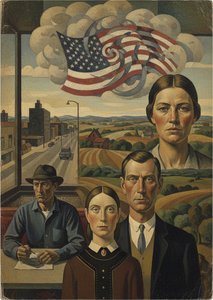
Echoes of Place: Regionalism & American Identity in Interwar Art
Explore the rise of American Regionalism in interwar art! Discover Grant Wood, Thomas Hart Benton & the movement's impact on American identity. Expert analysis & historical context.

De la Scene Jungle la Geometrie cu Foiță de Aur: Ghidul Stilurilor de Murală Cele Mai Căutate în Prezent
Descoperă ghidul complet pentru arta murală în designul hotelier! Tendințe, stiluri, tehnici și sfaturi de la experți. Creează un spațiu unic și memorabil.

Grant Wood & American Regionalism: Identity, Myth & the Rural Landscape
Explore the world of Grant Wood & American Regionalism with OriginalUniqueArt. Discover the symbolism behind 'American Gothic', recurring themes, and the movement's lasting impact on art history. High-quality reproductions available.

Transformarea Interioarelor: Cum Muralurile Redefinesc Bucătările și Băile
Descoperă cum arta murală transformă bucătăriile și băile în spații unice! Ghid complet cu tehnici, stiluri și inspirație de la experți. Creează-ți o casă de vis!
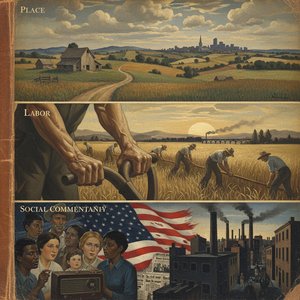
American Regionalism: A Crucible of Identity – Exploring Themes of Place, Labor & Social Commentary
Explore American Regionalism's powerful depiction of the American heartland during the Great Depression. Discover Grant Wood, Thomas Hart Benton & more. Expert analysis & high-quality art reproductions at OriginalUniqueArt.

